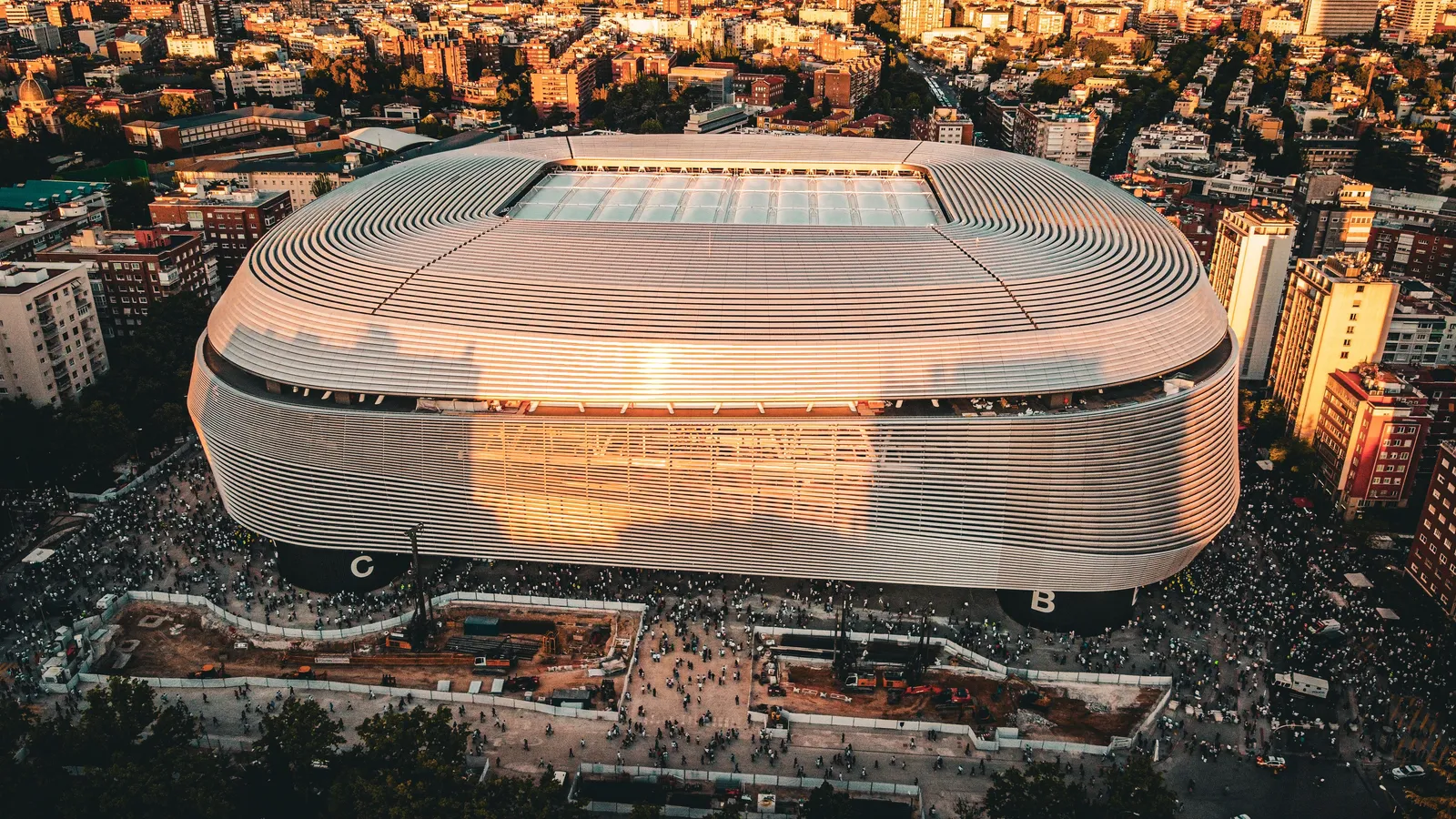
Madrid has two football clubs that matter and only one of them dominates the visitor itinerary. The Santiago Bernabeu absorbs most of the attention, which leaves Atletico Madrid’s home on the eastern edge of the city as the quieter, cheaper and in some ways more rewarding stadium visit. The Metropolitano is a modern ground with a genuinely good museum attached, and it rarely feels crowded in the way its cross city rival does.
The name confusion, cleared up
Start here, because it causes more booking problems than anything else. The stadium opened as the Wanda Metropolitano, later became the Civitas Metropolitano, and more recently carries the name Riyadh Air Metropolitano. Atletico sells naming rights, those deals expire, and the branding changes with them.
None of this affects what you are visiting. Locals call it the Metropolitano and nothing else, the metro station is named Estadio Metropolitano regardless of sponsor, and older guides using a previous name are describing the same building. If a booking platform lists a name you do not recognise, check the address before assuming it is a different venue.
What the tour and museum cover
The visit splits into two parts sold together. The stadium walk takes you through the areas the players use: the first team dressing room, the tunnel out to the pitch, the benches at pitchside, the mixed zone where players face the media after a match, and the press room. Some premium formats add access to areas the standard ticket does not reach, such as the presidential box.
The museum is presented as an interactive space, built around screens and immersive exhibits rather than glass cases of shirts, and it runs through the club’s history, its trophies and its identity as the city’s perennial underdog with a fiercely loyal support. Most people allow around two hours for the combined visit.
What the tour does well, compared with the more polished offering across the city, is atmosphere rather than spectacle. The Metropolitano is a modern bowl with steep stands and an enclosed roof, and standing at pitchside gives you a clear sense of how the noise is funnelled down onto the players on a full matchday. The museum leans into the club’s self image as the harder edged, more stubborn of Madrid’s two sides, which is a more interesting story than a straightforward trophy parade.
Formats change periodically, and the club runs self guided and guided options alongside occasional special experiences. Check the official Atleti Tour and Museum site for what is currently on offer before booking anything.
Prices, hours and booking
A standard adult self guided ticket sits around the mid twenties of euro, with reductions for children, students and older visitors, and higher prices for guided tours and premium access. Those bands move, and aggregator sites are notoriously slow to update them, so the official site is the only figure worth acting on.
Opening hours are broadly daily from late morning until early evening, with a later closing time in the summer months and an earlier one in winter. Last entry is well before closing, typically a couple of hours ahead, because the visit takes time to complete. Check the published calendar on the day you plan to go rather than assuming a standard schedule, because it varies seasonally and around fixtures.
Book the Metropolitano tour and museumSkip the queue with tickets for the stadium walk and Territorio Atleti museumThe matchday problem
This is the single thing that catches visitors out. Tours may be modified, shortened or suspended around fixtures. The dressing rooms and pitch are being prepared, security zones tighten, and the areas that make the tour worth doing become unavailable.
In practice that means the day of a home match is a poor bet, and the day before a major European fixture can be affected too. The operator words this as a possibility rather than a fixed rule, which is exactly why you should not treat any of it as guaranteed in either direction. The tour calendar published on the official site shows what is actually bookable, and that is the only reliable answer for a specific date.
Getting there
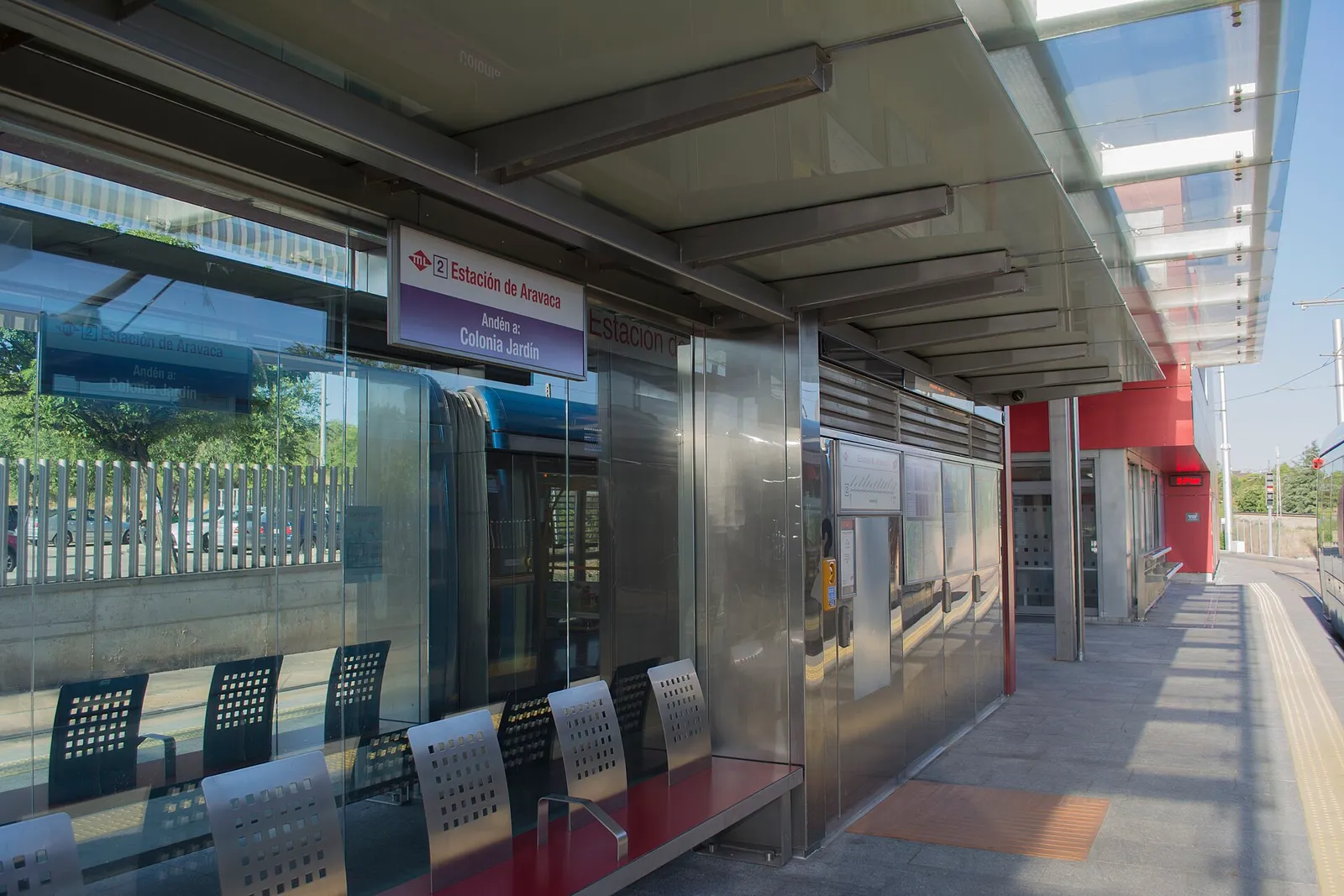
Metro line 7 runs to Estadio Metropolitano, a station built for the ground, and it is the obvious route. The stadium sits in the San Blas district on the eastern side of Madrid, well beyond the walkable centre, so this is not somewhere you wander to between other sights. Budget around half an hour from the central districts depending on where you start.
On matchdays the station is managed heavily, with crowd flow controls in both directions and long queues after the final whistle. Line 7 has also seen extended engineering works on parts of its route in recent years, so check the Metro de Madrid site for closures and replacement services before you set out. Ticketing and travel passes for the wider network are covered in our Madrid transport guide.

Seeing an actual match
A tour is one thing, a full Metropolitano matchday is another. The atmosphere in the south stand behind the goal, where the most committed support gathers, is one of the better experiences in European football, and tickets are generally more accessible and less expensive than at the Bernabeu.
Availability works through the club’s official channels. Season ticket holders can release their seats into the club exchange, which is why tickets for a fixture that looked sold out can appear later without warning. Release timing varies by competition and by opponent, so there is no fixed window worth planning around. Buy through official club ticketing or an authorised partner only. Our Madrid football ticket guide covers the mechanics across both clubs.
Where to sit, if you are going to a match
The organised support gathers behind the goal at the south end, in the lower tier, and that is where the noise comes from. If atmosphere is the reason you are going, buy as close to it as the club will sell you, and expect standing, flags and singing for the duration. Seats along the sides give a better view of the football and a much calmer evening, which suits anyone bringing children or wanting to watch the match rather than take part in it. The club designates family areas, and those are the sensible choice for younger children rather than either goal end.
A match here is an evening rather than an afternoon, and the location means it does not combine with anything else in the same day. Treat it as the whole plan for that day, keep the following morning undemanding, and slot it into a longer stay rather than a short one. Our four day Madrid itinerary shows where an evening like this fits without wrecking the day on either side.
One last note for anyone weighing the two clubs. The old ground on the river, the Vicente Calderon, is gone, and with it a good deal of what made watching Atletico distinctive. What replaced it is comfortable, well connected and unmistakably modern. The support, which is the actual reason to go, made the move intact.
If you are choosing between the two grounds and only have time for one, the Bernabeu guide sets out what that visit involves. The short version: the Bernabeu is the bigger spectacle and the bigger queue, while the Metropolitano is the easier, calmer visit and a better read on the city’s other footballing half.