Retiro gets the attention, and it deserves most of it, but it is not where Madrid keeps its serious outdoors. Casa de Campo, on the western side of the river, is a park roughly the size of the entire central city, holding woodland, a lake, the zoo and the amusement park inside its boundary. Madrid Río, the long riverside park built over a buried stretch of motorway along the Manzanares, connects to it and runs for kilometres through the southern neighbourhoods. Together they are where Madrid actually goes to run, cycle, swim in fountains and get children outdoors.
Before anything else, one correction, because a lot of current travel writing is still getting it wrong.
The cable car is closed, and has been since 2022
The Teleférico de Madrid, the cable car that carries passengers from the Parque del Oeste across to Casa de Campo, is a staple recommendation in guidebooks and blog posts. It has not carried a passenger since 2022.
It closed for safety reasons and is now undergoing a complete rebuild rather than a repair: a new drive system replacing the original 1969 installation, and a fleet of new panoramic cabins with far greater capacity per cabin than the old ones. Reporting has pointed to a reopening in the first quarter of 2027. That is worth treating as provisional, because the reopening date has already slipped more than once and was previously announced for earlier years.
The practical consequence for a visitor planning now: do not build a day around it, do not walk to the Parque del Oeste terminal expecting to ride across, and be sceptical of any itinerary that includes it without a date. Check the operator’s own site or the city tourism pages before assuming it is back.
Casa de Campo, and how to use something that large
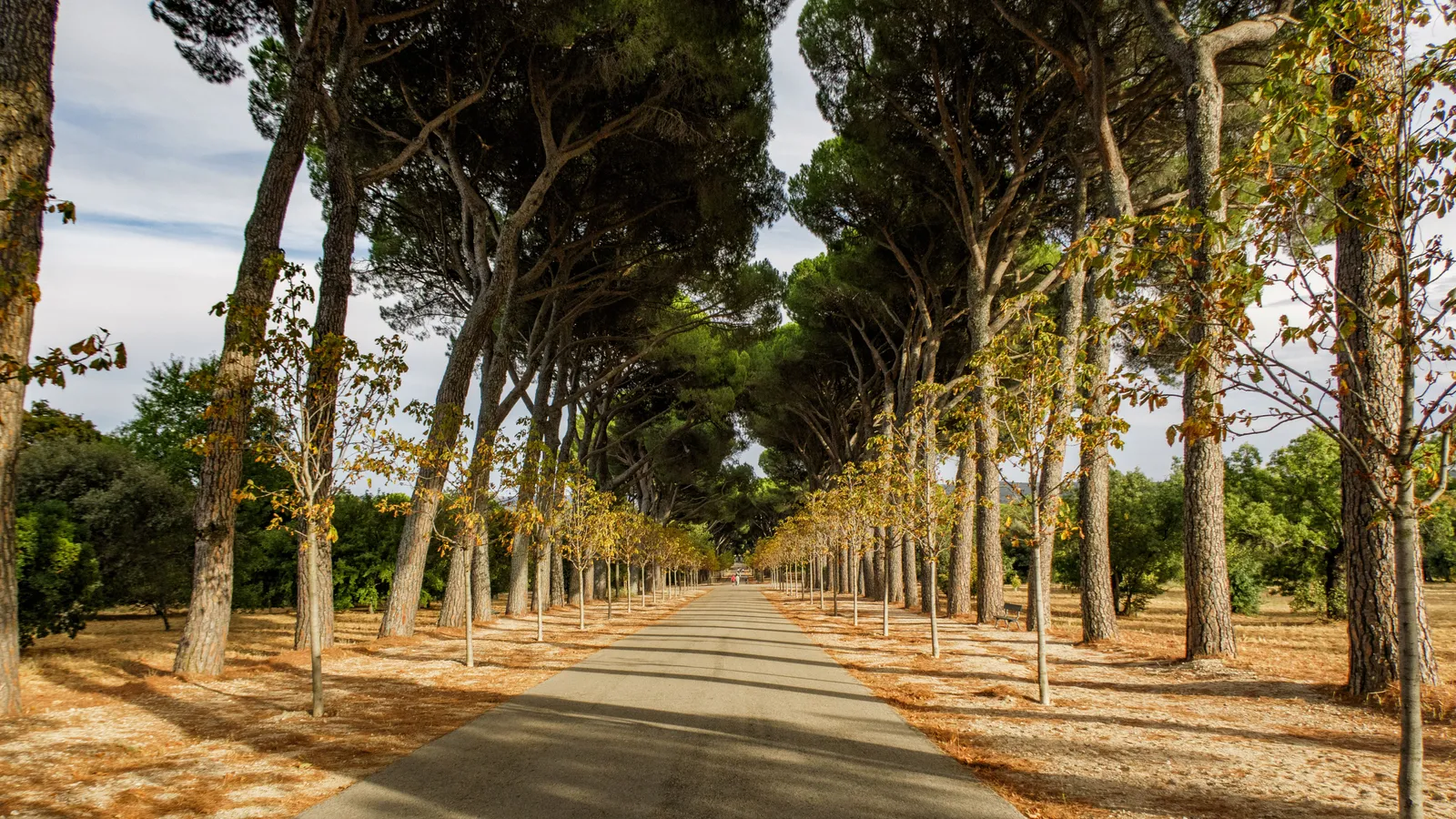
The scale is the thing people underestimate. Casa de Campo is not a park you stroll across on a whim; it was a royal hunting estate before it was public, and large parts of it are still genuine holm oak and pine woodland with dirt tracks rather than manicured paths. That makes it a completely different proposition from Retiro, which is a formal city park you can cover comfortably on foot.
The practical approach is to pick one anchor and work outward from the nearest metro. Lago station puts you directly at the lake, which is the most popular entry point and the easiest for a first visit. Casa de Campo station serves the southern side. Batán is the stop for the amusement park area.
The lake itself is the natural centre of gravity: rowing boats operate from a pier on its edge, kayaking and canoeing are available, and a line of restaurants and terraces along the shore makes it a straightforward lunch stop with a view back across the water to the Royal Palace on the skyline. Boat hire is best booked in advance through the city’s sports booking channels, particularly at weekends, and the season and hours vary, so check before making a special trip.
The zoo, the aquarium and the amusement park
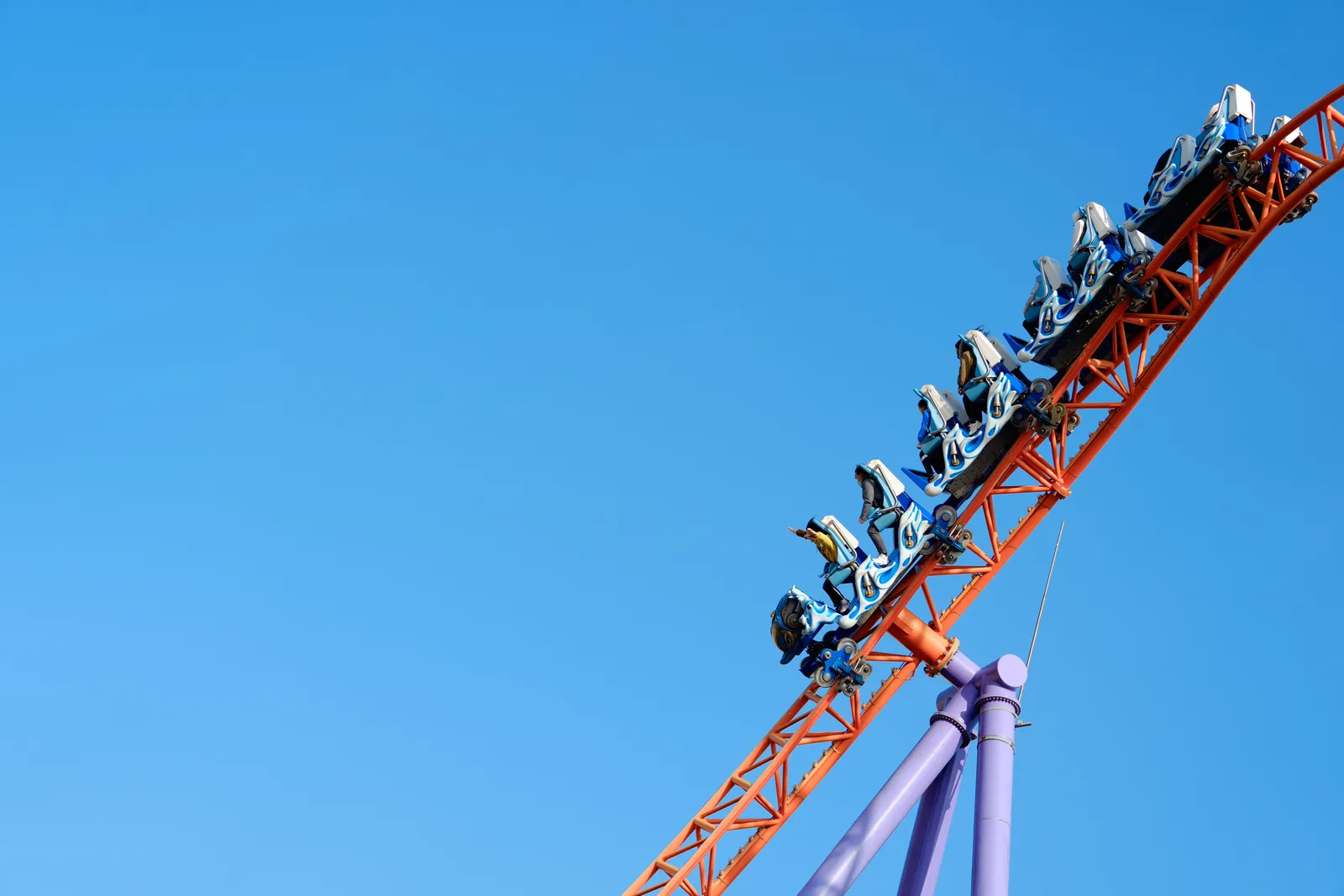
Two large paid attractions sit inside the park boundary, which regularly surprises people who expected a park and found a day out. Zoo Aquarium de Madrid combines a zoo and an aquarium on one site, and Parque de Atracciones is the city’s main amusement park, with a mix of large rides and a substantial children’s section.
Both charge their own admission separately from the park, which is free to enter, and both run their own seasonal calendars with reduced opening in winter. Prices and hours change often enough that any figure printed here would be stale within months, so buy from the official sites and check the operating calendar for your date. Either one absorbs most of a day on its own, so combining a zoo visit with a serious walk in the park is unrealistic in practice.
Get out into Madrid's green sideGuided cycling and walking options covering Casa de Campo, Madrid Rio and the riverCycling: the best riding in central Madrid
Casa de Campo is where Madrid cycles. The network of tracks and forest roads across the park is long enough for a proper ride, with enough climbing to make it more than a flat circuit, and it connects directly into the riverside paths of Madrid Río for an easy return along the water.
One practical catch: the municipal bicimad electric hire scheme does not have docking stations inside the park itself. You need to collect a bike from a station outside the boundary and ride in, which works fine for the eastern approaches but is worth knowing before you plan a docked hire around it. Private bike hire shops in the centre are the better option for a full day, and they will also lend you something more suited to a dirt track than a city bike.
Madrid Río, the riverside park
Madrid Río is the more recent of the two and, for many visitors, the more useful. The city buried a ring motorway that ran along the Manzanares and built a long linear park on top of it, threaded with cycle paths, footbridges, sports pitches and a run of genuinely inventive playgrounds spread along the riverbank.
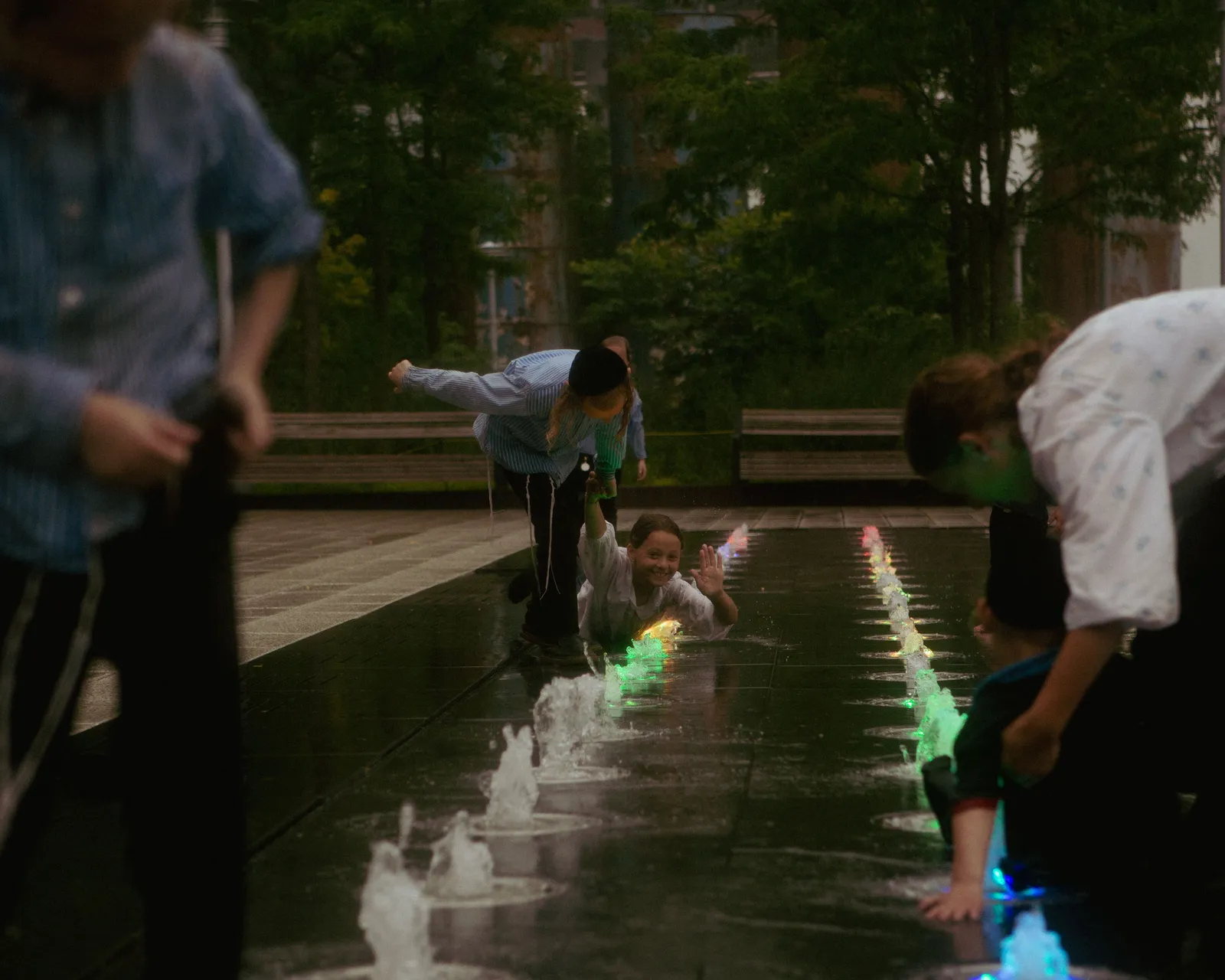
For families it is the stronger option of the two, because almost everything in it is free and it is entirely flat: scooters, bikes, playgrounds and long straight paths. In summer, a stretch of the park near the Arganzuela footbridge turns into an urban water play area, a set of shallow fountains with jets and mist that children are actively encouraged to run through. It operates through the warm season only, typically from late morning into the evening, and the city switches it on and off with the season, so confirm on the Ayuntamiento’s pages before promising it to anyone small. Our guide to Madrid with kids covers the wider family picture.
Timing, heat and the practical bits
The two parks connect at the Puente del Rey, at the north east corner of Casa de Campo, which makes the obvious plan a walk down through Madrid Río from the centre, over the bridge and into the park, or the reverse.
Timing matters more here than almost anywhere else in the city. From roughly June to September the middle of the day is genuinely hostile in open ground, and Casa de Campo’s woodland shade only helps once you are well inside it. Early morning and the hours after six in the evening are the windows that work, which is also when the water play area and the riverside paths are at their best; our guide to surviving Madrid’s summer heat goes into the wider tactics. In spring and autumn, neither park needs any planning at all beyond deciding which metro stop to get off at.