Madrid has a genuine problem for anyone travelling with children: the city’s headline attractions are three world-class art museums, and there is a limit to how much Velazquez a seven-year-old will absorb. The standard answer sits four metro stops west, inside the enormous Casa de Campo park, where a zoo, an aquarium and a full amusement park share the same patch of woodland. Here is how to make a day of it work.
What is actually there
Three separate things occupy the eastern side of Casa de Campo, and people routinely confuse them.
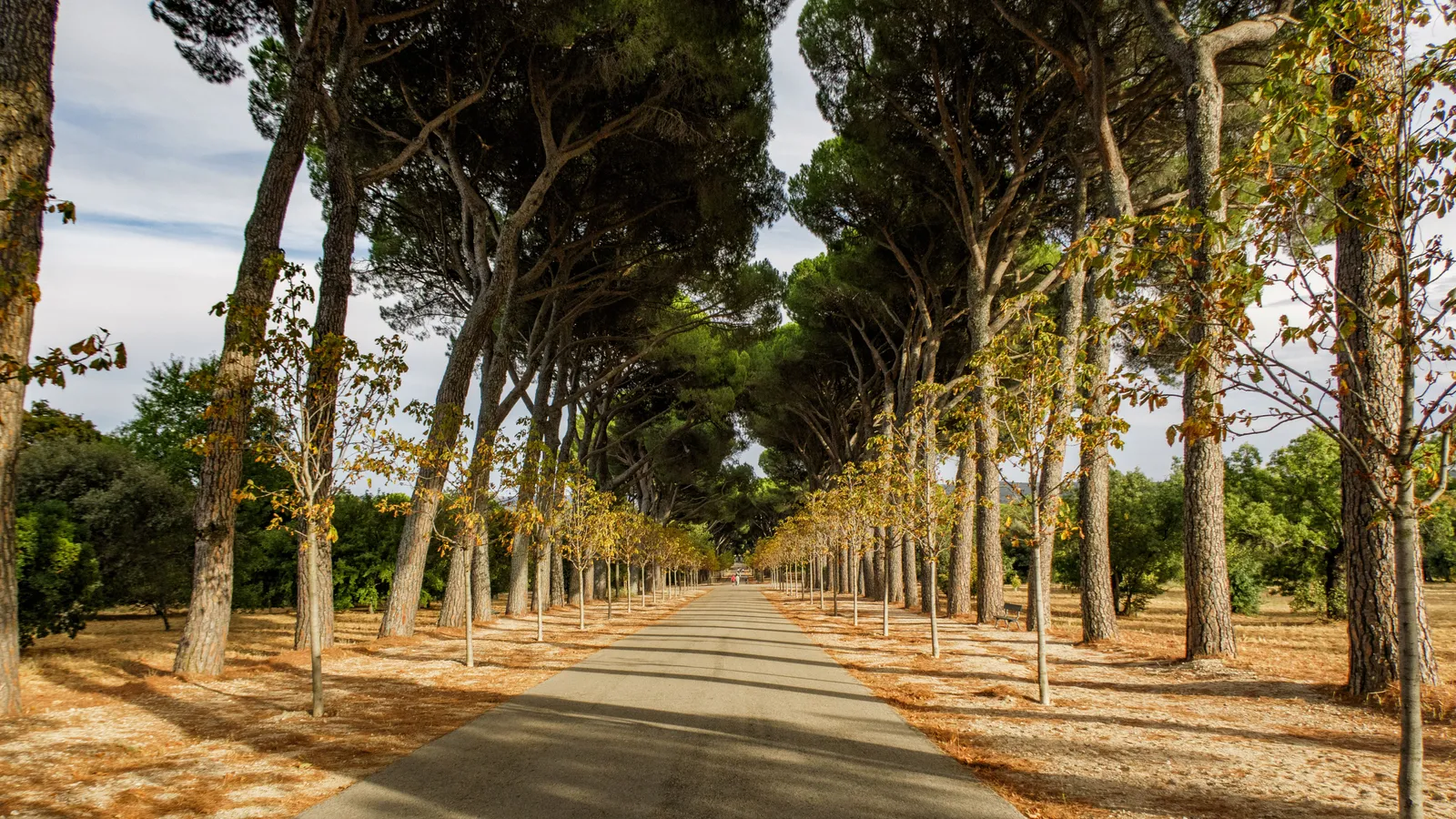
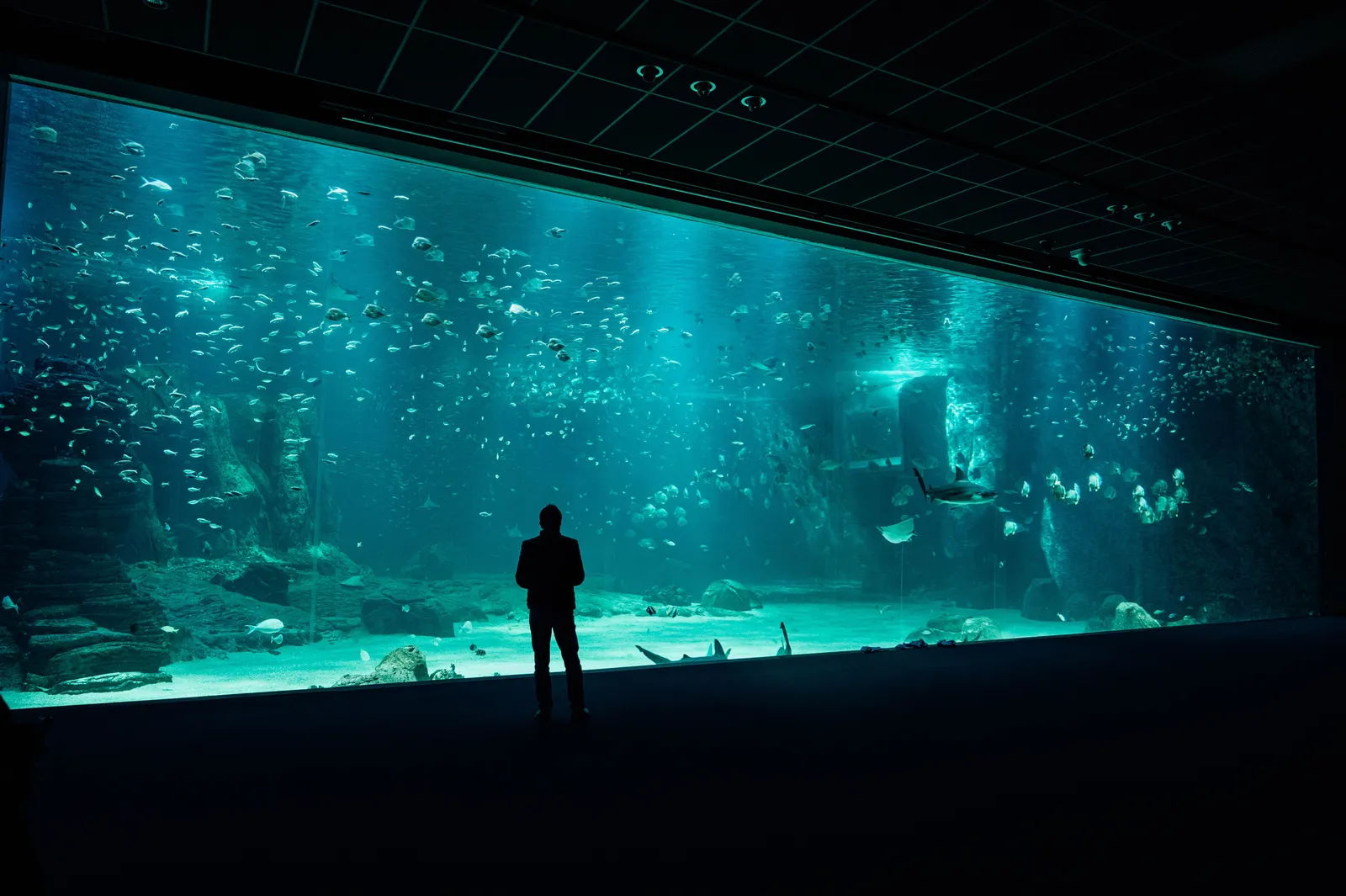
The zoo and aquarium is a single combined site, with the aquarium and a dolphinarium inside the zoo grounds rather than being a separate ticket across town. The amusement park is a full theme park with roller coasters, next door but entirely separate. And the surrounding park itself is a landscape rather than a garden and easy to underestimate.
The practical point is that the zoo and the amusement park are two full destinations, not two halves of one. Attempting both in a day usually produces an exhausted family and two rushed visits. Pick one.
Which one suits which age
This is the decision that matters most, and it comes down to height restrictions.
The zoo and aquarium works for essentially every age, and is the obvious choice for children under about seven. The amusement park is built around rides with minimum height requirements, which means younger children spend a good deal of the day watching rather than riding. For older children and teenagers that balance flips entirely.
If you have a mixed-age group and only one day, the zoo is the safer call.
Timing the day
Four to five hours is a comfortable target for the zoo without rushing. The site is spread out and there is real walking between sections, so the constraint with small children is legs rather than clock.
The thing to plan around is the schedule of feeding and presentation times, which is published daily and is what most families organise the day by. Pick up the sheet at the entrance and work backwards, rather than wandering and discovering you missed the sea lions by ten minutes.
One long-standing draw deserves a note of caution. Madrid has housed giant pandas on and off for decades under loan agreements with China, and they are the animals most people arrive expecting to see. Those agreements run on fixed terms, and animals have both left and arrived over the years. The pair that had lived in Madrid since 2007, along with the cubs born there, went back to China in early 2024, and a new young pair arrived later the same year under a fresh long-term agreement. That turnover is exactly why no guide can answer this reliably. If the pandas are the reason for the visit, confirm directly with the zoo rather than assuming.
A more mundane piece of planning pays off as well. Food inside is priced as it is at any attraction of this kind, the site is large enough that you will not want to walk back to the gate for lunch, and there are picnic areas. Bringing water and something to eat, plus a pushchair for anyone under about five even if they normally walk, removes most of the friction from the afternoon.
Book ahead and skip the gate queueOnline tickets are usually cheaper than the gate and matter most at weekends and through the school holidaysGetting there
The metro is the standard approach, with a station serving the Casa de Campo entrances and a journey of roughly half an hour from the centre. It is the reliable option.
The bus is the easier option with small children: city line 33 from Principe Pio stops by the zoo and saves the walk through the park.
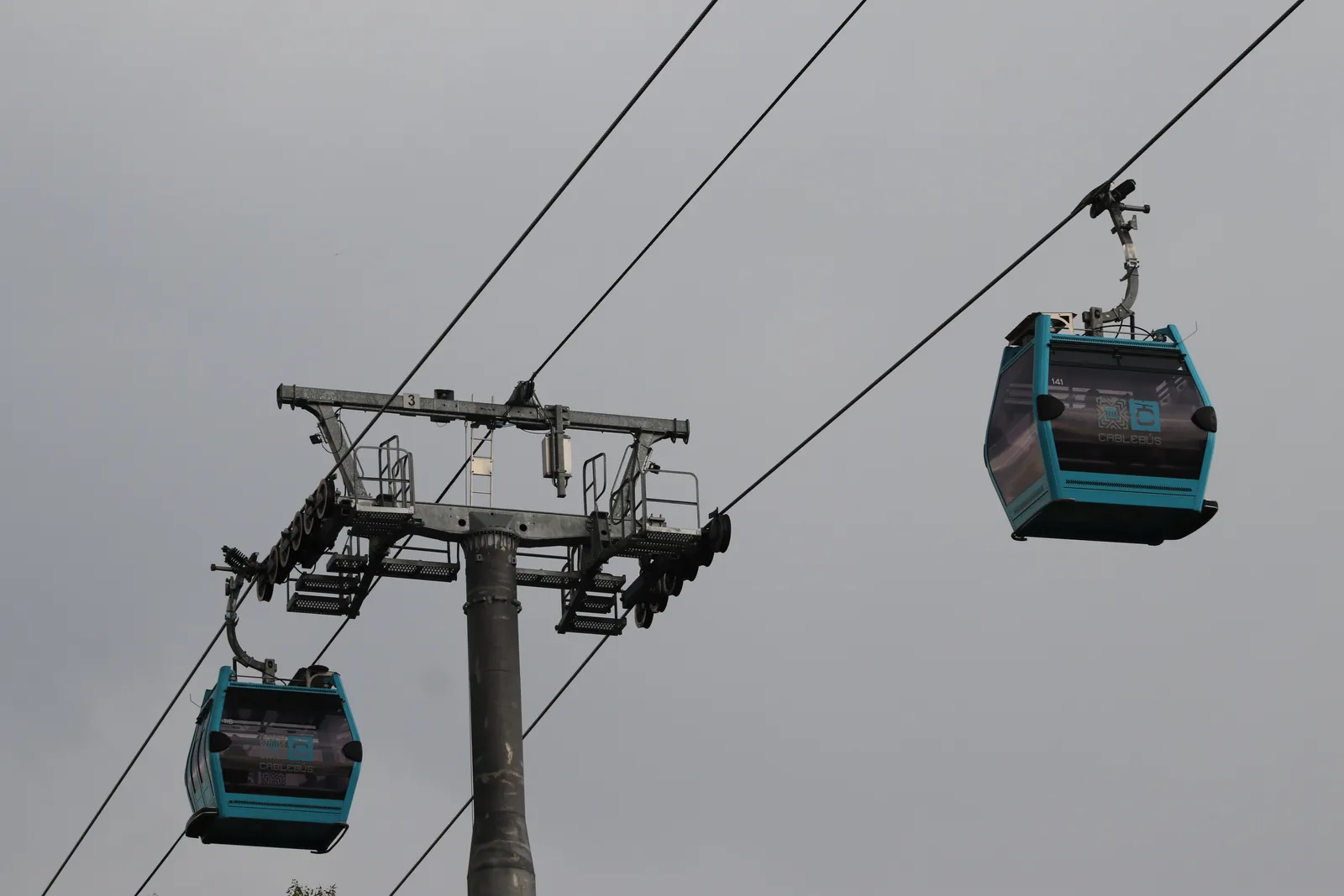
The cable car from the Parque del Oeste side is still described in many guides as the fun way in, but it has not carried passengers since 2022. It is being rebuilt with new cabins, and its reopening, most recently pointed to early 2027, has already slipped more than once, so check the operator’s site before counting on it.
Driving works and there is parking at the gates, but it offers no real advantage over the metro and adds the problem of city traffic at both ends.
The summer problem
July and August are the hardest months for this particular day out. There is a lot of walking, shade is patchy in places, Madrid summers are genuinely severe, and most animals are least active in the middle of the day regardless.
If you are going in high summer, the strategy is fixed: arrive at opening, do the outdoor sections early, and retreat into the aquarium and other indoor spaces through the worst of the afternoon. Spring and autumn avoid the problem entirely and are much the better time if you have the choice.
Where it sits in a Madrid trip
For a first visit with a short stay, this is not a priority, and our first-time guide puts the museums and the old centre well ahead of it. For a family staying a week, or a second visit, or simply a day when the adults have accepted that another gallery is not happening, it earns its place. Our broader guide to Madrid with children covers the alternatives, several of which are free and much closer to the centre.