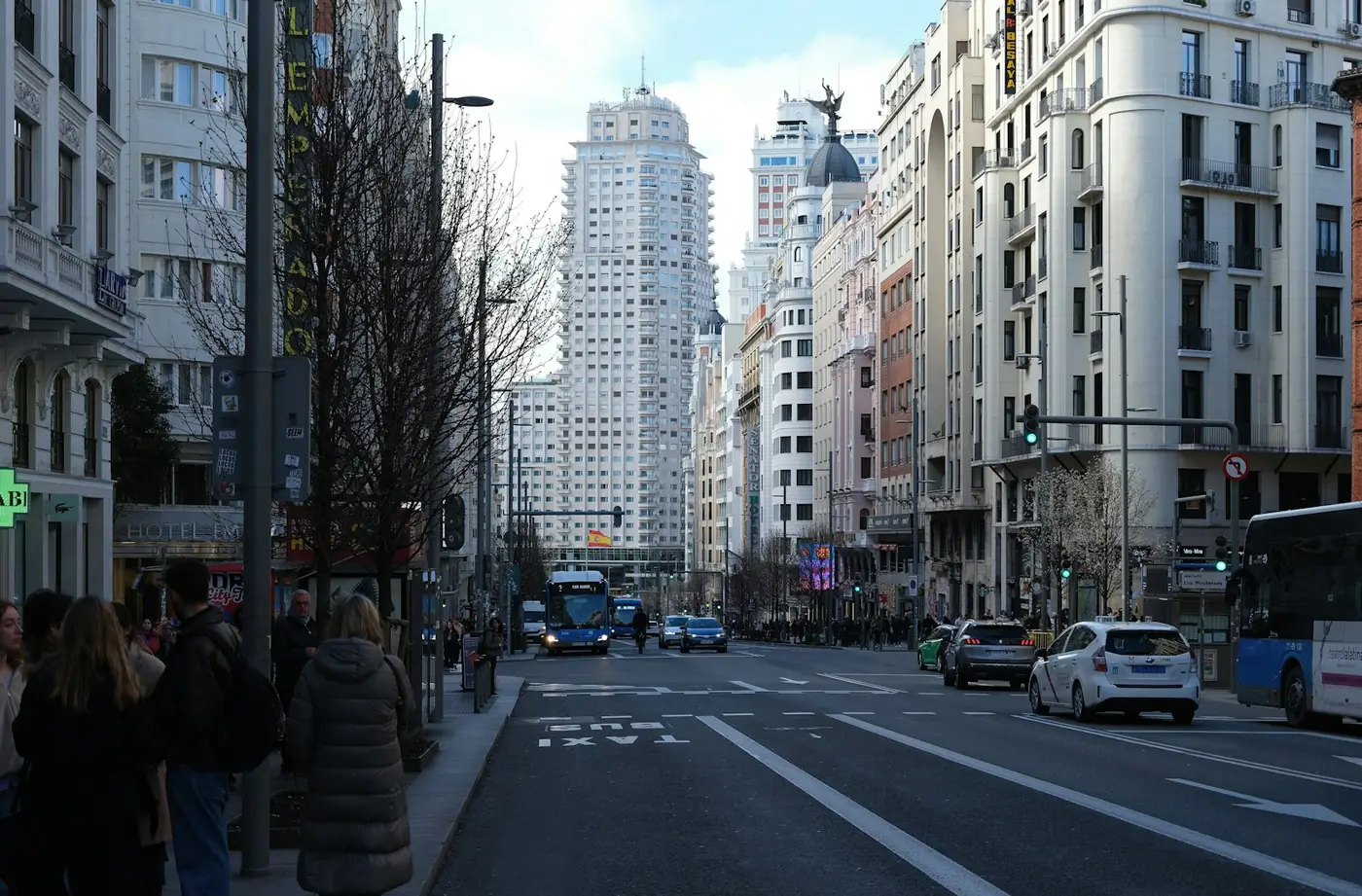
Travel insurance is the least interesting thing you will buy for a trip to Madrid and one of the few that can turn a bad week into a ruinous one. The complication in Spain is that what you need depends heavily on which passport you are carrying, and a lot of general advice quietly assumes an answer to that question. Here is what actually varies, and what to check line by line before you buy.
Healthcare depends on your passport
This is the fork in the road, and everything else follows from it.
Citizens of EU and EEA countries and Switzerland carry the European Health Insurance Card, which entitles the holder to state-provided treatment in Spain on the same terms as a Spanish resident. British visitors hold an equivalent card under the arrangement that replaced their EHIC. In both cases the card is genuinely valuable and covers a great deal.
Travellers from outside those systems, which includes the United States, Canada, Australia, New Zealand and most of the rest of the world, have no reciprocal arrangement at all. Care is available and generally excellent, and it is billed privately. For this group insurance is not an optimisation.
Two limits apply to everybody. The card, where you have one, covers state treatment and not a private clinic, which matters because a hotel will often call the nearest private facility by default. And no card of any kind covers repatriation, which is the single largest number on most serious claims. Anyone going through a visa application will also find proof of medical cover is part of the paperwork, as our entry guide sets out.
Theft cover, and the single-item limit
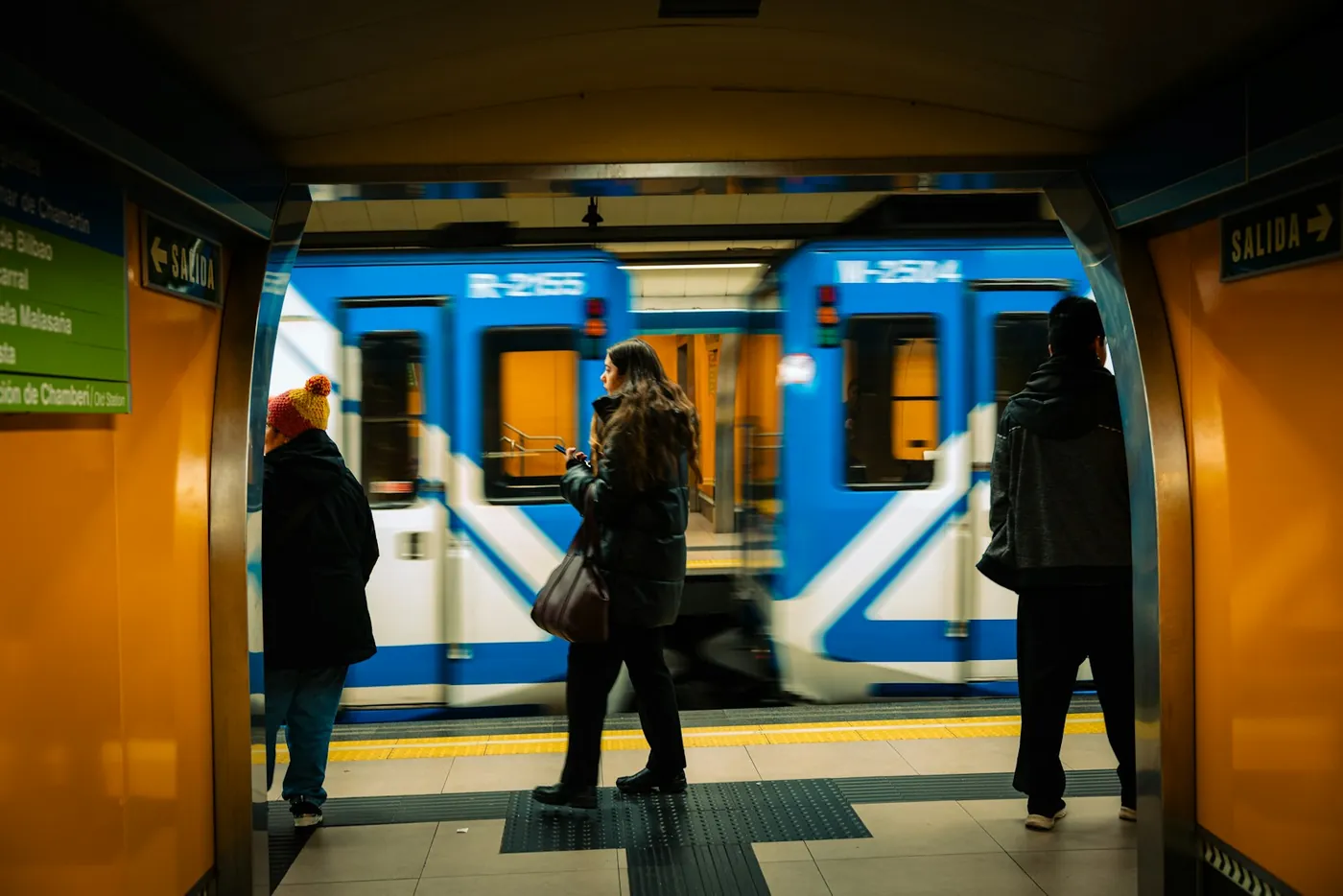
Madrid has a pickpocket problem concentrated in exactly the places visitors spend their time: the metro, the area around Sol and the Rastro market on a Sunday. Our guide to pickpockets and safety covers avoiding it. Insurance covers the aftermath, and there are two details that decide whether a claim succeeds.
The first is the police report. Nearly every policy requires a denuncia filed within a stated window, often twenty four hours, and a claim without one is usually refused outright. The second, and the one people discover too late, is the single-item limit. Policies cap what they will pay for any one object, and that cap is frequently well below the value of a modern phone or a camera body. Check it against your most expensive item, not against the headline sum insured.
Cancellation cover and timed tickets
Madrid runs on timed entry more than most cities. The big three museums sell slots, a football match is a fixed date, and a growing number of restaurants take a deposit. That makes the cancellation section worth reading properly rather than skimming.
Cancellation cover pays for the reasons listed in the policy and nothing else. Illness, injury and certain family emergencies are standard. Changing your mind, a cancelled connecting flight on a separate booking, or a strike depending on the wording, frequently are not. If a specific expensive booking is the thing you are worried about, check that its failure mode appears on the list before assuming you are covered.
Check the excess before you check the priceTwo policies at the same price can differ by hundreds in what you pay first and what they cap per itemDriving, and the excess trap
If any part of the trip involves a hire car, whether for a day out to Segovia or a longer loop, understand the excess. The rental company’s own insurance leaves you liable for an initial amount that can run into four figures, and the desk will offer to remove that liability at a daily rate that is deliberately high.
Standard travel insurance does not usually cover this. The two sensible routes are to buy a standalone excess policy in advance, which is typically a fraction of the desk price, or to accept the desk product knowingly. What does not work is arriving with no plan, because the counter is designed for exactly that moment.
Summer, and what a policy will not do
Madrid in July and August is genuinely hot, and the city now sees formal heat alerts as a routine part of the summer rather than an exception. Medical cover treats heat exhaustion like any other illness, so the treatment is covered.

Where insurers push back is on losses that follow from ignoring an official warning, and that is a fair reading of most policy wording. The honest conclusion is that insurance is the backstop and the actual protection is planning: shifting the day to early morning and late evening, staying indoors through the middle, and treating the siesta as infrastructure rather than a cliché. Our guide to surviving the Madrid summer covers how residents do it.
A short checklist
Before you buy, confirm five things: that medical cover is adequate for your passport situation, that repatriation is included, that the single-item limit covers your phone or camera, that the cancellation reasons include what you are actually worried about, and that you have decided how you are handling rental car excess. Everything else on the quote page is detail.