Madrid’s vintage scene is unusually easy to shop because it barely moves. Rather than being spread across a city, most of it sits inside a few blocks of Malasana, close enough that you can walk between a dozen shops without consulting a map. The trade off is that the sector turns over fast: shops open, move and close, and any list of addresses ages quickly. Learn the streets instead and the shops will find you.
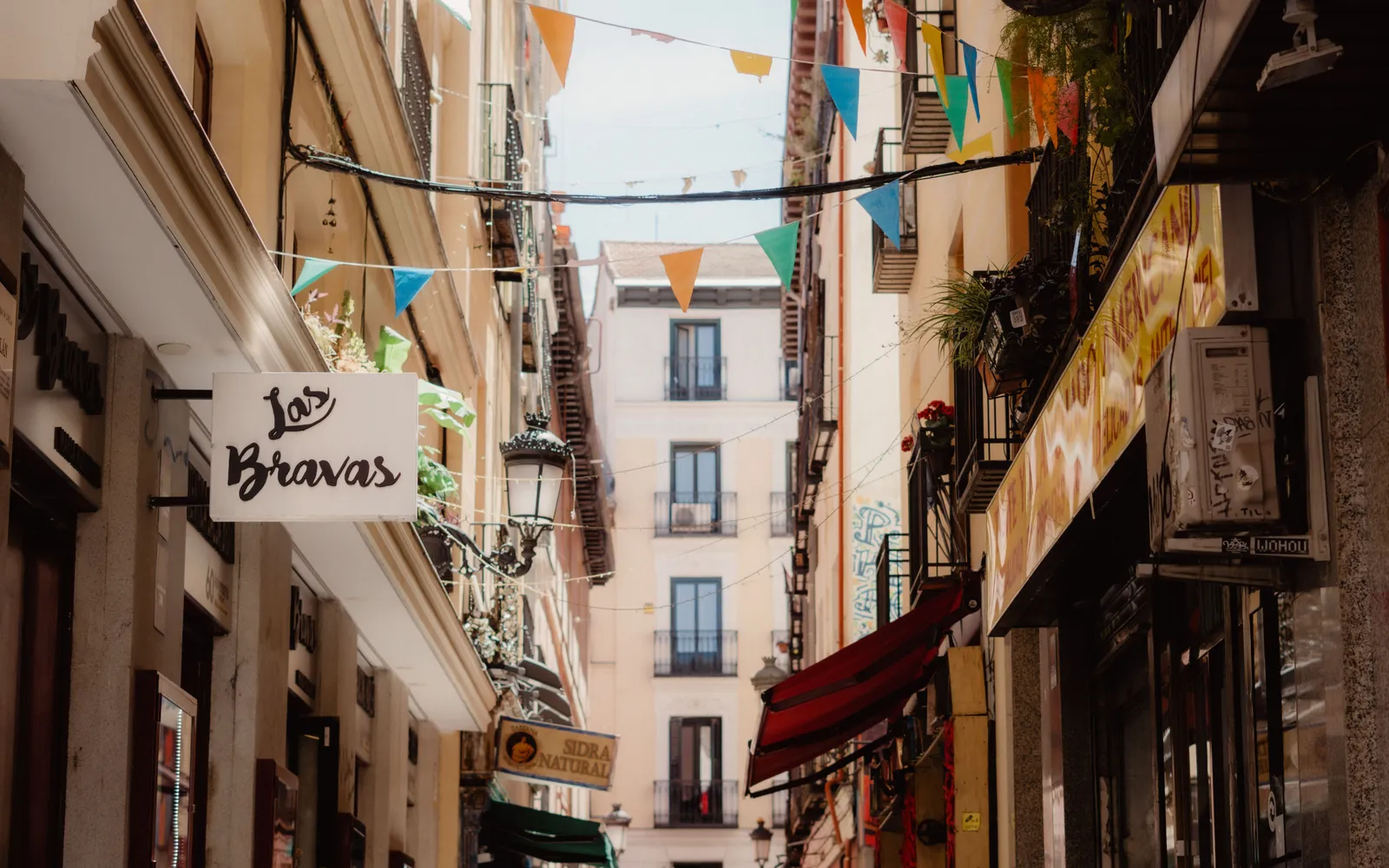
Start on Velarde and Espiritu Santo
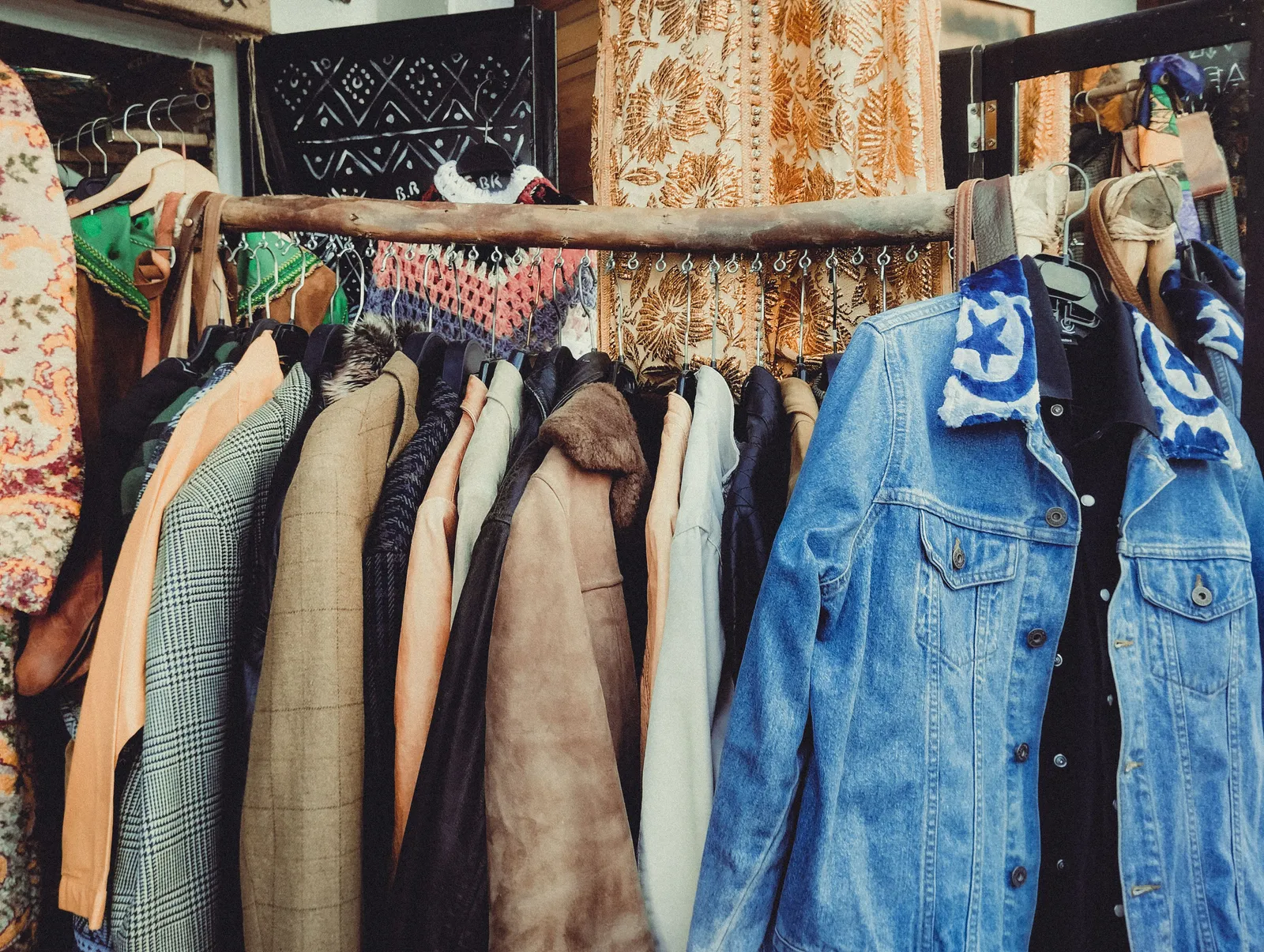
Calle Velarde is the densest single street for vintage in the city, a short run of shopfronts almost entirely given over to second hand clothing. The mix leans towards American imports from the mid twentieth century onwards: denim, workwear, sportswear, leather, printed tees and the occasional genuinely rare piece. Several shops here are among the longest established in Madrid and their buying reflects it.
Calle Espiritu Santo runs nearby and does something similar with a slightly broader spread, including some of the pay by weight shops and a few that lean towards accessories, eyewear and homeware alongside clothing. Between the two streets you have the core of the scene, and the connecting alleys and the stretch around Corredera Baja de San Pablo fill in the rest.
The natural anchor for a walk is Plaza del Dos de Mayo, the square at the centre of the neighbourhood, and the streets radiating from it. The broader character of the area, including its bars and its role in Madrid nightlife, is covered in our Malasana and Chueca guide.
How kilo stores actually work
Pay by weight is Madrid’s most distinctive vintage format and it changes how you shop. Clothing is priced per kilogram rather than per garment, so the calculation is about mass rather than perceived value. A pile of light cotton shirts and summer dresses can be extraordinarily cheap. A leather jacket, a heavy pair of jeans or a wool coat will cost far more than the same item would in a conventionally priced shop.
You browse as normal, then everything goes on the scale together at the till. Rates are posted, vary between shops, and sometimes vary by section within a single shop, with premium racks priced separately. They also change over time, so read the door rather than relying on a figure from a guide.
The practical strategy: use kilo stores for volume and lightweight items, and use the curated shops for the one good jacket. Trying it the other way round is how people end up paying a surprising amount for a coat.
Curated versus dig it out yourself
Madrid’s vintage shops split roughly into two kinds and it helps to know which you have walked into.
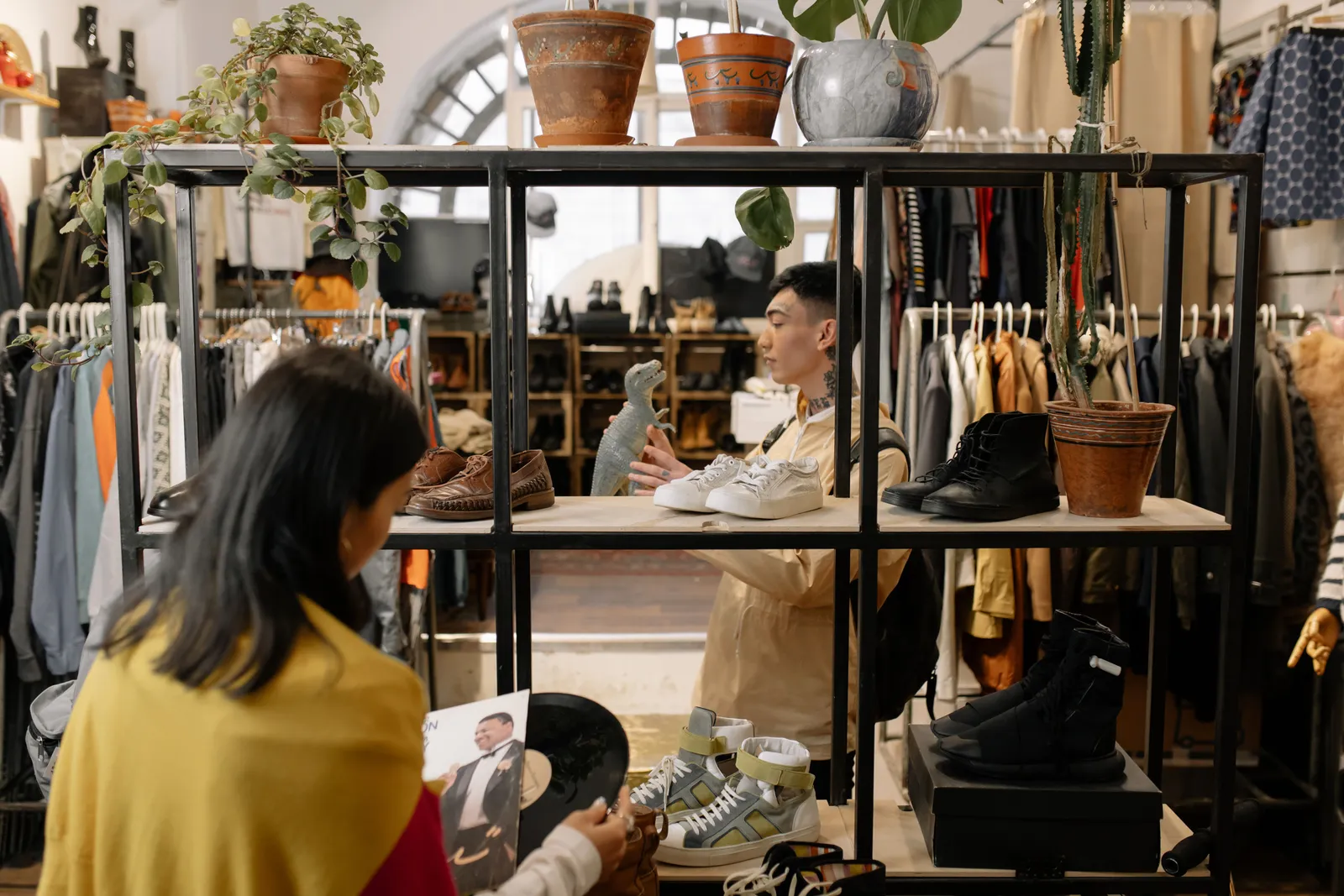
Curated shops select, clean, sometimes repair, and display pieces individually with the price on the tag. Stock is smaller, quality is higher and consistent, sizes are usually visible, and prices reflect the work. These are the shops to use if you want a specific thing and have limited time.
Dig shops present volume: rails packed tight, limited sorting, and the expectation that you will work through them. Prices are lower and the finds are better if you have the patience. Lavapies, south of the centre, skews heavily towards this end, and it is also where the scene feels least polished and most local.
Neither is better. They reward different amounts of time, and a good afternoon usually mixes both.
Explore Malasana with someone who knows itLocal walking tours covering the neighbourhood shops, bars and street artLavapies and the rest of the city
Lavapies and the streets around Embajadores add a rougher, cheaper layer, with a mix of second hand shops, charity outlets and small independents operating alongside one of Madrid’s most genuinely multicultural neighbourhoods. It is less of a destination for vintage than Malasana and more somewhere you find things while walking, which is exactly why the prices are lower.
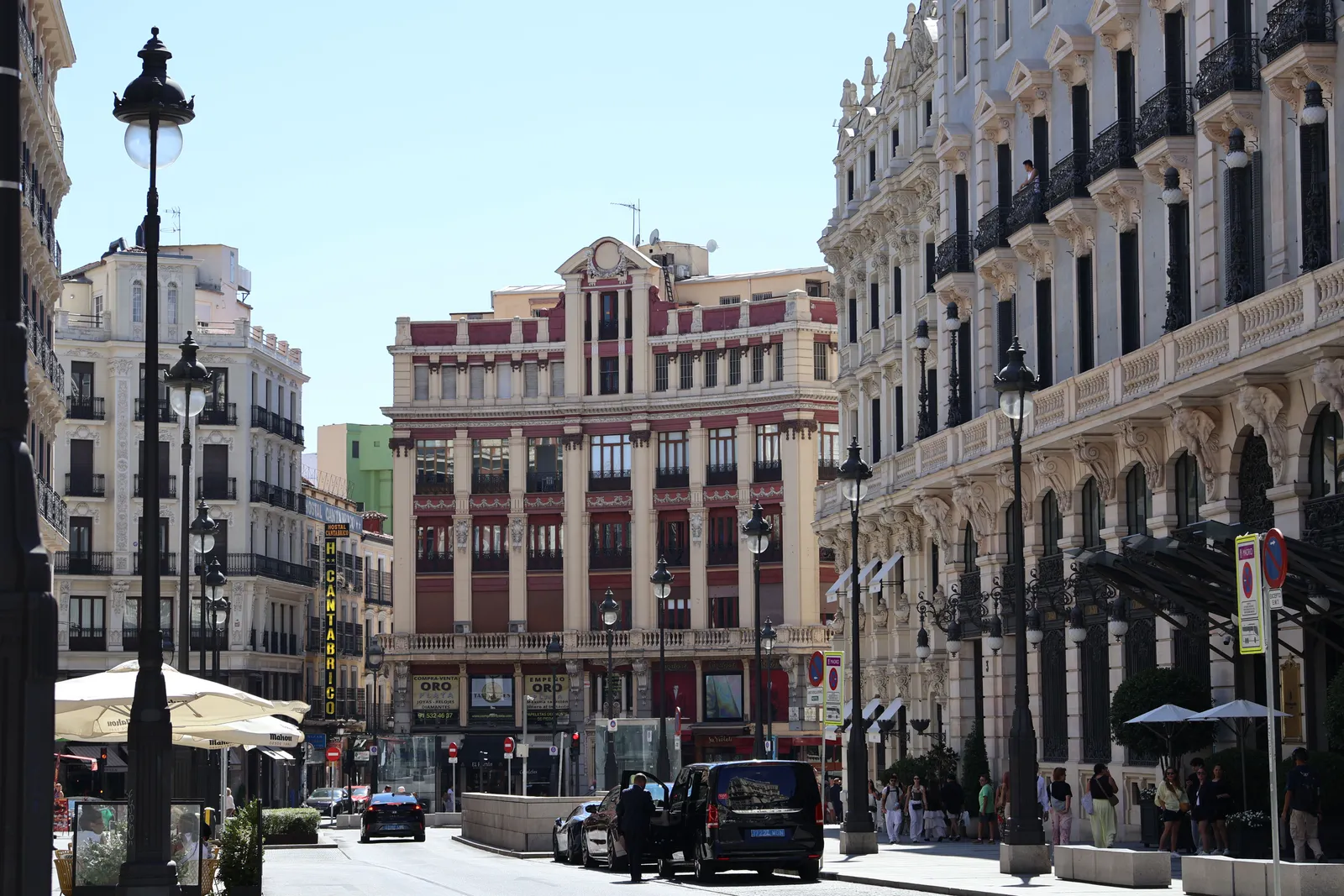
Scattered shops also exist in Chueca, Conde Duque and along parts of the Argüelles side, but the density drops sharply outside the Malasana core. Unless you have a specific address, your time is better spent walking the same few streets twice than crossing the city. The wider retail picture, from the luxury district to the mainstream chains, is set out in our Madrid shopping overview.
Opening hours and the midday problem
This trips people up more than anything else. Many independent vintage shops in Madrid open late morning, close for a midday break of an hour or two, and reopen through the afternoon into the evening. If you plan your vintage walk for one o’clock, you will find shutters.
Sunday is inconsistent. The Madrid region permits Sunday and holiday trading, and larger shops in the central commercial areas generally do open, but independent vintage shops frequently do not, and some close Mondays instead. A number keep reduced hours in August, when much of the city empties.
Because hours and addresses change so often in this sector, the only reliable approach is to check a specific shop’s own current listing on the day. Treat any published list of shops, including the streets described here, as a starting point rather than a schedule.
Fitting it around the flea market
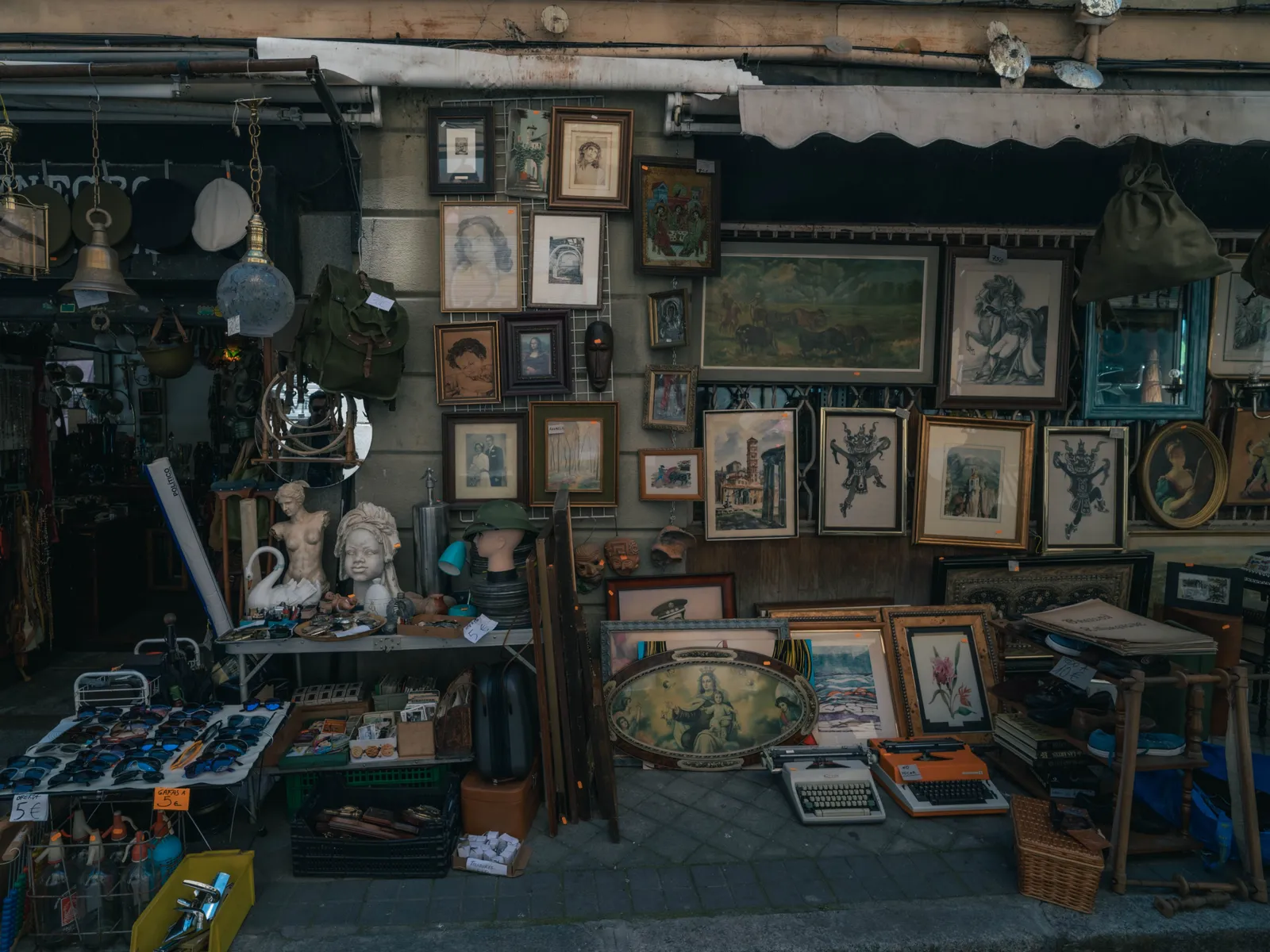
The obvious pairing is with Madrid’s long running open air flea market, which trades on Sunday mornings and public holidays in the streets below La Latina. It is a different proposition: sprawling, crowded, unsorted and considerably cheaper, and the pleasure is in the search rather than the selection.
The sensible sequence is the market early on a Sunday morning, when it is at its best and least packed, then a walk north for lunch and an afternoon in Malasana, accepting that some shops will be closed. Trading days, hours and how to handle the crowds are covered properly in our El Rastro guide.