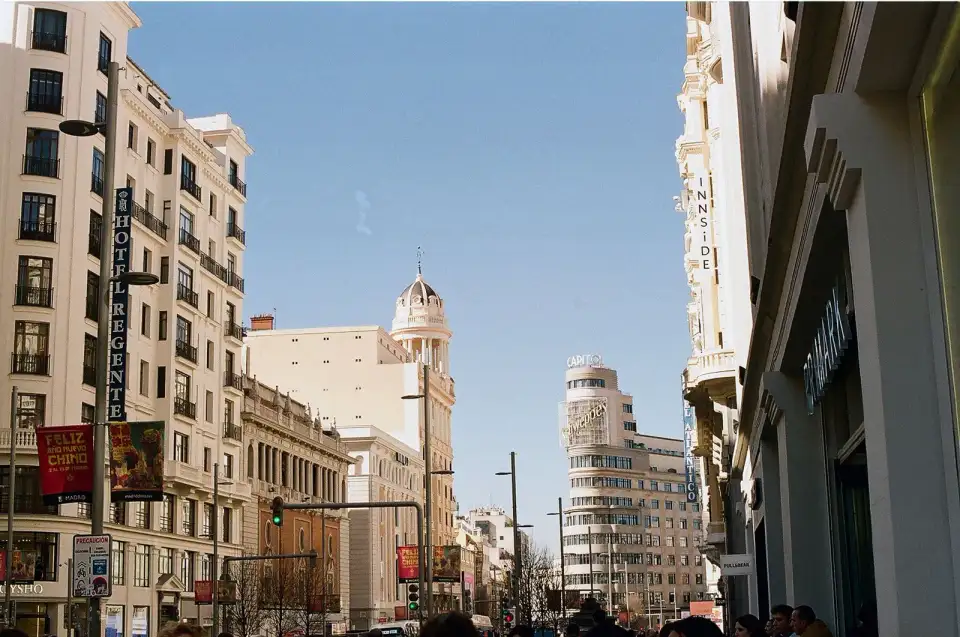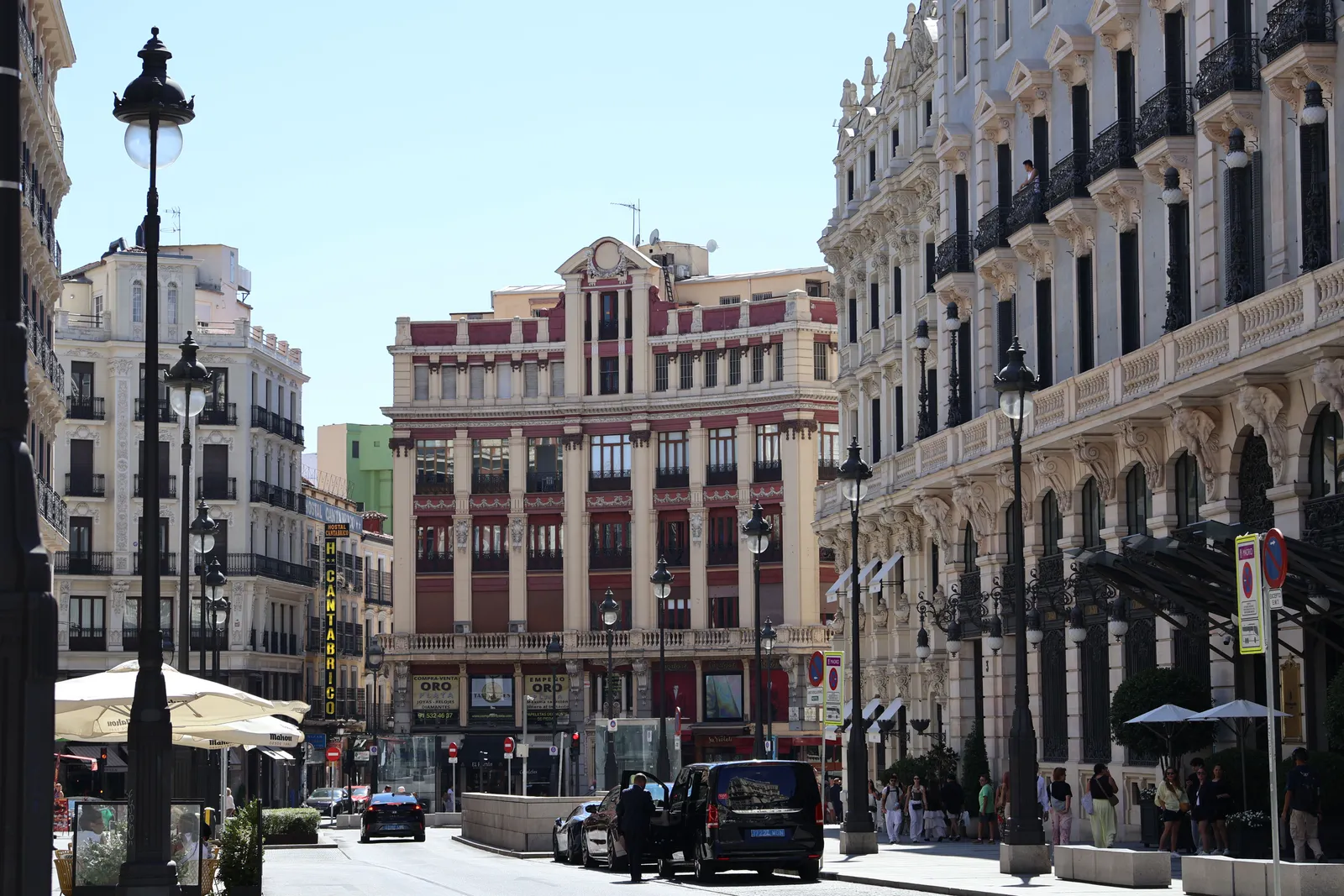
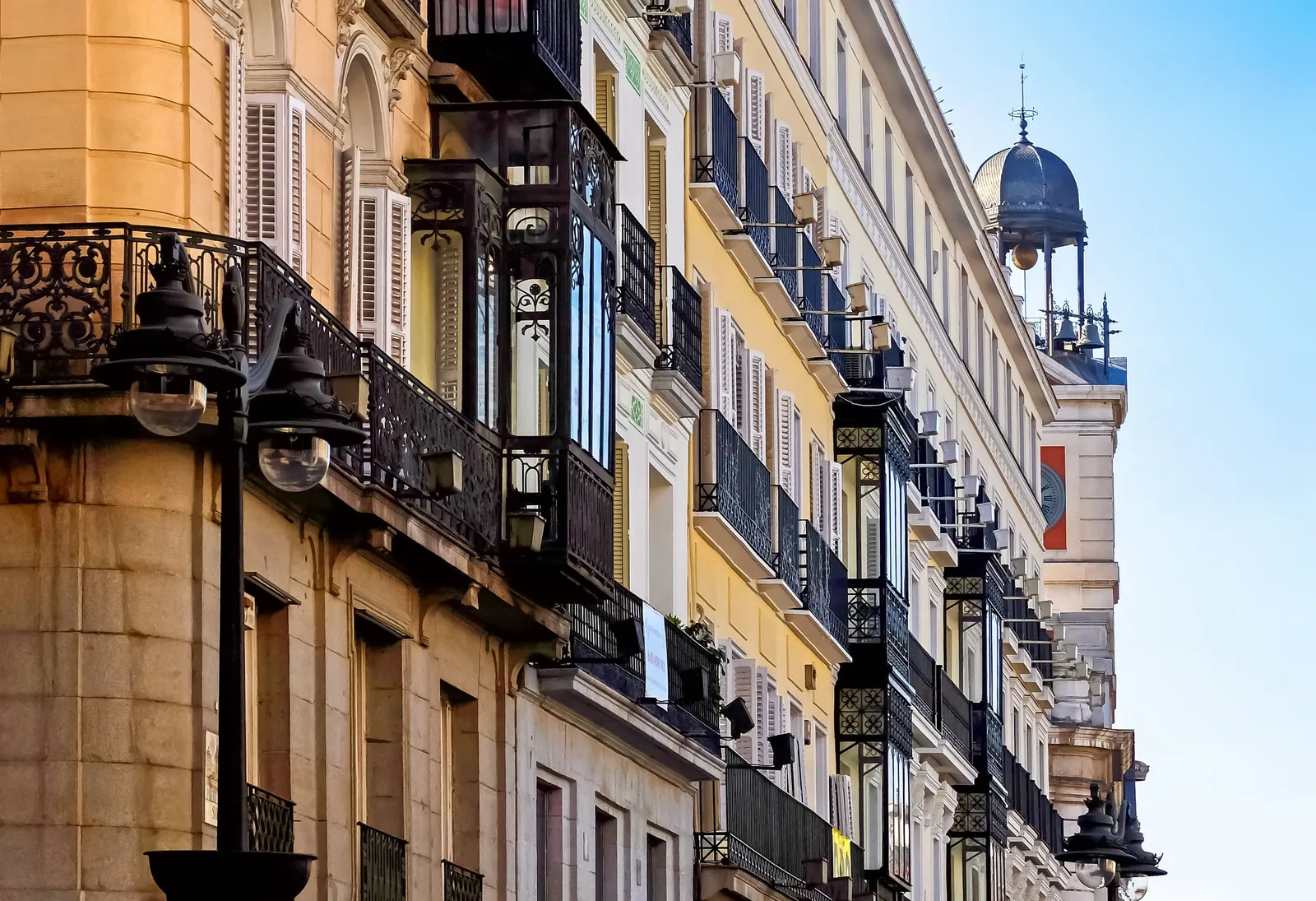
Madrid’s luxury shopping does not sprawl. It sits in a tight grid in the Salamanca district, north east of the Retiro, on streets laid out in the nineteenth century with the width and grandeur of a planned expansion. Locals call it the Milla de Oro, the Golden Mile, and its main advantage over the equivalent districts in Paris or Milan is that it is not a single congested strip. You can actually walk it.
The three streets that matter
Calle Serrano is the spine and the busiest of the three. It runs north from the Puerta de Alcala end of the district and carries the highest density of international flagships alongside Spanish names, with the run between Goya and Jose Ortega y Gasset the most concentrated stretch. It also has the broadest price range: genuine luxury houses sit within a few doors of mainstream Spanish high street brands, which makes it the least intimidating street to browse.
Calle Jose Ortega y Gasset is the shorter cross street and the most concentrated luxury stretch in the city. This is where the highest end designer boutiques cluster, and where you are least likely to find anything at an accessible price point. It is a short walk end to end and worth doing even purely to look.
Calle Claudio Coello runs parallel to Serrano and is the quietest of the three, with a mix of smaller designer boutiques, interiors shops, galleries and jewellers. If Serrano feels like a shopping street, Claudio Coello feels more like a neighbourhood with expensive taste, and it is the one to walk if you want to browse without crowds.
The surrounding side streets, particularly around Lagasca and Velazquez, fill in with independent boutiques, upmarket food shops and cafes, and they are where the district stops performing and starts feeling residential.
Beyond the flagships
Two things are worth knowing if you want more than a brand list. Spanish houses are genuinely well represented here, and buying a Spanish leather goods or fashion label in Madrid is a more interesting purchase than buying a global brand you could buy anywhere. Leather, in particular, remains a Spanish strength.
The district also holds several concept and multi brand stores that carry Spanish designers who do not have their own flagships, and these are frequently more rewarding than the big names for anyone who is not brand shopping. The general shopping landscape across the city, including the very different scenes in the centre and the south, is covered in our Madrid shopping overview.
Tax free shopping, and who actually qualifies
This is the part that generates the most confusion, and the rule is simpler than the internet suggests: eligibility follows your residence, not your passport.
Travellers whose habitual residence is outside the European Union can reclaim Spanish IVA on qualifying goods they export from the EU. Residents of an EU member state cannot, because they are not exporting anything. So an American or Australian passport holder living in Barcelona is not eligible, and an EU citizen who lives in Canada generally is. Residents of the Canary Islands, Ceuta and Melilla are treated as outside the EU VAT territory for this purpose.
Spain removed the minimum purchase threshold that once applied, so a purchase of any value can in principle qualify. The goods must be bought occasionally for personal use or as a gift rather than as a commercial consignment, and they must leave the EU within three months of purchase. Services do not qualify: hotels, restaurants, transport and tickets are all excluded. The Agencia Tributaria publishes the current rules, and that is the source to check rather than a shop’s summary or a refund operator’s marketing.
Stay in Salamanca and shop on your doorstepHotels in the most walkable luxury district in Madrid, minutes from SerranoThe DIVA process, step by step
Ask for tax free at the till and hand over your passport. The shop issues an electronic refund document, the DER, carrying a barcode. Keep it with the receipt and keep the goods unused and in their packaging.
At Adolfo Suarez Madrid-Barajas, scan that document at a DIVA kiosk before you check in any luggage containing the purchases, because customs officers may ask to see the items. A green response means the export is validated electronically and you can proceed to claim your money through whichever refund operator the shop used. A red response sends you to a customs desk for manual checking, which is why leaving this to the last twenty minutes before a flight is a bad idea.
Kiosk locations, terminal coverage and the opening hours of the staffed tax free desks vary, and the airport is large enough that walking to the wrong terminal costs real time. Check the Aena page for your departure terminal in advance. Allow an extra hour on a departure day where a refund matters to you.
On the money itself: the standard IVA rate on clothing and most goods is 21 per cent, but you will not receive that. Refund operators take a commission and cash collection carries an additional charge, so the net return is noticeably lower, and proportionally lower still on small purchases.
When to go and how to get there
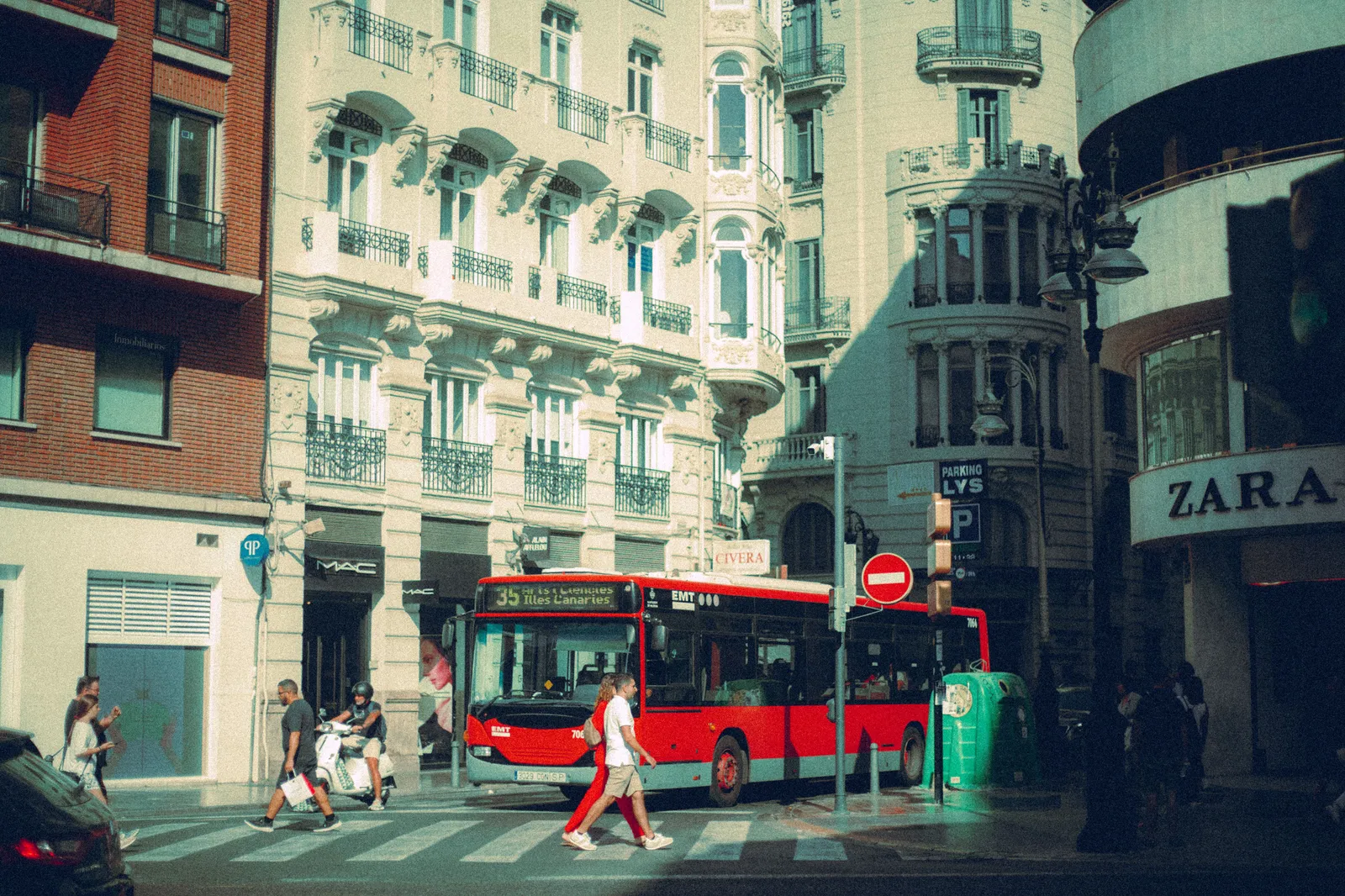
Weekday mornings are the calmest, roughly from opening until early afternoon, and Saturday afternoons are the busiest of the week. Trading hours in the Madrid region are liberalised, and central commercial areas including this one operate under arrangements that permit Sunday and holiday opening, but whether an individual boutique opens is its own decision. Independents in particular often close on Sundays, and some keep a traditional midday break. Check the specific shop if you are making a dedicated trip.
Metro lines serving Serrano, Velazquez and Goya put you within a couple of minutes of the main streets, and the district is an easy walk from the northern side of the Retiro. Salamanca as a place to stay and wander, rather than just to shop, is covered in our neighbourhood guide.
The other end of the spectrum
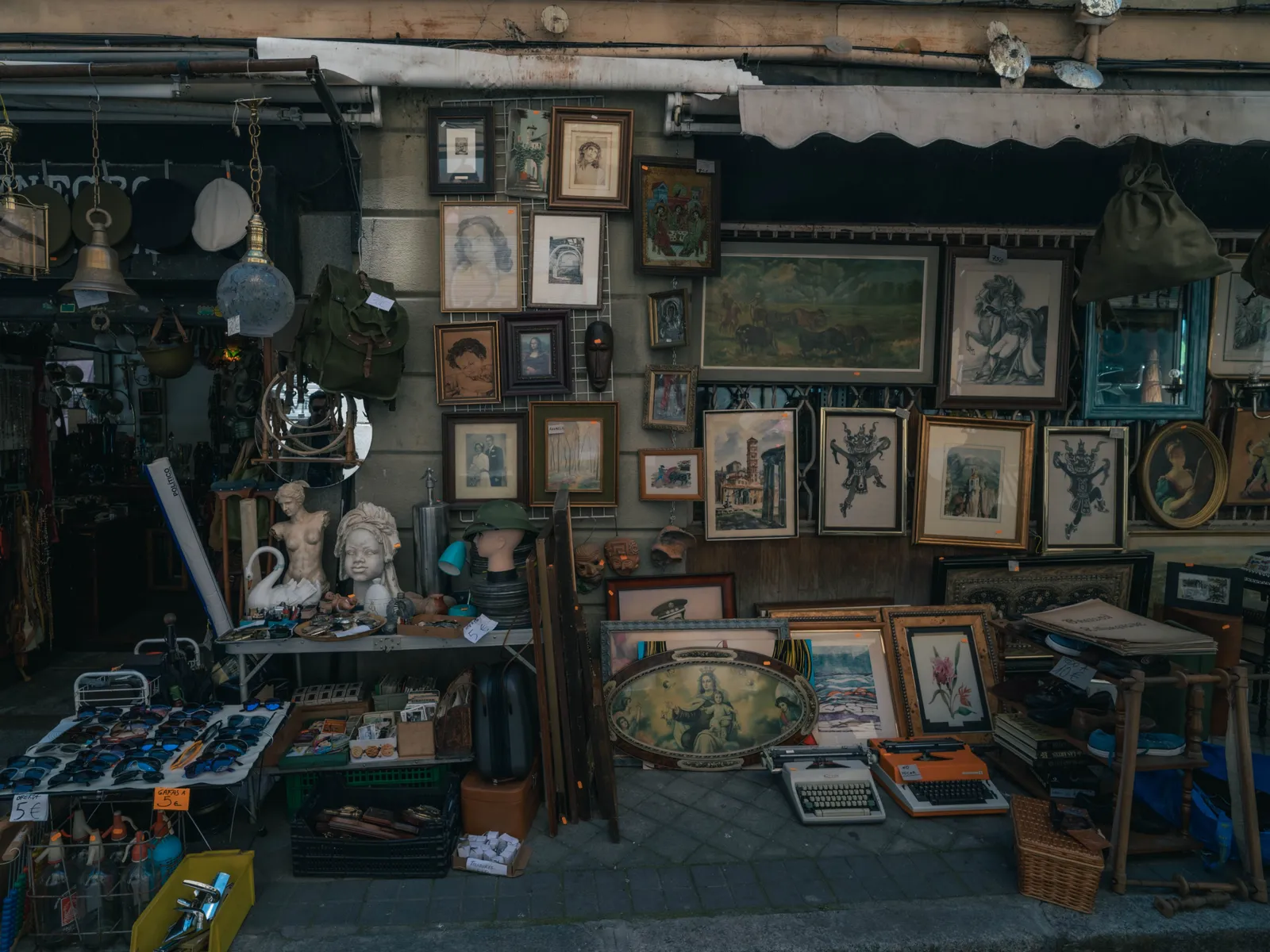
Madrid rewards travellers who shop at both extremes. A morning on Ortega y Gasset and a Sunday morning at the sprawling flea market in La Latina are the same city seen from opposite ends, and doing both gives a far better picture than either alone. The flea market has its own rhythm, its own trading day and its own etiquette, all of which we cover in the El Rastro guide.