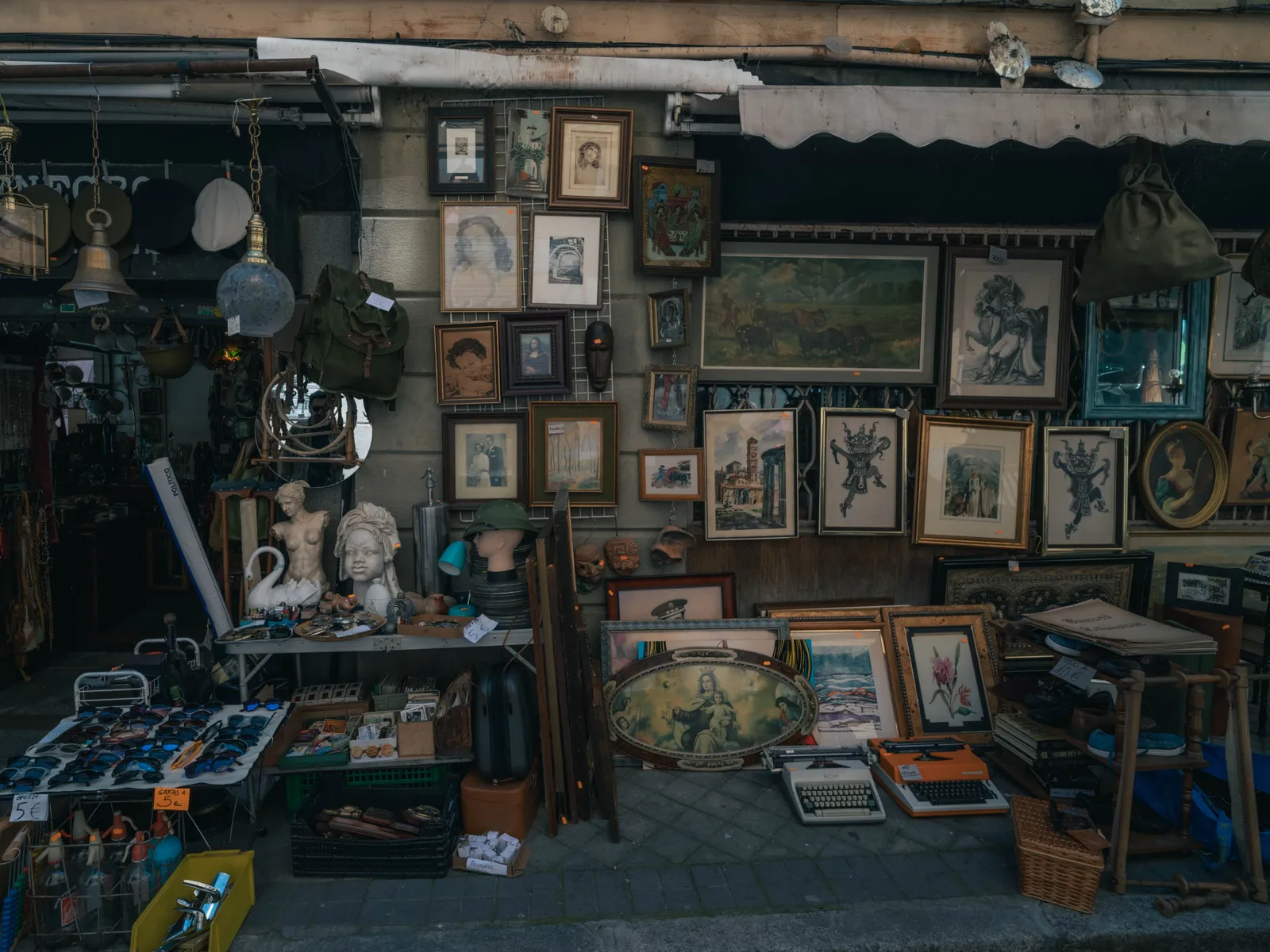
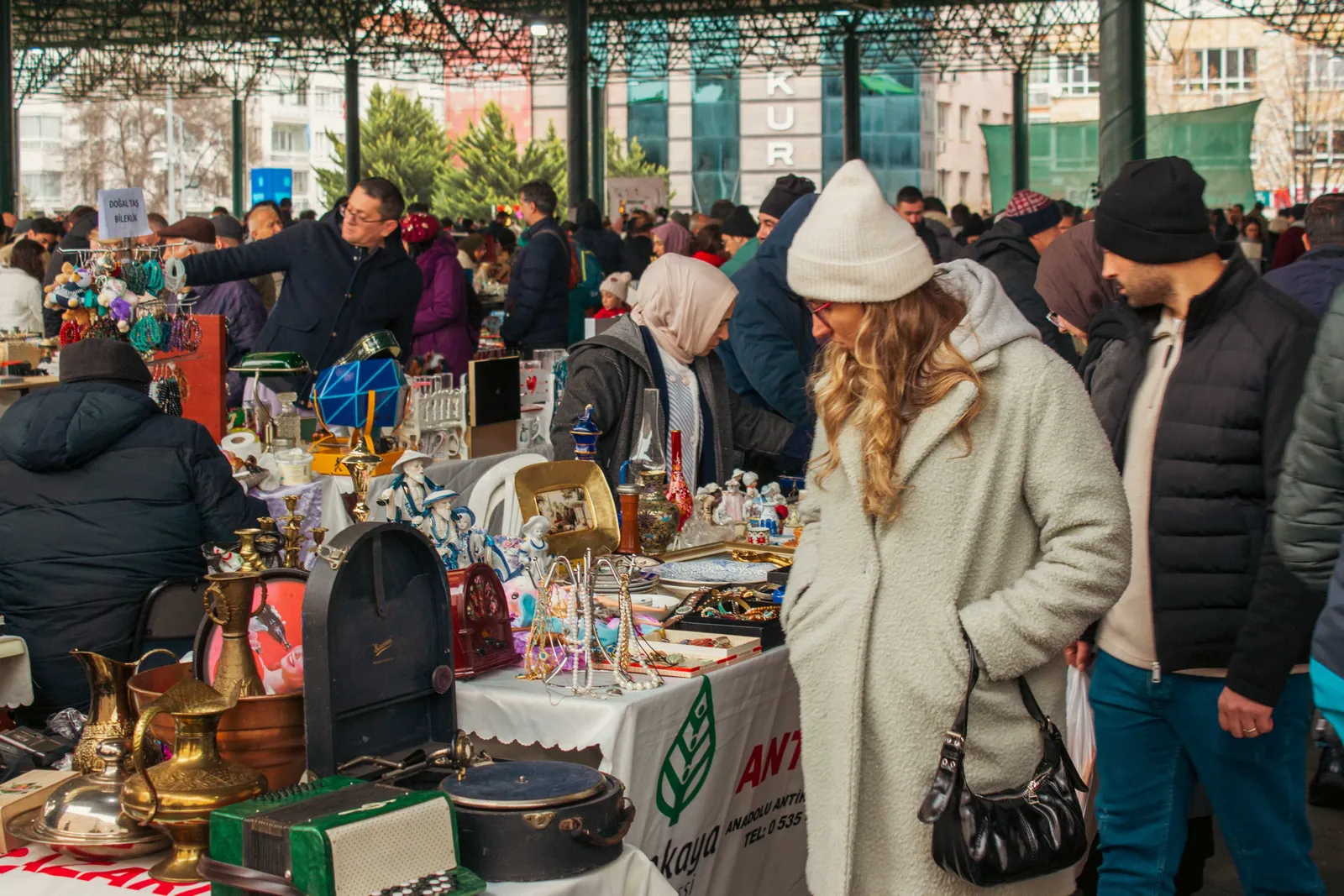
Every Sunday morning, in the streets running downhill from La Latina, several thousand people move very slowly past a few thousand stalls selling things they will not buy. El Rastro has been happening on roughly this spot for centuries, it is free, and it is less a shopping trip than a civic ritual with a definite ending: at about two o’clock it packs up, and everybody walks back up the hill into the bars.
How it works
Sunday mornings and public holidays, from around nine until mid afternoon.
Downhill from La Latina, along a main axis with dozens of side streets feeding into it.
The main street is the worst part: mass produced clothing, phone accessories and a very slow crowd.
The side streets are better: records, books, old postcards, hardware, curiosities.
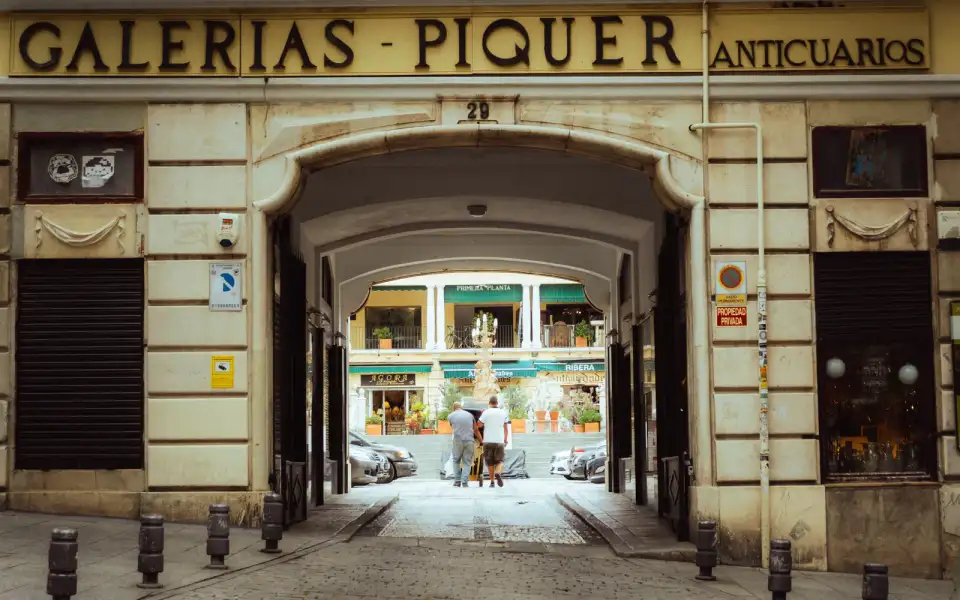
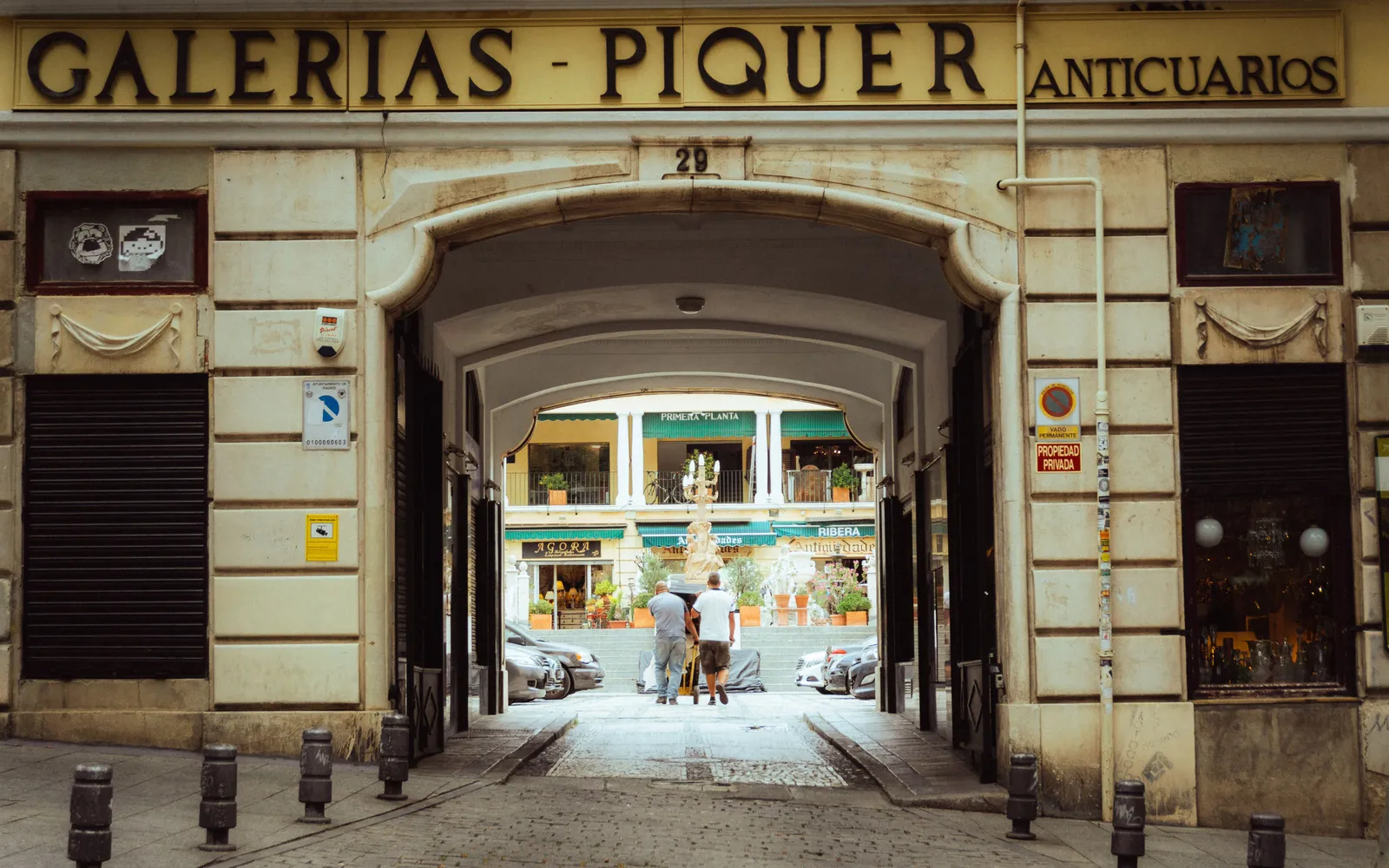
The antique arcades, in covered galleries off the main run, which are the genuinely interesting part and which many visitors never enter.
It ends at two, and the entire crowd moves into the tapas bars uphill.
What is actually worth buying
Old postcards, photographs and prints, which are cheap, light and specific to the city.
Records and books, in real quantity, at the lower end.
Antique hardware, keys, tiles and small objects, from the galleries.
Leather, which varies enormously and which repays a careful look.
Nothing at all, which is what most people buy, and the morning still works.
The food markets
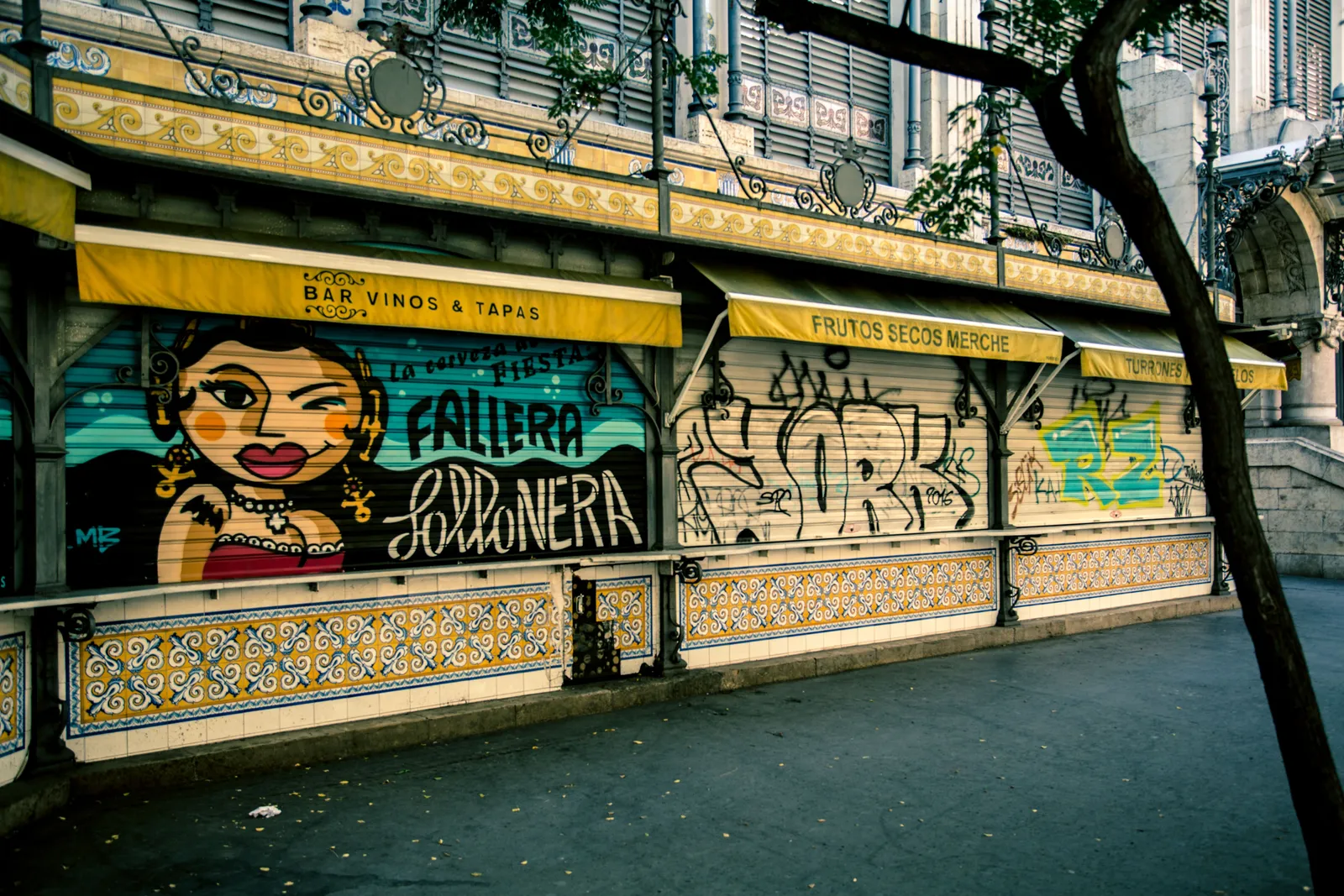
San Miguel, by Plaza Mayor, a beautiful iron building that is now a tapas hall for visitors rather than a market. Worth seeing, not worth eating in.
Antón Martín, central, a genuine working market with excellent counters inside.
Maravillas, in Chamberí, large, local and one of the best food markets in Spain.
La Cebada, in La Latina, traditional and rough edged, with bars in it.
Vallehermoso, smaller, with a strong modern food stall scene alongside the greengrocers.
San Antón, in Chueca, the modern three floor version with a rooftop.
Practical notes
Pickpockets are a genuine and constant issue at El Rastro specifically; treat it as the highest risk hour of your trip.
Cash for the stalls, cards in the galleries.
Do not bring a suitcase or a large bag, since the crowd is dense and slow.
Rain thins it considerably, which is not the worst thing.
Food markets close in the afternoon and most do not open on Sunday.
Haggle on second hand goods and not on new ones.
Where this fits in a Madrid trip
El Rastro is a Sunday morning and it comes with a built in lunch.
For the district it runs through and where else to be in the city, our guide to Madrid’s neighbourhoods covers the map.
For what happens at two o’clock when the market packs up, our La Latina tapas crawl covers the rest of the day.
And for the shops rather than the stalls, our shopping guide to Madrid covers where the real buying is.
The short version
Go at nine rather than at noon, and walk the side streets rather than the main axis. Go into the antique arcades, which are the half of El Rastro with objects in it and which most visitors never find. Haggle on anything second hand and not on anything in packaging. Keep your bag closed and in front of you, because this is the highest pickpocket density in Madrid. And when it packs up at two, walk uphill into La Latina with everybody else, which is the actual point of the morning.