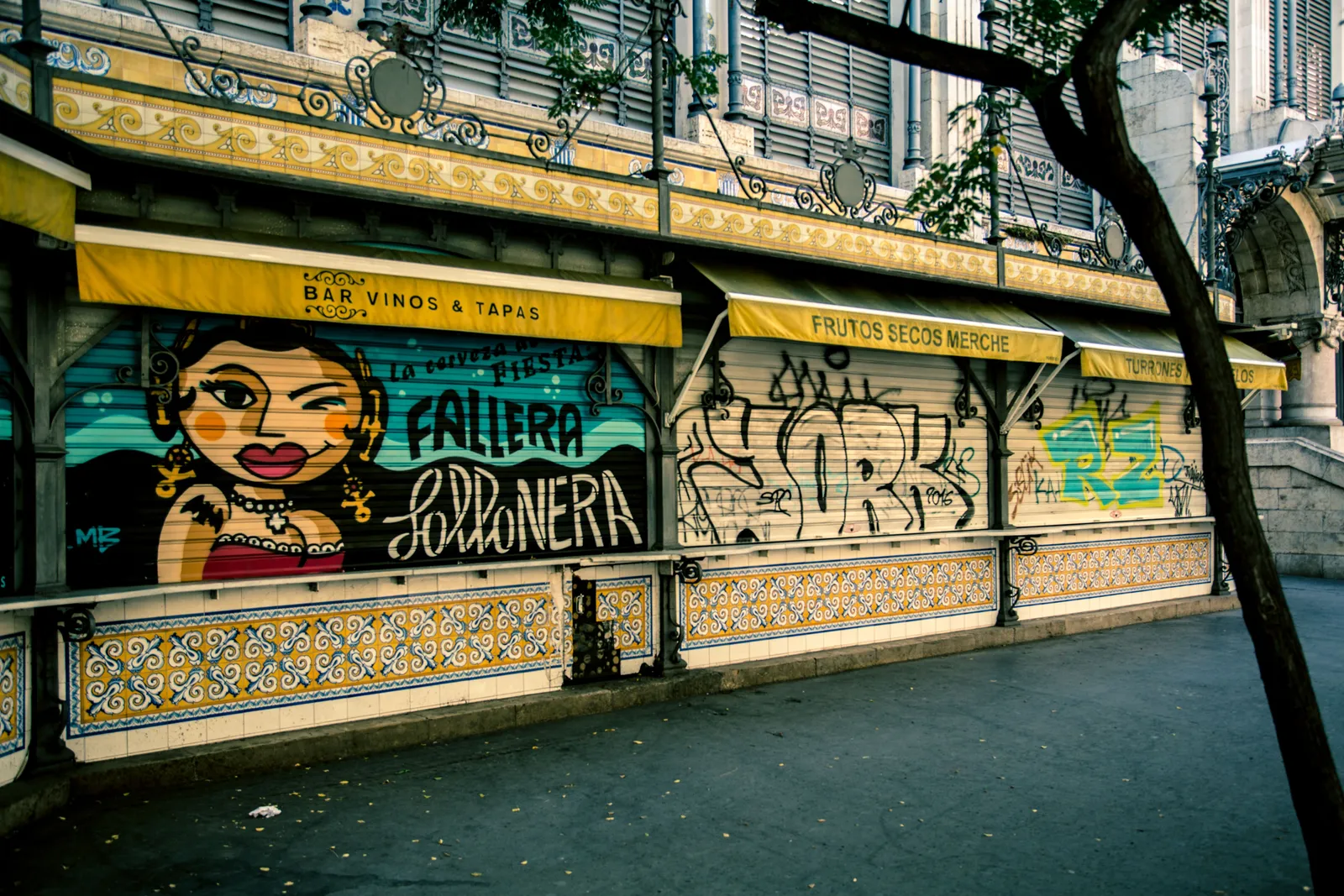
Where you sleep in Madrid matters more than which hotel you pick. The city is a patchwork of distinct barrios, each with its own tempo, and the right one turns your whole trip into a series of easy walks. Choose badly and you spend an hour a day on the metro. This guide walks through the neighborhoods that suit visitors, who each one is for, and how to decide.
The quick answer
If you want the simplest choice for a first trip, stay in or beside the historic center, anywhere between Sol, the Plaza Mayor and the Barrio de las Letras. You will be walking distance from the museums, the palace and the old town, and connected to everywhere else by metro. Everything below is a refinement on that.
Sol and the historic center
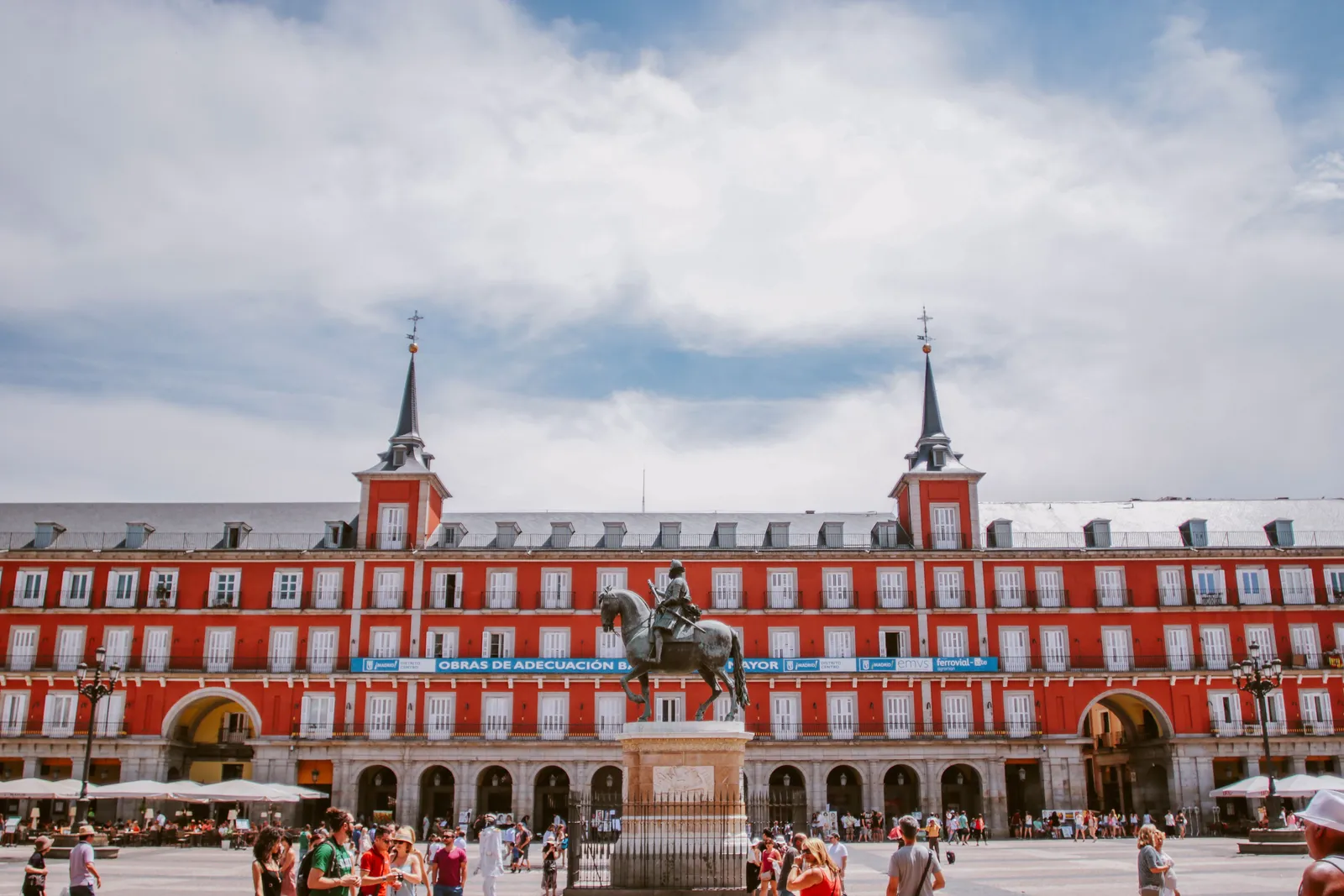
Sol is the literal center of Spain, the point from which the country’s roads are measured, and staying here puts you in the middle of everything. The Plaza Mayor, the Royal Palace, the tapas streets and the museums are all a walk away. The trade-off is noise and crowds: this is the busiest, most touristed part of the city, and the very central streets can be loud at night.
It suits first-timers on a short trip who want to step out of the door into the action and see the icons on foot. Pick a street a block or two off the main squares for a quieter room without losing the location.
Barrio de las Letras and Huertas
Just east of Sol, the Barrio de las Letras, the old literary quarter where Cervantes once lived, is one of the most atmospheric places to stay. Its lanes are lined with tapas bars, bookshops and small hotels, and it sits perfectly between the center and the Golden Triangle of museums, a ten-minute walk from the Prado.
This is the sweet spot for many visitors: central and characterful, close to both the great museums and the nightlife, but a touch calmer than Sol itself. It suits culture-focused travelers and couples who want charm without being in the tourist scrum.
Chueca and Malasaña
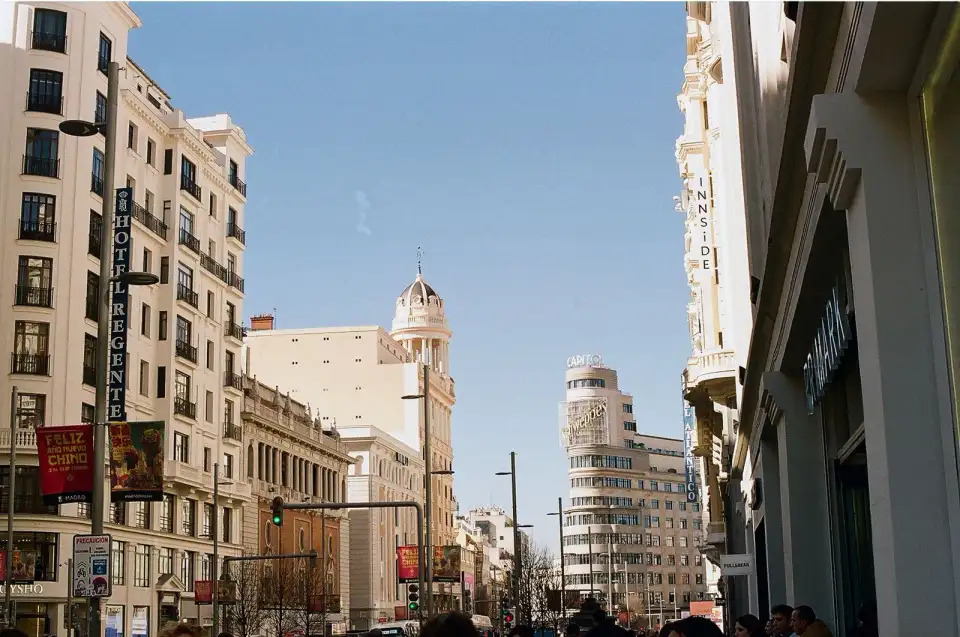
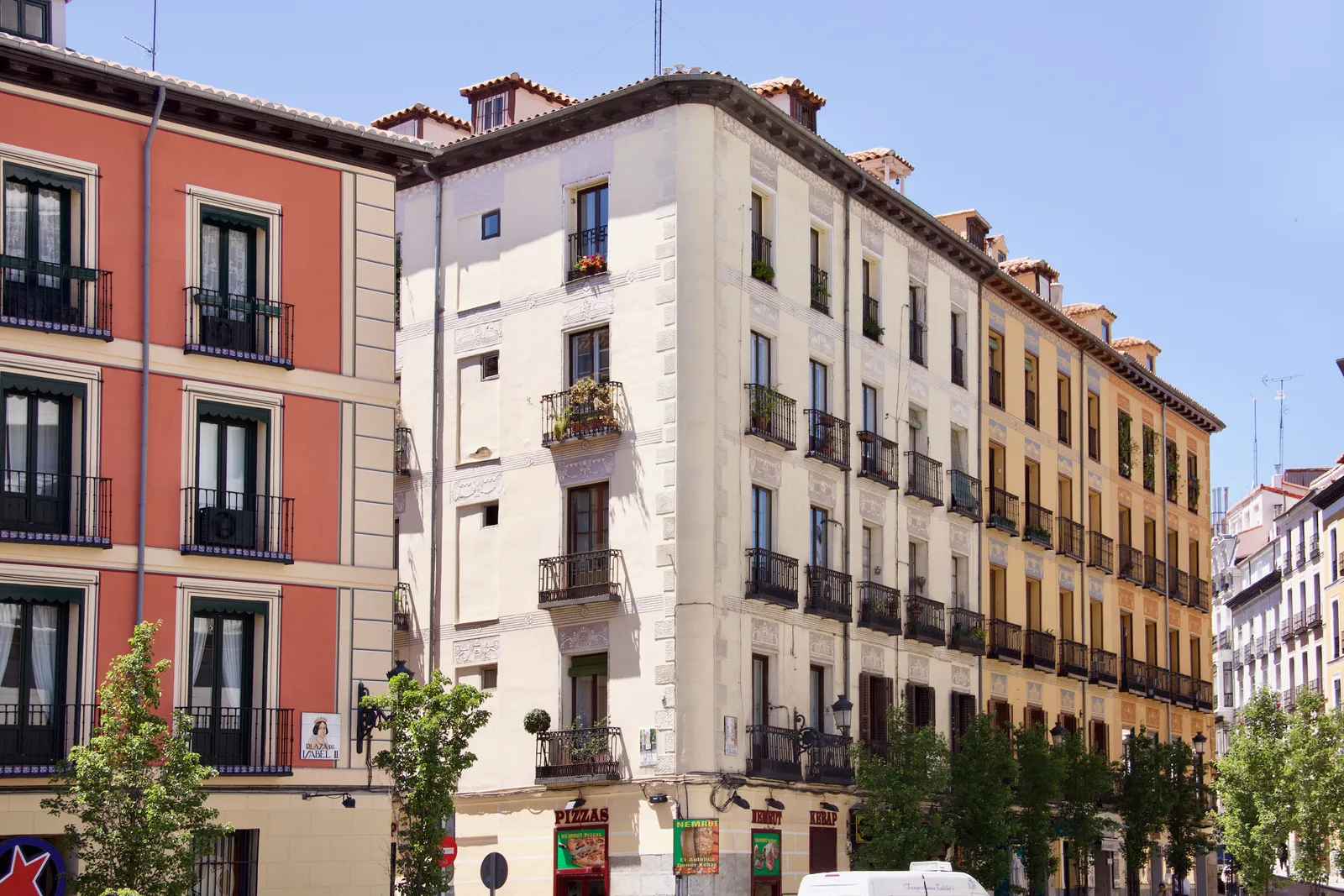
North of Gran Vía, Chueca and Malasaña are where Madrid’s contemporary energy lives. Chueca is the stylish, welcoming heart of the city’s LGBTQ+ scene, full of design shops, brunch spots and a buzzing bar culture. Malasaña, next door, is the bohemian, vintage-and-vinyl quarter, all independent cafes, street art and late nights.
Both are a short walk from the center but feel genuinely local, with more residents than tourists. They suit younger travelers, design-lovers and anyone who wants cafes and bars on the doorstep rather than headline monuments. The trade-off is a slightly longer walk to the museums, though the metro closes the gap.
Find your base in the right barrioCompare central Madrid hotels by neighborhood and priceSalamanca
East of the center, Salamanca is Madrid’s elegant, moneyed district: wide grid streets, grand nineteenth-century apartment blocks, and the city’s densest cluster of luxury hotels, fine dining and designer boutiques. The Golden Mile of high fashion runs through it, and it is quieter and more residential than the old town.
It suits upscale travelers, shoppers and those who value calm and space over old-town character. You are a metro ride or a longish walk from the main sights, but Retiro Park is on the doorstep and the atmosphere is refined.
La Latina and Lavapiés
South and west of the center, La Latina is the soul of old Madrid, a tangle of medieval streets that comes alive on Sundays with the El Rastro flea market and an epic tapas crawl along Cava Baja. Neighboring Lavapiés is the city’s most multicultural quarter, gritty, creative and full of the best-value ethnic food in town.
La Latina suits food-lovers and atmosphere-seekers who want to be where the eating and drinking happens, especially on weekends. It can be lively and loud, which is exactly the point.
Chamberí and the quieter north
If you are staying longer, or want to feel like a resident rather than a visitor, Chamberí to the north is a handsome, largely local district of tree-lined streets, traditional markets and neighborhood restaurants, with excellent metro links but few tourists. It trades proximity to the sights for authenticity and value, and many repeat visitors come to prefer it.
How to choose
Match the barrio to your trip. For a short first visit, stay central: Sol, the Barrio de las Letras or Huertas. For cafes, bars and local life, choose Chueca or Malasaña. For luxury and shopping, pick Salamanca. For food and old-town atmosphere, base in La Latina. For a longer, quieter stay, look at Chamberí. Whatever you choose, the metro ties it all together, so no central-ish neighborhood is ever truly far.
Book early in the shoulder seasons, when the best-value central rooms go weeks ahead, and check current rates for your dates, since prices in euros move with the season and any big event in town. Read our first-timer guide for the wider planning picture.
The barrios side by side
| Barrio | Best for | The trade-off |
|---|---|---|
| Sol and the centre | First trips, seeing everything on foot | Busiest and noisiest |
| Barrio de las Letras | Culture, couples, museums within a walk | Popular, so book early |
| Chueca and Malasana | Cafes, bars, local energy | Loud at weekends, museums a walk away |
| Salamanca | Comfort, shopping, calm | Priciest and least atmospheric |
| La Latina and Lavapies | Food, old-town character | Very lively, especially Sundays |
| Chamberi | Longer stays, families, value | Fewer sights on the doorstep |
Noise, and the thing reviews complain about most
Madrid stays out later than almost any capital in Europe, and this is the single practical fact that should shape which room you book, not just which barrio.
From Thursday to Sunday the central streets are busy well past the point where most visitors want to sleep, and a room on a narrow street lined with bars is a room above a party. The fix is cheap and reliable: ask for an interior room, facing the courtyard that nearly every old Madrid building is built around, and read recent reviews for the word noise rather than the overall score.
Being one street back from a famous square costs you nothing in walking time and changes the night entirely. Air conditioning matters here too, because in summer the alternative to a closed window is the street.
Getting around from wherever you land
No visitor-friendly barrio in Madrid is genuinely far from another, which is why this decision is about atmosphere rather than logistics.
The metro is extensive, cheap, clean and easy to navigate by line colour and number, and it reaches the airport directly. The centre is also compact enough that most days end up being walked rather than ridden, and the walk between Sol, the Letras quarter and La Latina is a matter of minutes.
Two things worth factoring in. Hills and hard pavements are real, and a week here is hard on shoes and feet, so comfort beats style. And taxi ranks and ride-hailing are plentiful and reasonably priced, which makes a late night out from a quieter barrio perfectly workable.
What a base actually costs
Madrid is cheaper than most Western European capitals for what you get, and the spread between barrios is more about style than about price alone.
Salamanca sits at the top, where you pay for space, quiet and polish rather than location. The centre, from Sol through the Letras quarter, is priced for its walkability and swings hard with the season. Malasana and Chueca are broadly mid-range with a lot of small, design-led places. La Latina and Lavapies run cheaper for the same distance from the sights, and Chamberi is the value pick for anyone staying more than a few days.
Two patterns move the number more than the postcode. Season: spring and autumn are when Europe wants Madrid, and the same room can cost noticeably more in May than in February. Events: a major football fixture, a big conference or a festival weekend lifts prices across the whole city, not just near the venue.
Rates are in euros and change constantly, so compare for your exact dates rather than trusting any figure written months earlier, ours included.
Hotels, hostales and apartments
Madrid offers a wider range of places to sleep than a standard hotel search suggests, and the type of place matters almost as much as the barrio it sits in.
Hotels cover the full span, from international chains along the Castellana to small design-led places in Malasana and Chueca. The ordinary mid-range city hotel here is reliable rather than memorable, and it is rarely the best value on the street.
Hostales, which are not hostels, are a Spanish institution and the quiet bargain of the centre: small, usually family-run guest houses occupying a floor or two of an ordinary residential building, with private rooms, often extremely central, clean and inexpensive. They are the least visible option to anyone searching only the big booking sites, and the one most likely to put you a minute from Sol for the price of a room much further out.
Apartments suit longer stays and families, and a kitchen fits a city where dinner starts late. The caveat is regulatory: Madrid has tightened its rules on short lets and the legal supply is smaller than it was, so check the licence status of a listing before you pay, and check the lift while you are at it.
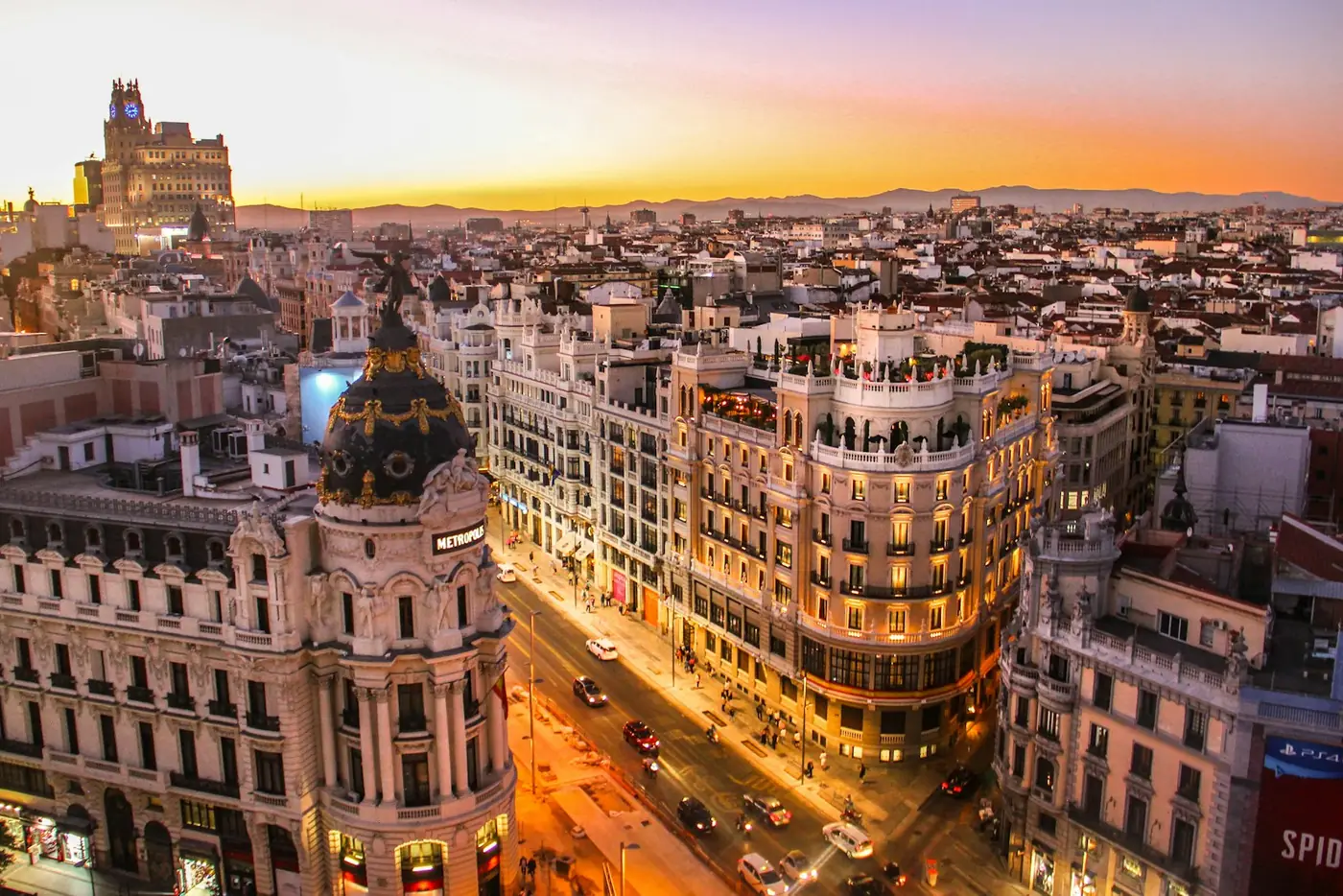
Rooftop hotels are a genuine Madrid speciality, because the skyline and the evening light here are worth paying for, and a terrace at the end of a hot day is the correct way to close one.
Basing yourself for the evenings
For a lot of visitors the barrio choice is really a question about the night, since Madrid does its evenings better than almost anywhere.
If going out is the point of the trip, staying in or beside Malasana, Chueca or La Latina means walking home rather than planning a route, and each of those three offers something quite different after dark. If you want the atmosphere without the volume, stay one barrio over: the walk is short and the sleep is better.
There is a gentler version of the same pleasure. Madrid’s rooftops and high terraces are one of the city’s great habits, several of the best sit on top of hotels you could be staying in, and where you stay decides how easily you fall into the habit; our guide to Madrid from above picks out the terraces worth the climb, including the ones that cost nothing.
The short version
In Madrid, location is everything. Stay central for a short trip, pick Chueca or Malasaña for local buzz, Salamanca for polish, La Latina for food, and Chamberí for a quieter, more resident feel. Get the barrio right and the whole city opens up on foot.
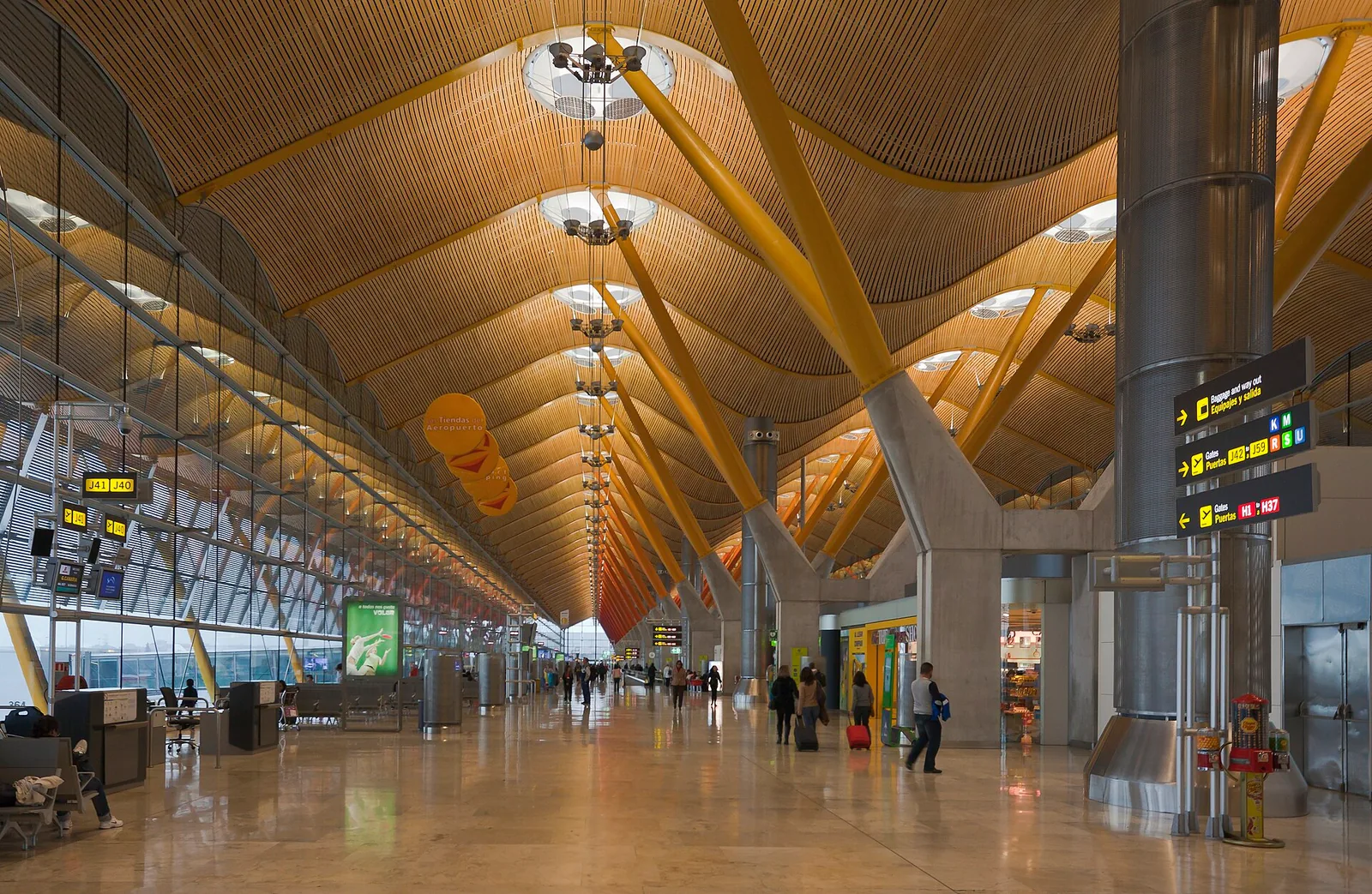
And the barrio you choose changes the arrival too, since the four ways in from Barajas suit different parts of the city; our guide to Madrid airport transfers compares them.