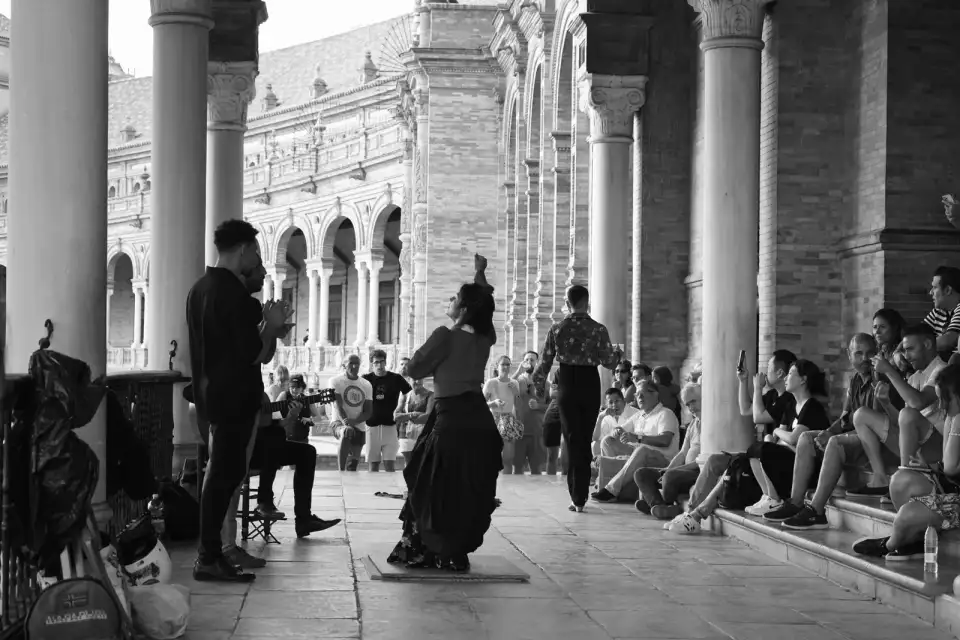
Flamenco did not come from Madrid. It came from Andalusia, from Seville and Cadiz and Jerez, and anyone who tells you otherwise is selling something. What Madrid has instead is the profession. The commercial tablao took its modern shape in this city in the mid twentieth century, the national dance and music institutions are here, and every performer with a career eventually has to work in the capital. The result is that the best flamenco you can see on a given Tuesday in Spain is often in Madrid, which is a strange fact and a true one.
What you are watching
The singer, who is the centre of the art form even though the dancer gets the attention.
The guitarist, playing something considerably harder than it sounds.
The percussion, from a box drum, hand claps and the dancer’s feet, all of which are instruments.
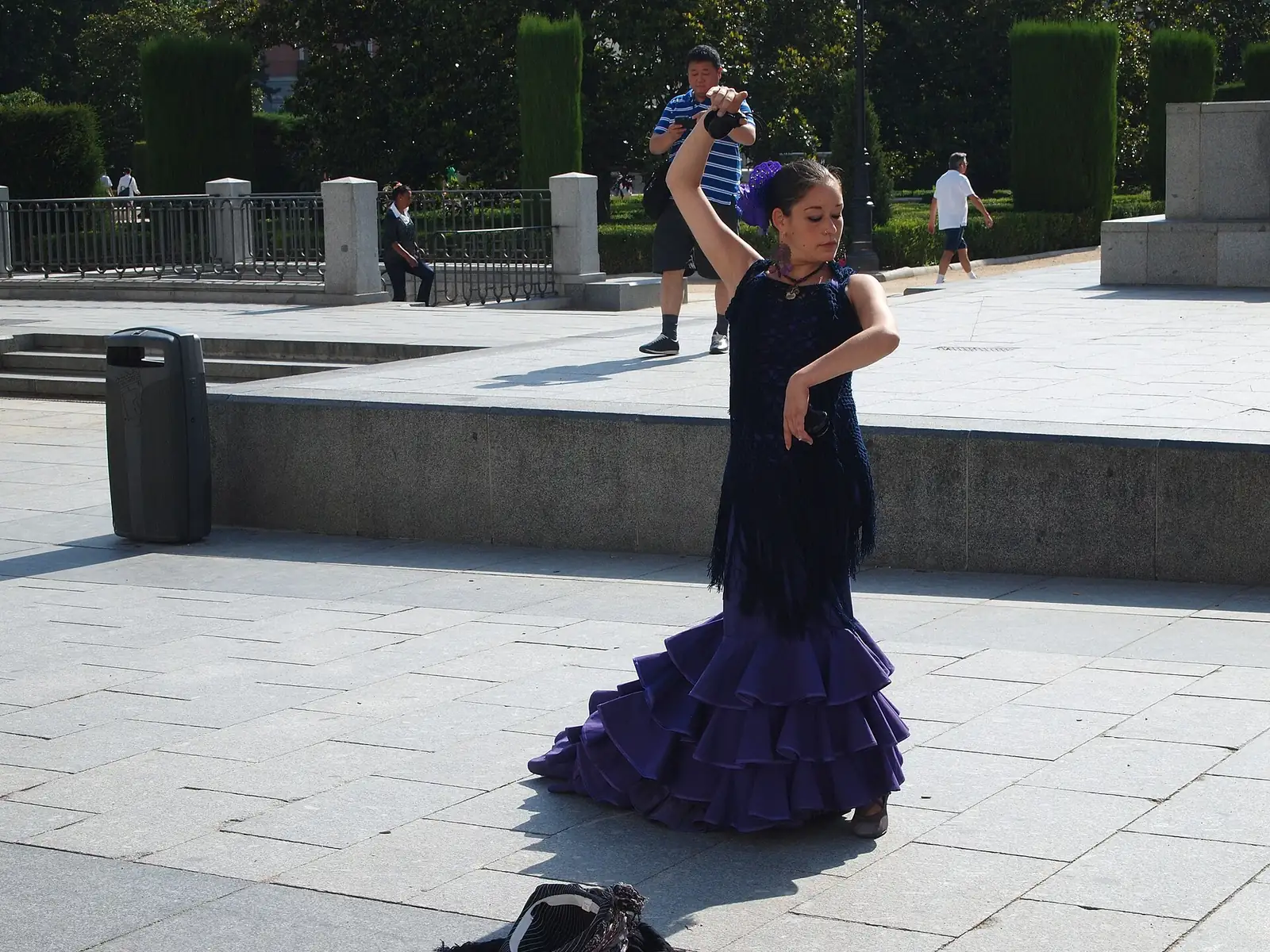
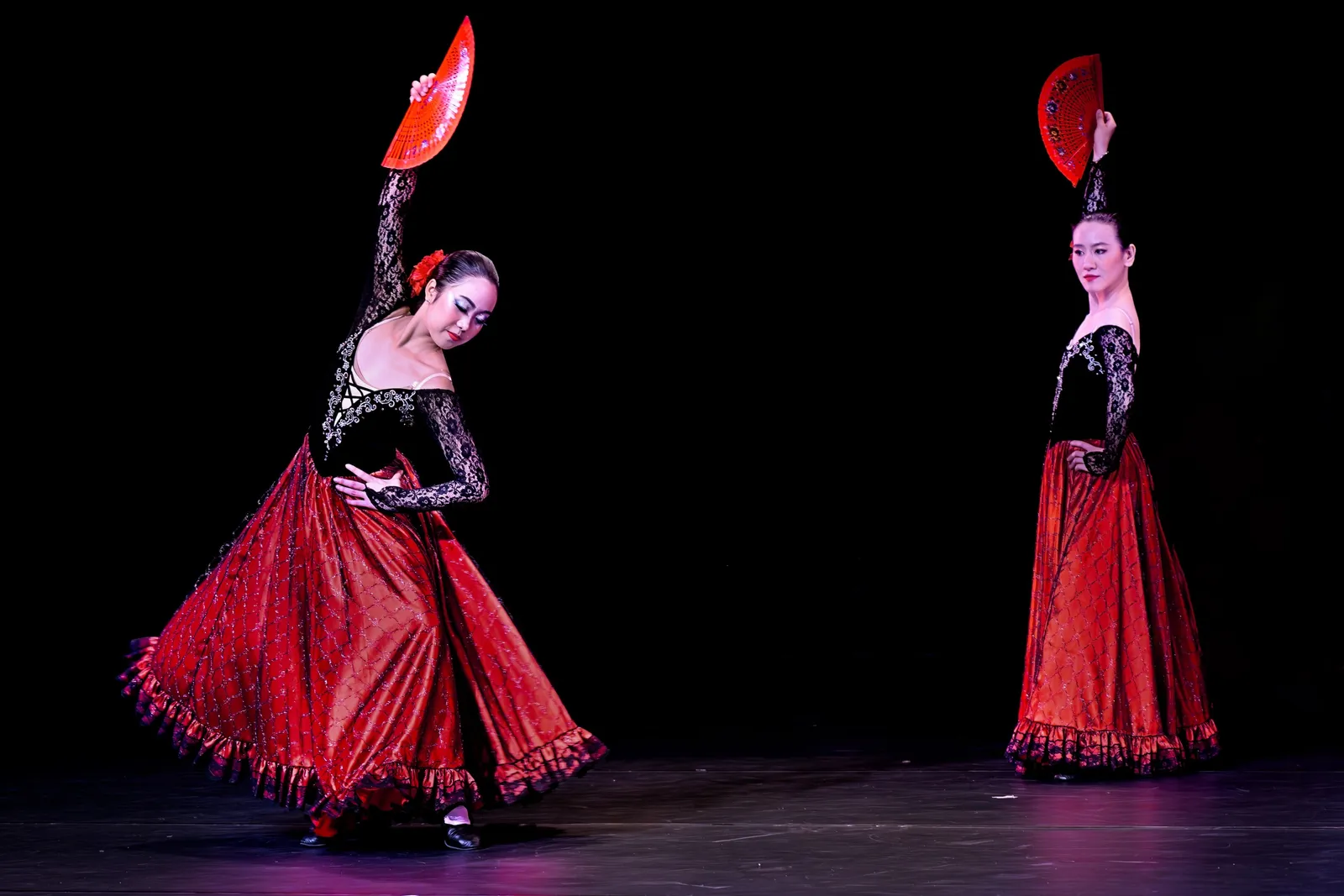
The dancer, whose footwork is rhythm rather than decoration.
The palos, the different forms, which range from celebratory to close to grief.
Improvisation, which is why two performances by the same company are not the same show.
How to tell the rooms apart
A programme naming the artists by date is a music venue.
A programme leading with a set menu is a restaurant that also has a stage.
A wooden stage and a small room are what the art form needs.
No microphones on the feet, in the better rooms, because the wood does the work.
A late show, which tends to have the smaller and more serious audience.
Prices quoted for the performance rather than per person including dinner.
Where to look
The old quarter and Lavapies, where several long established rooms are.
Theatres, which programme touring flamenco productions on a larger scale.
Cultural centres, which run cheaper and less polished performances worth knowing about.
Festivals, particularly around the city’s own festival period, when free outdoor performances happen.
Guitar workshops and record shops, where the people behind the counter know what is on this week.
Practical notes
Book ahead for weekends and high season, because the rooms are deliberately small.
Direct booking is generally cheaper than a reseller and gives you the seat choice.
Photography is usually restricted during the performance and enforced politely.
Dress is normal; nobody expects anything in particular.
It is loud, genuinely, in a small room, which matters if you are sensitive to that.
Arrive early if seating is unallocated, because the front rows go first.
Where this fits in a Madrid trip
One evening, booked in advance, ideally with dinner afterwards rather than during.
For how eating actually works here and when the city sits down, our guide to Madrid food and tapas covers the timetable.
For the crawl to do before or after a late show, our La Latina tapas guide covers the counters.
And for the week when flamenco spills into the streets for free, our guide to San Isidro and the Madrid festivals covers the calendar.
The short version
Accept that flamenco is Andalusian and enjoy the fact that the professionals all end up here anyway. Choose a venue that advertises its artists rather than its set menu, book direct, take the late show and pay for a seat near the front instead of for the dinner. Eat afterwards at a proper restaurant at a Spanish hour. Watch the singer as well as the dancer, listen to the feet as percussion, and if the city’s festival week falls in your dates, see it outdoors for nothing first.