Madrid eats late, eats often and eats in company. It is not a city of famous single dishes so much as a place that pulls in the best of every Spanish region and serves it across a long, sociable day. Get the rhythm right and eating here is one of the great pleasures of the trip. Get it wrong and you end up with a photo-menu paella by a plaza. Here is the short course on eating well.
Eat on Madrid time
Nothing marks out a visitor like an early dinner. Locals eat lunch from around two, and it is the big meal of the day. Dinner rarely starts before nine and often runs later, especially in summer. Between the two sits the sacred institution of the aperitivo, a vermouth and a small plate in the late morning or early evening.
Lean into it. A late breakfast of coffee and toast, a long lunch built around the menú del día, the set three-course midday meal with a drink for a fixed price and one of Europe’s best food deals, then tapas and drinks that drift into a late dinner. Fighting the schedule only leaves you eating alone in empty rooms.
The dishes Madrid calls its own
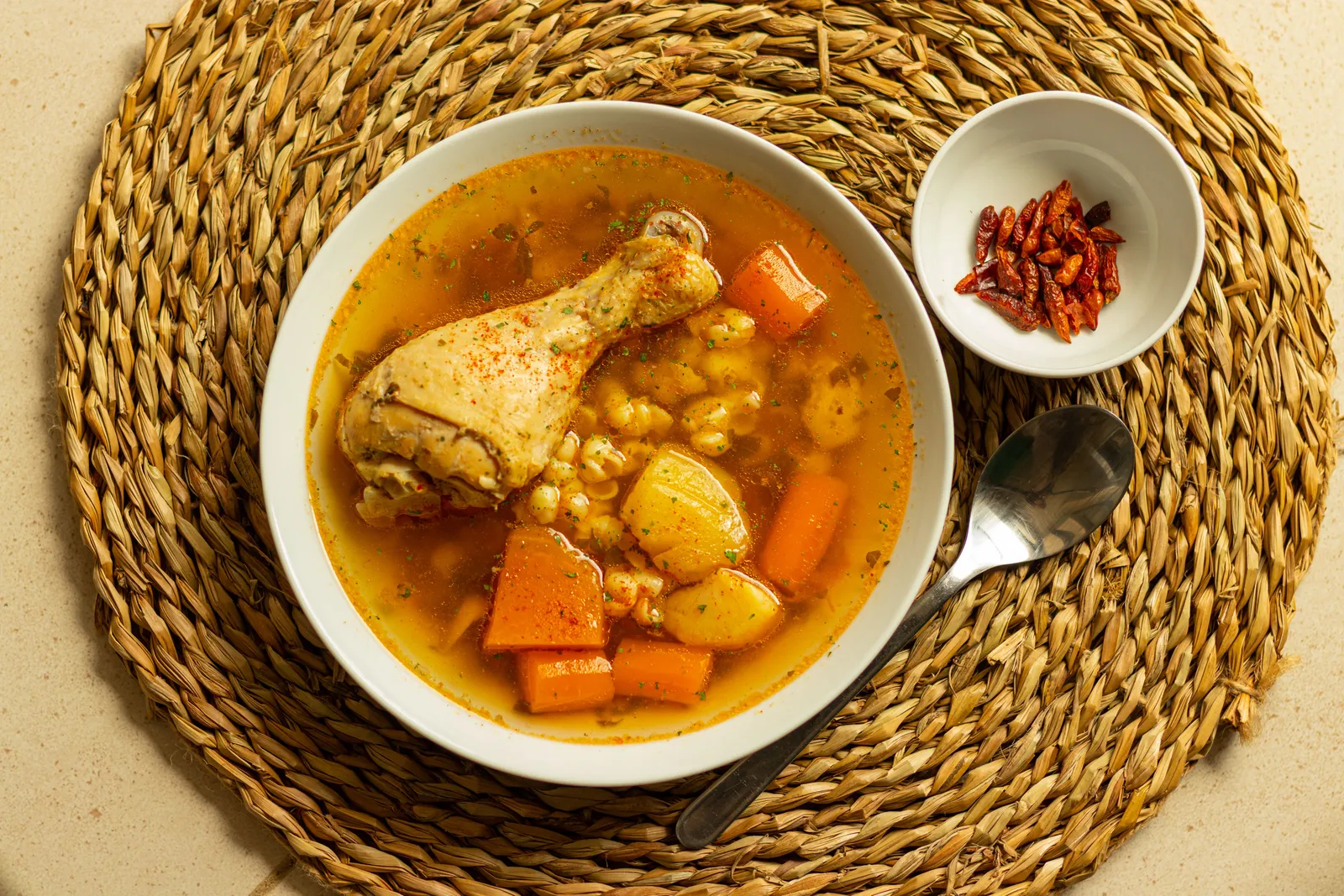
For a landlocked city, Madrid eats surprisingly well from the sea, but its true signatures are hearty and warming. Cocido madrileño is the king: a slow-cooked chickpea, vegetable and meat stew served in courses, the broth first as a soup, then the chickpeas and meats, a full winter feast in a bowl. Order it at an old, unfussy restaurant and set the afternoon aside.
Then there is the bocadillo de calamares, a crusty roll stuffed with fried squid rings, best eaten standing near the Plaza Mayor. Add the national staples done Madrid-style: tortilla de patatas, the thick potato omelette, ranked hotly by locals on how runny it should be; jamón ibérico, the great cured ham; croquetas; and callos a la madrileña, a rich tripe stew for the brave.
The tapas crawl, done right
Tapas in Madrid is a verb more than a noun. The idea is movement: one or two plates and a drink at a bar, then on to the next, three or four stops in an evening. Do not sit down and order a table full of dishes at one place; you will eat worse and miss the point.
The great crawls happen in a few neighborhoods. La Latina, and above all the streets around Cava Baja, is the classic, packed and joyous on a Sunday after the El Rastro market. Huertas and the Barrio de las Letras deliver a dense run of bars between the center and the museums. Order the house specialty at each stop, whatever the counter is proudest of, and let the barman steer you.
The markets
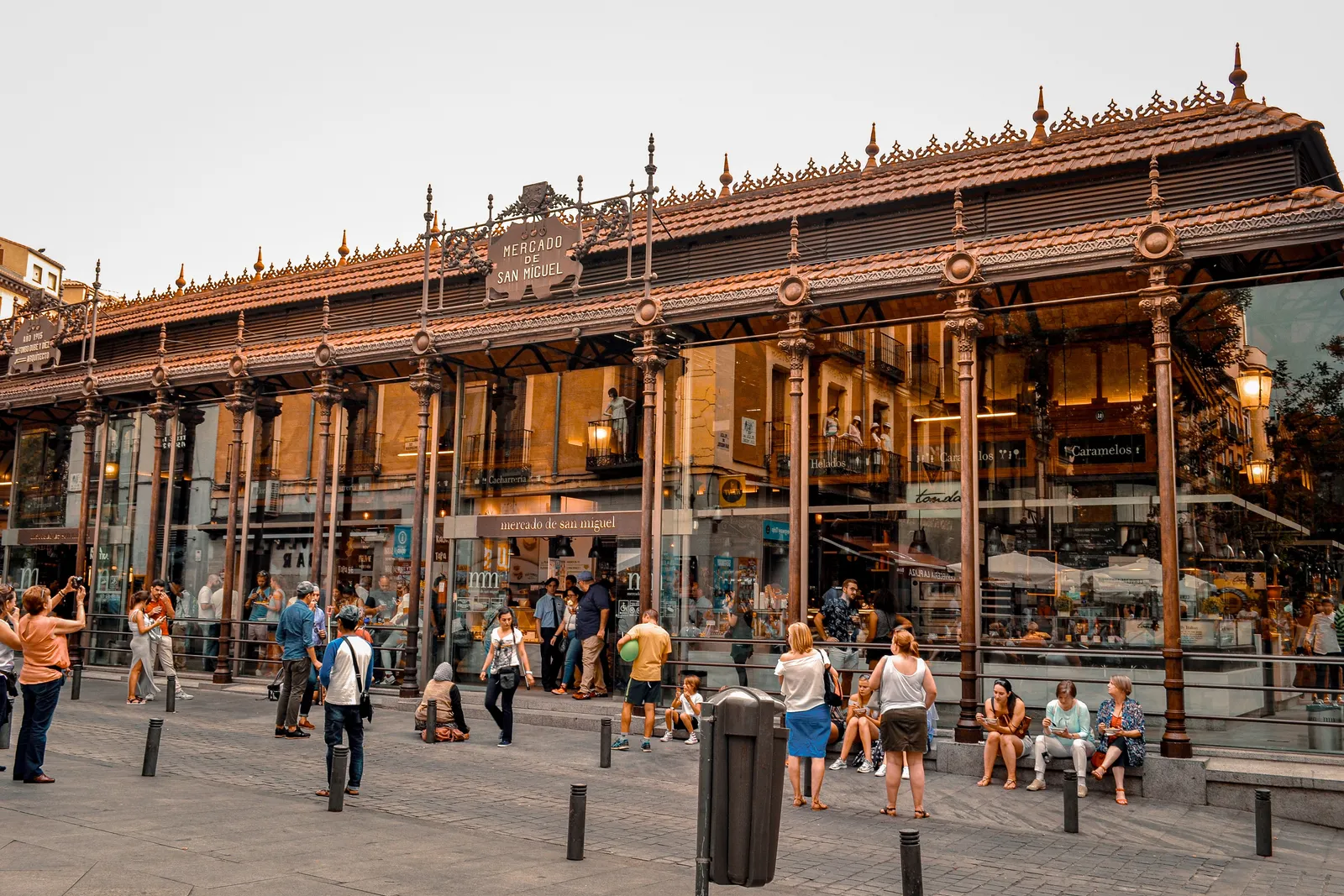
Madrid’s covered markets range from polished showpiece to working local. The Mercado de San Miguel, a beautiful glass-and-iron hall by the Plaza Mayor, is gorgeous and worth a browse, but it is now a tapas hall for visitors rather than a working market, and it is touristy and not cheap, so see it rather than plan a meal around it. For something more local, the Mercado de San Antón in Chueca and the Mercado de la Cebada in La Latina mix everyday stalls with places to eat and drink.
Markets are a low-risk way to graze widely: a slice of tortilla here, a few oysters or croquetas there, a glass of wine to wash it down. They are also the best place to buy jamón, cheese and olives to take home, once you have confirmed the customs rules for your route.
Sweet Madrid: churros and cafes
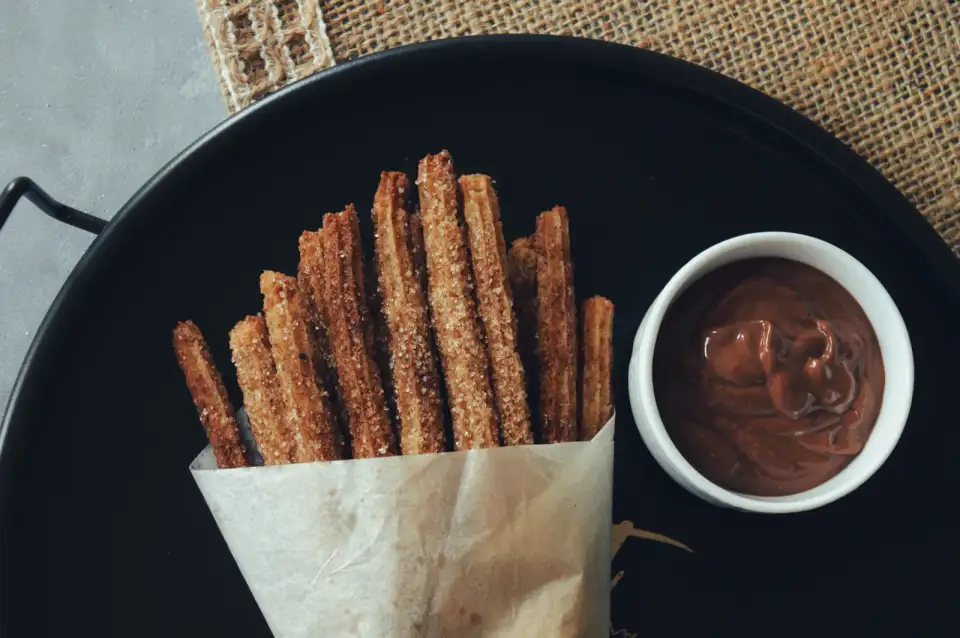
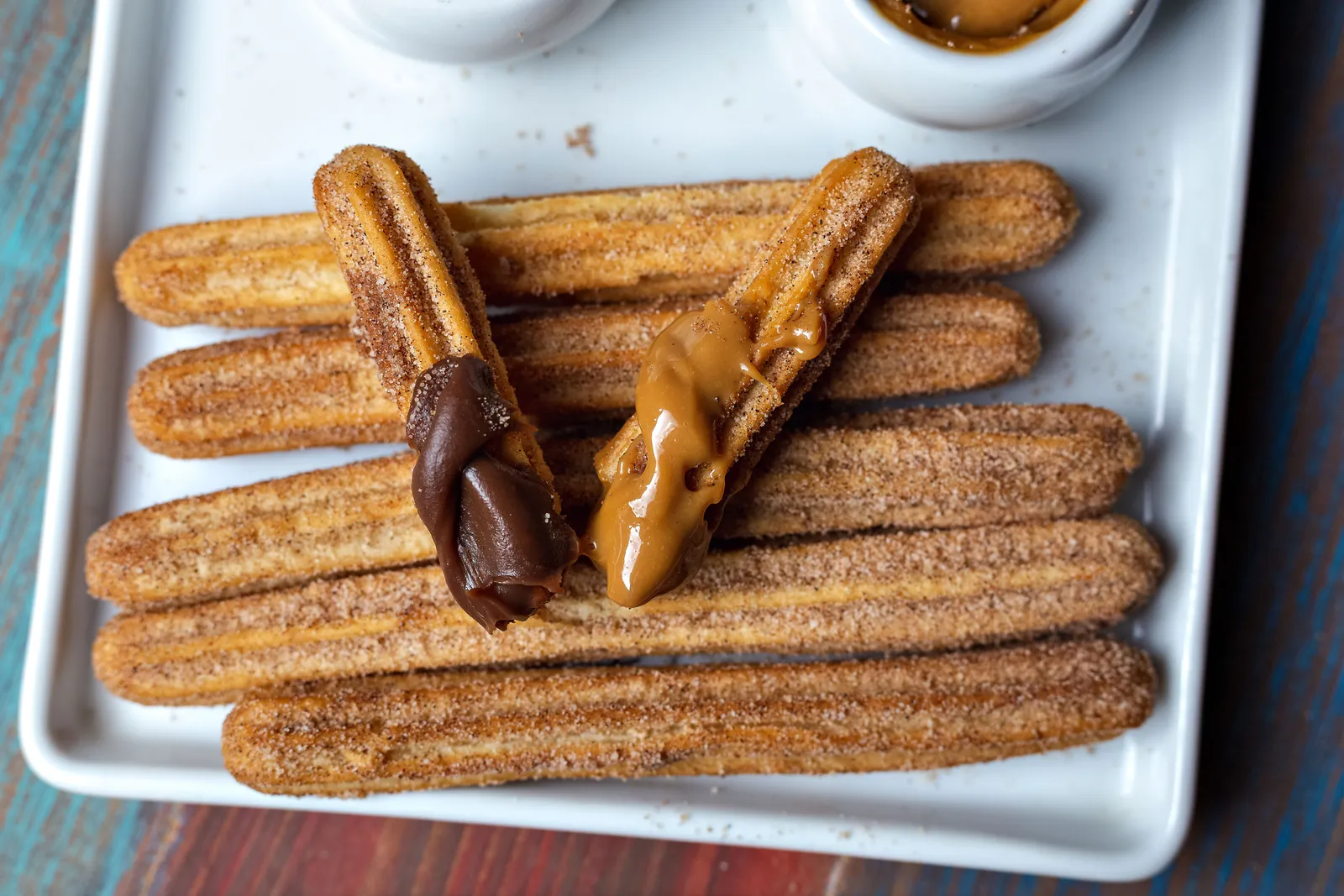
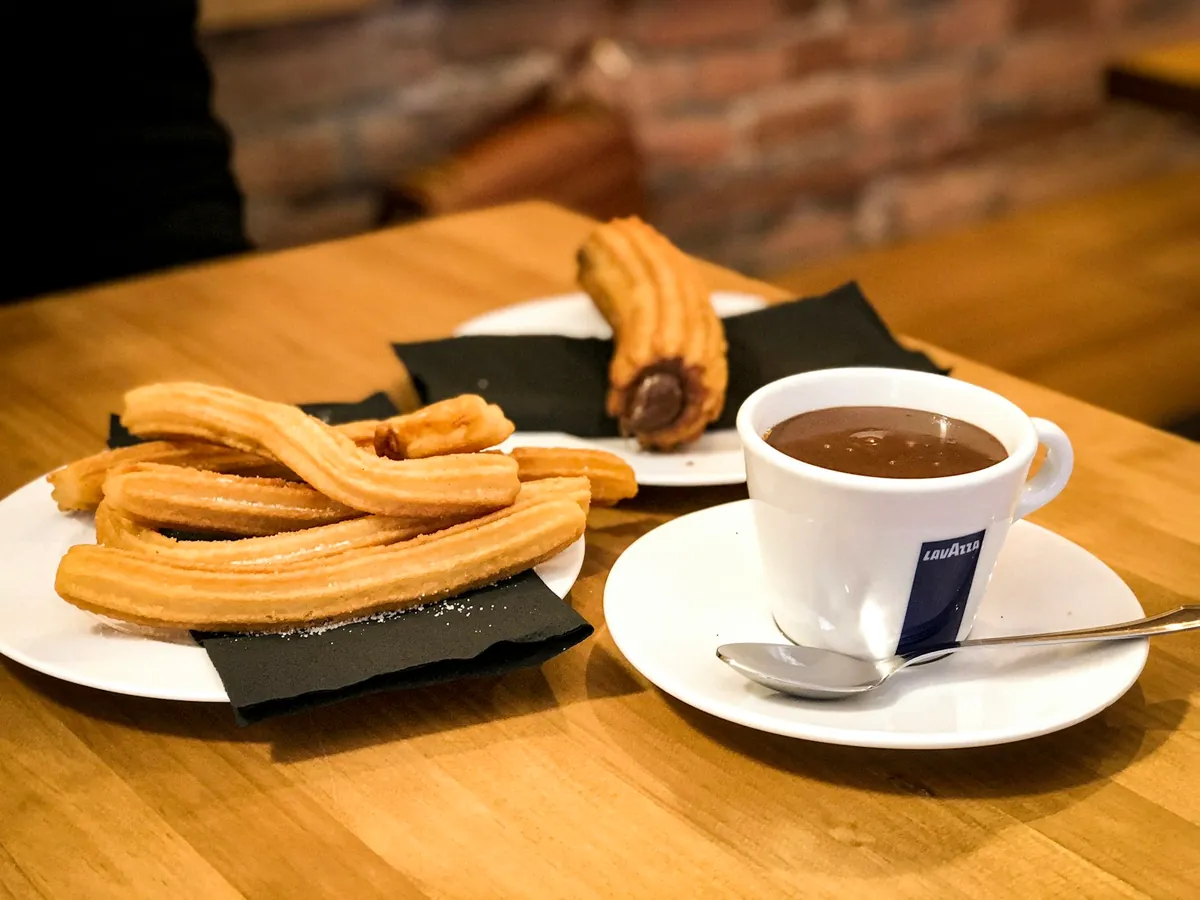
No trip is complete without churros con chocolate, ridged sticks of fried dough for dunking in a cup of chocolate so thick it is nearly a pudding. The historic chocolaterías near the center serve them around the clock, and locals eat them at breakfast, again as the late-afternoon merienda around five or six that bridges the long gap to a nine o’clock dinner, and as a very late-night restorative after a long evening out. The merienda is the hour Madrid itself turns up, and the one visitors miss.
Madrid also keeps a proud tradition of grand old cafes, marble-and-mirror rooms where writers once argued for hours over a single coffee. Give one an unhurried morning; it is one of the city’s quiet pleasures.
How to avoid the tourist traps
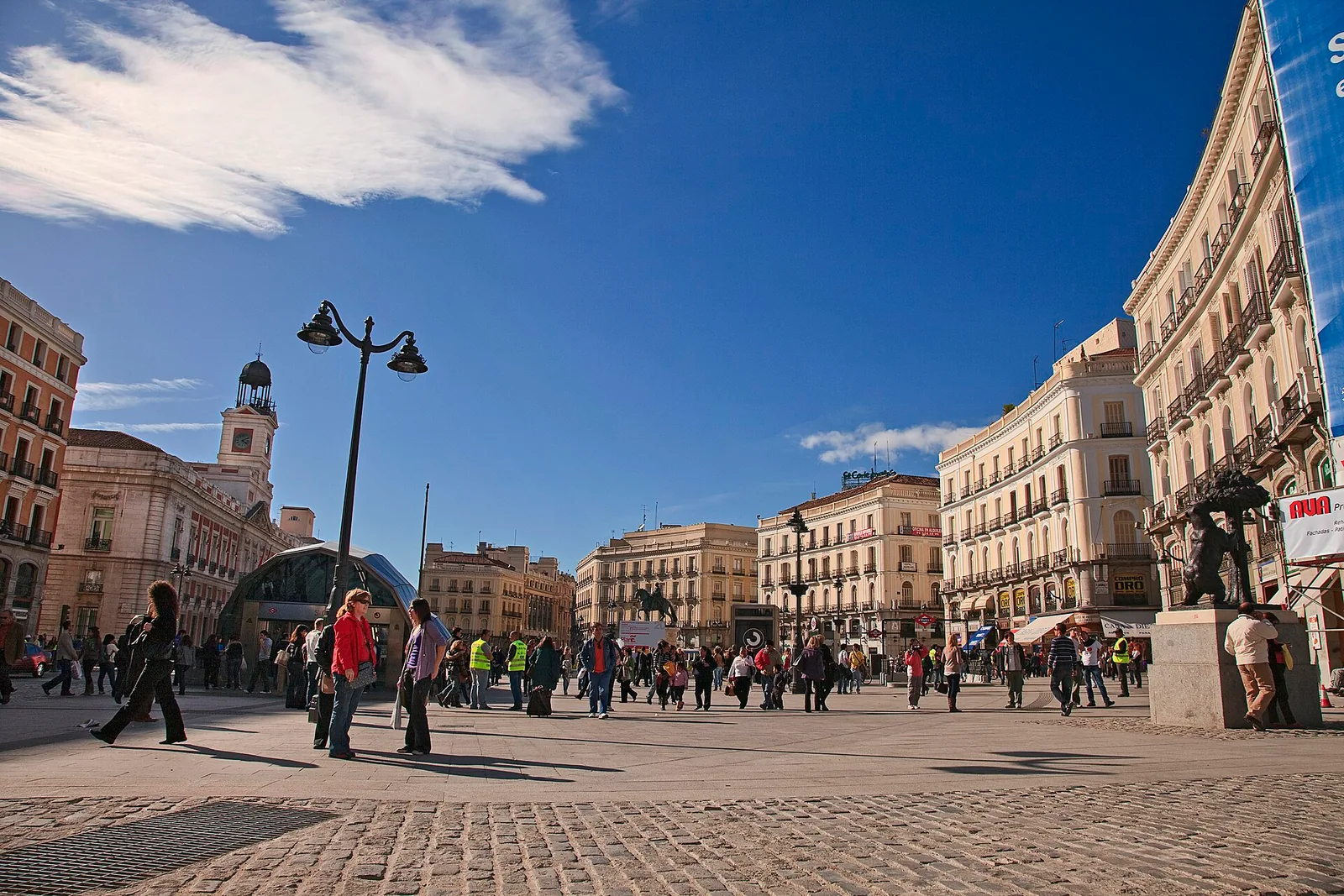
The rules are simple. Walk at least two streets away from the biggest plazas, where prices double and quality halves. Be wary of places with photo menus, laminated cards in six languages and a tout at the door. Treat a paella advertised as a dinner special with suspicion, since rice dishes are a lunch thing. And follow the crowds of locals, not the crowds of visitors: a bar full of people speaking Spanish at ten at night is telling you something.
The best single test is the hour: if a room is full at ten in the evening, it is doing something right.
Drink like the city
Madrid runs on caña, small glasses of draft beer that stay cold and cost little, and on vermut de grifo, vermouth on tap, the great aperitivo. Wine is excellent and cheap, with strong regions all around the capital. In a proper old bar, a drink sometimes arrives with a free small tapa, a tradition worth enjoying where it survives, though it is inconsistent and has largely disappeared from the most touristed streets, so it is not a reason to pick one bar over another. Order a caña, and if the plate arrives unasked, you have understood the city.
A day of eating, hour by hour
The schedule confuses more visitors than the menu does, so here is the shape of a normal Madrid day.
| Roughly | What happens | What to order |
|---|---|---|
| Morning | Coffee standing at a bar, quick and cheap | Cafe con leche, toast with tomato and oil |
| Late morning | The aperitivo, a civilised habit | Vermouth on tap, olives, a small plate |
| From around two | Lunch, the main meal of the day | The menu del dia |
| Late afternoon | Coffee, or the second aperitivo | A caña and whatever comes with it |
| From nine | Dinner, or tapas that become dinner | Several bars, one or two plates each |
| Very late | The restorative | Churros and chocolate |
Nothing here is compulsory, but the further you drift from it the emptier the rooms get. A nine o’clock reservation feels late on the first night and normal by the third.
Where the good eating actually is
Neighbourhoods matter more than individual addresses in a city where the best places change hands and the crowds move on.
La Latina, and Cava Baja above all, is the classic crawl and is at its best on a Sunday afternoon after the flea market, when the whole street is one long standing lunch. Huertas and the Letras quarter offer the densest run of bars between the centre and the museums, convenient rather than fashionable. Malasana and Chueca are where the modern kitchens are, from small tasting menus to the city’s best vegetarian cooking. Lavapies is the most international, and the best value in the city for food from beyond Spain. And Chamberi, north of the centre, is where locals go for old-school restaurants without a tourist in sight.
Two of the city’s specialities have their own worlds, and both deserve their own outing. The chocolate shops and the marble-and-mirror cafes have been serving the same thing for a century, and cocido madrileno, the city’s great stew, is a whole afternoon rather than a dish.
Ordering without stress
Nothing here needs fluent Spanish, and a few habits make the whole thing easier.
Stand at the bar if it is busy, which is normal, faster and sometimes cheaper than a table. Point at what looks good, because much of it is visible on the counter. Ask what the house does well, since the answer is nearly always the right order. And pay at the end, all at once, rather than round by round.
Two small pieces of etiquette. Prices can differ between the bar, a table and a terrace, and that is legitimate and usually posted. And bar floors covered in napkins and olive stones are a sign of a busy, well-liked place rather than a dirty one, which is a hard habit for visitors to read correctly.
Pairing food with the rest of your day
Eating in Madrid is not a break from sightseeing, it sets the timetable for it.
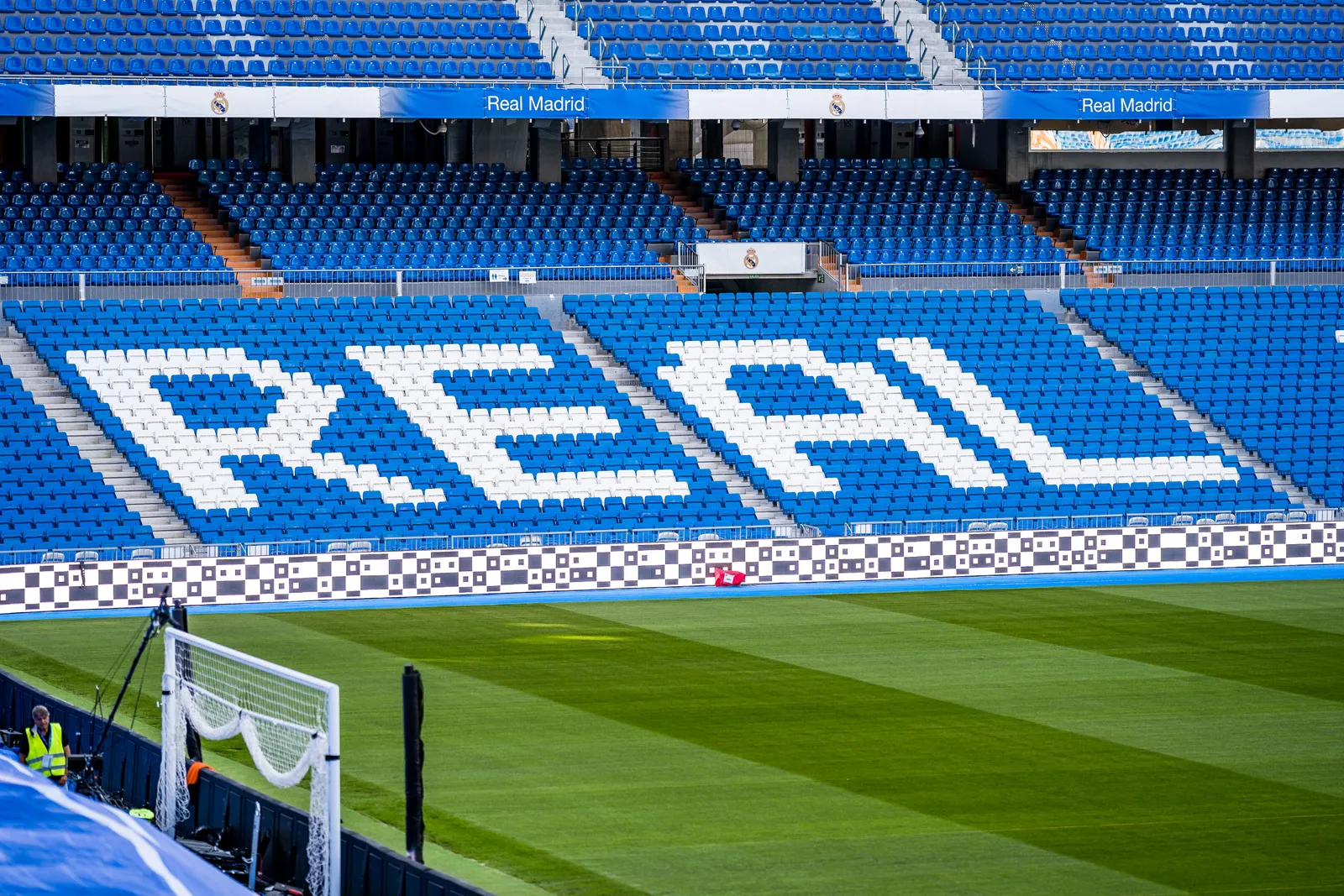
The most useful consequence is that the middle of the afternoon belongs to lunch and the evening belongs to the street, which is exactly the wrong time for an indoor attraction and exactly the right time to be out walking. If your day includes something with a fixed hour, such as a match, a show or a timed entry, plan the meals around it and not the other way round; our Bernabeu guide explains why a late kickoff means dinner afterwards rather than before, which is the single most common scheduling mistake visitors make here.
The short version
Eat late and in stages, build lunch around the menú del día, and treat tapas as a moving feast rather than a sit-down meal. Try cocido in winter and a squid sandwich by the Plaza Mayor, crawl La Latina on a Sunday, browse a market, and end on churros and chocolate. Stay two streets away from the tourist plazas, follow the locals, and Madrid feeds you very well indeed.
The eating hours here are the single thing most likely to break a visitor’s plan, which is why they are worth building the days around rather than around the sights; our four-day Madrid itinerary does exactly that, with a long lunch at two and dinner at nine.
And one note that belongs in a food article rather than a scary one: the busy tapas streets on a Sunday in La Latina are also the busiest streets in the city for pickpocketing, and a pharmacy solves most of what else goes wrong. Our guide to emergency numbers and medical help in Madrid covers both in five minutes.