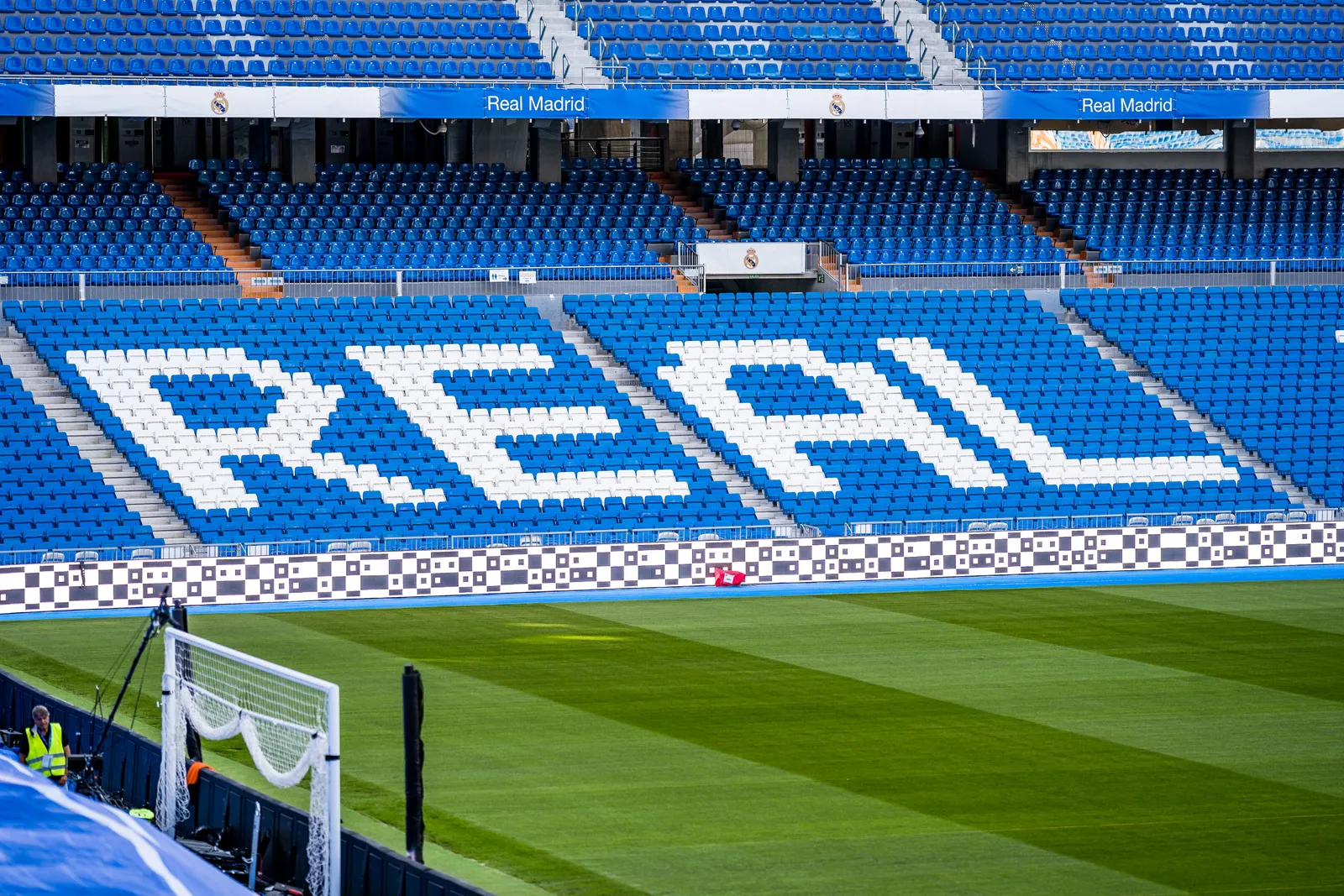
Football is not a side attraction in Madrid; for many visitors it is a reason to come. The city is home to Real Madrid, the most decorated club in the sport, and to a fierce, proud rival in Atlético de Madrid. Whether you want the roar of a matchday or a walk through the trophies on a quiet afternoon, this is how to do football in Madrid, from the newly rebuilt Bernabéu to getting a ticket without getting stung.
The Santiago Bernabéu
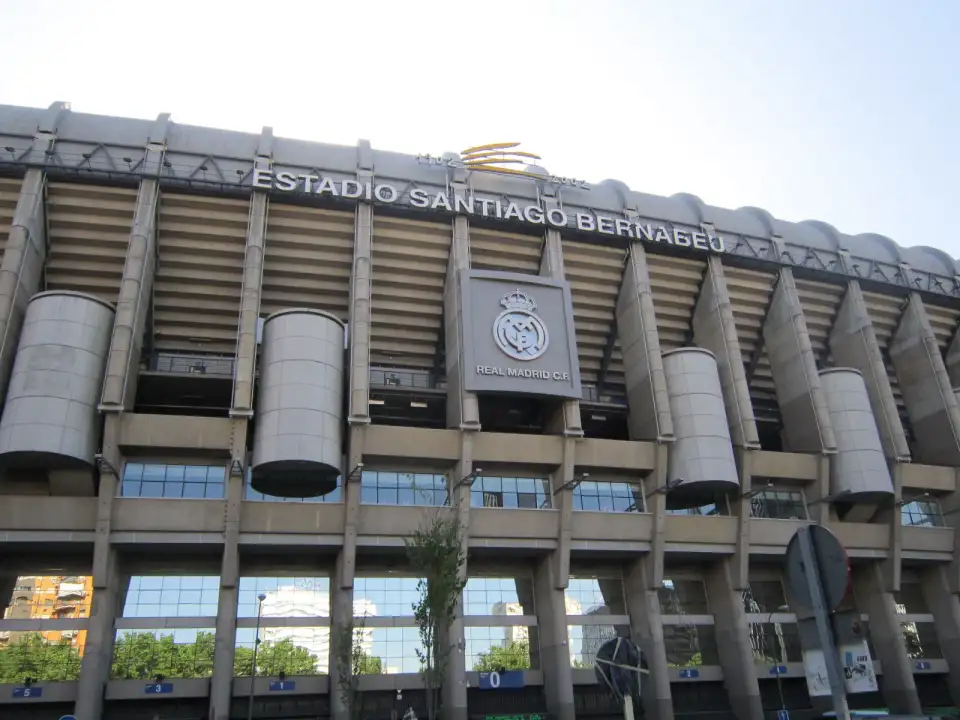
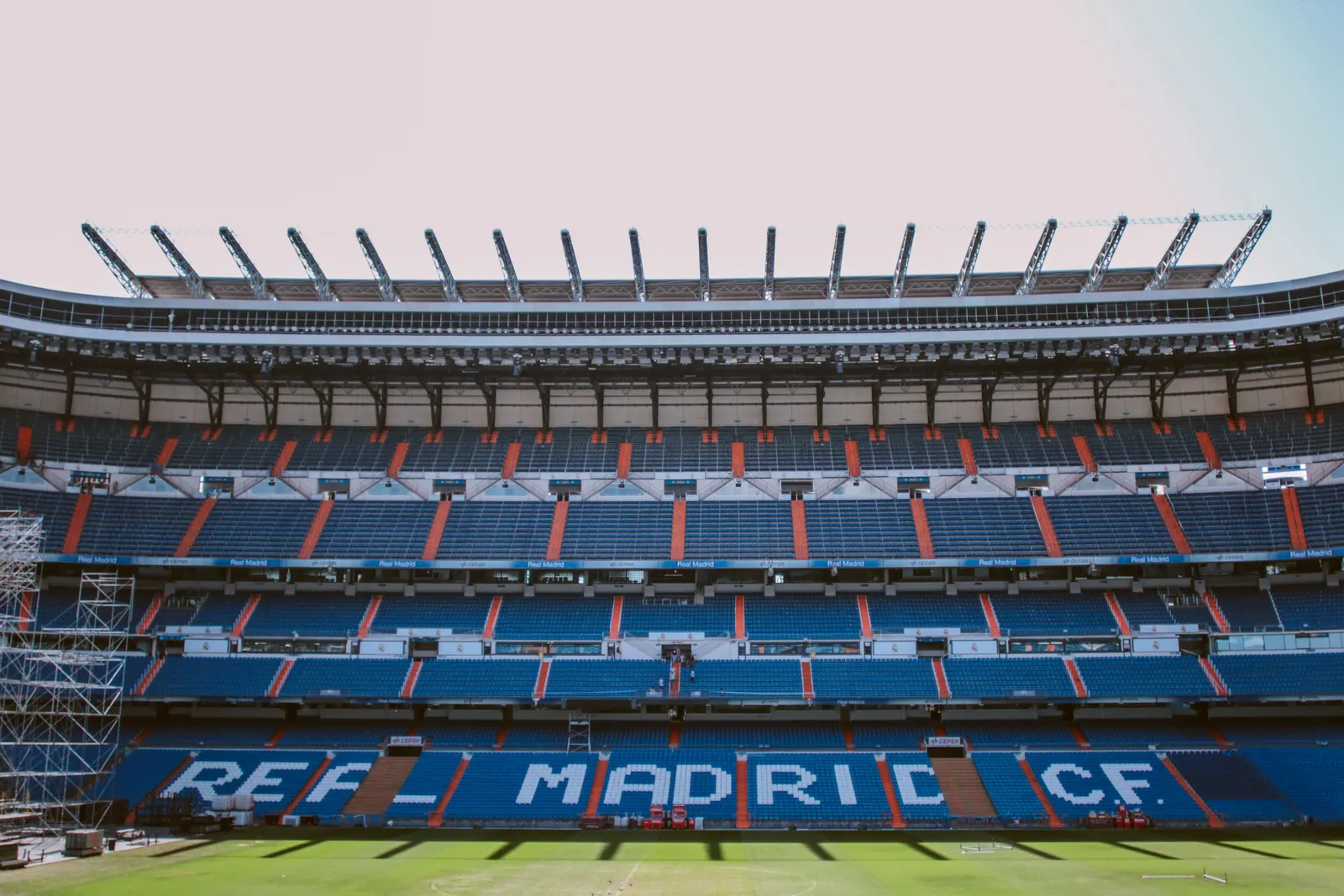
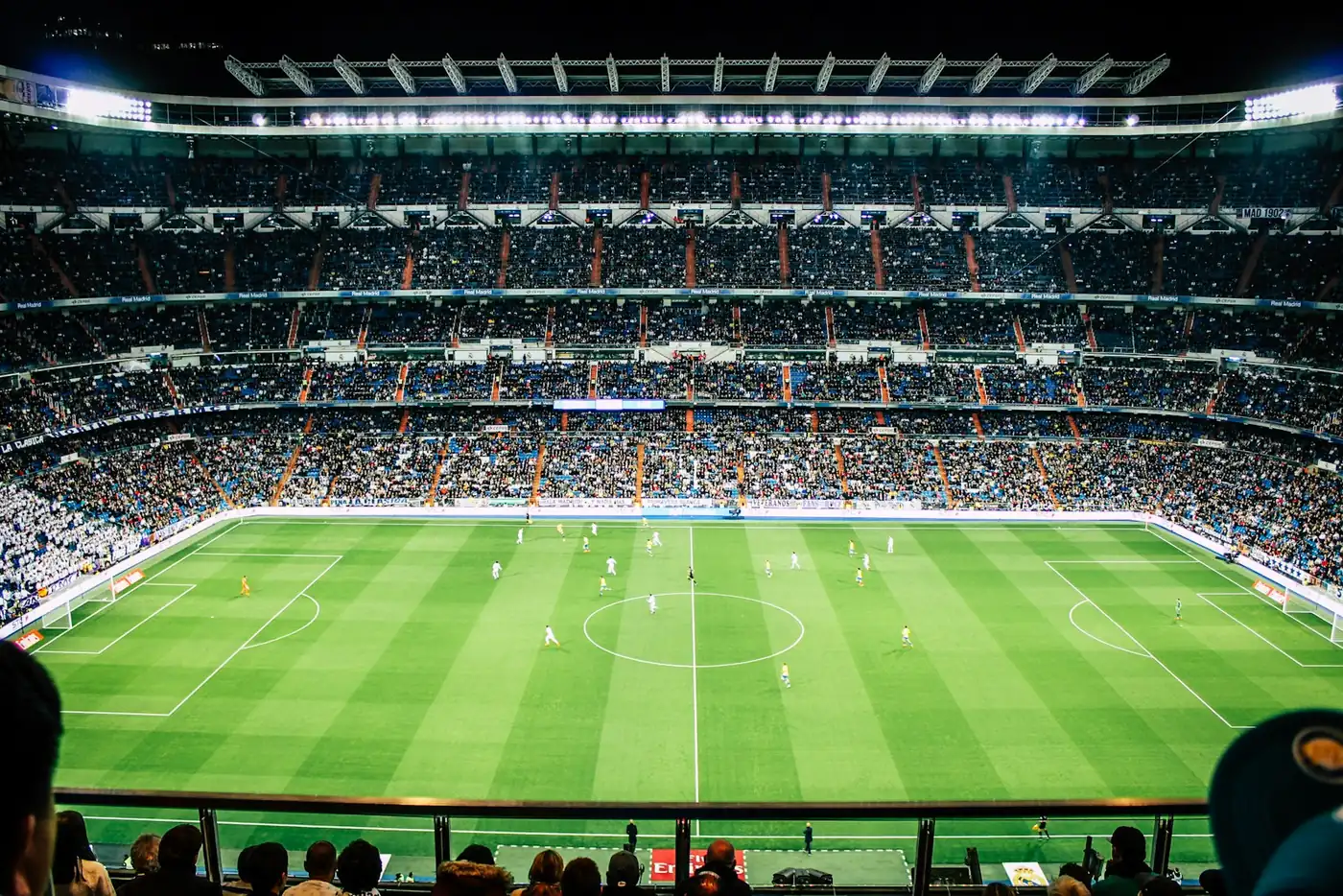
Real Madrid’s home, the Santiago Bernabéu, sits on the Paseo de la Castellana in the north of the city and has just emerged from a vast, years-long rebuild. The new stadium is a spectacle before a ball is kicked: a wraparound metallic skin, a retractable roof, and a pitch that can be lowered underground. Capacity sits somewhere around 80,000, though the club has never published a final figure and reported numbers vary, and on a big night it is one of the great atmospheres in world sport.
Getting there is easy: the Santiago Bernabéu metro station sits right outside, a straight run from the center. Around the ground you will find club shops, cafes and, on matchdays, a rising tide of white shirts converging on the stands.
Getting match tickets
This is where visitors most often trip up. Real Madrid sells tickets for each home game through its official channel, usually released a few weeks ahead once the fixture and kickoff time are confirmed. Club members get first pick, so the best seats for the biggest games can be gone before general sale.
Prices swing enormously by opponent. A midweek game against a smaller side can be affordable; a Clásico against Barcelona or a Champions League night is a different world. Buy through the official site, the club’s verified resale, or a reputable partner, and avoid touts and unofficial resellers outside the ground, where fakes and inflated prices are common. Prices are in euros and move constantly, so check current availability for your dates rather than assuming a figure.
The stadium tour
Cannot get to a match, or visiting outside the season? The Bernabéu tour is one of the most popular paid attractions in Madrid, and the rebuild has made it grander than ever. You walk through the club’s staggering trophy room, down the players’ tunnel, past the dressing rooms and out pitchside, with the vast new bowl rising around you.
Book a timed slot online in advance; walk-up availability is limited and the queues are long. Note that on matchdays the tour is shortened or closed, so plan around the fixture list. Allow a comfortable ninety minutes to two hours. It is a genuine highlight even for casual fans, and unmissable for anyone who grew up watching the club.
See the Bernabéu, match or no matchTimed stadium tours and verified matchday tickets, booked aheadMatchday tips
Arrive early. The metro fills fast before kickoff, the area buzzes for an hour beforehand, and soaking up the pre-match atmosphere is half the fun. Eat before you go, since stadium food is limited and the tapas bars nearby are better, or make a full evening of it with dinner after the final whistle, Madrid-style, well past ten.
Bring a jacket for evening and winter games, since the plateau gets cold after dark. Keep your ticket and phone secure in the crowds, as packed transport and stadium concourses are exactly where pickpockets work. And check the confirmed kickoff time close to your visit: Spanish fixtures are often scheduled only a couple of weeks ahead and can land anywhere from lunchtime to late evening.
Atlético de Madrid and the other side of the city
Real Madrid may be the giant, but Atlético de Madrid offers a rawer, more working-class passion that many neutrals come to love. They play at the Riyadh Air Metropolitano in the east of the city, a modern arena with its own excellent tour and a fervent home crowd. Tickets are generally easier to come by and cheaper than at the Bernabéu, and a game here is a superb experience in its own right.
If your dates allow, catching both clubs, or timing your visit around a home fixture for either, is a football pilgrimage worth planning the trip around. Confirm the league and cup calendar for your travel window before you commit.
When to go for football
The Spanish season runs roughly from mid-August to late May, with a short winter break. Visit in that stretch and you have a strong chance of a home game for at least one of the city’s clubs. The shoulder-season months of spring and autumn combine good football with the most comfortable weather for the rest of the trip. Outside the season, the stadium tours keep the football fix alive year-round.
Outside the season, the tours are the year-round answer.
How a matchday actually runs
Spanish football keeps different hours from the rest of Europe, and a first-timer’s plan usually falls apart on the timing rather than the ticket.
Kickoff can be almost anything. League fixtures are scheduled around television and land anywhere from early afternoon to well after nine in the evening, which means a late game finishes near midnight and dinner happens afterwards rather than before. That is normal here, and the tapas bars are ready for it.
Arrive at least an hour early. The metro station outside the ground fills to a crawl in the last twenty minutes, security queues build, and the hour before kickoff around the stadium is genuinely part of the experience rather than dead time.
Travel light. Large bags are refused at the turnstiles and there is nowhere to leave them, so a phone, a card and your ticket is the right amount of luggage.
Plan the way home. The metro after a full stadium empties is slow, and ride-hailing surges hard in the streets immediately around the ground. Walking ten minutes away before ordering a car, or simply having a drink until the crush passes, is the local solution.
Tour or match, and how to choose
Both are worth doing, and they are different products rather than substitutes.
The match is the atmosphere: the noise, the anthem, eighty thousand people reacting at once. It costs more, it depends entirely on the fixture list falling your way, and the price swings enormously with the opponent.
The tour is the history and the building: the trophy room, the tunnel, pitchside, the dressing rooms, and a close look at one of the most ambitious stadium rebuilds in the world. It runs year-round, it is bookable to a timed slot, and it works even for people with no interest in the football itself.
The practical point that catches visitors: the tour is shortened or closed around matchdays, so if you have tickets for a game, do the tour on a different day rather than the same one. If your trip does not overlap a home fixture at all, the tour is the reason the stadium still belongs on the itinerary.
The other clubs in the city
Madrid is a two-club city at the top and a football city all the way down.
Atletico at the Metropolitano is the obvious second option, with a fiercer, more partisan crowd and tickets that are usually easier to obtain and cheaper than at the Bernabeu. The ground runs its own stadium tour, and tickets to a match there are generally easier to obtain than at the Bernabéu.
Below them, smaller top-flight and lower-division clubs play across the city and the suburbs, and a ticket at one of those grounds costs a fraction of the headline price and delivers a much more local afternoon. If your dates miss both big clubs, that is a genuinely good alternative rather than a consolation.
Fitting football into the rest of the trip
A match is an evening, not a day, which leaves most of the daylight for the city.
The natural pairing is culture in the day and football at night, and Madrid is unusually well set up for it: the great museums sit close together in the centre and reward a long, unhurried visit, and our guide to the Golden Triangle museums covers how to do them without exhausting yourself before kickoff.
If football is the anchor of the trip, build the rest around it rather than the reverse, since the fixture is the one thing you cannot move. A four-day trip absorbs an evening match or a stadium tour without losing anything else, provided the flexible time sits on the day around it rather than the day after.
Before you book the flight for a fixture
One piece of admin sits underneath any trip built around a match. Spain is in the Schengen area and what you need to enter depends on the passport you hold rather than where you live, and the border has changed in the last couple of years; our guide to entering Spain sets out which group your passport is in and what to have ready. Sort it early, because a fixture date is the one thing on this trip that cannot move.
The short version
Book a verified match ticket or a timed Bernabéu tour well ahead, arrive early to soak up the buildup, and steer clear of touts outside the ground. Prices in euros swing hard with the opponent, so check current availability. Add Atlético at the Metropolitano if the fixtures line up, dress for the evening chill, and you have one of the best football days in Europe.
Two practical notes for building the rest of the trip around a fixture. Getting hold of a seat is the part that catches visitors out, since the two clubs are not interchangeable and an Atletico night at the Metropolitano is frequently available and cheaper when the Bernabeu is not; our guide to football tickets in Madrid compares both. And a match makes a natural anchor for a short city break rather than an add-on; our four-day Madrid itinerary sets out an order that leaves an evening free.