For most visitors, entering Spain is the least eventful part of a Madrid trip: you land, you queue briefly, you are through. What makes this page worth reading is that the rules depend on the passport you hold rather than where you live, that the allowance is shared across more than two dozen countries rather than being Spain’s alone, and that the European border has changed in the last couple of years. Here is the structure, what to check for your own nationality, and the handful of things that actually go wrong.
The disclaimer that matters more than the rules
Entry rules move, and European ones have moved more than most recently. Any specific figure printed in a travel article has a shelf life.
What does not change quickly is the framework, and that is what this guide explains. For the entitlement attached to your specific passport, check an official source, either the Spanish foreign ministry or the European Union’s own pages, when you book and again a couple of weeks before you fly. Do not rely on a friend’s experience on a different passport, and treat any page without a visible update date with suspicion.
Which group are you in?
Almost every question about entering Spain is really a question about which of three groups your passport falls into.
EU, EEA and Swiss citizens. Freedom of movement applies. There is no visa, no day limit and no biometric registration, and the passport queue is the fast one.
Visa-exempt non-EU nationals. This covers American, British, Canadian, Australian, New Zealand and around sixty other passports. No visa is required for a short stay, but the stay is capped and counted, and the biometric border applies.
Everyone else. A Schengen visa is applied for in advance through the Spanish consulate or an authorised visa centre, with an appointment, documentation and a fee. South African passport holders sit here, which is the single most common gap in English-language travel writing, since guides written for a British readership rarely mention it.
Two notes that catch families and dual nationals. Every traveller needs their own passport, including infants, and the entitlement follows the document rather than the household. And if you hold two passports, the one you present at check-in is the one whose rules apply, so decide before you book rather than at the desk.
The ninety-day rule, explained properly
This is the rule that trips up more travellers than any visa application, and it has two features that make it counterintuitive.
The count is area-wide, not per country. Visa-exempt visitors may spend up to ninety days inside the whole Schengen area within any one hundred and eighty day window. A month in France followed by a month in Italy leaves only thirty days for Spain inside that window. Spain is not issuing you an allowance; you are drawing on a shared one.
The window rolls. On any given day, the authorities look back one hundred and eighty days and add up every day you were inside the area. Nothing resets on the first of January or on the anniversary of your last trip.
For a normal one or two week holiday, none of this matters and you will never come close. It matters enormously for long stays, remote workers and anyone hopping around Europe across a year, and the honest advice for that group is to run your actual dates through a Schengen calculator before booking rather than after.
The biometric border, in plain terms
The European Union has replaced the ink stamp for non-EU travellers with an electronic entry and exit record that registers your crossing along with biometric data such as a facial image and fingerprints.
What it means in practice is modest. On your first crossing under the system, expect a few extra minutes at a self-service kiosk or a staffed booth while the record is created. On later trips the process is quicker because the system already recognises you. There is no fee and nothing to apply for in advance.
The consequential part is not the queue, it is the arithmetic: with entries and exits recorded automatically, the ninety-day count is calculated rather than estimated from a smudged stamp. If you travel around Europe frequently, keep your own honest tally.
A separate scheme, a pre-travel authorisation for visa-exempt visitors, has been planned by the EU for years and has had its start date pushed back repeatedly. Check the official EU pages close to your travel date rather than assuming it is or is not in force, and never buy one from a third-party site, since any official scheme is applied for directly and cheaply.
What to have ready, and what is actually asked
Officers may ask non-EU arrivals to show a return or onward ticket, proof of where you are staying and evidence that you can support yourself. In practice, arrivals into Madrid are brisk and most visitors are asked nothing at all.
The sensible preparation is four things, saved as screenshots that work without a signal:
Your return or onward ticket. The airline is more likely to want this than the border, because carriers bear the cost of passengers refused entry.
Your first night’s address. This is the question most likely to be asked, and the one people cannot answer from memory after a long flight.
Your insurance details. Not checked for visa-exempt visitors, but anyone applying for a Schengen visa must show a policy with a substantial medical minimum, and everyone should have cover regardless.
A photograph of your passport. Useless until the day it is not.
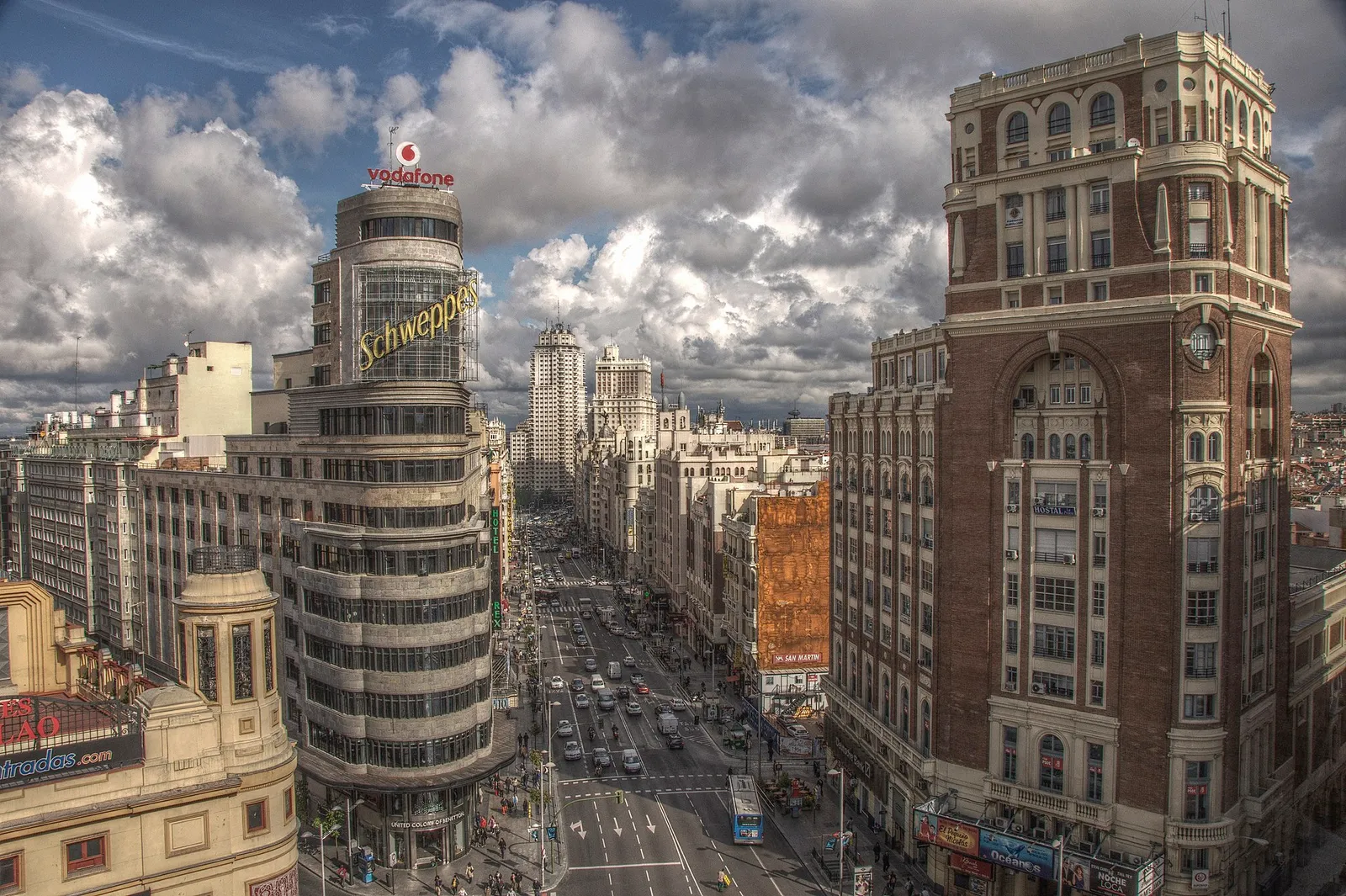
Arrival at Madrid, and the first hour
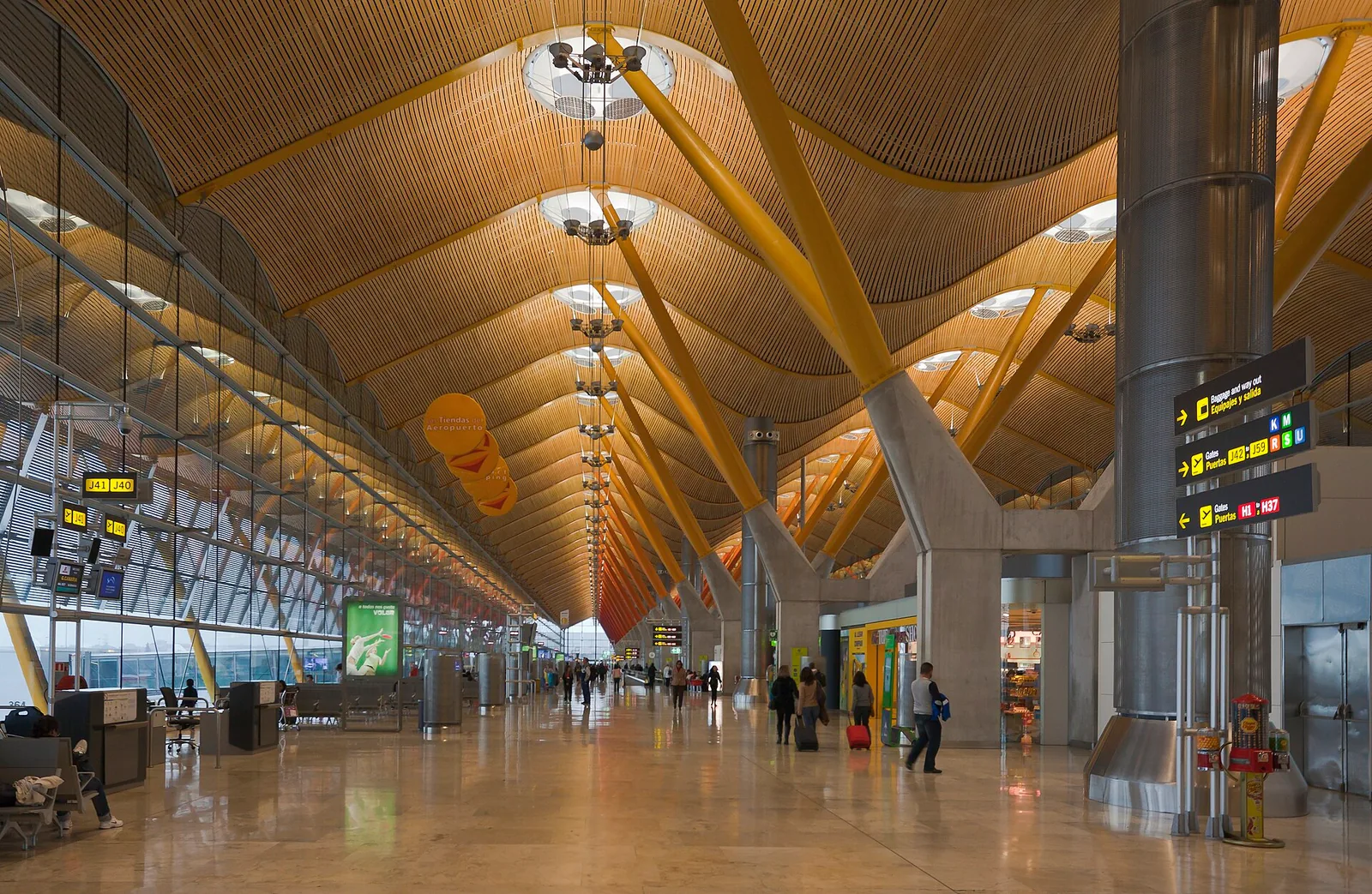
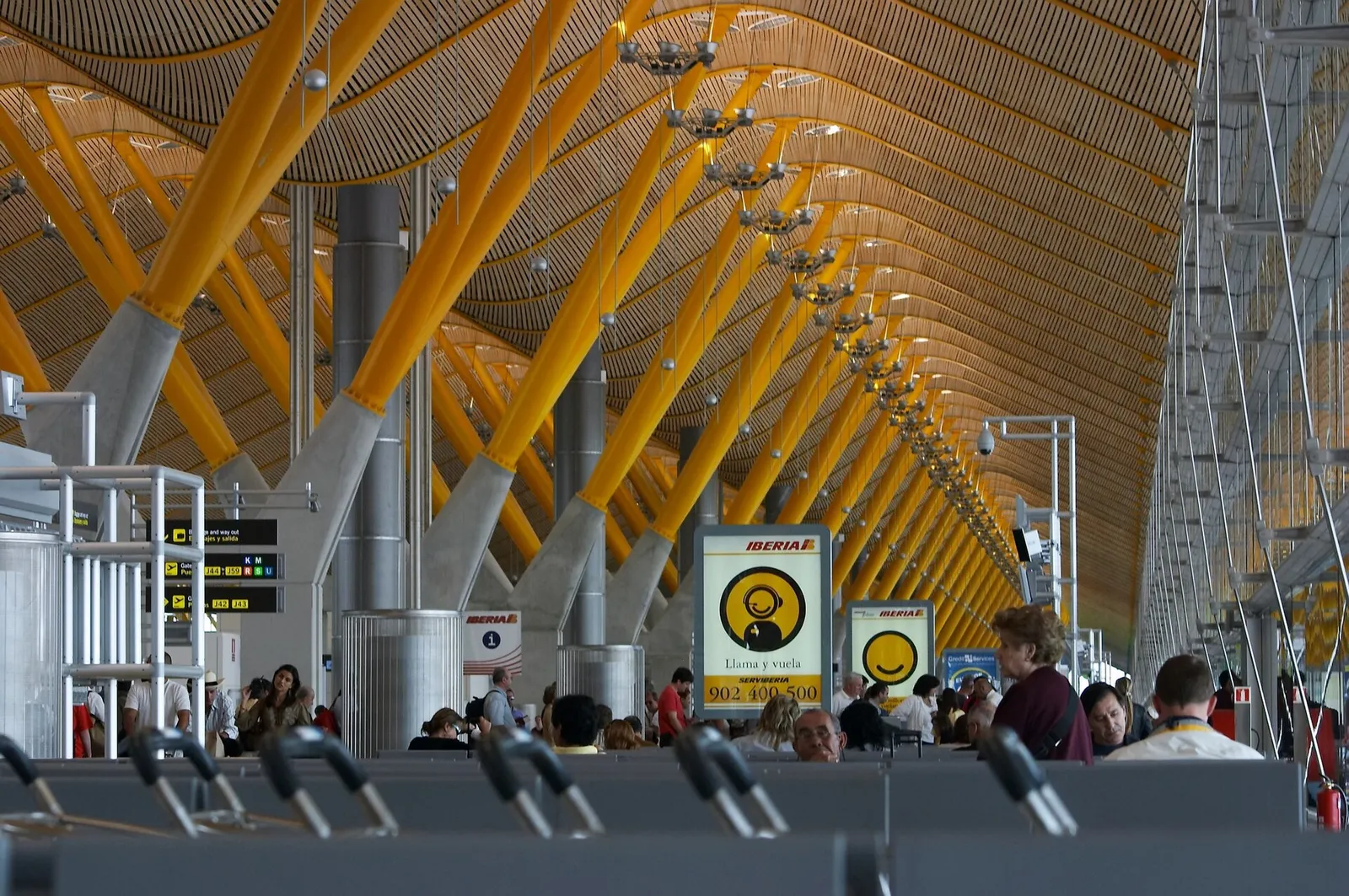
Madrid’s airport is large, modern and well signposted, and immigration is usually painless. Flights arriving from inside the Schengen area have no passport control at all, which surprises first-time visitors: you walk off the plane and out, as on a domestic flight. Flights from outside route you through border control, where EU citizens use the e-gates and everyone else uses the kiosks and booths.
Two habits are worth the seconds they take. Note your entry date, since your allowance is now counted electronically and only you know what the rest of your year looks like. And check the terminal you land at, because the airport is spread out and the route into the city differs by terminal.
Beyond that, the city is a straightforward ride from the airport by metro, bus or taxi, and our guide to getting around Madrid covers the options, the rechargeable travel card and the airport supplement that surprises people at the barrier with a suitcase in hand.
Where entry actually goes wrong
Refusals of ordinary tourists are vanishingly rare. The problems that do occur cluster in four places, and all four are preventable before you leave home.
At check-in rather than at the border. Passport validity, the ten-year issue rule and a missing onward ticket all surface at your departure airport, which is why they end trips before they start.
A miscounted Schengen allowance. Usually by someone who has been in Europe on and off for months and thinks of the ninety days as Spanish rather than shared.
An unofficial website. Paying a third party for an authorisation that is either free, direct or not yet in force.
A vague plan. No accommodation booked, no return flight and an uncertain answer about how long you are staying is the combination that turns a short conversation into a long one.
Sorting the rest of the trip
Once the border is handled, the decisions that actually shape a Madrid visit are the ordinary ones.
When to come matters more here than in many European cities, because the summer heat on the plateau is genuinely punishing and the shoulder seasons are close to perfect; the shoulder months of spring and autumn are the ones worth booking early.
Where to stay matters even more, since Madrid is a city of distinct barrios and the right one turns the whole trip into a series of short walks; and the barrio you choose decides how much of the trip is walking rather than riding, with noise the question that dominates central rooms.
The short version
Check your own nationality rather than assuming: EU passports walk through, around sixty other nationalities visit visa free, and some, including South African passports, need a Schengen visa arranged well in advance. Remember that the ninety-day allowance is shared across the whole Schengen area and rolls, keep three months of passport validity and a passport issued within ten years, expect a short biometric registration on your first crossing, and keep your bookings on your phone. Do that and the border will be the least memorable part of the trip.
Two things belong in the same half hour as the entry paperwork. The journey in from Barajas, which is easy but changes depending on your terminal and the hour you land; our guide to Madrid airport transfers covers all four options. And the shape of the days themselves, since a short Schengen visit is worth planning rather than improvising; our four-day Madrid itinerary sets out a plan that fits.