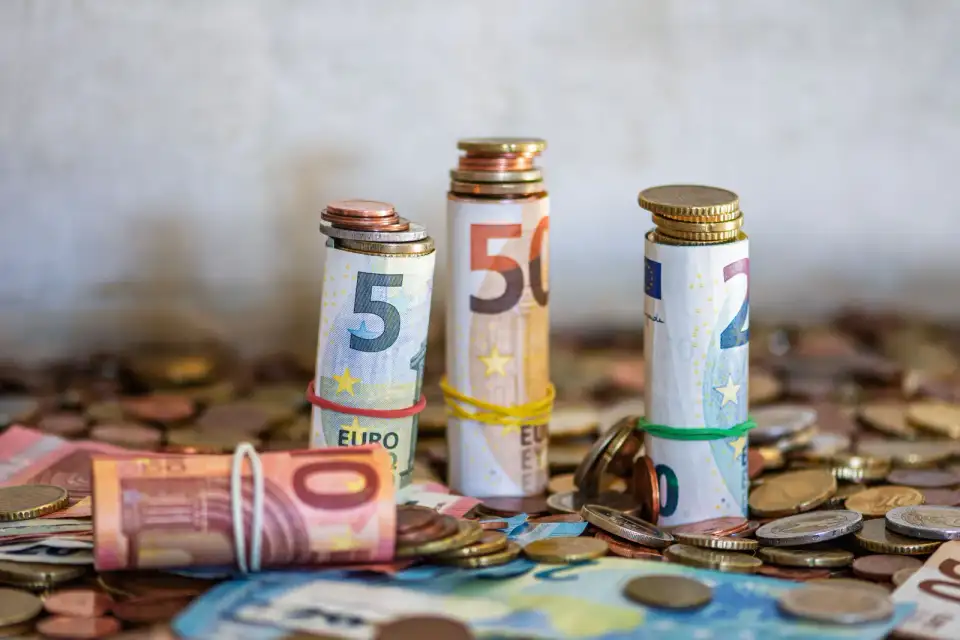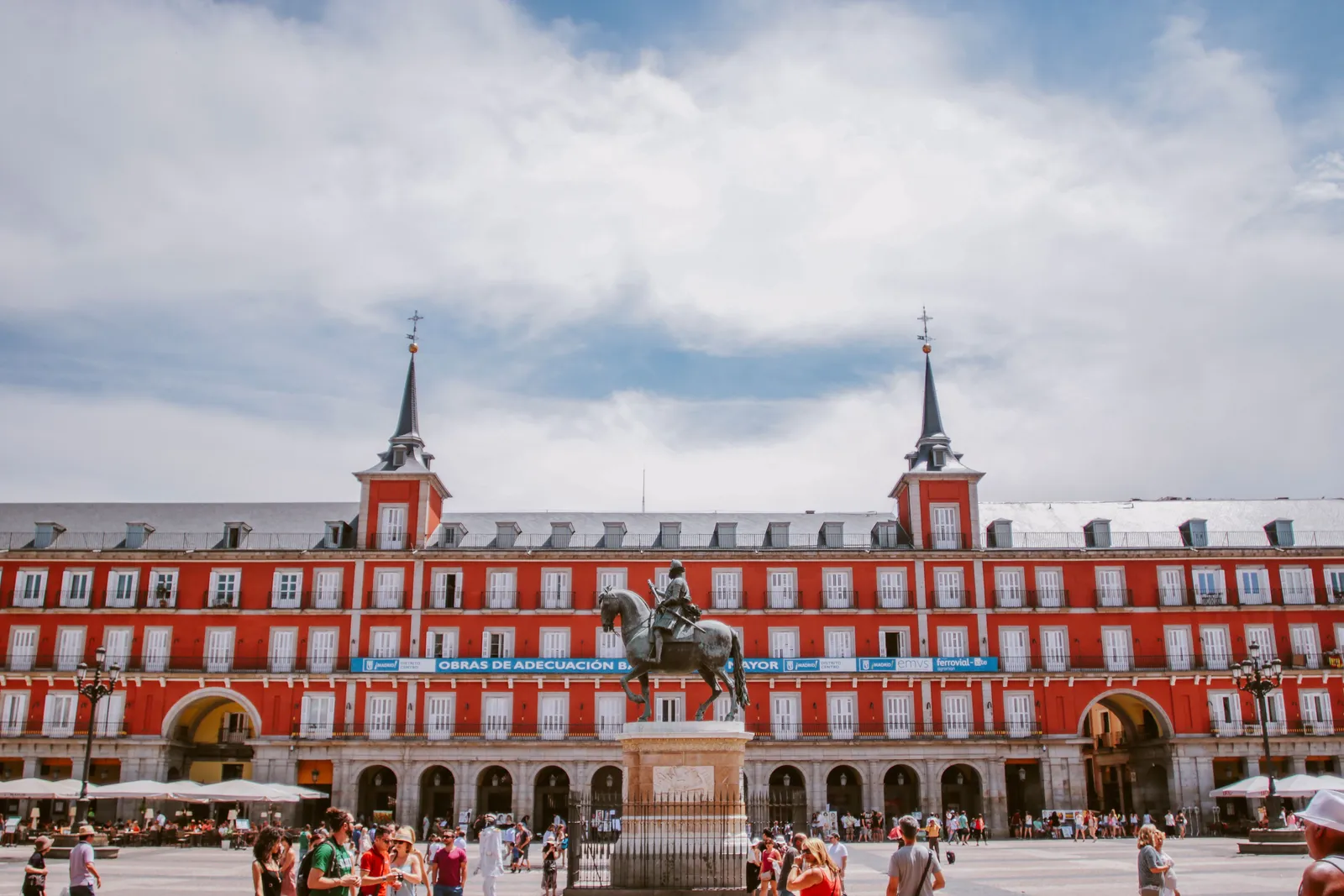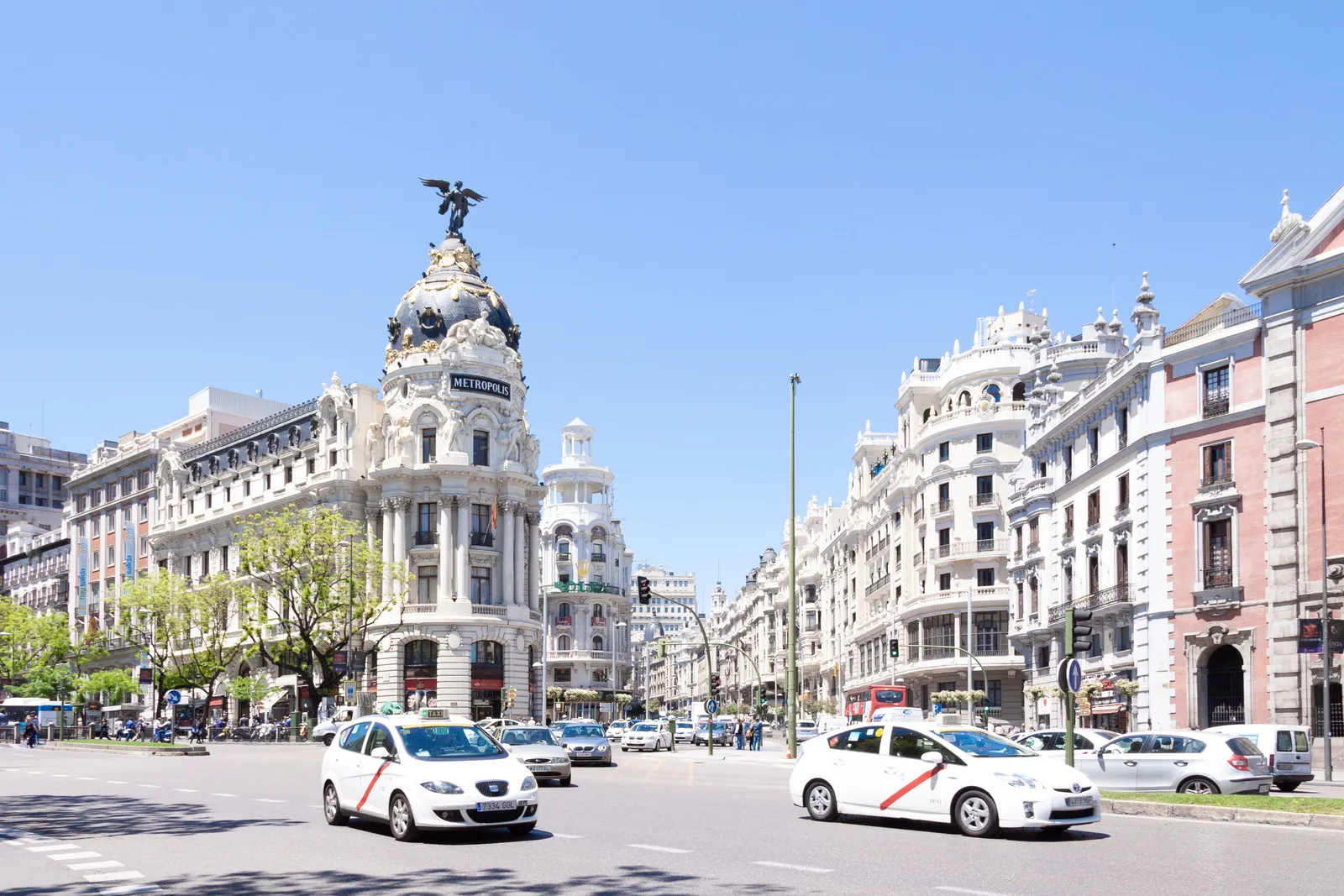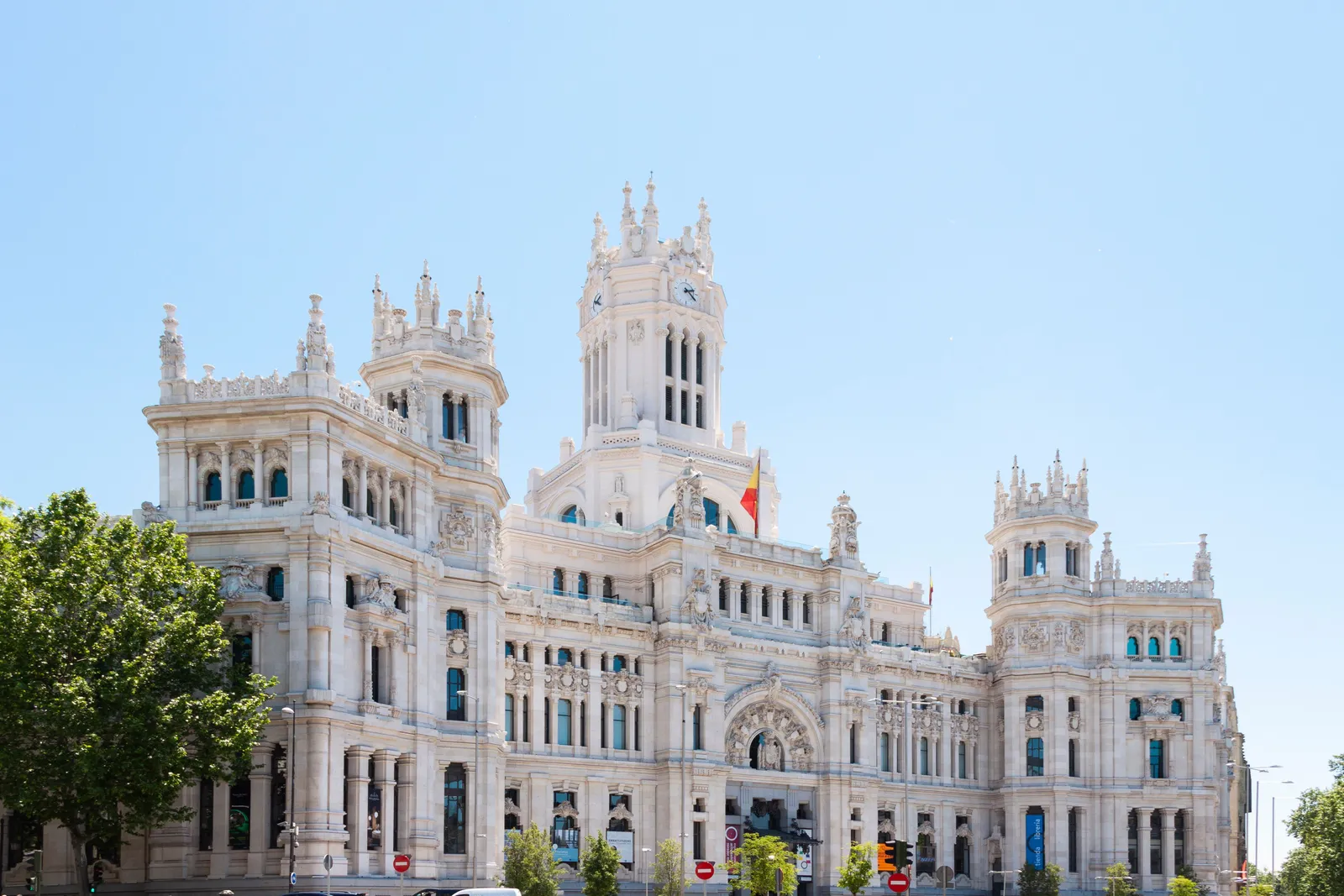
Madrid is unusual among western European capitals in that the cheap version of the city is also the good version. The set lunch in a neighbourhood restaurant is better food than the tourist menu on the square. The free hours at the big museums are the same collection. The parks are free and enormous. The centre is flat enough to walk. Nothing here requires you to trade the experience for the price, which is not true of Paris or London, and it is the single best argument for coming.
What is genuinely cheap
Eating, if you eat at Spanish hours in Spanish places, and particularly at lunch.
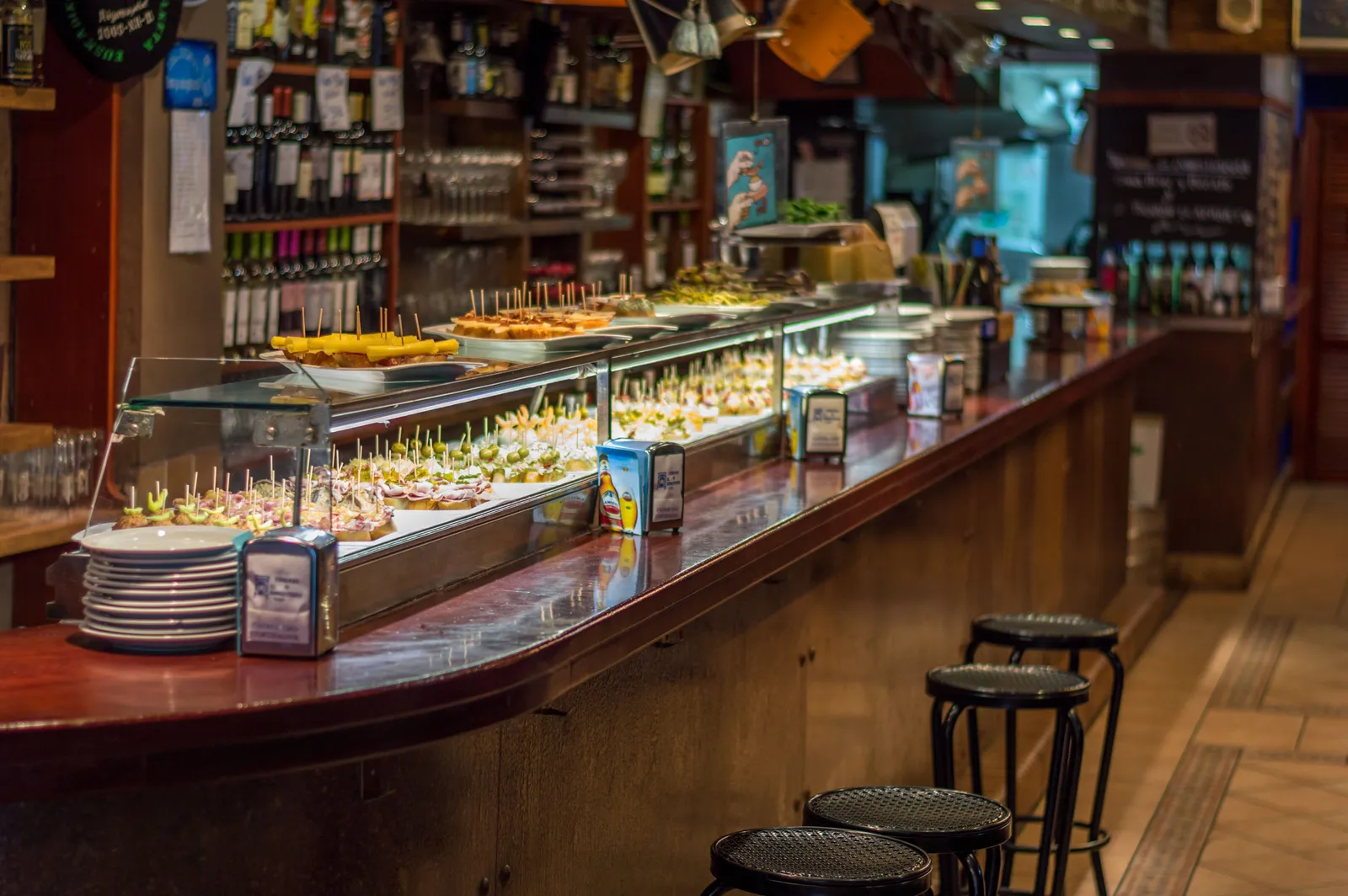
Drinking, where a glass of wine or a beer at a counter costs a fraction of northern European prices.
Public transport, which is among the cheapest of any large European metro system.
The parks, all of them, all day.
Walking, because the centre is compact and level.
Churros and coffee, which is the cheapest reliably good thing in the city.
Where the money actually goes
Accommodation in the centre in April, May, September and October, which is the real cost of a Madrid trip.
Rooftop bars, which are priced several times above street level.
The tourist menus on the main squares, which cost more and deliver less.
Taxis from the airport rather than the metro or the bus.
Flamenco shows aimed at visitors, which vary enormously in value.
Football tickets, which range from reasonable to extraordinary depending on the fixture.
Free and nearly free
Museum free hours, at the big three and several others, with arrangements that change and should be checked.
Smaller museums that are free permanently, including some of the best house museums.
El Rastro on a Sunday morning, which is a morning out at no cost.
The parks and the river walk, which are the best free thing here.
Churches, cool, quiet and open.
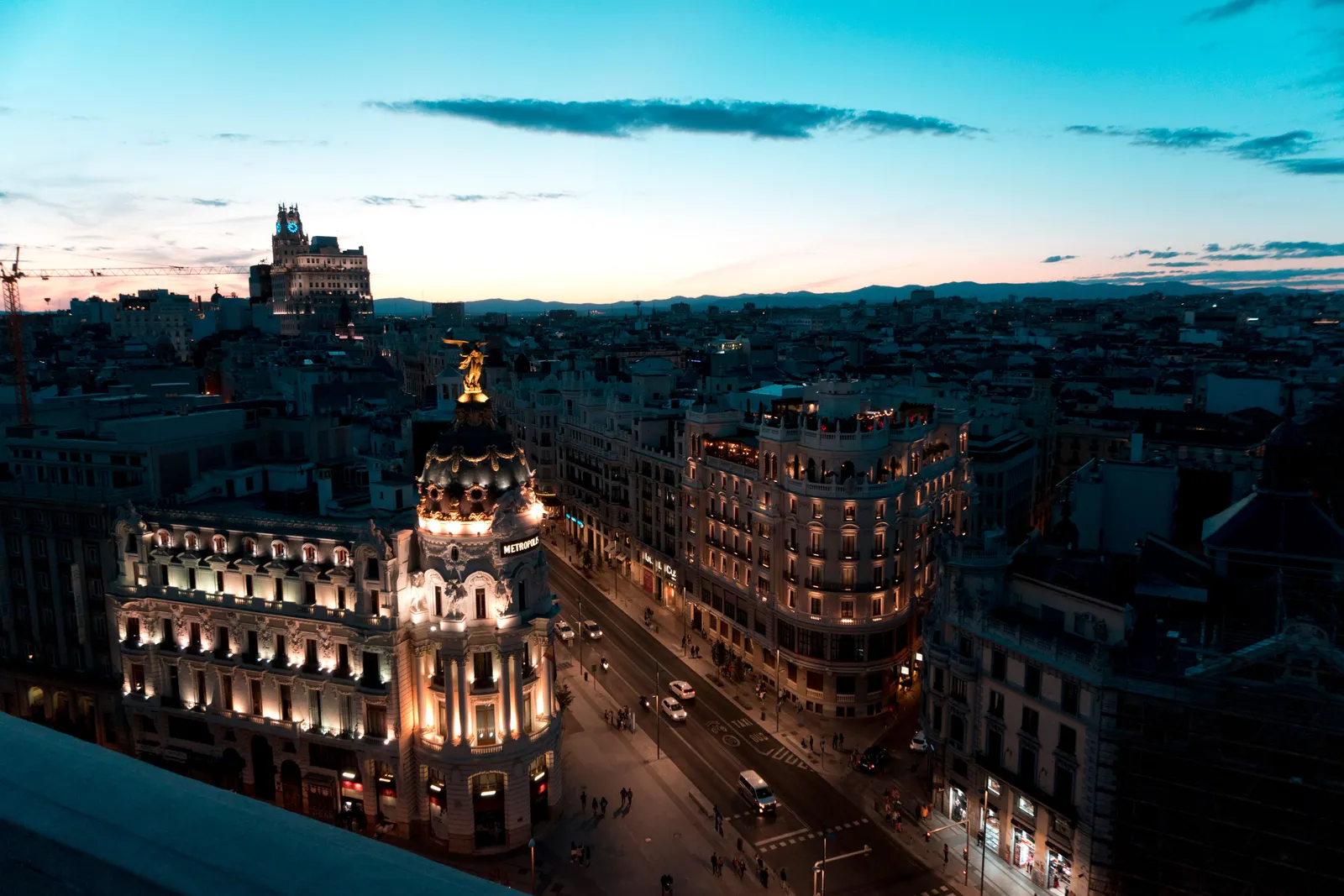
The viewpoints, most of which cost nothing.
Practical savings
Walk rather than ride in the centre, because the metro is often slower door to door.
Fill a water bottle; the tap water in Madrid is famously good and free.
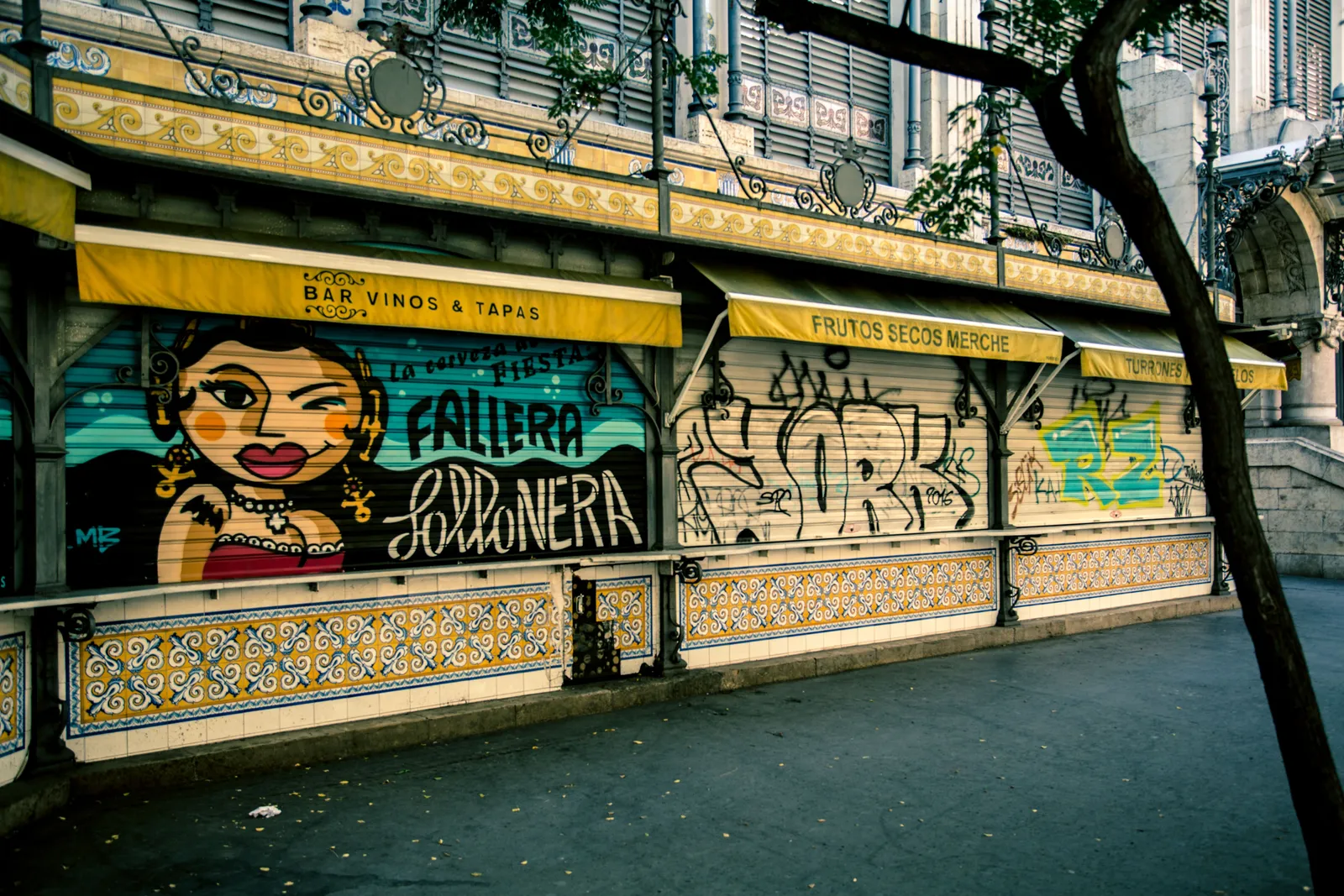
Eat away from the squares, two streets is enough to change the price.
Order at the counter rather than at a table where a difference is posted.
Skip the bottled water in restaurants and ask for tap.
Buy the transport card if you are using the airport and a day trip, and skip it otherwise.
Where this fits in a Madrid trip
Budget here is less about restraint than about doing the local version of everything.
For the practical shape of a first trip and how the days work, our first time guide to Madrid covers the basics.
For how the costs compare with the other obvious Spanish city break, our Madrid or Barcelona comparison covers the decision.
And for the cheapest genuinely good thing to do here twice a day, our guide to churros and the historic cafes covers where.
The short version
Eat your main meal as a weekday set lunch and the rest of the budget looks after itself. Drink at counters rather than at tables, and away from the main squares. Use the museum free hours if you can tolerate the crowds, and the permanently free smaller museums if you cannot. Walk instead of riding in the centre. Book accommodation early for spring and autumn, and look one ring out from the centre. Come in winter or late summer if the price matters more than the weather.