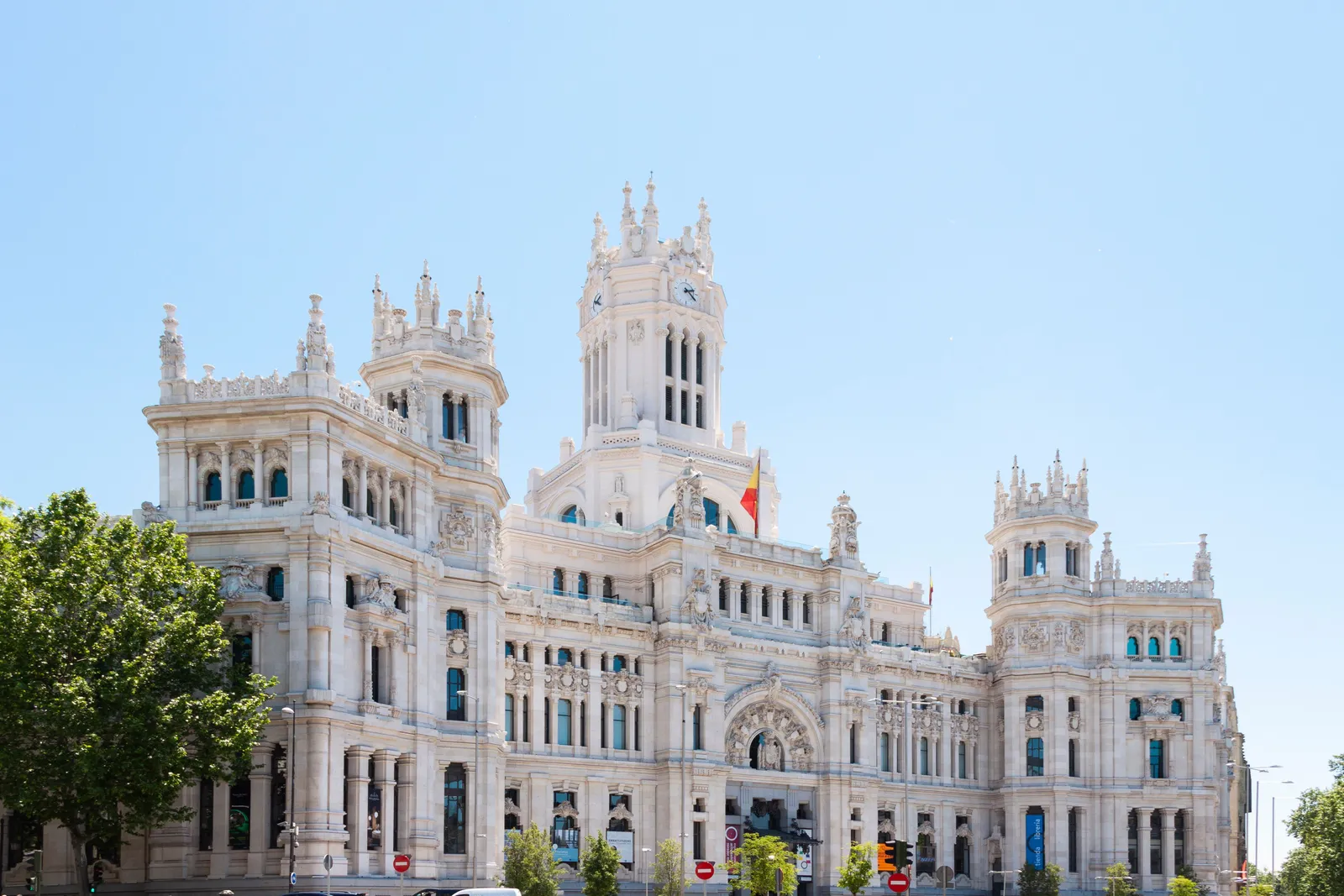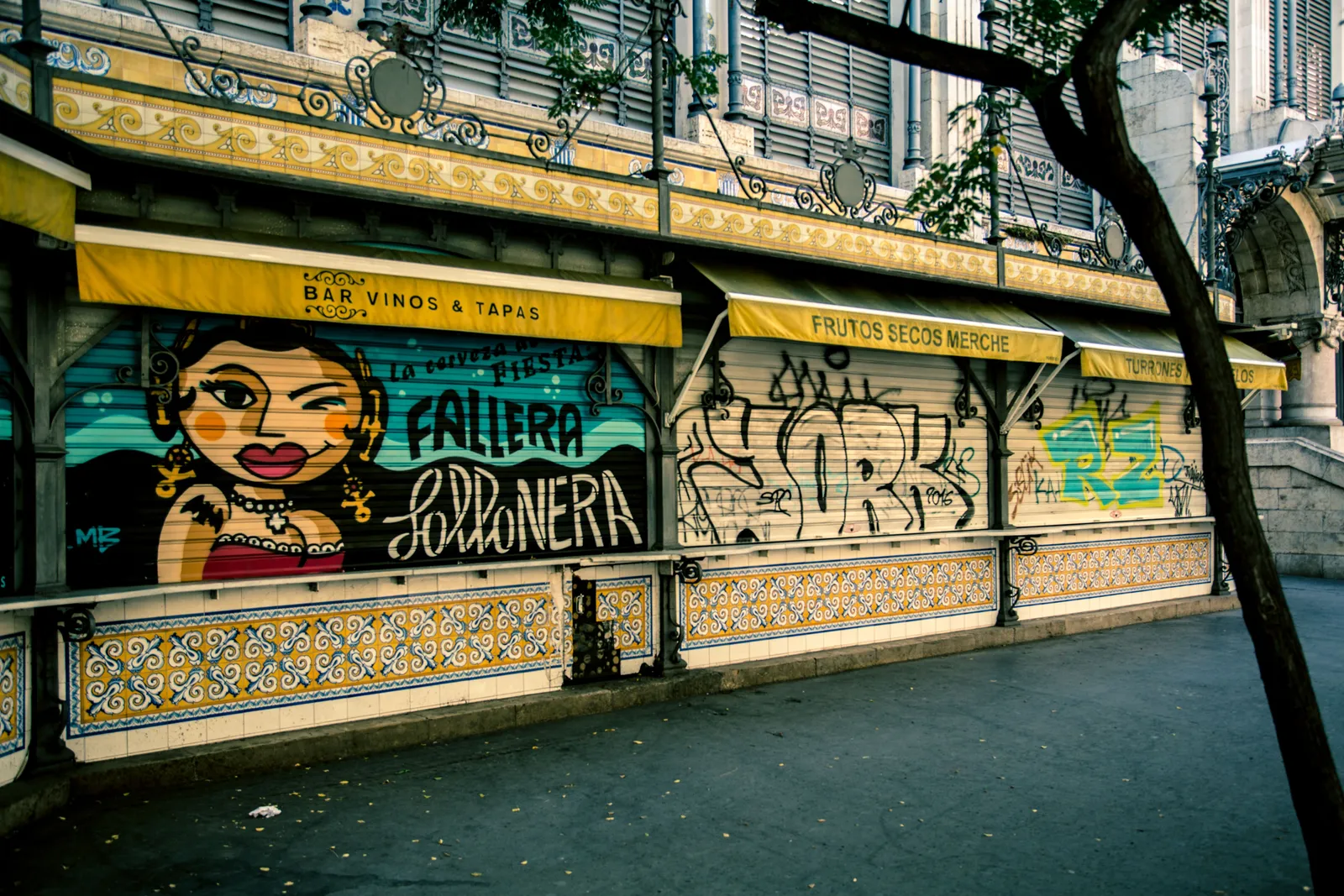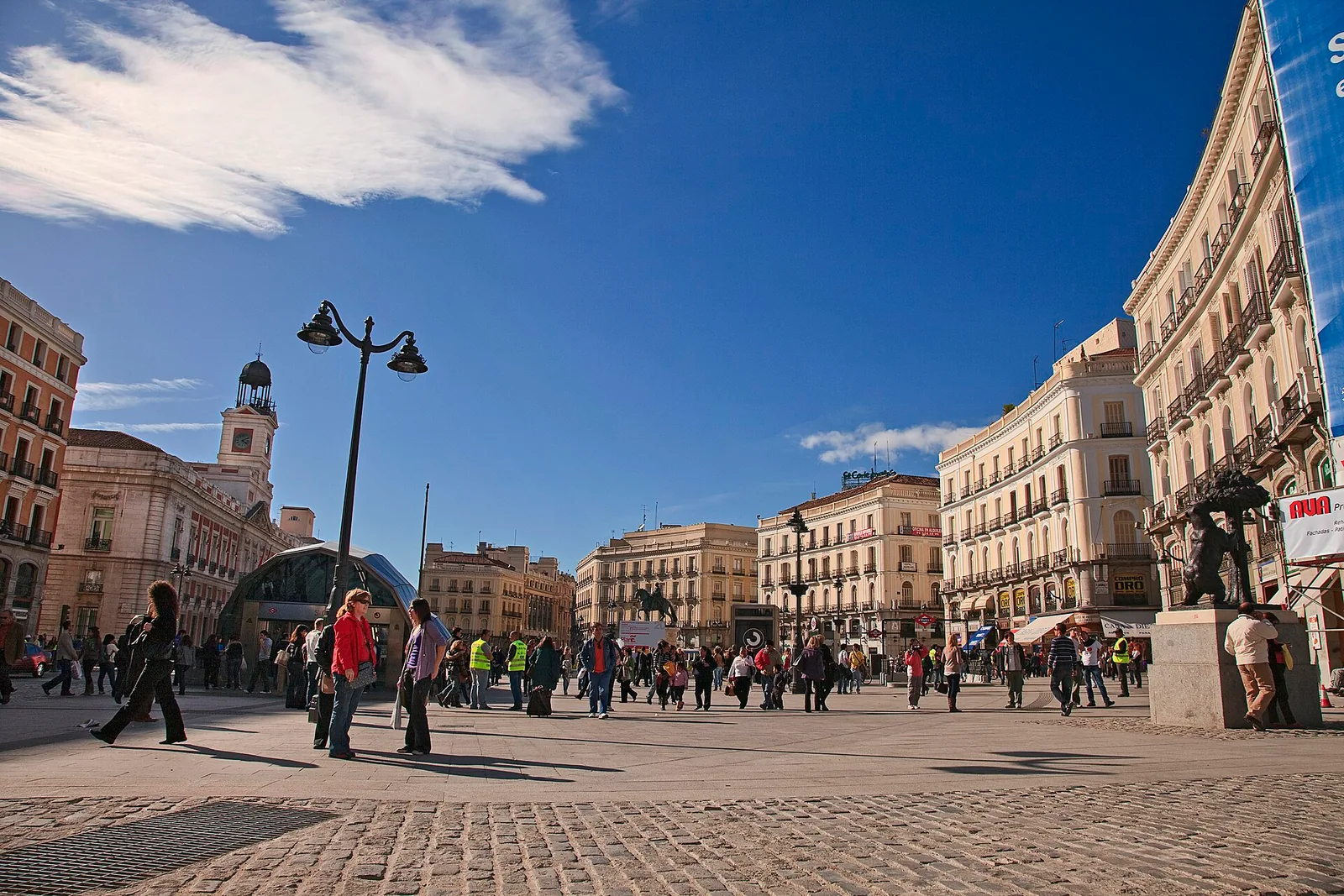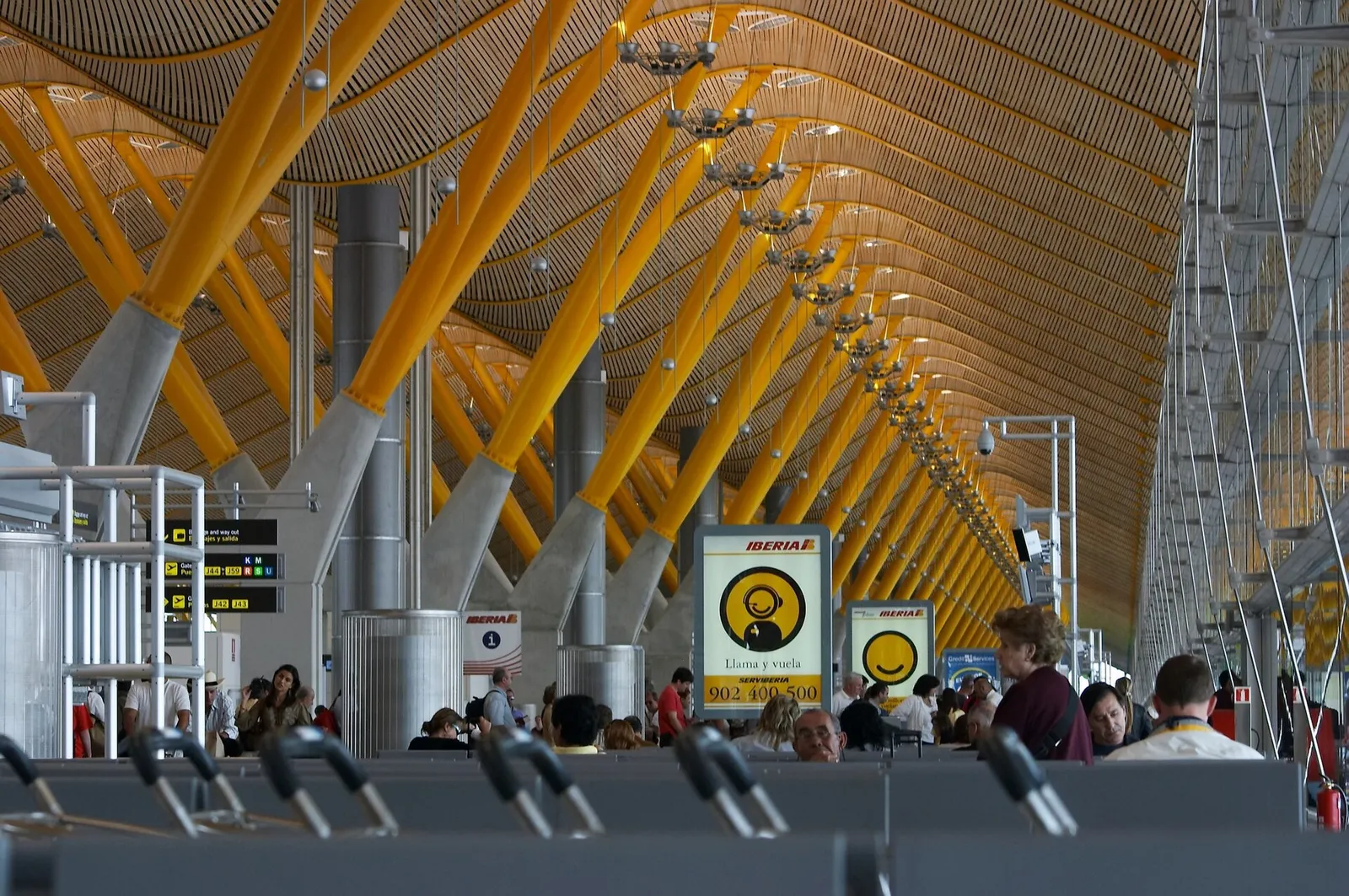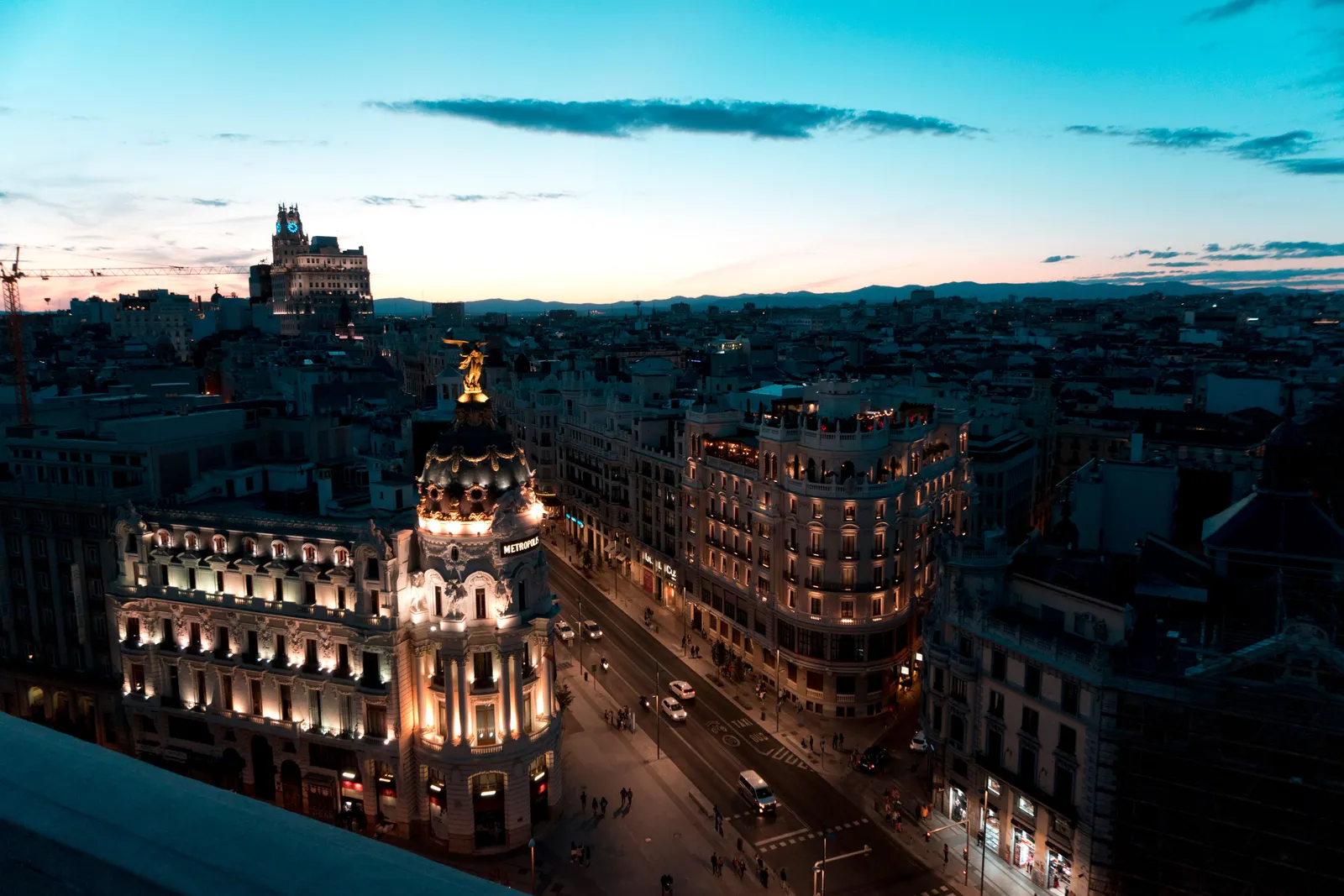
Four days is the right length for Madrid. The city is compact enough that three cover its highlights without hurrying, which leaves the fourth free for either a day trip to a town that would be a destination in its own country, or for the slow morning that is arguably what Madrid is actually for. Here is a plan that works, built around the local eating hours rather than against them.
The shape of the four days
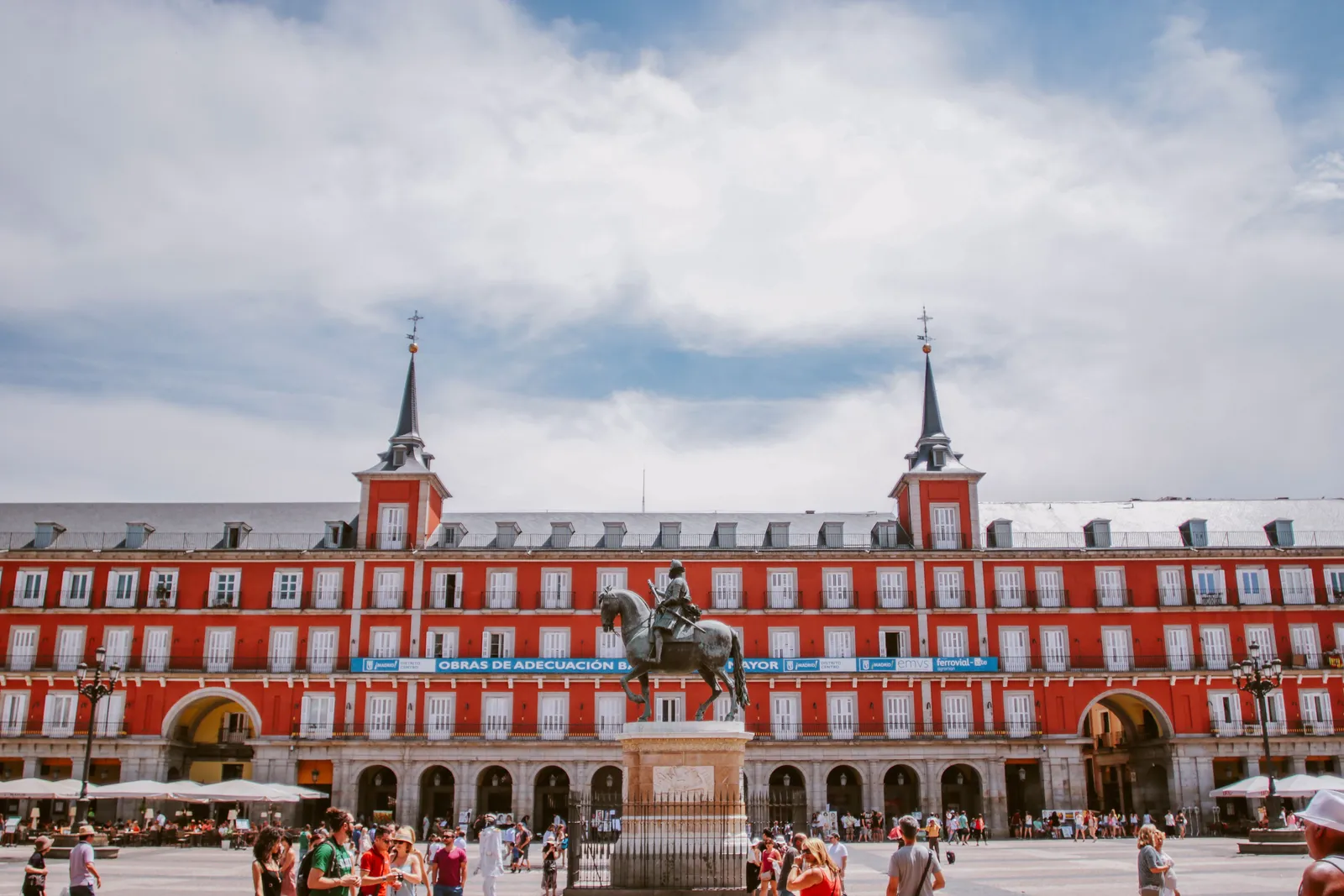
Day one, old Madrid on foot. Plaza Mayor, the royal quarter, the markets and the tapas streets. No tickets, no schedule.
Day two, the museum triangle. The Prado in the morning, a long lunch, and one of its neighbours in the afternoon.
Day three, parks, viewpoints and neighbourhoods. Retiro, the rooftops, and an evening in Malasana or Chueca.
Day four, out of town or deeper in. A day trip, or a slow day of the things you noticed and did not stop for.
The order matters in one respect: do not schedule a museum for the day you arrive. Madrid’s first afternoon should be spent outdoors, because that is when the city sells itself.
Day one: old Madrid, on foot
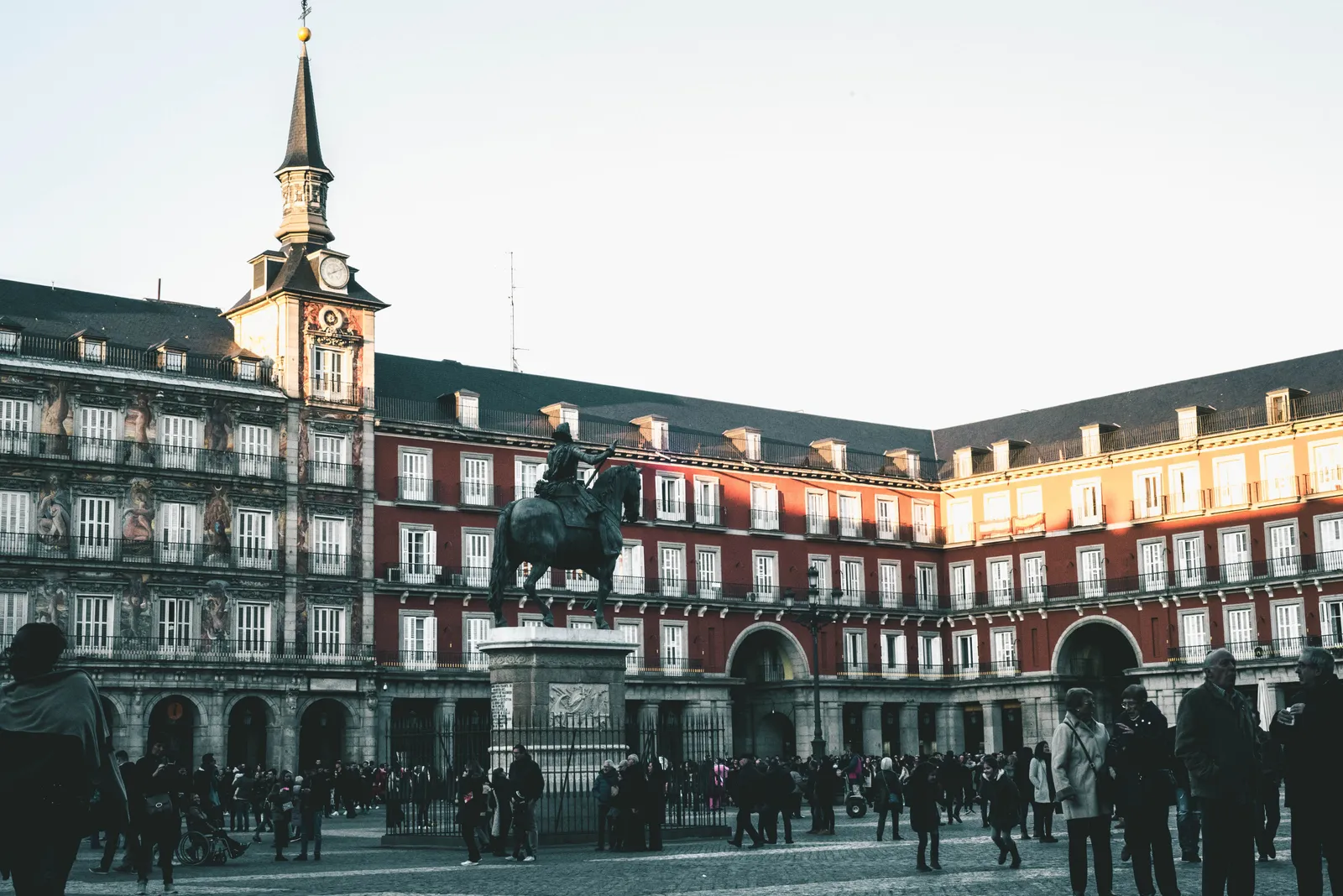
Start at Plaza Mayor, the enclosed arcaded square that is the heart of Habsburg Madrid, and walk out through the surrounding lanes rather than straight to the next thing on a list.
Work westwards to the Royal Palace and the cathedral, an enormous pairing that dominates this side of the centre, and take in the view west across the gardens.
Drift back through the markets and the old streets towards La Latina, and let the afternoon go.
Eat late. Lunch here starts around two and lasts. An early evening drink and a few tapas fills the gap before a nine o’clock dinner, which is when the city actually eats.
This first day sets the pattern for everything else: Madrid is a walking city with an eating rhythm, and the visitors who enjoy it most are the ones who adopt both immediately. If you would rather follow these four days hour by hour, with the food stops and one signature experience written into each day, our day-by-day Madrid itinerary sets them out in order.
Day two: the museum triangle
Three major museums sit within a few minutes’ walk of each other, and doing all three in one day is a mistake most visitors make once.
The Prado in the morning, fresh, with a plan rather than an attempt at completeness. It is one of the great collections on earth and it is far too large to see properly in a visit.
A long lunch afterwards, deliberately, because museum fatigue is real and the afternoon is better for it.
One neighbour in the afternoon: the modern collection or the private collection that spans everything in between, depending on taste.
Book timed entry for whichever you choose. It is free to do and it removes the queue.
Day three: parks, views and neighbourhoods
The third day is the one people remember, and it has the least in it.
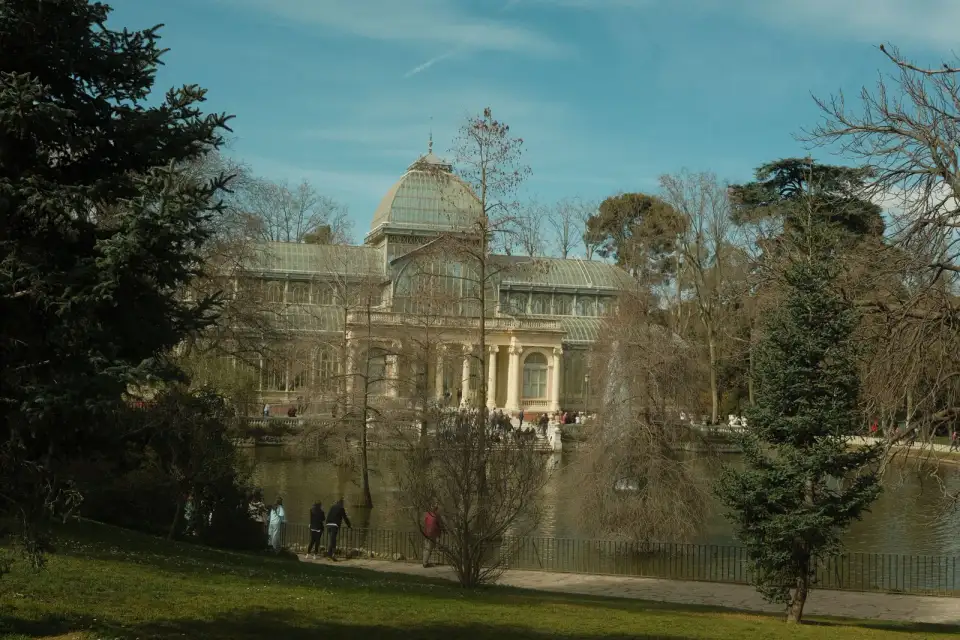
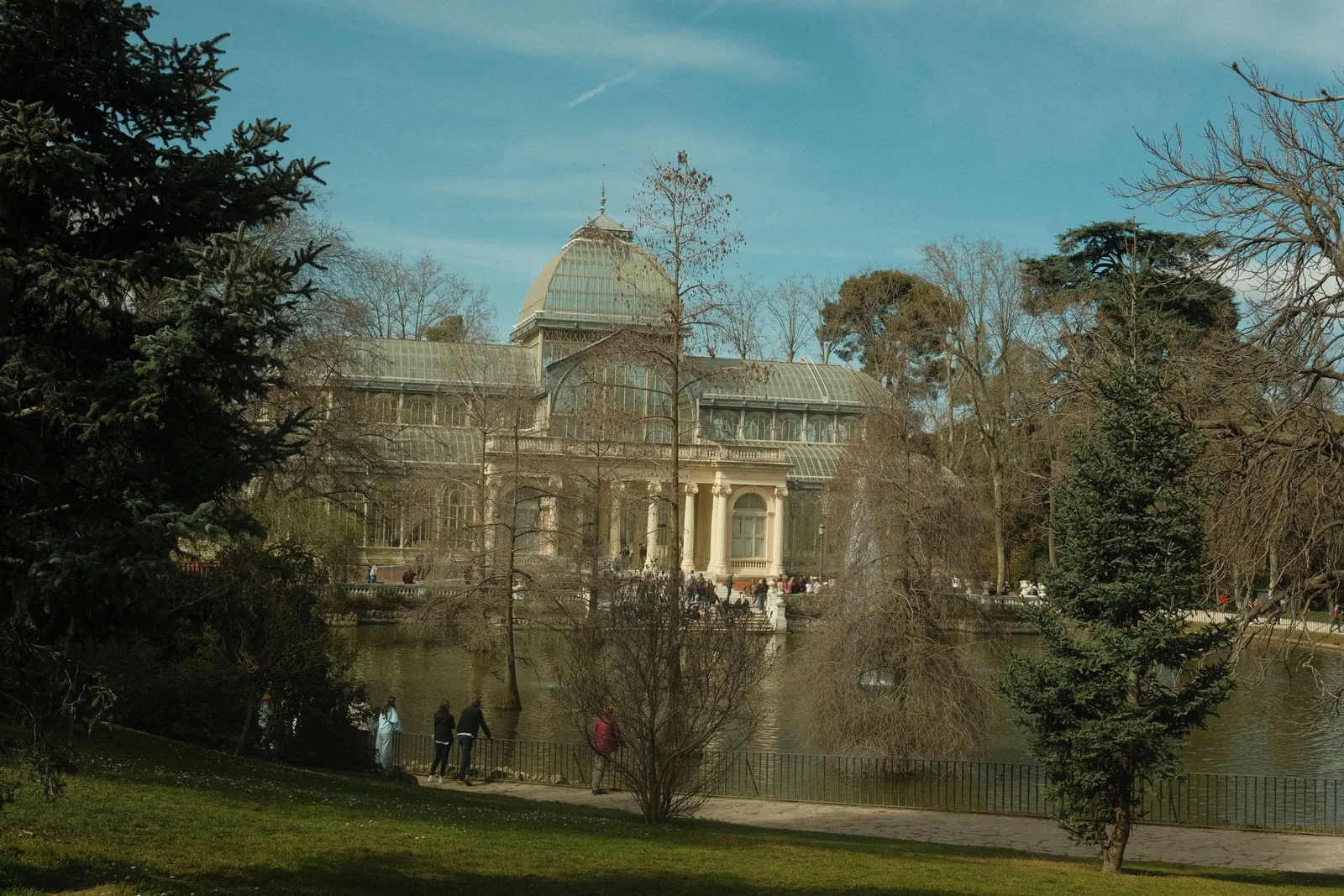
Retiro park in the morning, with its lake, its rose garden and the glass pavilion that is the most photographed building in Madrid that is not a palace, although it is shut for a long restoration and can only be seen from the outside.
A viewpoint in the late afternoon. Madrid’s rooftop bars are a genuine speciality and the light here at the end of the day is the reason the city’s painters stayed.
An evening in Malasana or Chueca, both walkable from the centre, both better at nine than at seven.
Day four: out of town, or deeper in
Two good options and no wrong answer.
A day trip. Three historic towns sit within about an hour and a half, each of which would be a headline destination in a smaller country: a medieval city on a rock above a river, a town with a Roman aqueduct standing in its main square, and an enormous royal monastery in the hills. Any of them makes a full and comfortable day.
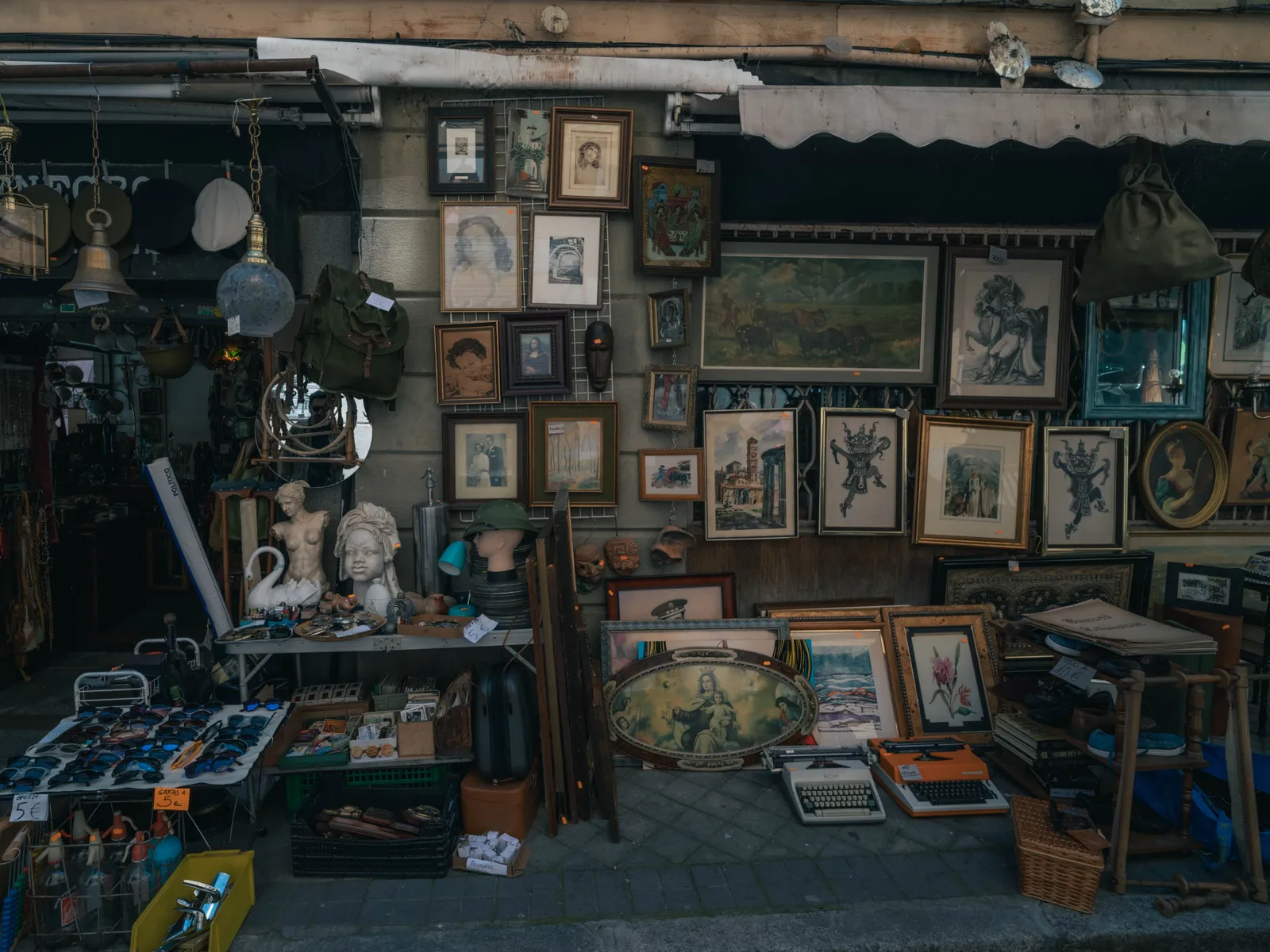
Or a slow day in Madrid. The market you walked past, the second museum you skipped, the neighbourhood you liked, a football stadium tour, the flea market if it is Sunday. This is the option returning visitors take, and they are usually right.
If you take the day trip, the fast trains make it genuinely easy: half an hour of travelling buys a town that has been there since the Romans, and our Segovia guide covers one of the three end to end.
Practical notes that shape the plan
Madrid is walkable, and the centre is smaller than the map suggests. You will use the metro less than you expect.
Sundays are special here: the flea market in the morning, La Latina afterwards, and a city that feels like it belongs to its residents.
Mondays close some museums, which is worth checking against your dates before you fix the order of these days.
Summer afternoons are genuinely too hot to walk, which is an argument for the museum day landing in the hottest part of the trip.
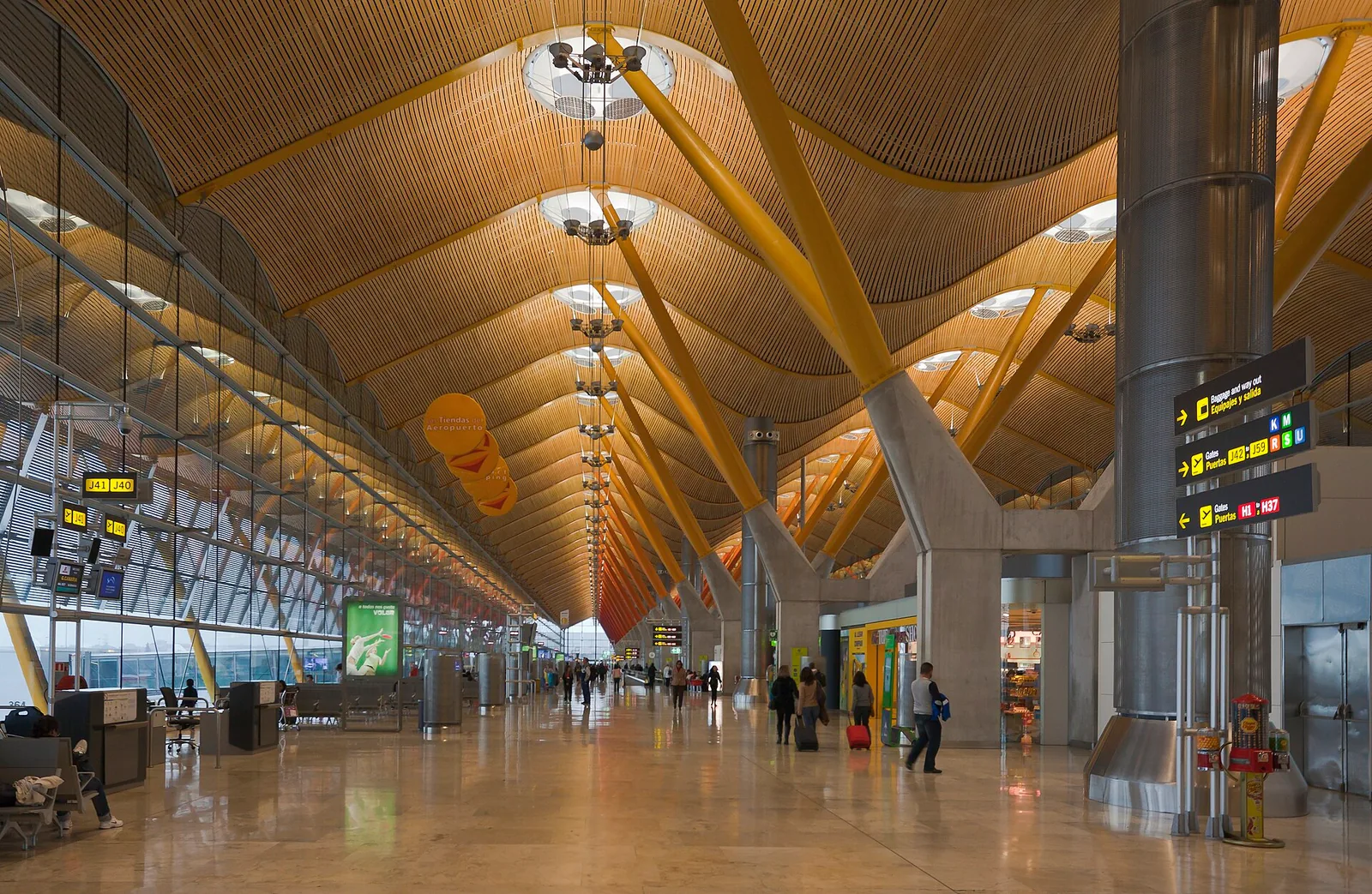
The first hour matters more than it should. Getting in from the airport is straightforward once you know which option suits your terminal and your luggage; our guide to Madrid airport transfers covers all four.
And a Sunday rearranges everything on its own, because El Rastro takes over La Latina from the morning and the tapas crawl that follows it is the best single afternoon in the city; our guide to El Rastro and the Madrid markets covers how to work it.
If this is your first time in the city, the habits that make these four days work, the late mealtimes above all, are worth reading before you arrive rather than adjusting to on day two: our first-timer’s guide to Madrid covers them.
The short version
Spend day one walking old Madrid with no tickets booked, day two on the Prado and one neighbour with a long lunch in between, day three on Retiro, a rooftop and an evening in Malasana or Chueca, and day four either on a day trip to Toledo, Segovia or El Escorial or on a deliberately slow day in the city. Book timed entry for the museums and the palace. Move your mealtimes two hours later on the first day and keep them there. And stay central, because in Madrid that means walking to almost everything.