Madrid Barajas sits unusually close to its city, which is why none of the transfer options is bad and why the decision comes down to luggage, timing and which terminal you land at rather than to minutes saved. Here is what each option actually involves, the supplement that surprises people on the metro, and the one option that solves a landing at three in the morning.
The four options
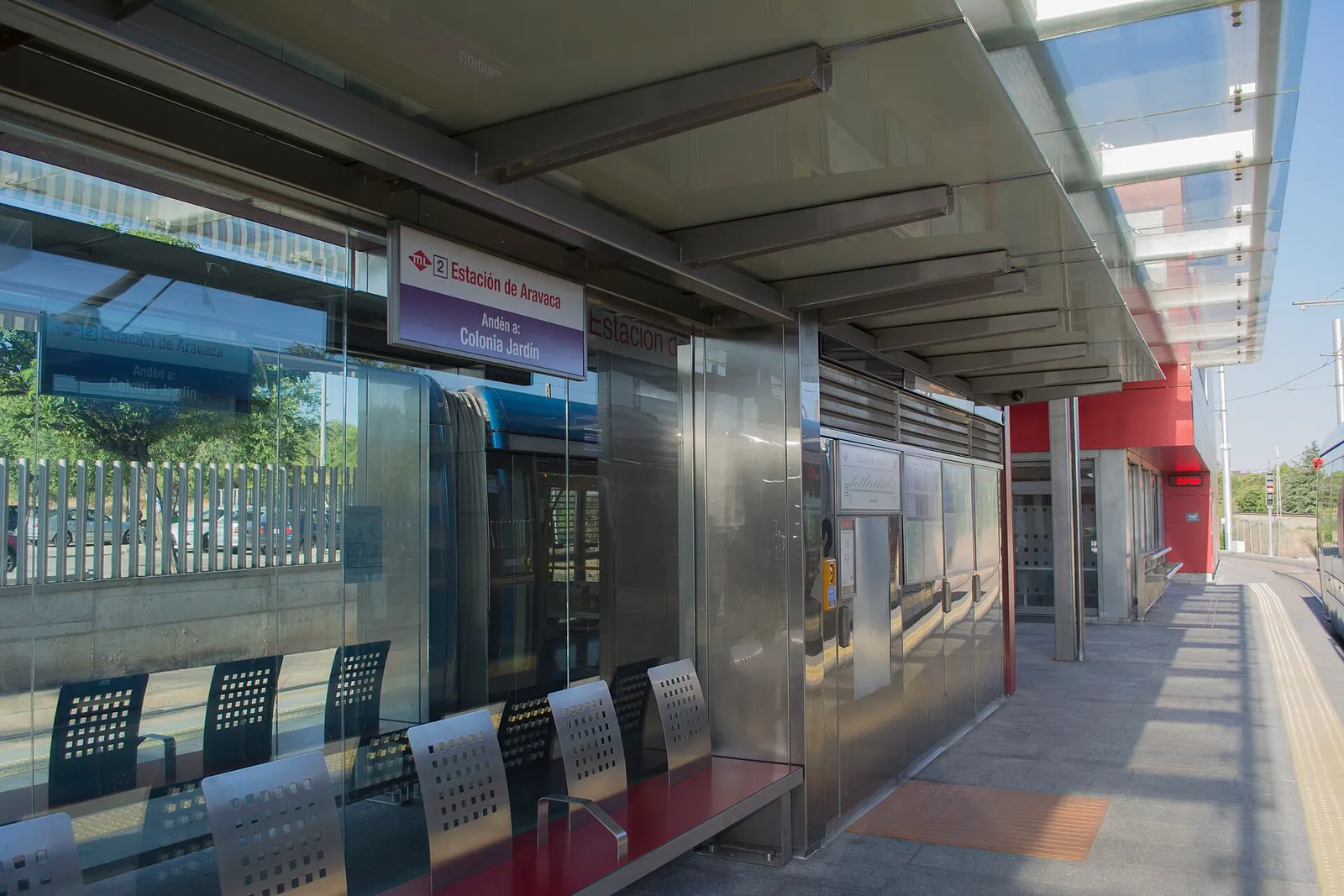
The metro connects the airport terminals to the network and is the cheapest way in. Every airport journey carries a supplement on top of the normal fare, which still leaves it far below everything else, and most central destinations need at least one change.
The express bus runs a direct route between the airport and the centre, around the clock, for a flat fare paid on board. Luggage goes in the hold rather than up an escalator.
The taxi runs on an official flat fare between the airport and the central zone rather than on the meter, which removes the usual haggling and the usual worry.
Ride apps operate at Barajas with designated pickup points and price dynamically, which sometimes beats the taxi flat fare and sometimes does not.
All four serve every terminal, but not equally conveniently, which is the next section.
The terminal changes the answer
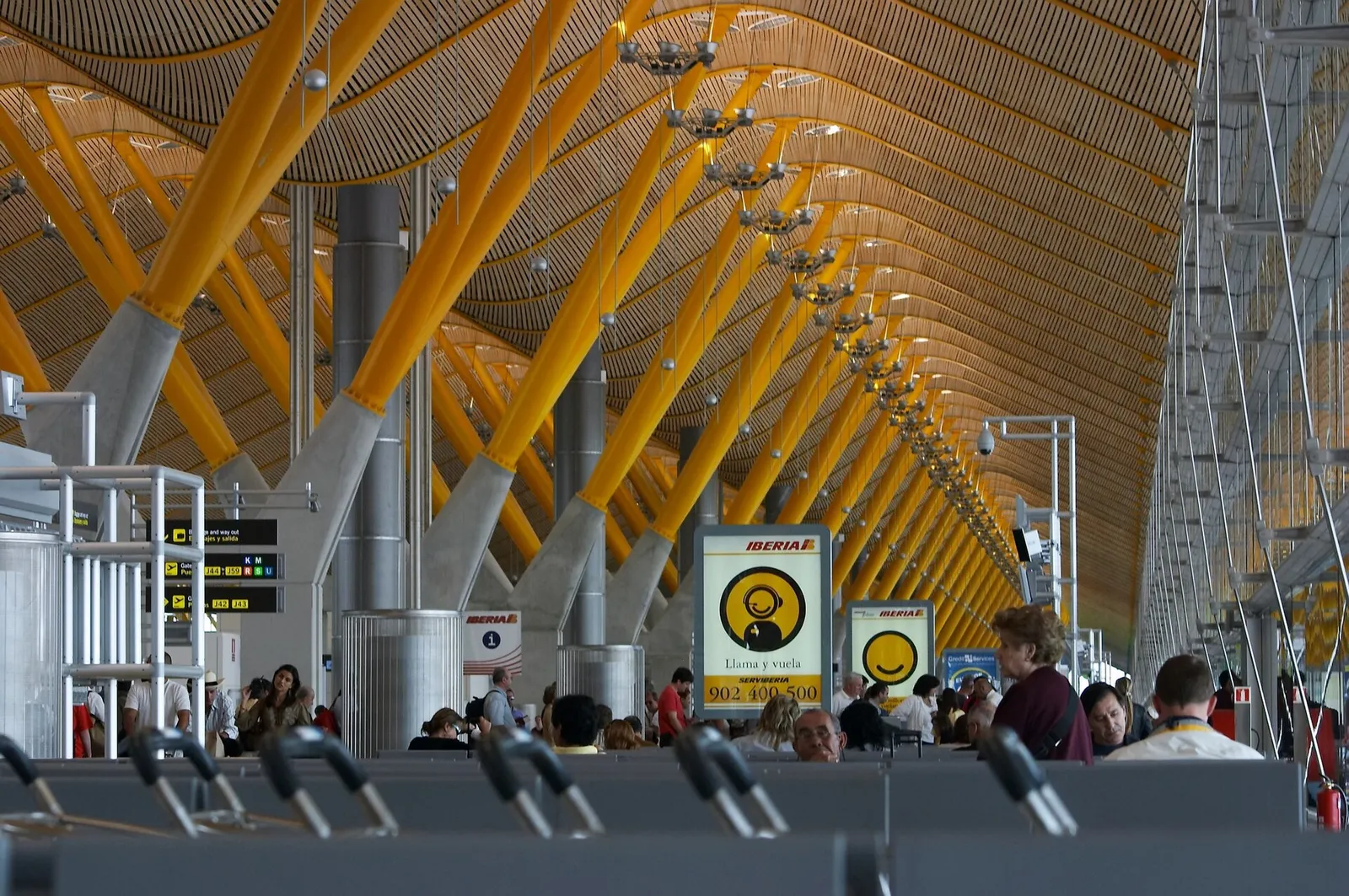
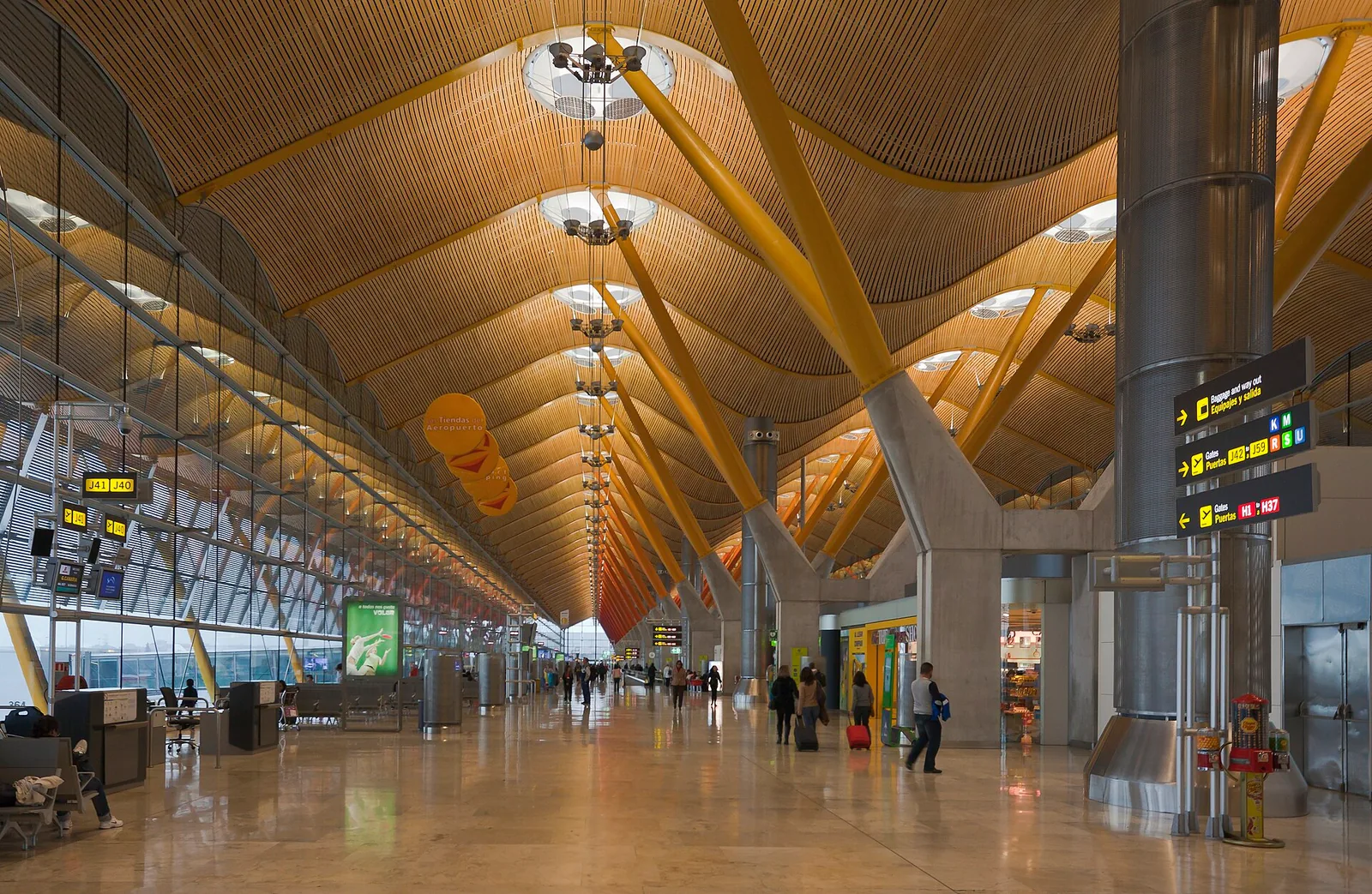
Barajas has four passenger terminals and T4 is a long way from T1, T2 and T3, with its own metro station, its own bus stops and its own taxi rank. A free shuttle connects them and it takes real time.
This matters in two situations. If you are connecting between a T4 flight and a T1 flight, budget properly for the shuttle. And if someone is meeting you, tell them the terminal rather than the airport, because getting the wrong one costs half an hour.
Check the terminal on your booking before you plan anything else in this guide.
Which one suits you
The choice comes down to two things: how much you are carrying, and what time it is.
Travelling light, arriving in daylight, staying near a metro station? The metro. Cheapest, frequent, and one change is not a hardship without a large case.
Arriving at night, or between the metro’s closing and opening hours? The express bus, without hesitation. This is the option that exists for exactly that problem and it is the reason a late flight into Madrid is not the ordeal it is in some cities.
Three or four people, or a lot of luggage? The taxi, on the flat fare, split.
Staying somewhere the metro reaches awkwardly? The bus if it is on your side of the centre, the taxi if it is not.
The metro in practice
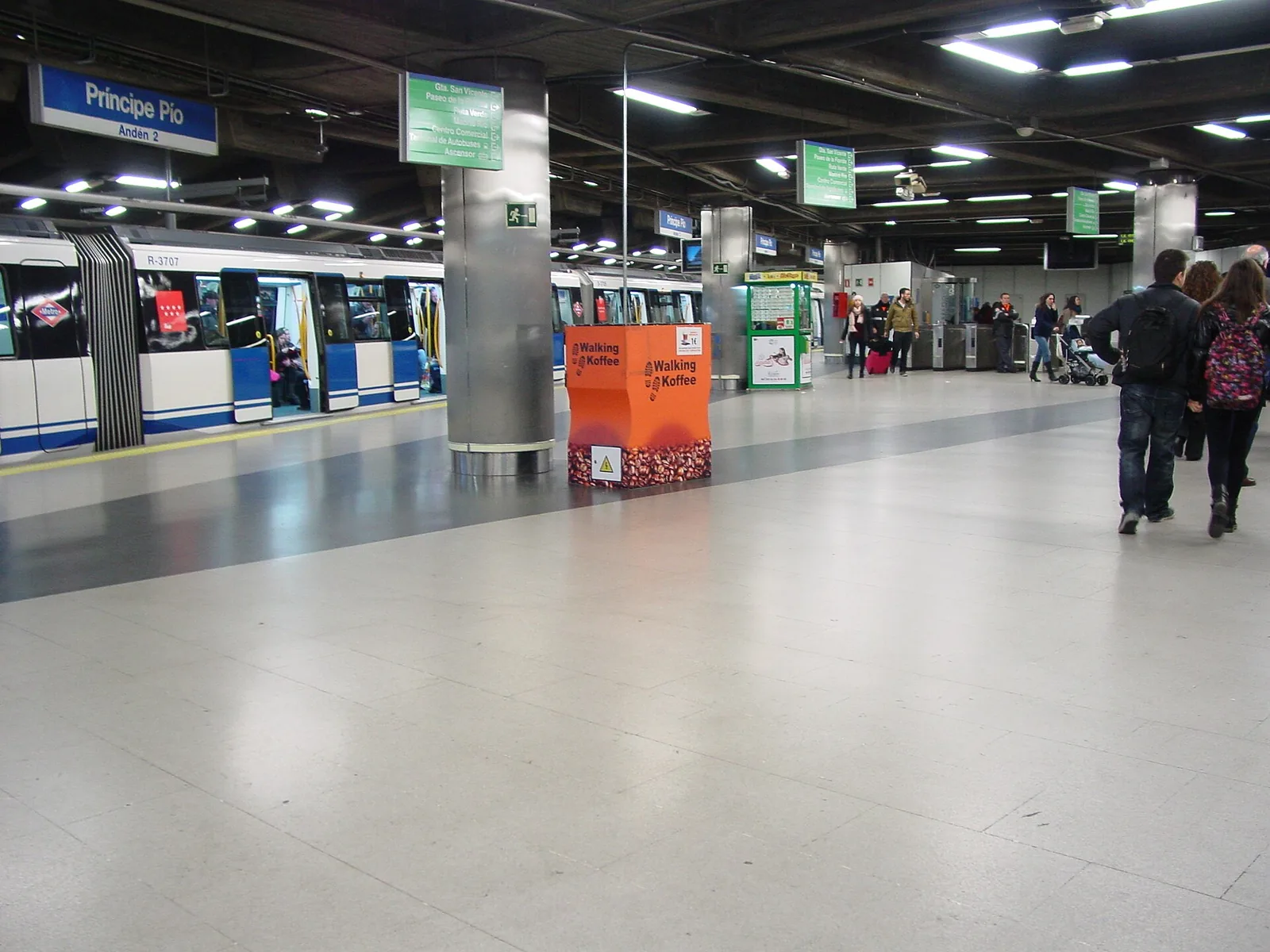
Madrid’s metro is genuinely excellent: clean, frequent, air conditioned and signposted clearly.
Buy the rechargeable card at a machine in the airport station. The machines work in English and take cards. The card itself costs a small one-off amount and then holds either single tickets or a multi-journey load.
Expect a change to reach most central destinations. The airport line connects into the network rather than running through the middle of it.
Escalators and lifts exist but not everywhere and not always working, which is the argument against the metro with two large cases rather than the fare.
It closes overnight, which is the argument for the bus.
Departure day
Reverse the trip with more margin than you think.
Barajas is large and the walk from the metro or bus stop to your check-in desk is longer than at most airports, particularly at T4.
Rush hour affects the road options and barely affects the metro, which is the reverse of the arrival calculation for a lot of people.
The express bus runs through the night, which makes a dawn departure straightforward without a night-rate taxi.
The gap between the cheapest way in and the most comfortable one is the single biggest line item of the arrival day, and it is worth deciding against the rest of your spending rather than in isolation; our guide to Madrid on a budget sets out what the city costs day to day.
Once you are in town
The card you bought at the airport is the same one that runs the rest of the trip, on the metro, the city buses and the suburban trains that reach the day-trip towns. Our guide to getting around Madrid covers the whole system, the zones and which passes are worth it for a short stay.
And if you are landing without a plan for the days themselves, the city is compact enough that four days covers it properly rather than at a jog; our four-day Madrid itinerary sets out an order that works.
The short version
Check your terminal first, because T4 is a different journey from T1. Take the metro if you are travelling light in daylight, remembering the airport supplement on top of the normal fare and buying the rechargeable card at the machine. Take the express bus if you are arriving at night, carrying a lot, or leaving before the metro opens, because it runs around the clock for a flat fare. Take the official flat-fare taxi if there are three or four of you. All four are good, which is not something you can say about many capitals.