Madrid does something unusual among European capitals: its great museums open their doors without charge, and at the Prado and the Reina Sofia that window falls in the last hours of the day. The Thyssen is the exception that catches people out, because its free slot is on Monday afternoons and covers the permanent collection only, so do not assume all three are free at the same hour. It is a real policy rather than a discount scheme, it saves a family a meaningful amount, and it is also the busiest the buildings get. Here is what the free period is actually like, when it is the right choice and when paying is the better one, and how to check the details that change.
What the free hours are
The principle is simple. Several of Madrid’s major museums make the final part of their day free to everyone, with no conditions attached beyond arriving.
It is genuine free entry, not a reduced ticket.
It applies to the permanent collection, and temporary exhibitions are frequently excluded, which surprises people who came specifically for one.
The exact days and hours differ by museum and are revised periodically. This is the important caveat and the reason this article does not print a timetable: the only reliable source is each museum’s own site, checked against your dates. Treat the concept as dependable and the specifics as something to confirm the week you travel.
What it is actually like
The honest description is that it is free and it is busy.
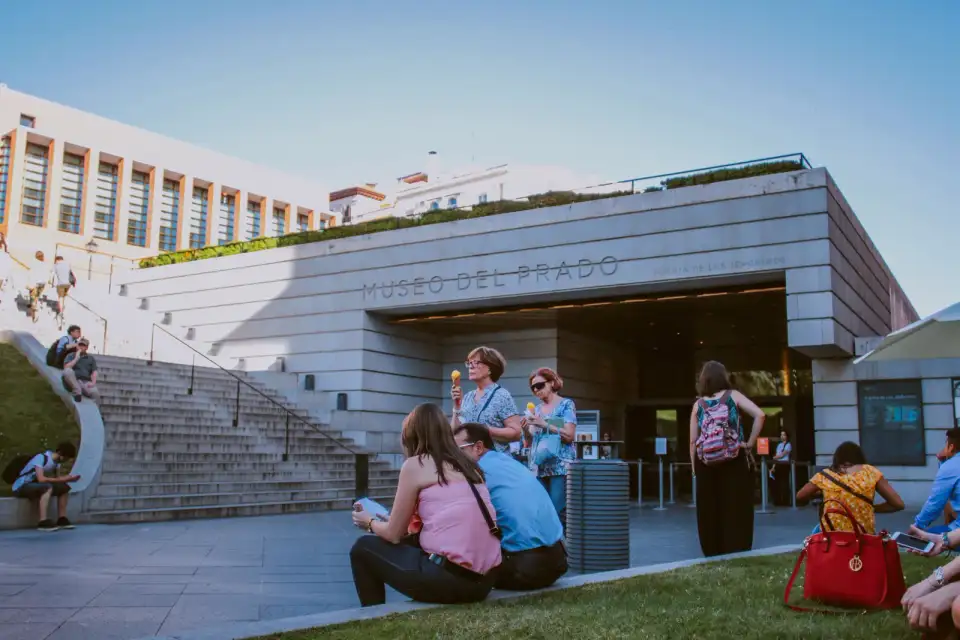
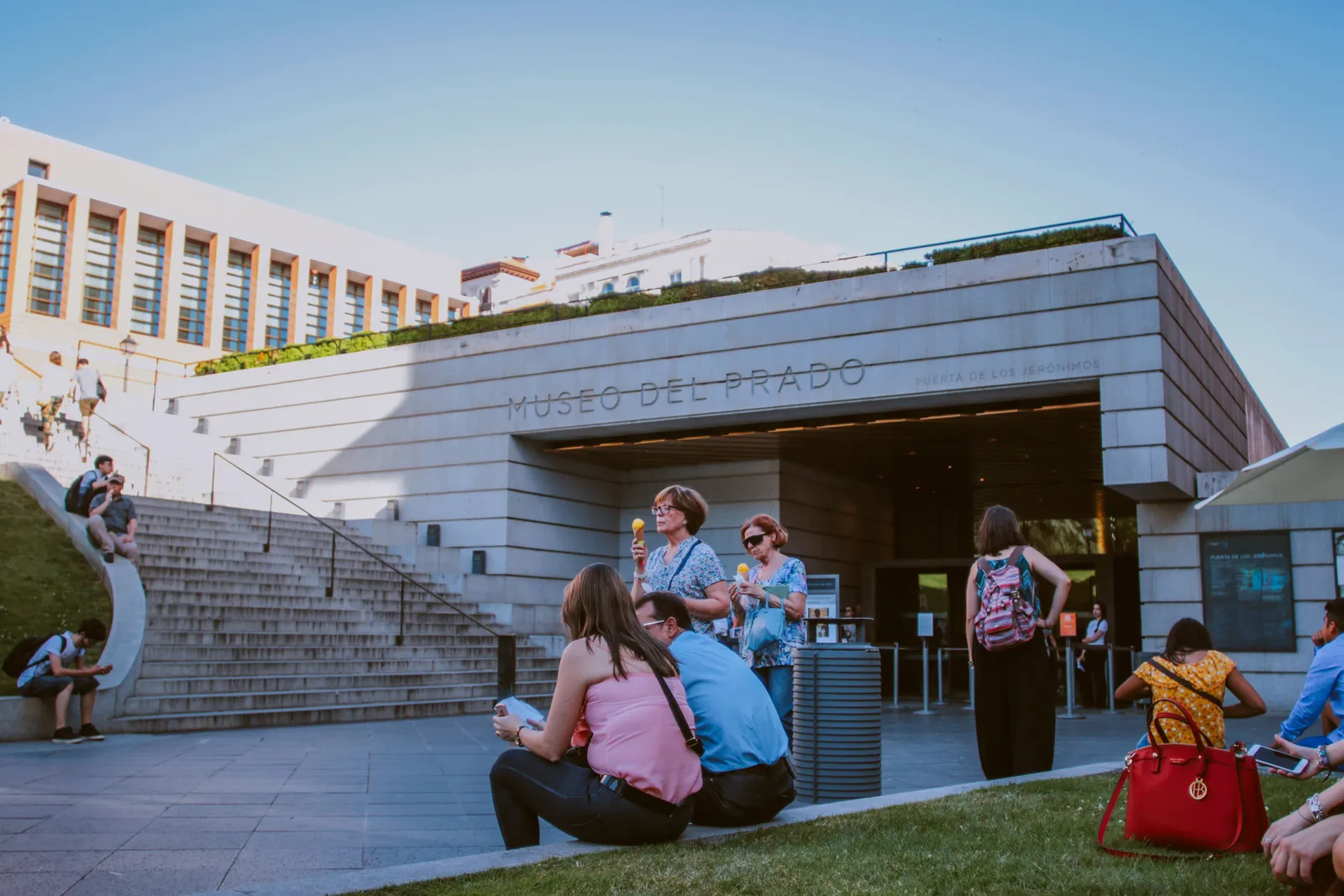
A crowd forms before it opens. A large number of people arrive at the same minute, which produces a queue that is longest right at the start and shorter half an hour in.
You still collect a ticket, which does not let you skip that queue the way a paid timed entry does.
Inside is fuller than at any other time of day, particularly in front of the famous works, which is precisely where you wanted to stand.
The time is limited by closing, and rooms begin shutting before the building does, so the last part of the period is shorter than it looks.
None of that makes it a bad idea. It makes it a specific kind of visit rather than a discounted version of the normal one.
When free is the right choice, and when it is not
The decision comes down to what kind of visit you want.
Free works brilliantly for a second visit. You already know which three rooms you want, you walk to them, you spend forty minutes and you leave. This is how people who live here use the museums and it is genuinely the best use of the policy.
Free works well for a smaller museum, where a crowd of that size is absorbed easily and the collection is coverable in the time available.
Free works badly for a first visit to a very large museum. Two crowded hours at the end of a day is not how to meet one of the world’s great collections, and the money saved is small against the cost of the trip.
Free works badly if your trip is short. On a three or four day visit, an hour spent queueing is a real fraction of the holiday.
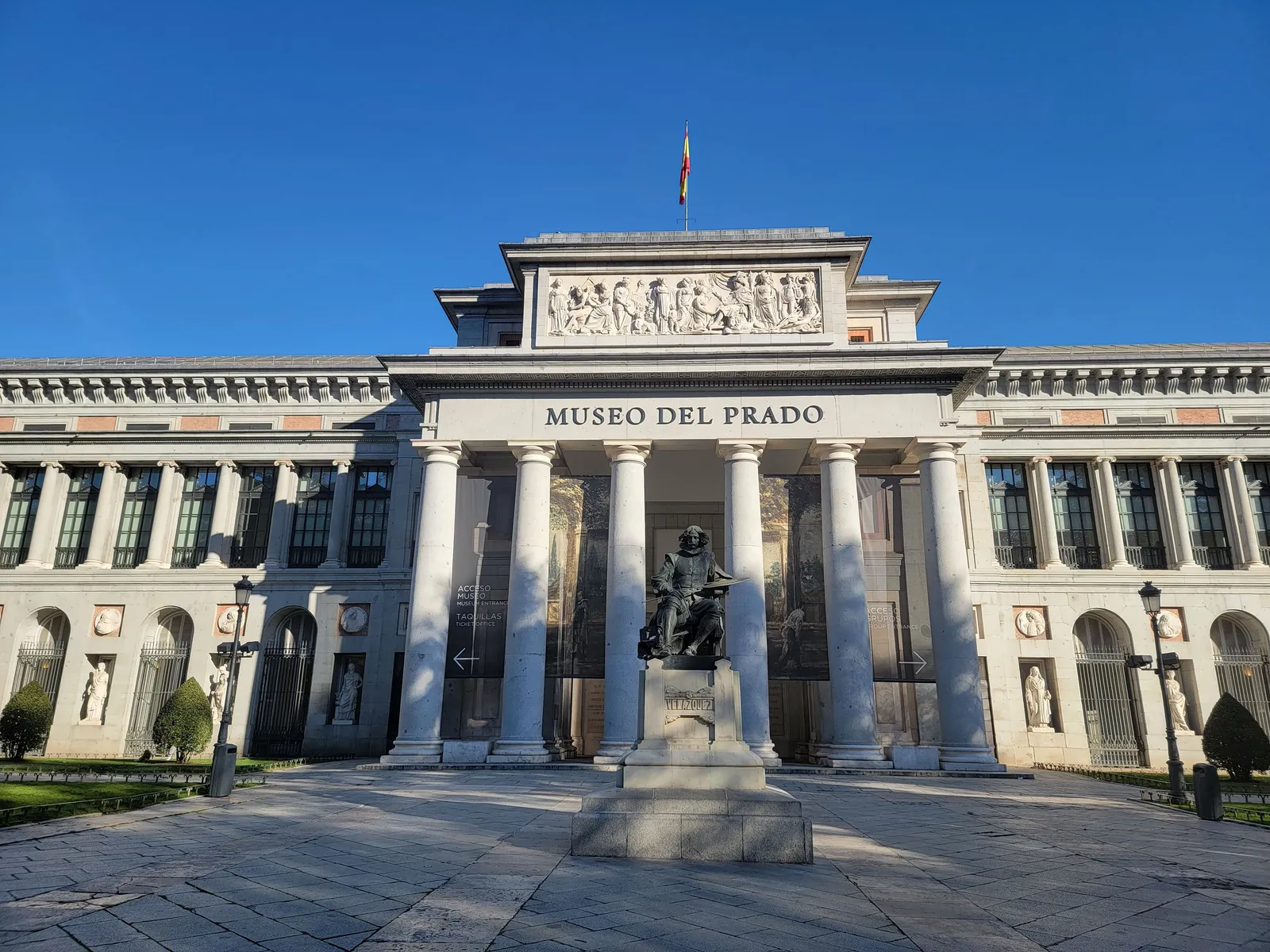
The pattern that most experienced visitors settle on is to pay for a calm morning and return for free. Our guide to visiting the Prado covers how to structure that paid visit so two or three hours are enough.
Making the free period work
If you are going, a few things help.
Arrive before it starts, not on time. The queue is at its worst in the first ten minutes and moves quickly after.
Or arrive deliberately late, thirty or forty minutes in, accepting a shorter visit in exchange for walking straight in. For a targeted second visit this is the better play.
Know your three rooms before you go through the door. There is no time for wandering and no space for it either.
Check whether the temporary exhibition is included. Usually it is not, and it is usually the thing your friend told you to see.
Bring as little as possible. Cloakroom queues at peak times add to everything above.
The other ways to spend less
The free hours are the famous saving and they are not the only one.
Concessions apply throughout the day for students, younger and older visitors and several other categories, and they are frequently unclaimed simply because nobody asks.
Combined tickets across the three big central museums cost noticeably less than three separate entries, and they usually allow the visits on different days, which is exactly the pacing this city’s museums need.
Smaller museums across Madrid charge little or nothing at any time, and several of them are outstanding. A city with this much art has more than three places worth an afternoon.
Our guide to the golden triangle compares the three big collections and covers the combined ticket, which is the decision that determines whether the free hours matter to you at all.
Fitting it into the days
The free period lands at the end of the afternoon, which in Madrid is an awkward slot: it collides with the gap between a late lunch and a nine o’clock dinner, and it is when the light outside is at its best.
That is another argument for using it as a second, short visit rather than a main event. Our four-day Madrid itinerary puts the museums in a morning for exactly that reason and leaves the end of the day to the rooftops and the neighbourhoods, which is where this city is at its most enjoyable.
The short version
Madrid’s big museums really are free for the last hours of the day, the exact times differ by museum and change, and the only reliable source is each museum’s own site checked against your dates. Expect a queue at the start and a full building throughout. Use the free period for a short second visit to rooms you already know you like, and pay for a quiet morning on the first visit, because on a short trip the calm hour is worth far more than the saved entry.