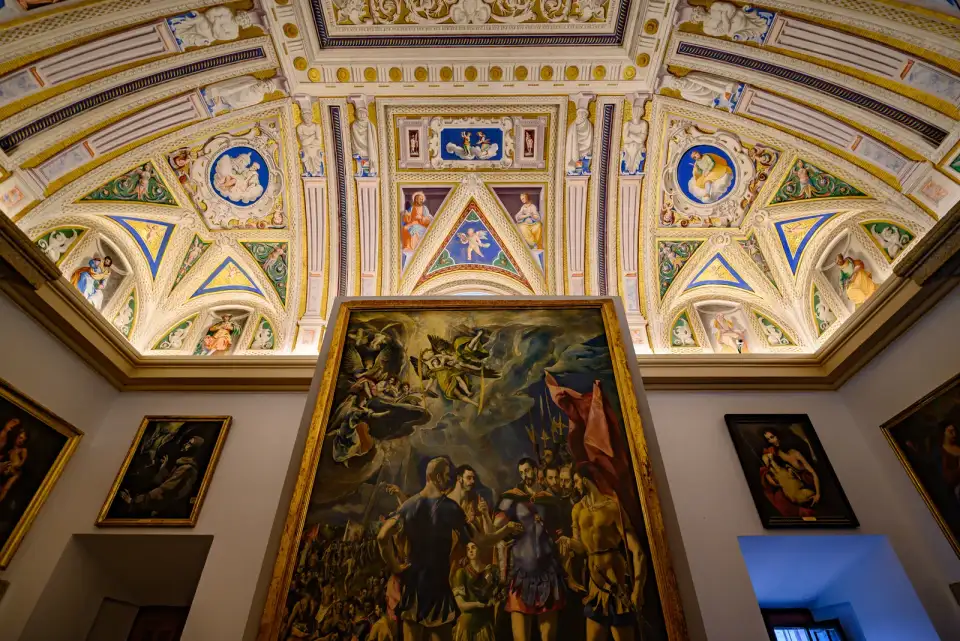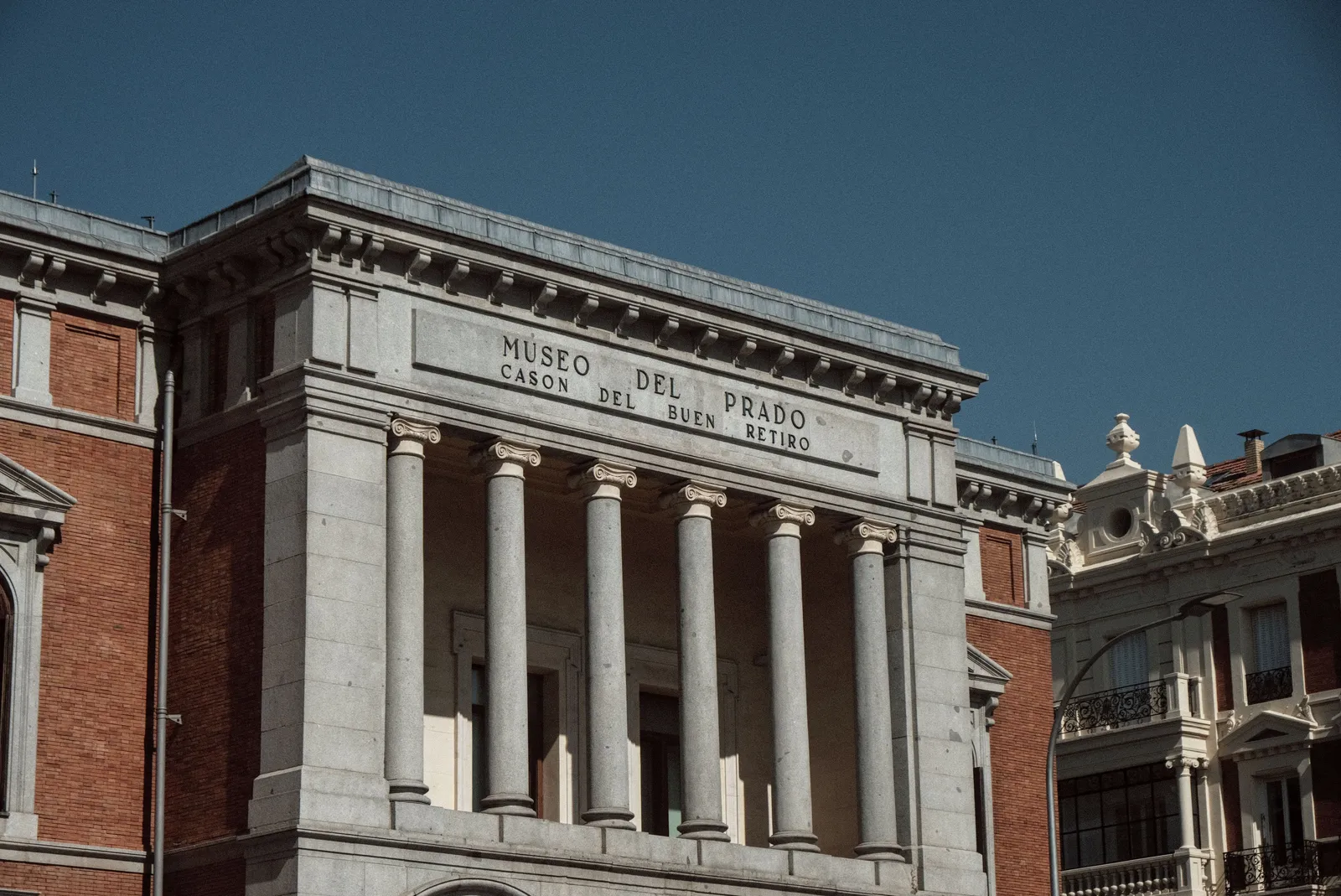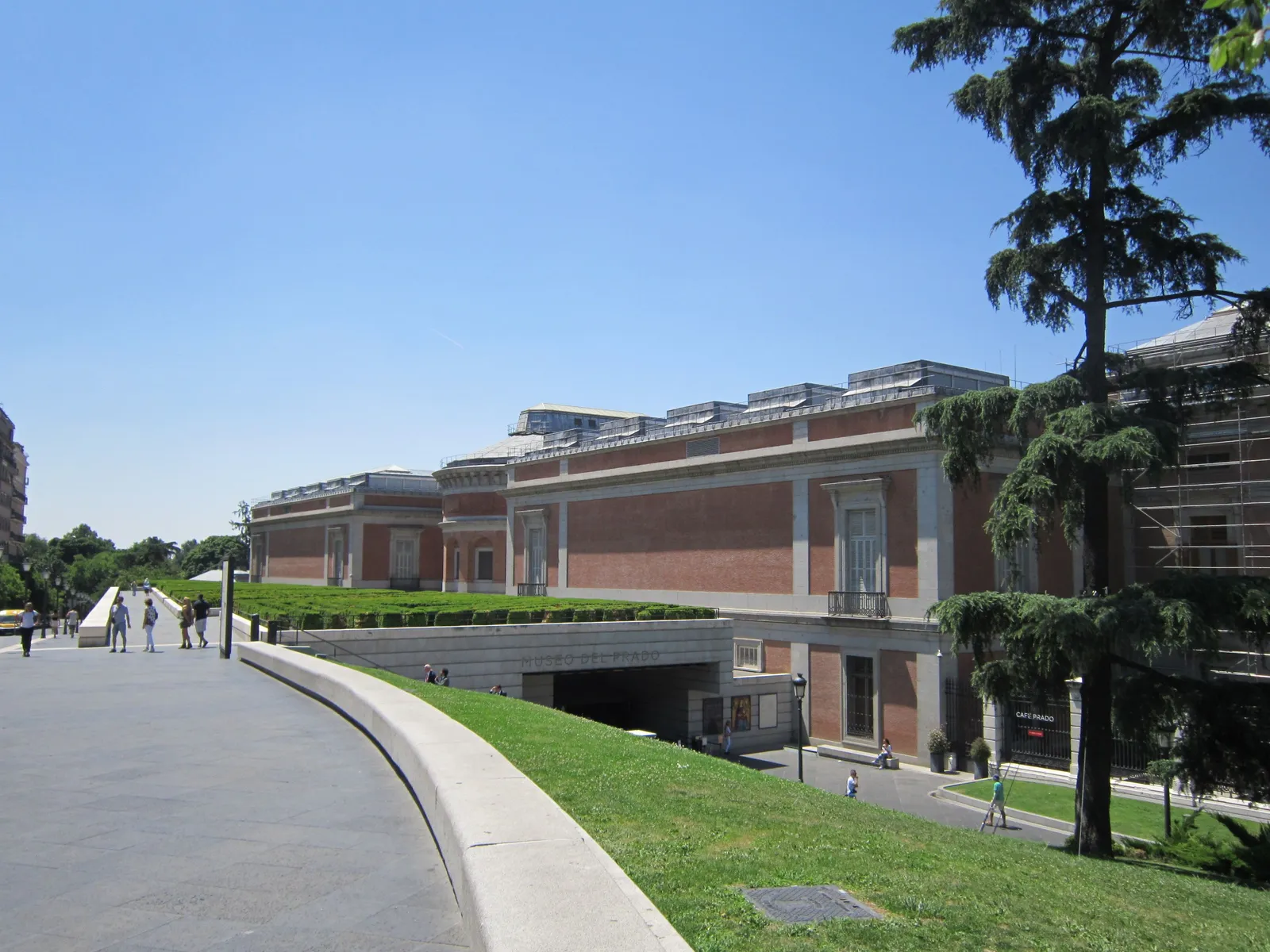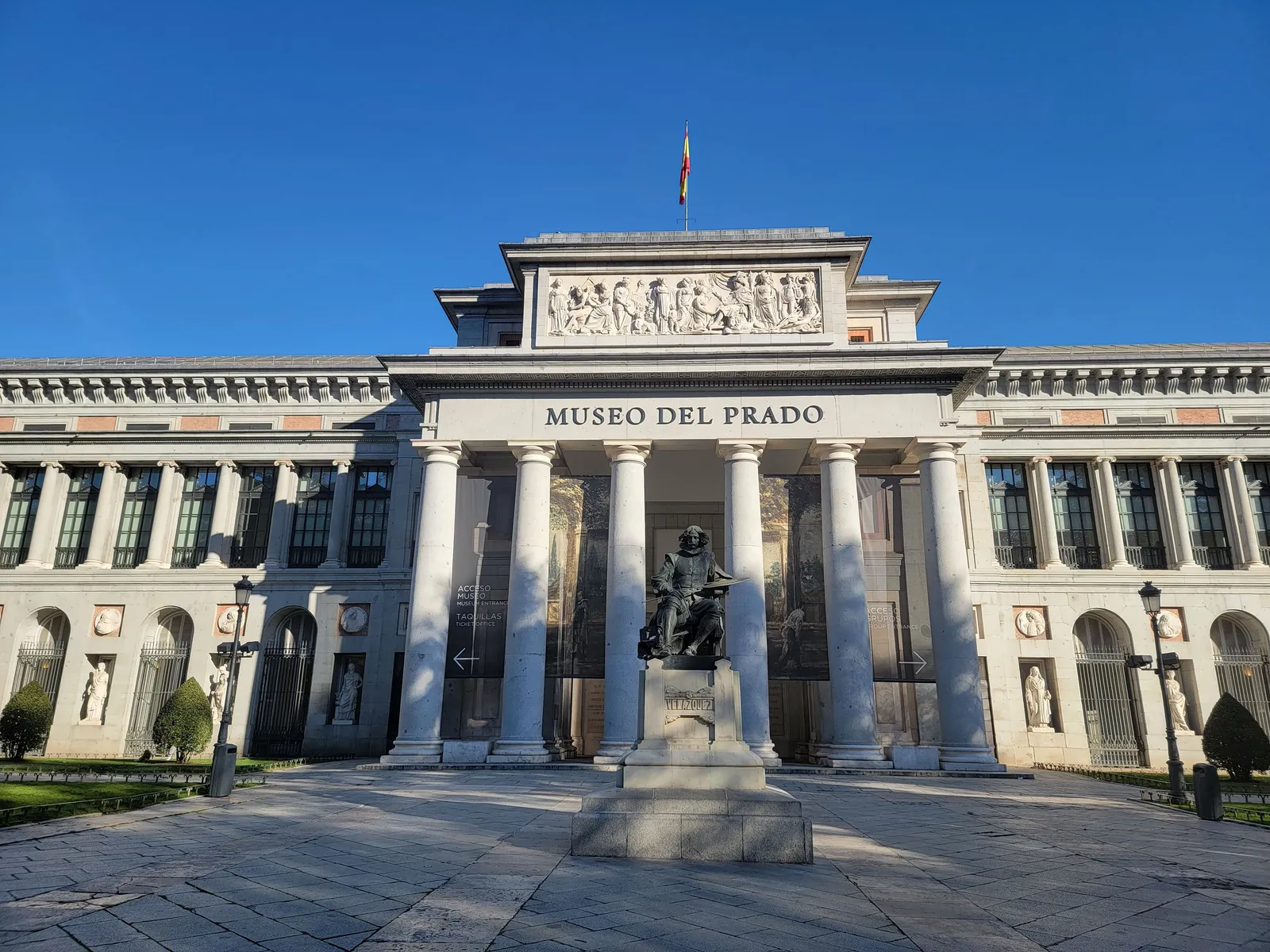
The Prado is not a museum you finish. It holds one of the greatest collections of European painting anywhere, arranged over a building large enough that visitors routinely walk five kilometres inside it and come out remembering nothing in particular. The trick is not stamina, it is a shortlist. Here is how to spend two or three hours in a way you will still be thinking about later.
The case for going small
Most disappointing Prado visits share one cause: an attempt at completeness.
The collection runs to thousands of works. Seeing them properly is a project of several visits, and seeing them improperly is a blur of gilt frames and aching feet. Museum fatigue is a real and well-documented thing, and it arrives at about the ninety-minute mark whatever your enthusiasm.
So pick a route rather than a floor. Two hours on twenty works beats five hours on two hundred, and it is the difference between having been to the Prado and having seen it.
What most people come for
Three groups of works carry the museum’s reputation, and between them they fill a very good ninety minutes.
Velazquez. The court painter of Habsburg Spain, and the reason a great many people are here. The enormous group portrait of the royal family and its painter is the single most discussed painting in the building, and the rooms around it hold portraits that repay standing still.
Goya. A career in one museum, from bright court commissions through to the very dark late works painted on the walls of his own house. The sequence is what makes it extraordinary rather than any single canvas, and it is worth walking in order.
Bosch. The great triptych is unlike anything else in the collection, endlessly detailed and endlessly strange, and it draws a crowd for good reason.
Add whatever else your taste demands, the Italians, the Flemish rooms, the El Greco, and you have a visit rather than a march.
Timing your visit
The Prado’s crowds are predictable, which makes them avoidable.
Right at opening on a weekday is the quietest the building gets, and the Velazquez rooms in particular are a different experience empty.
Late morning is the worst, when the coach groups and the cruise excursions arrive together.
Mid afternoon thins out again, and is the second-best window.
The first half hour of the free evening period is the most crowded time of the day, because a large number of people arrive at exactly the same minute.
Mondays are worth checking against your dates, since museum closing days vary and catch visitors out.
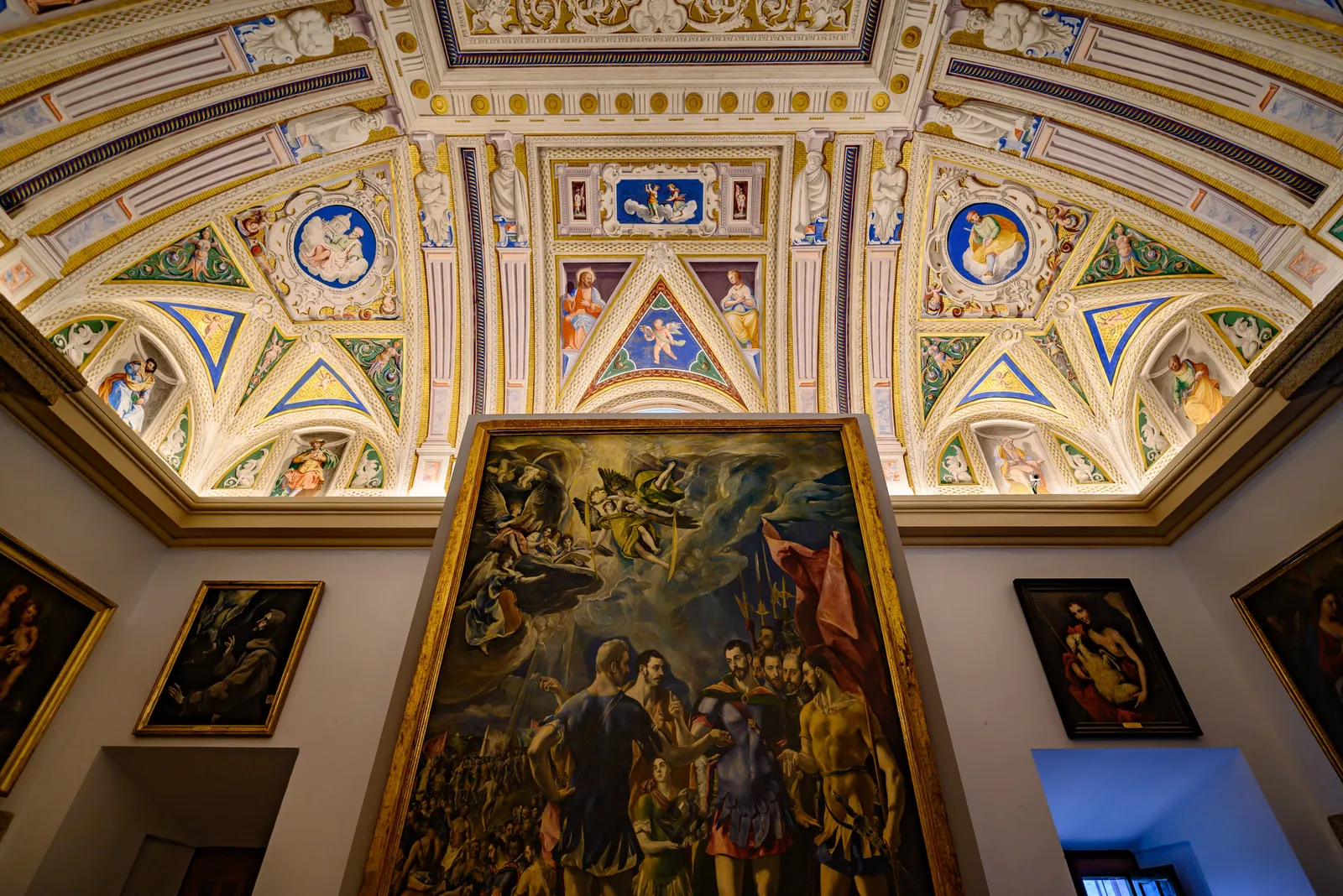
Practical details
Book timed entry online. It costs the same as the door and it removes the queue, which is otherwise the only unpleasant part of the visit.
Bags and coats go in the free cloakroom, and large bags are not permitted in the galleries.
No photography. This is unusual and it turns out to be a feature: an hour in these rooms without a phone in front of you is a noticeably different experience.
The audio guide and the official themed routes are good, and the routes solve exactly the problem this article is about by giving you a defined subset.
Eat before or after, not during. The cafe is fine and the timing is better spent on the local schedule, which means a long lunch after a morning visit.
The Prado and its neighbours
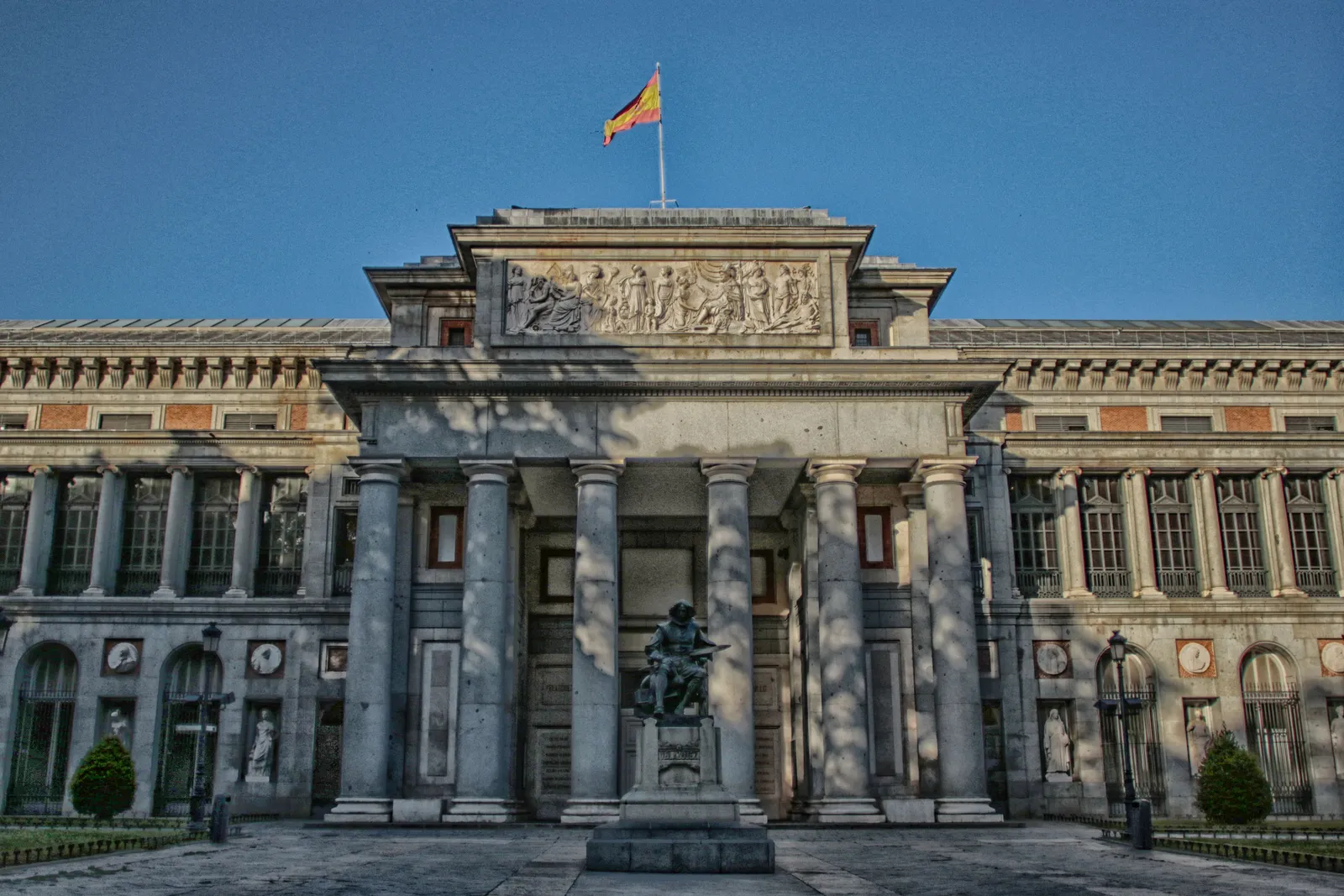
The Prado is one of three major museums within a few minutes’ walk of each other, and the temptation is to do all three in a day.
Resist it. Two in a day is already ambitious and three is a blur. The usual pattern that works is the Prado in the morning, a long lunch, and one neighbour in the afternoon, chosen by taste rather than obligation.
Our guide to the golden triangle of museums compares all three and covers which suits which visitor, which is the decision to make before you book anything.
Fitting it into the trip
On a short city break the Prado deserves a morning rather than a slot, and the day around it should be built accordingly: nothing scheduled immediately after, a proper lunch, and something outdoors in the afternoon.
Our four-day Madrid itinerary puts it on day two for exactly that reason, after a first day of walking and before the parks and the neighbourhoods, which is the order that leaves people least tired.
The short version
Book timed entry, arrive at opening on a weekday, and go in with a shortlist rather than a floor plan. Velazquez, Goya and the Bosch triptych are ninety minutes and are what you came for. Leave after two or three hours while you are still enjoying it, eat a long lunch, and consider coming back during the free evening period for a short second visit rather than trying to see everything at once.