Madrid’s golden triangle of museums is usually introduced through its oldest and grandest member, but the Reina Sofía is the one that changes how you see the other two. Where the Prado stops at the turn of the twentieth century, the Reina Sofía starts there, and its single best known reason for being on most visitors’ list is one painting: Picasso’s Guernica. Give it a proper morning rather than a rushed hour, because there is a great deal here beyond that one room.
Guernica, and the room around it
Guernica is the reason most people come, and it earns the reputation. Picasso painted it in 1937 in a matter of weeks, responding to the bombing of the Basque town of Guernica during the Spanish Civil War, and the huge grey, black and white canvas has been read as one of the twentieth century’s clearest statements against the horror of war ever since. It hangs in a room of its own, surrounded by studies and preparatory sketches that show how the composition changed as Picasso worked, which is worth ten minutes on its own if you care how the painting was built rather than only what it shows.
The room tends to be crowded and hushed at the same time, in a way that few other rooms in Madrid manage. Photography rules around Guernica are stricter than in most of the museum, so check the signage as you go in rather than assuming the same rules apply everywhere.
What else is here
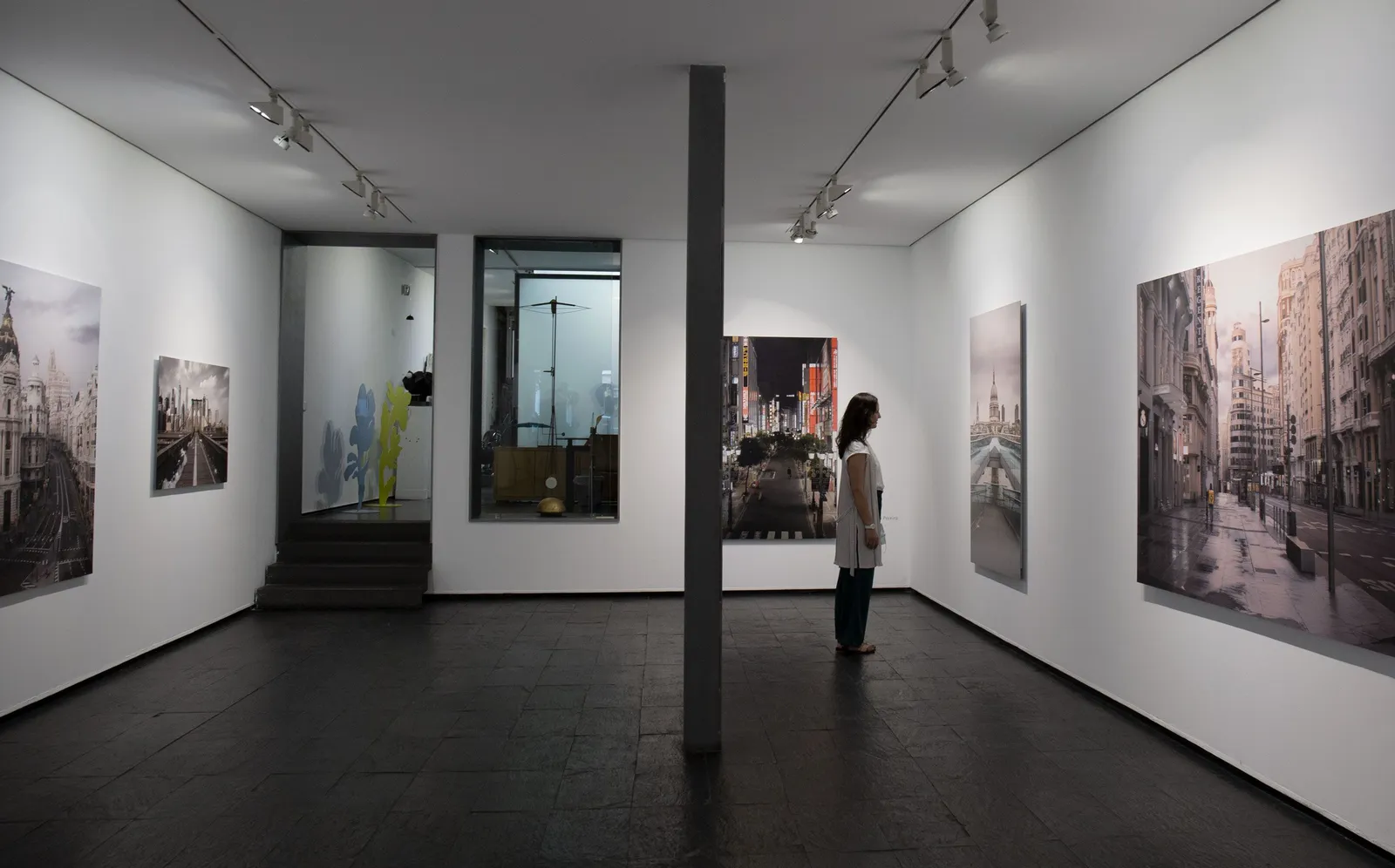
Guernica is one painting in a collection that runs across the whole of Spanish and international modern art. The permanent collection gives real space to Salvador Dalí, with surrealist works spanning his career, and to Joan Miró, whose bright abstract canvases are a genuine change of pace after the greys of the Picasso rooms. Beyond the three big names, the museum’s twentieth century Spanish sculpture and painting is deeper than most first time visitors expect, and the later floors move into photography, film and contemporary installation, which is where the Reina Sofía diverges most sharply from its neighbours.
Two to three hours covers Guernica, the surrounding Picasso and Dalí rooms and a reasonable pass through the rest, which is enough for a first visit without exhaustion setting in.
The building
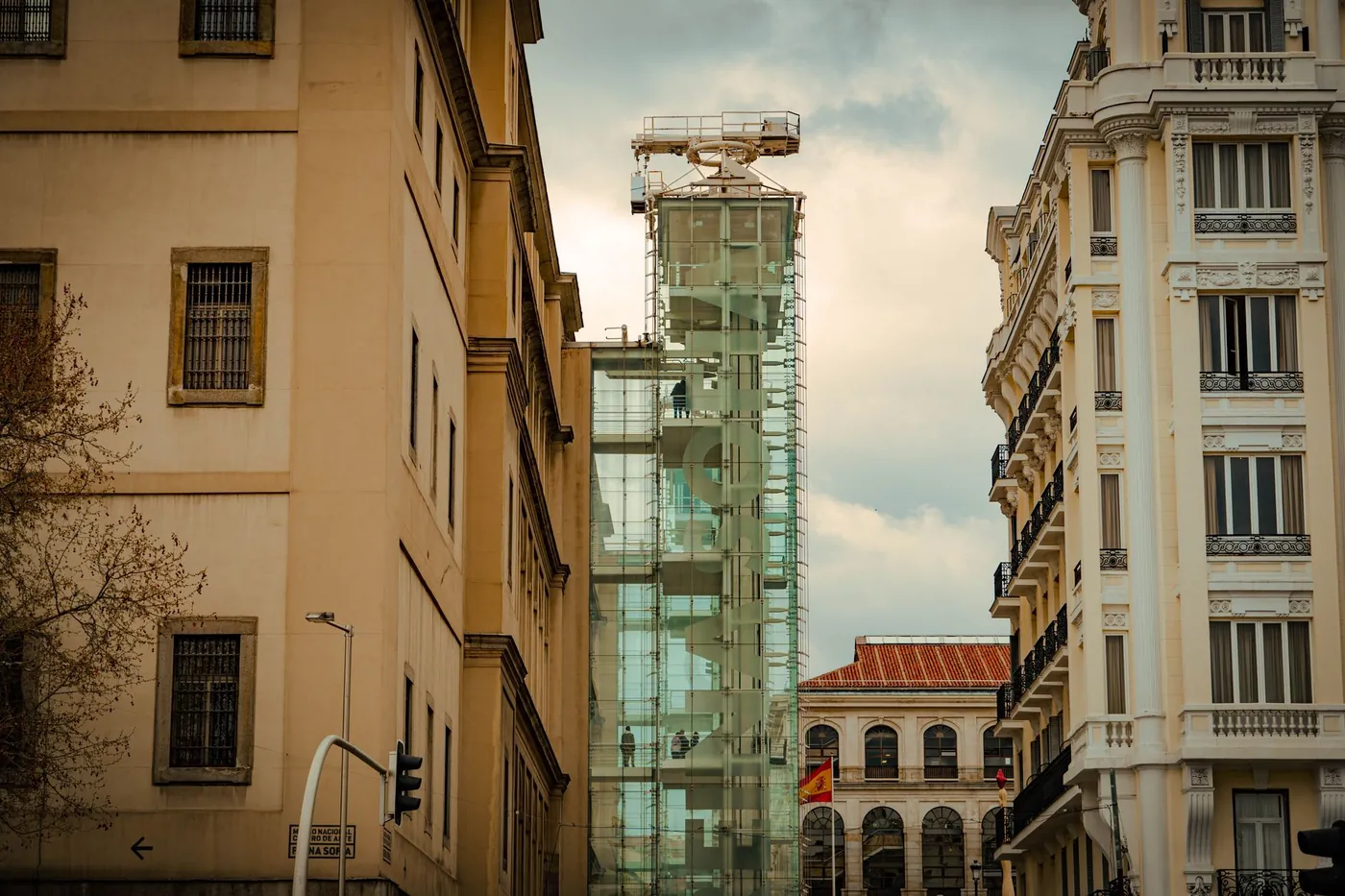
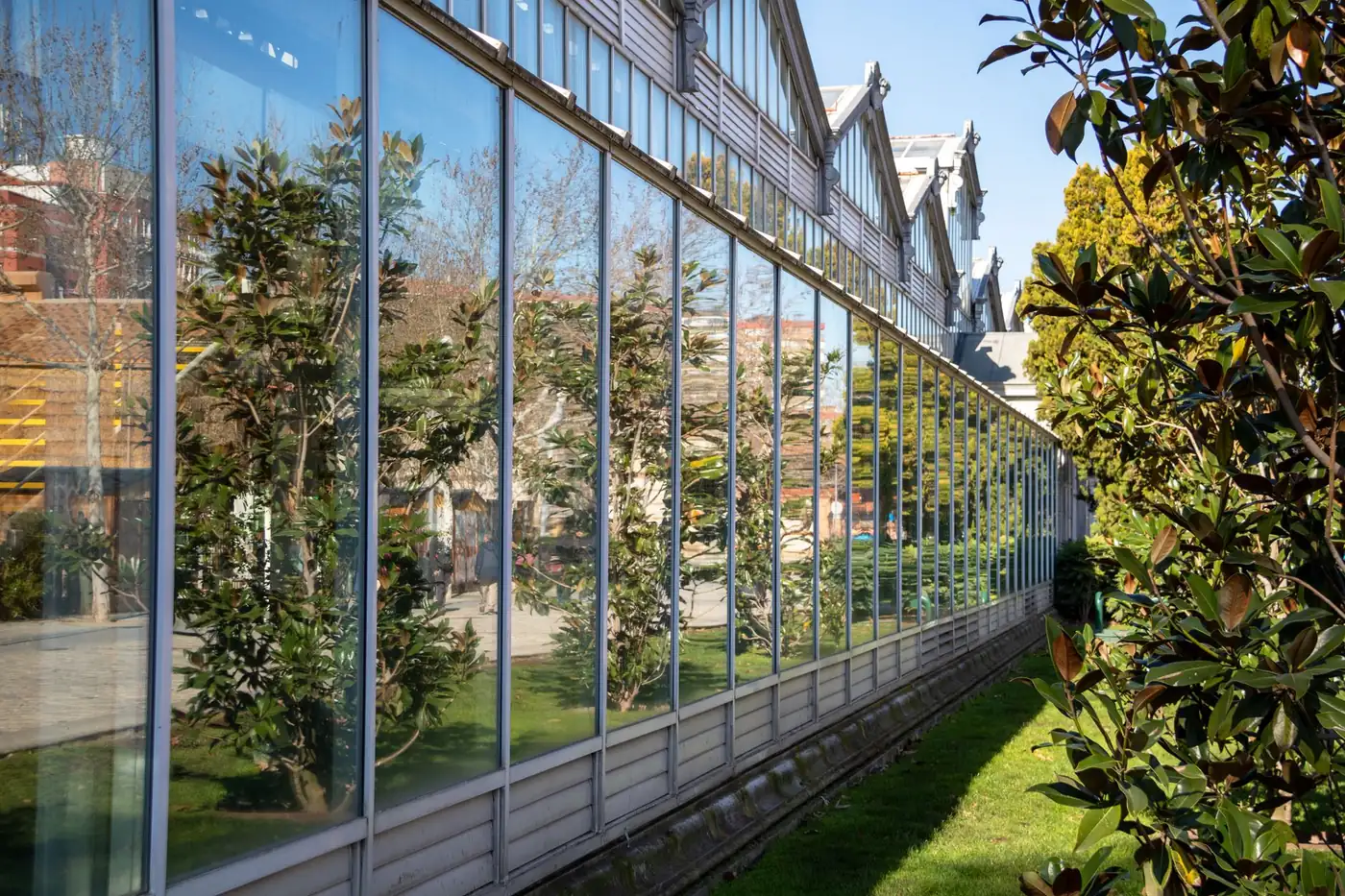
The Reina Sofía occupies a former eighteenth century general hospital, a long stone building with an unmistakably institutional plan, alongside a glass and steel extension added in the early 2000s by the architect Jean Nouvel. The contrast is deliberate and it works: the old wings hold the historic collection in a sequence of plain, high ceilinged rooms, while the new wing handles temporary exhibitions, the auditorium and the library in a lighter, more contemporary space. The courtyard between the two, with its glass lift shafts set against the old facade, is worth a look on the way in rather than heading straight for Guernica.
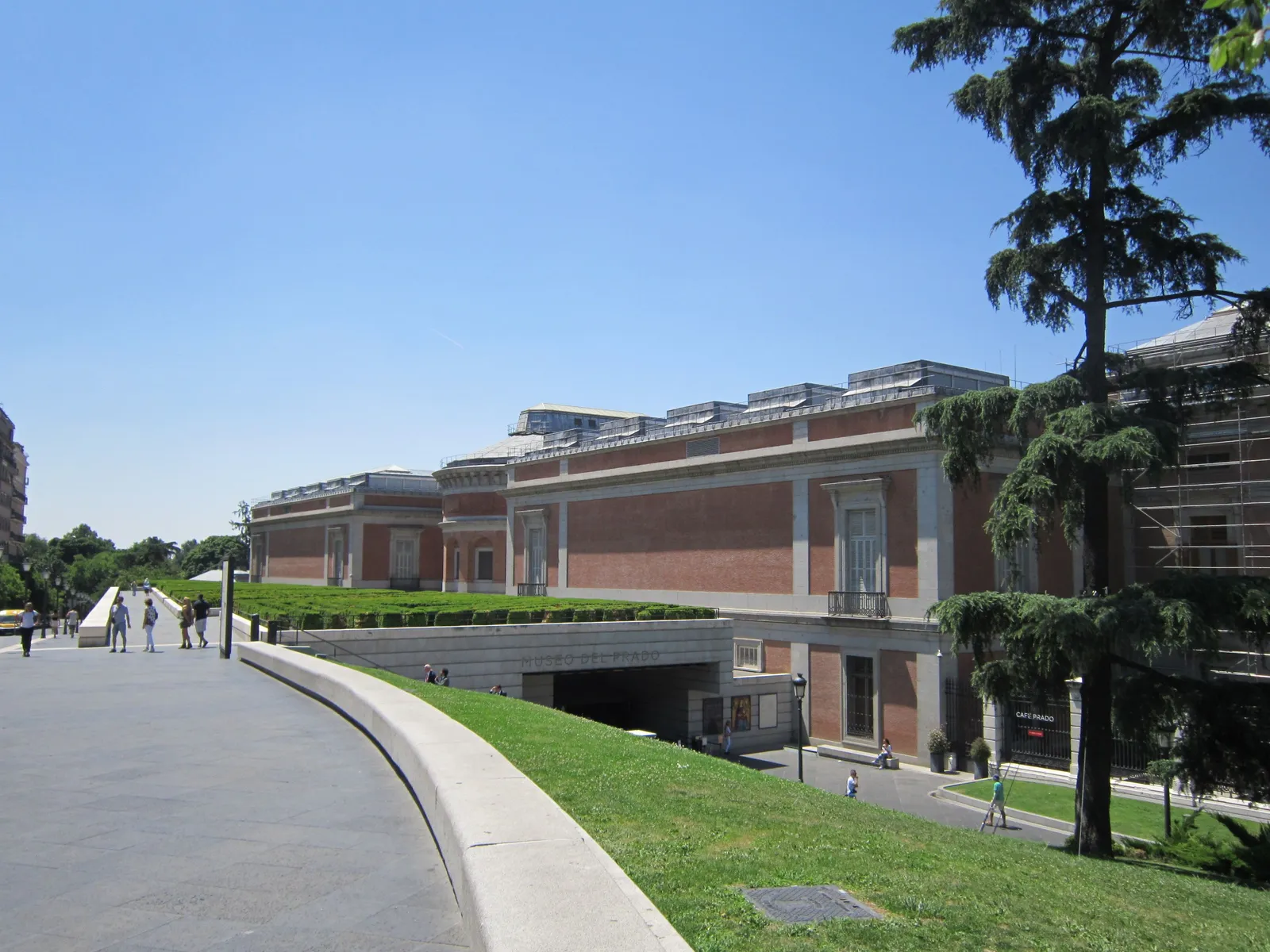
Unlike the Prado, whose building was designed as a museum from the start, the Reina Sofía was not, and the old hospital layout is still legible if you know to look for it: long straight corridors, tall windows and a formality that has little to do with the twentieth century art hanging on the walls.
Getting in without the queue
Booking a timed ticket online is worth doing here just as it is at the Prado, and for the same reason: it removes a wait that otherwise eats into the morning. The museum runs free entry windows at points during the week, and they draw a considerably bigger crowd than a normal paid slot, so a booked ticket outside those hours is usually the more comfortable way to see the collection properly rather than in a crush. Its closing day does not always match the Prado’s, so check both before planning a two museum trip around them, rather than assuming they are shut or open on the same day.
Book Reina Sofía tickets aheadTimed entry and combined passes for the golden triangle museumsReina Sofía against its neighbours
The three museums of the golden triangle are often marketed together and visited separately for good reason: each covers a different period and rewards a different kind of attention. The Prado is old masters, Spanish and European painting up to the early twentieth century, built for slow, repeated visits. The Thyssen-Bornemisza runs a private collection across eight centuries in a single sweep, useful if you only have one museum in you on a short trip. The Reina Sofía is the modern half of the story: the twentieth century, the Spanish Civil War, and the painting that answered it directly.
Visiting the Reina Sofía after the Prado, rather than instead of it, makes the case for both clearer. You see where Spanish art stops looking like the old masters and starts looking like everything that came after.
Practical notes
Location. The Reina Sofía sits at the southern end of the museum district, within walking distance of Atocha station, which makes it an easy first or last stop if you are arriving in or leaving Madrid by train.
Tickets. Book the timed entry online in advance if you can, particularly if your visit falls at a weekend or during a free window you would rather avoid.
Bags. Large bags and rucksacks go through security and often into lockers, much as at the Prado, so travel light through the entrance where you can.
Food. There is a cafeteria inside, and a rooftop terrace with a view over the city that is worth ten minutes even if you do not eat there.
Time. Two to three hours is realistic for Guernica, the Picasso and Dalí rooms and a pass through the rest. Allow a full morning if you want to see the later floors properly as well.
Where this fits in a Madrid trip
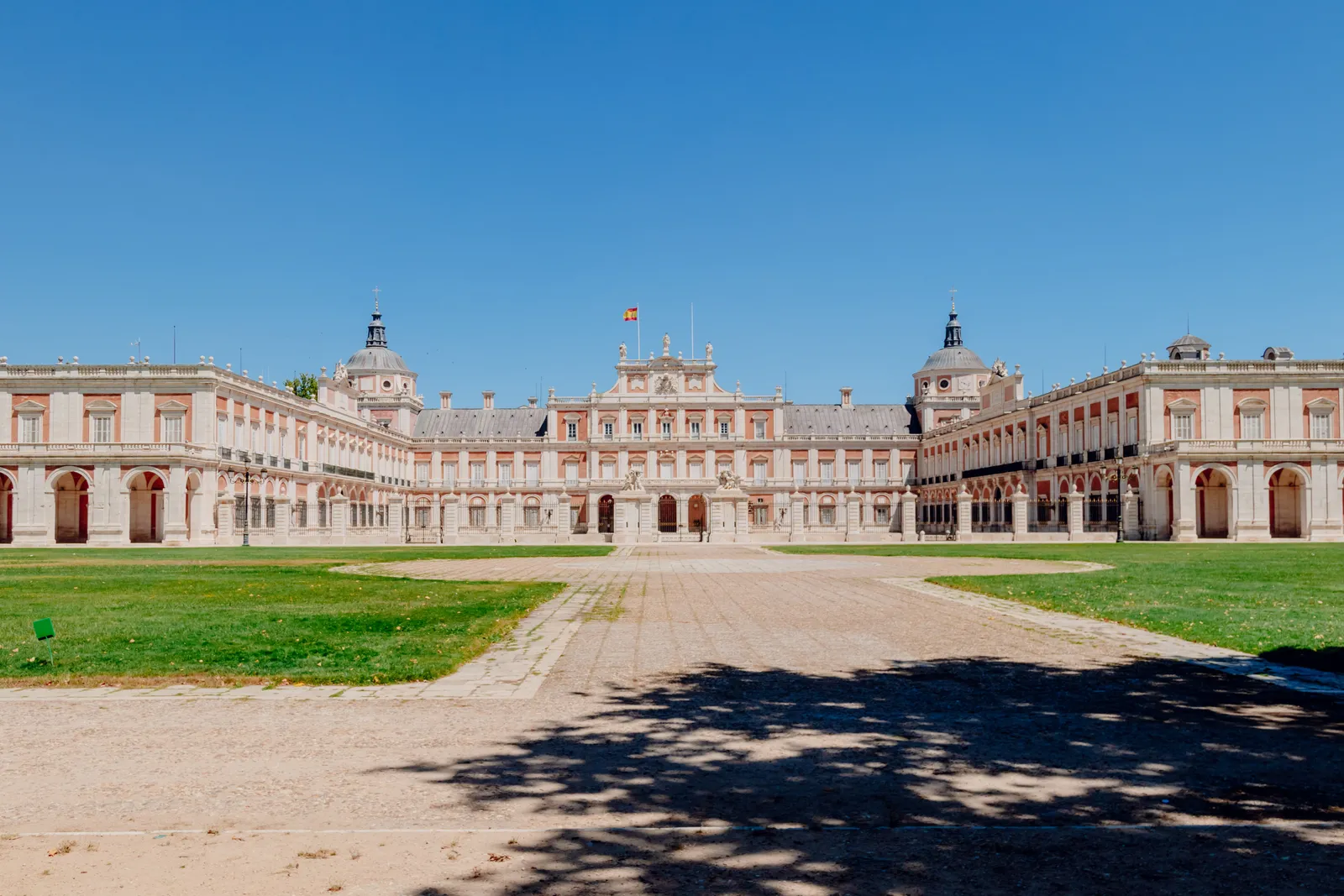
On a longer stay, the Reina Sofía sits well on a second museum day rather than squeezed in straight after the Prado. If a day trip out of the city is also on your list, several of the towns within easy reach by train pair naturally with an art focused stay in the capital, and our guide to Aranjuez covers the one the Cercanias reaches in under an hour.
The short version
Book a timed ticket, start with Guernica and the rooms around it, and add the Dalí and Miró galleries while you still have the appetite. Give it two to three hours on its own, ideally on a different day from the Prado rather than straight after it, and take ten minutes on the rooftop terrace before you leave. It is the modern half of Madrid’s art story, and it stands entirely on its own.