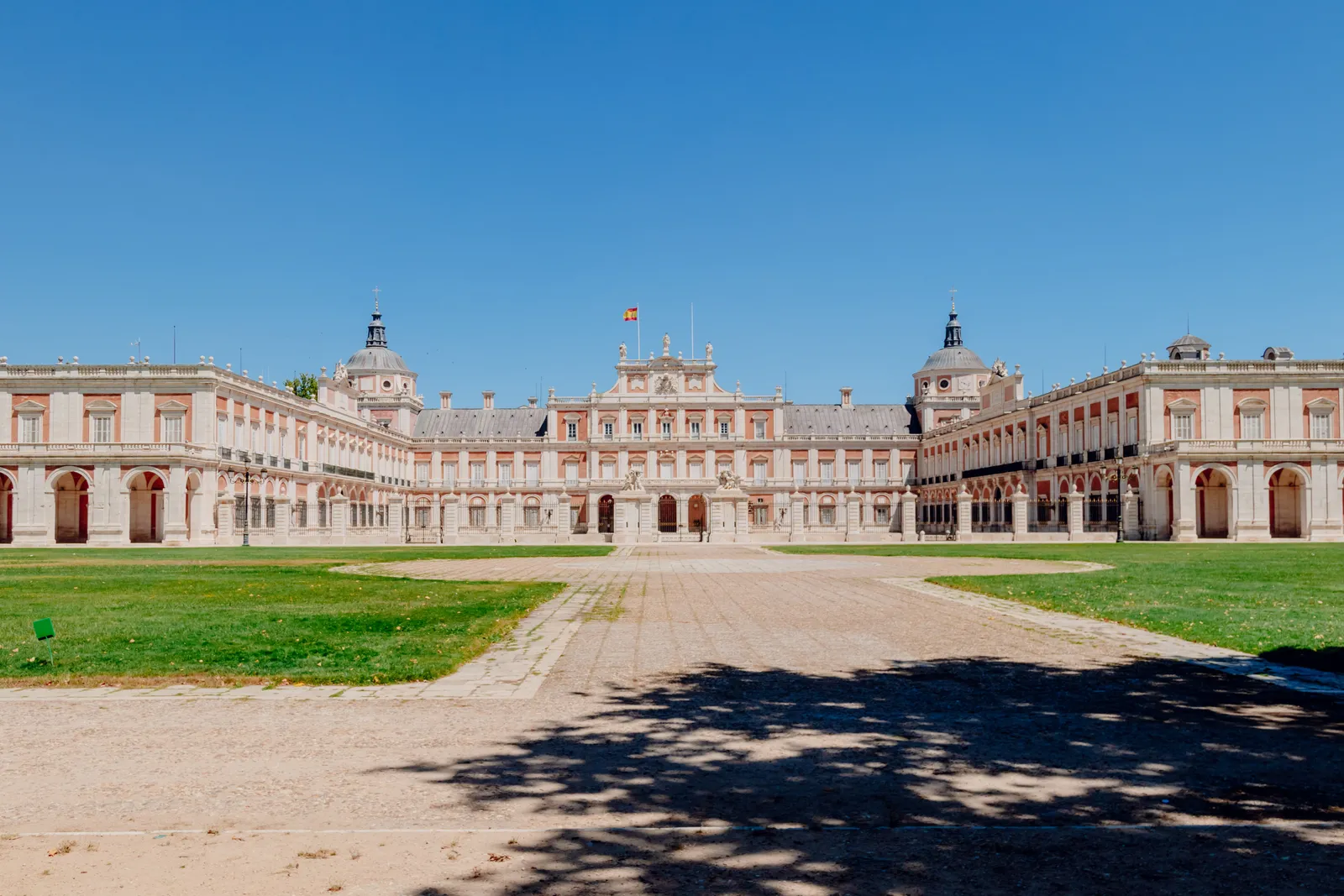
South of Madrid, where the Tagus river slows down and the land turns green, sits one of Spain’s prettiest royal towns. Aranjuez is a UNESCO listed royal site built around a rococo palace, gardens that run for kilometres along the river, and a strawberry harvest the town has been proud of since the eighteenth century. It is a gentler day than El Escorial, and if you are weighing up the options, our guide to day trips from Madrid sets out where it fits against the rest.
The palace
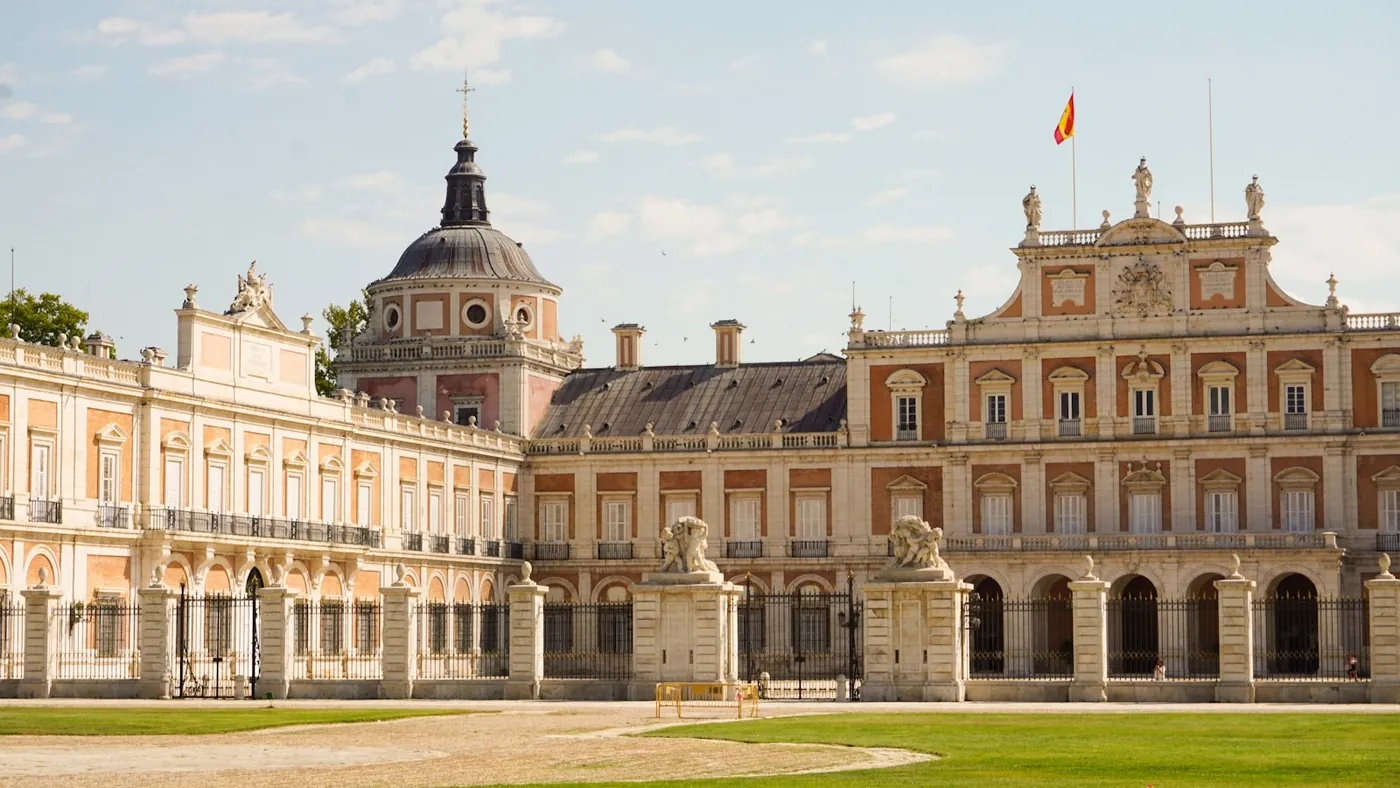
The Royal Palace of Aranjuez was built and rebuilt across the eighteenth century by a run of Bourbon kings who treated it as a spring retreat from Madrid, and the rococo interiors show it: gilded stucco, silk hung walls and one genuinely startling room, the Porcelain Room, where the walls and ceiling are covered floor to ceiling in decorative porcelain made at the royal factory in Madrid. It is unlike anything else in the standard palace circuit around the capital and worth the visit on its own.
The state rooms move from formal to intimate as you go, ending in private apartments that feel more like a large country house than the Royal Palace in Madrid does. Allow an hour and a half for a proper pass through, longer if the Porcelain Room has you lingering.
The gardens
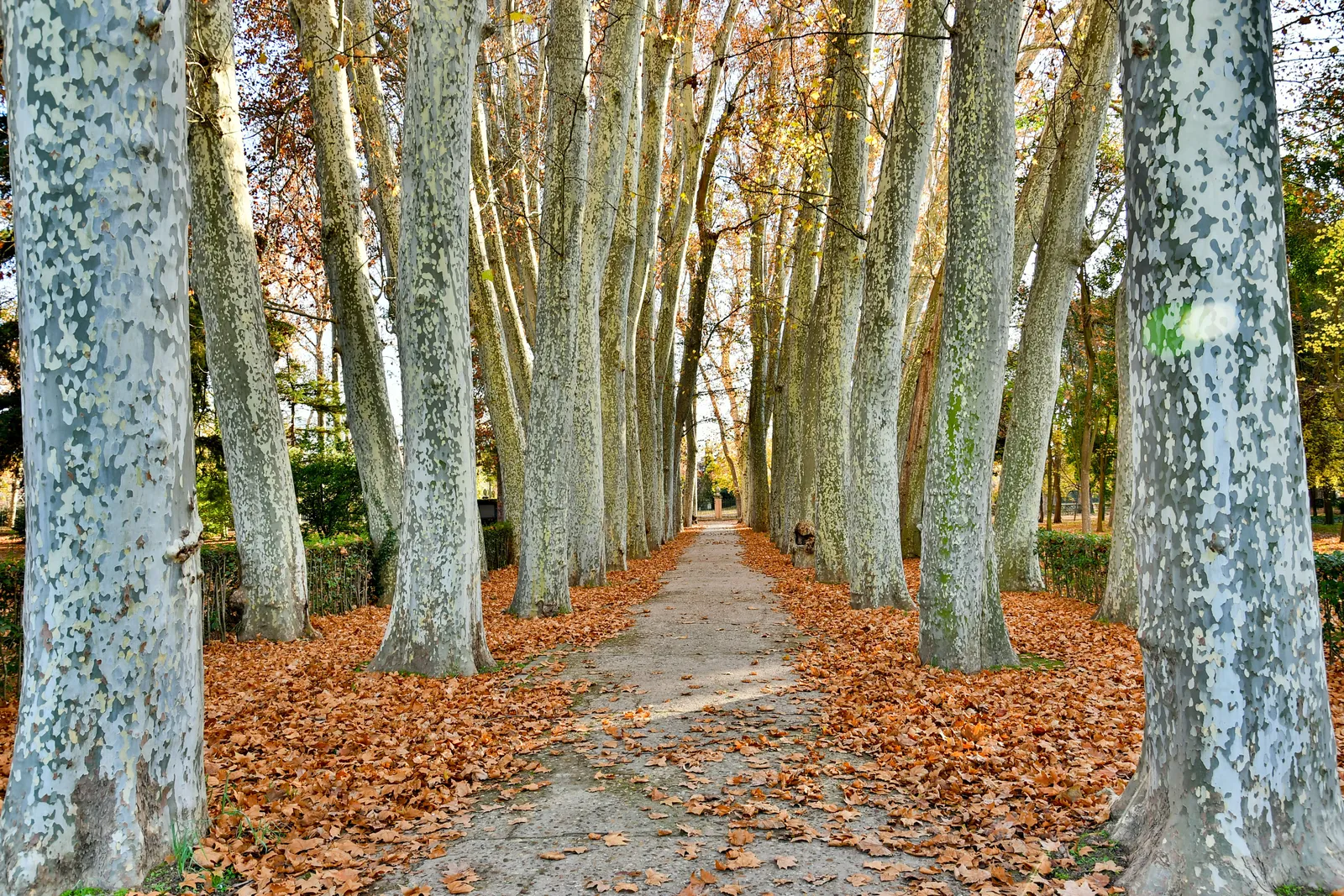
Aranjuez’s gardens are the other reason to come, and they are on a different scale from anything else near Madrid. The Jardín de la Isla sits on an island formed by the river, shaded and formal, right beside the palace. The Jardín del Príncipe runs much further, a long riverside park laid out in the English style, and inside it stands the Casita del Labrador, a small pavilion built to look modest from outside and decorated with startling extravagance within: silk, marble, clocks and painted ceilings packed into a handful of rooms. It is a separate ticket and a walk from the main palace, and it rewards both.
Between the two gardens there is enough shaded walking along the water to fill an afternoon on its own, which is part of why Aranjuez works so well as a complete day rather than a quick stop.
Strawberries, and a very particular train
Aranjuez has been known across Spain for its strawberries and asparagus since well before it was a tourist destination, grown in the fertile land the Tagus irrigates, and stalls selling both line the approach to the old town in season. The connection runs deep enough that a heritage tourist train, the Strawberry Train, has run seasonally between Madrid and Aranjuez for years, with attendants in period dress handing out strawberries on board. It does not run year round and the timetable changes from year to year, so treat it as a bonus to check for rather than something to plan the whole trip around.
If the dates line up, it is a pleasant, slow way to make the journey. If they do not, the regular commuter train covers the same route in a fraction of the time.
The town itself
Aranjuez the town is worth slowing down for and not just passing through on the way between the palace and the station. It was laid out on a formal grid in the eighteenth century to match the ambitions of the palace beside it, with wide, tree lined avenues that feel closer to a planned garden city than the tangled centres of most old Spanish towns. Cafes and restaurants line the streets nearest the palace, and this is where the strawberries and asparagus the region is known for turn up on menus in season, alongside straightforward Castilian cooking rather than anything showy.
A slow lunch here, timed for the Spanish rhythm rather than an earlier one, is as much a part of the day as the palace and the gardens, and it is worth booking ahead if you are set on one particular place, especially at a weekend.
Getting there
The Cercanías commuter train runs from Atocha in central Madrid to Aranjuez in under an hour, frequently enough that there is no real need to book ahead, which makes this one of the simplest day trips from the city. The station in Aranjuez is a short, easy walk from both the palace and the old town, unlike some of the other classic day trips where the station sits well outside the centre.
Driving is straightforward too, on the motorway south, with parking near the centre, though the train is genuinely the easier option here and removes any need to think about the road once you arrive.
Book Aranjuez palace and garden ticketsSkip the ticket line and combine the palace with the Casita del LabradorWhen to go
Spring is when Aranjuez is at its best and busiest, when the gardens are green, the strawberry season is on, and the town leans fully into its reputation. Summer is hot here in the way the whole of the Tagus valley is hot, softened somewhat by the trees along the river but still a place to move slowly in the early afternoon. Its closing day at the palace does not always match El Escorial’s or the Prado’s, so check before you build a multi site week around it rather than assuming Mondays are safe everywhere.
Where this fits in a Madrid trip
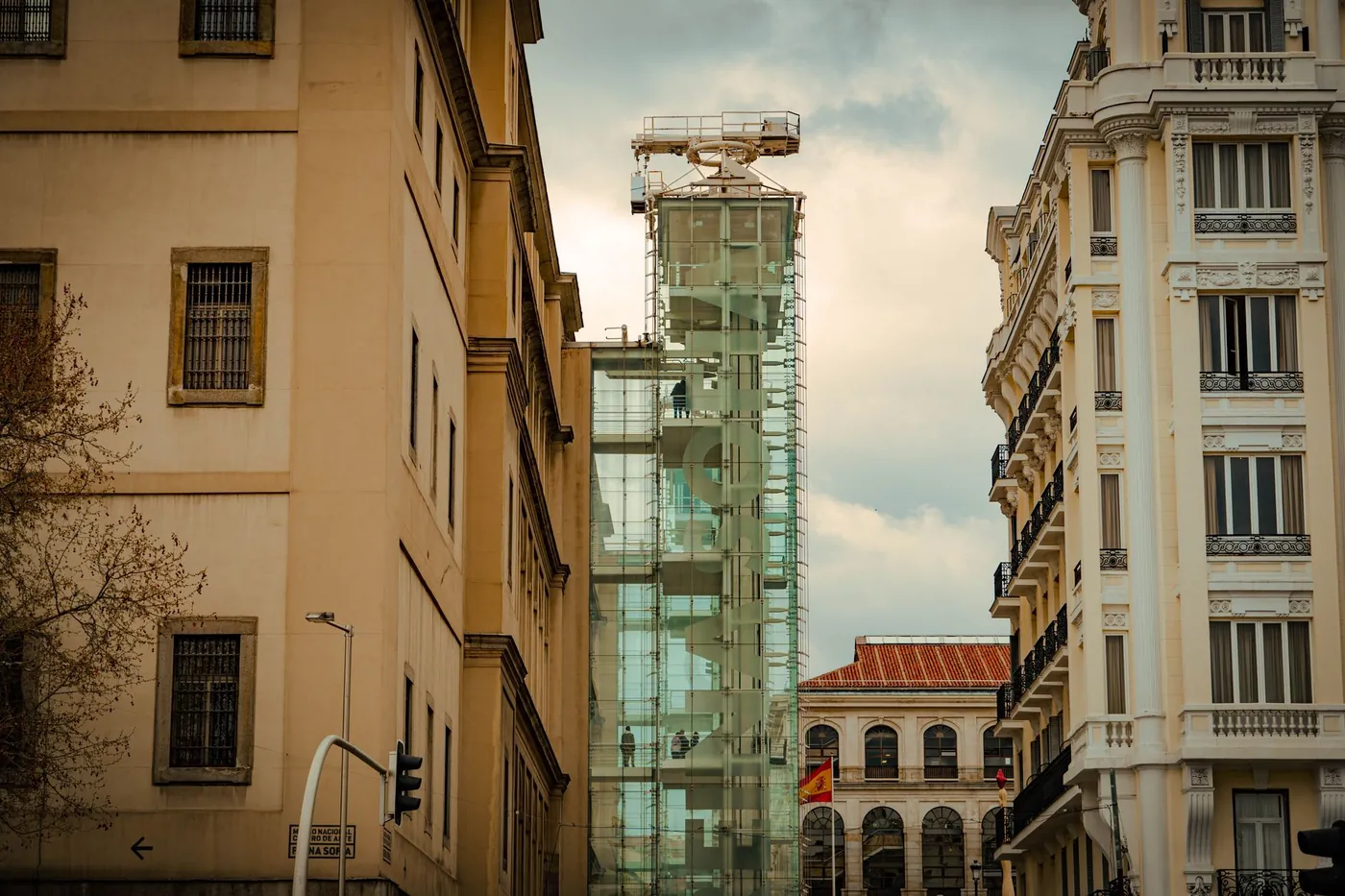
Aranjuez is a comfortable, unhurried day and it pairs well with a trip that already has one or two busier days in it. If your stay has room for an art focused morning as well, our Reina Sofía guide covers the museum end of a longer Madrid stay, and the two make a naturally varied few days: a modern art morning in the city, a slow royal garden day in the country.
The short version
Take the Cercanías train from Atocha, which is under an hour and needs no advance planning. Start at the palace for the state rooms and the Porcelain Room, walk through the Jardín de la Isla and on into the Jardín del Príncipe for the Casita del Labrador, and eat strawberries somewhere along the way if they are in season. Check the Strawberry Train’s dates if you want the slower, prettier way to travel, and check the palace’s closing day before you build a longer trip around it. It is the gentlest of Madrid’s classic day trips, and a full one regardless.