One of the quiet joys of basing yourself in Madrid is how much of Spain sits within easy reach of the city. Fast trains and short drives put a cluster of extraordinary historic towns between half an hour and ninety minutes away, each a full day of walls, cathedrals and long lunches. If you have four days or more, giving at least one to leaving the capital is one of the best decisions you can make. Here are the trips worth the early start.
Toledo: the imperial city
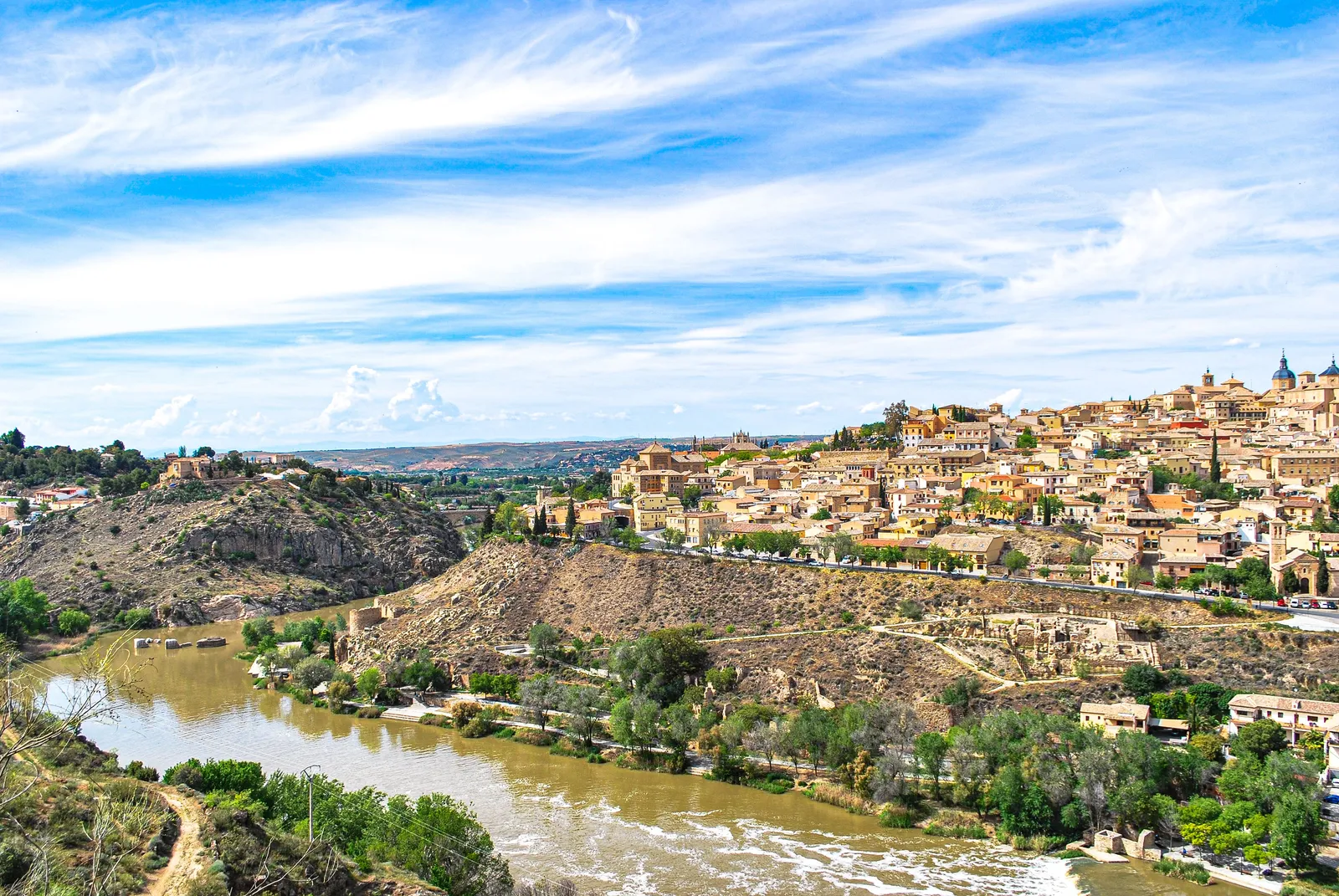
If you do one day trip, make it Toledo. The former capital of Spain sits dramatically on a rocky hill, wrapped on three sides by a river gorge, its skyline a jumble of towers, spires and tiled roofs that has barely changed in centuries. Walking its steep, narrow lanes is the whole point: this is a city to get lost in.
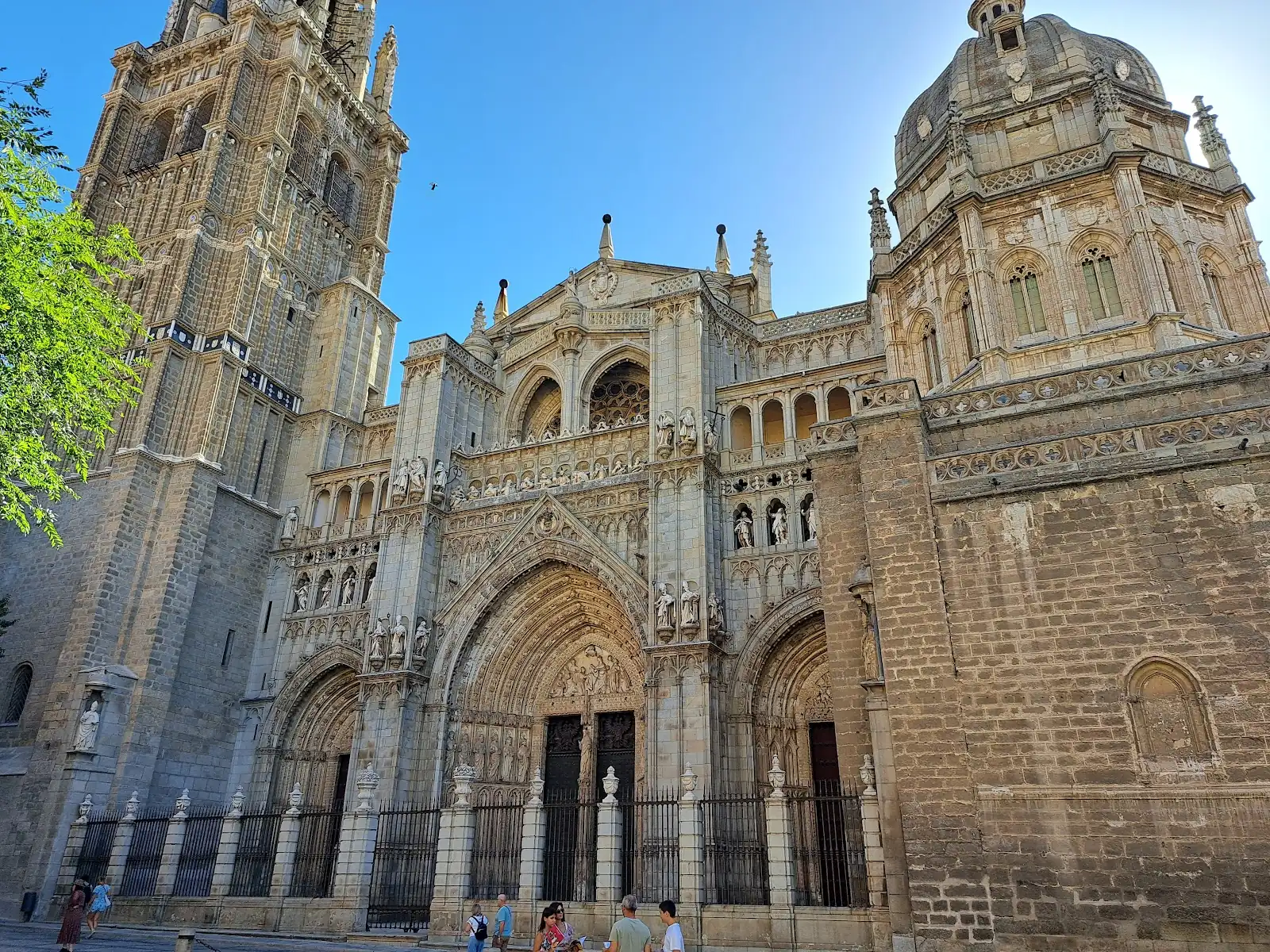
The unmissable sight is the vast Gothic cathedral, one of the greatest in Spain, dense with art including works by El Greco, the painter who made the city his home. The Alcázar, a hulking fortress, crowns the hilltop, and the old town holds centuries of layered history from every community that shaped it, alongside the marzipan the city is famous for, sold in shop windows everywhere. Give it a full day, and try to stay into the early evening, when the day-trippers thin and the stone glows.
Getting there is easy: the high-speed train from Atocha takes around half an hour, or buses run cheaper and a little slower. Book the popular train departures ahead in high season.
Segovia: aqueduct and castle
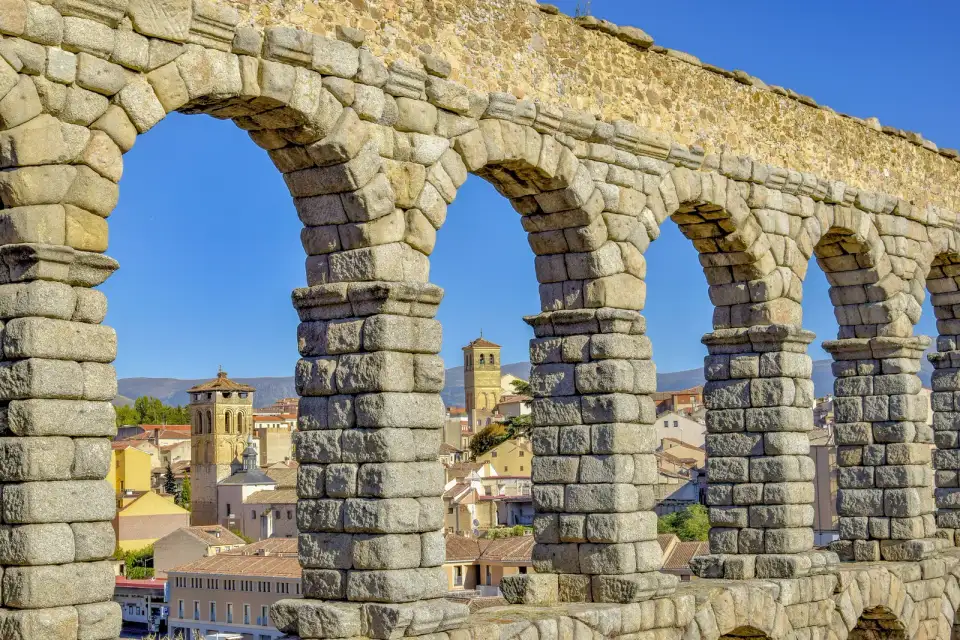
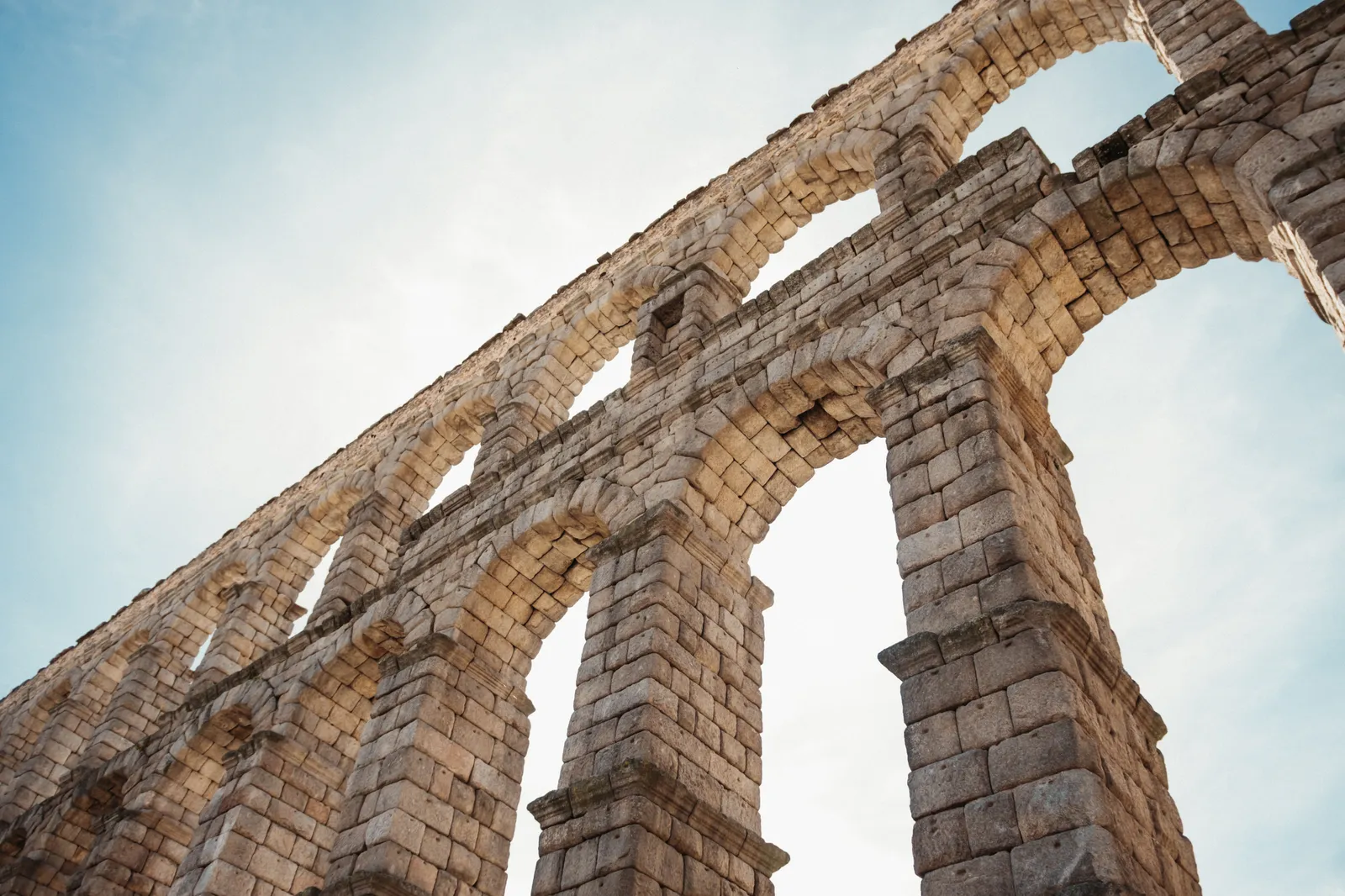
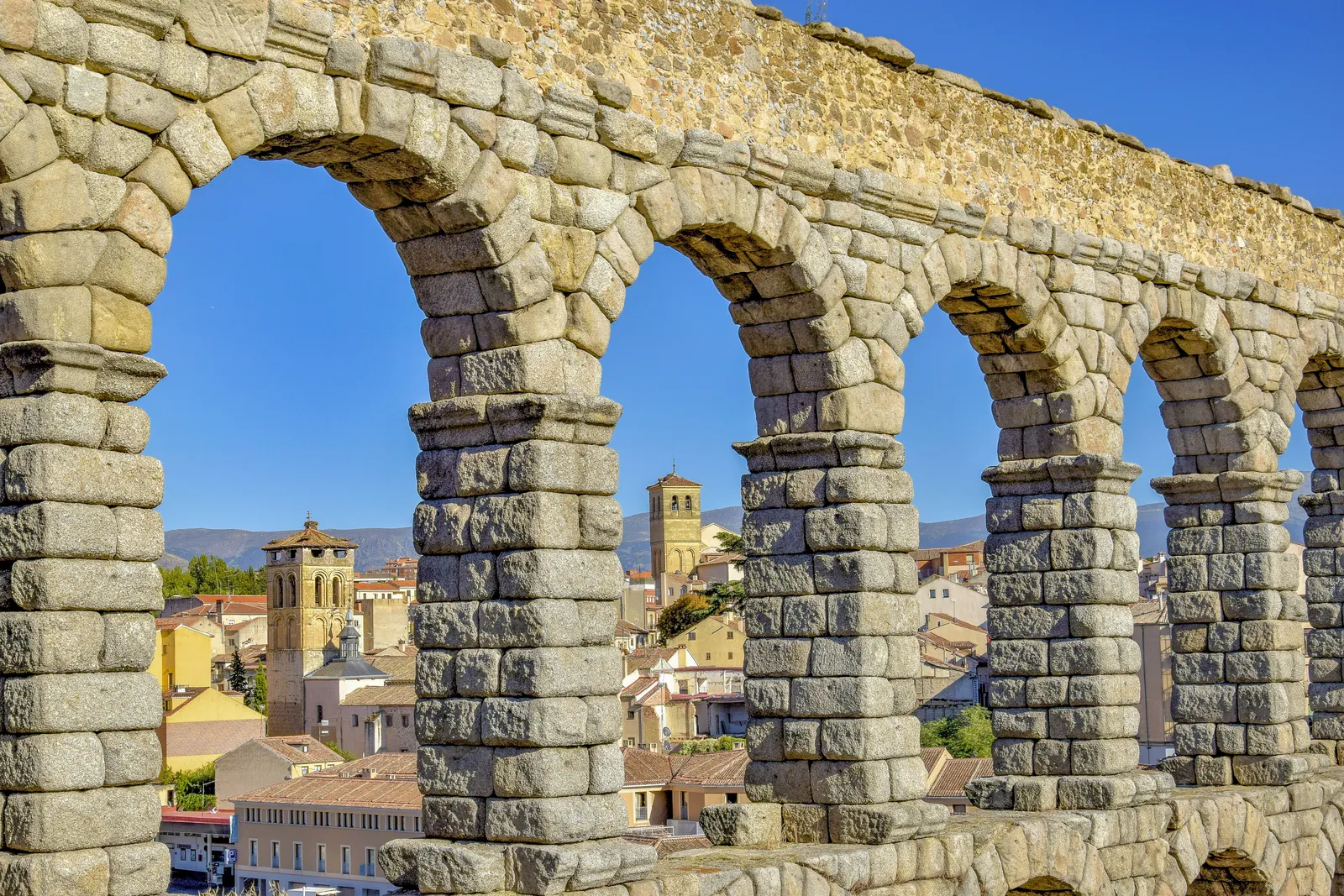
The other great favorite is Segovia, and choosing between it and Toledo is genuinely hard. Its showpiece is the Roman aqueduct, a colossal double-tiered arcade of granite blocks built without mortar nearly two thousand years ago and still standing over the main square. It is one of the most breathtaking Roman monuments anywhere, and it stops you in your tracks.
Beyond it, the Alcázar of Segovia is a turreted, ship-prowed castle said to have inspired the classic fairytale silhouette, perched at the edge of town with huge views. The cathedral is a late-Gothic gem, and the local specialty, cochinillo, suckling pig roasted until the skin shatters, is a lunch worth planning around. High-speed trains reach Segovia in under half an hour, though the fast-train station sits outside town and needs a short bus or taxi into the center.
El Escorial: the royal monastery
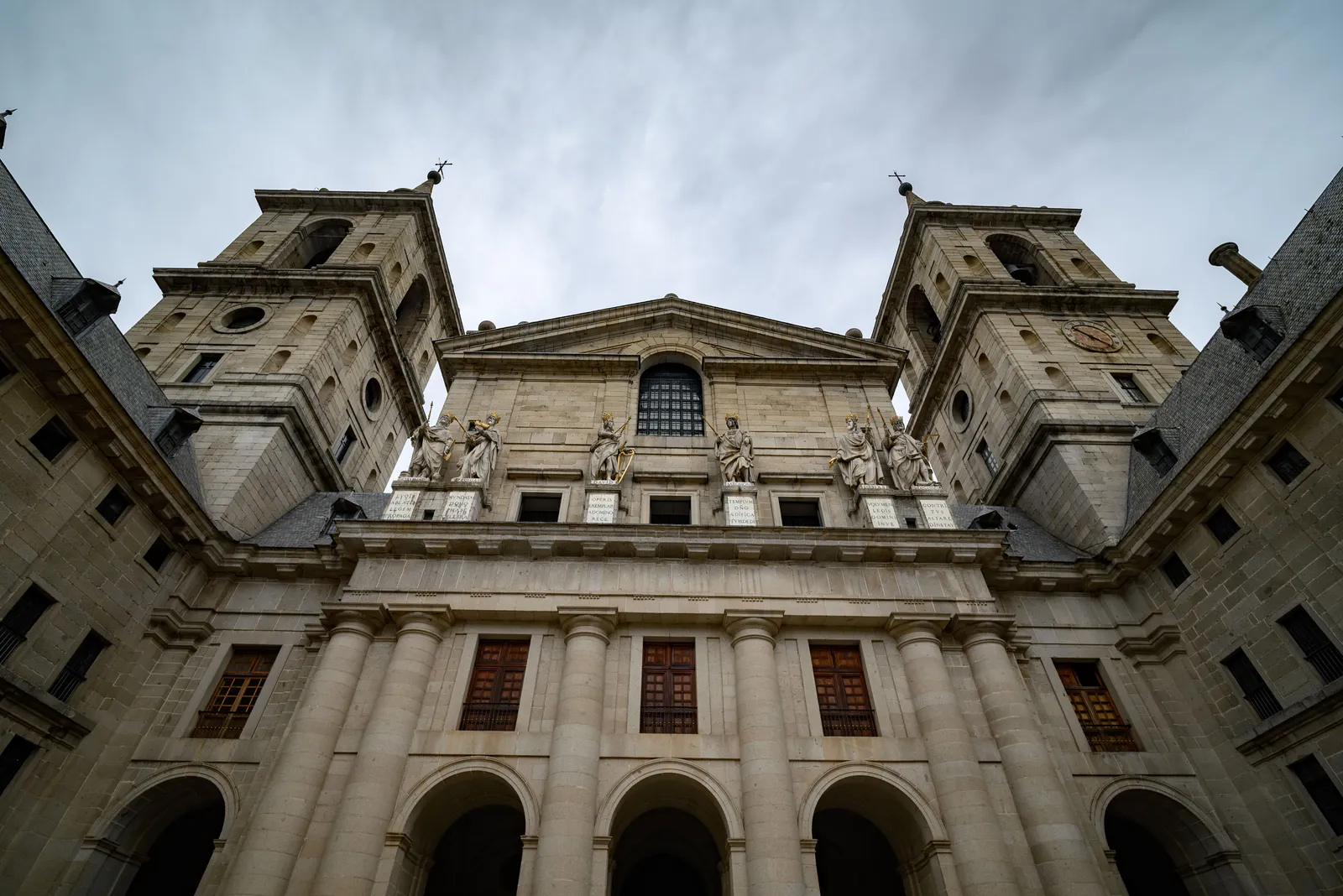
For something grander and more austere, head northwest to San Lorenzo de El Escorial, where a king built one of the largest religious complexes in the world into the foot of the mountains. Half palace, half monastery, the Royal Site is a monumental sweep of granite housing a basilica, royal tombs, a stunning library and endless galleries, a statement of empire in stone.
It makes an easy half-day or full-day trip. Unlike Toledo and Segovia there is no high-speed link: the commuter train takes around an hour from central Madrid, and buses run too, so allow for a slower journey than the other two. Reserve a timed entry for the monastery in high season, and confirm current opening days, since it closes on certain weekdays. The mountain setting also makes it noticeably cooler than the city, a welcome relief in summer.
Ávila and Aranjuez: two more for a longer stay
If you have several days to spare, two more towns reward the trip. Ávila, around an hour and a half northwest by train, is ringed by the best-preserved medieval walls in Spain, a complete circuit of ramparts and towers you can walk atop, wrapped around a compact old town. It pairs naturally with Segovia for those with a car or a long day.
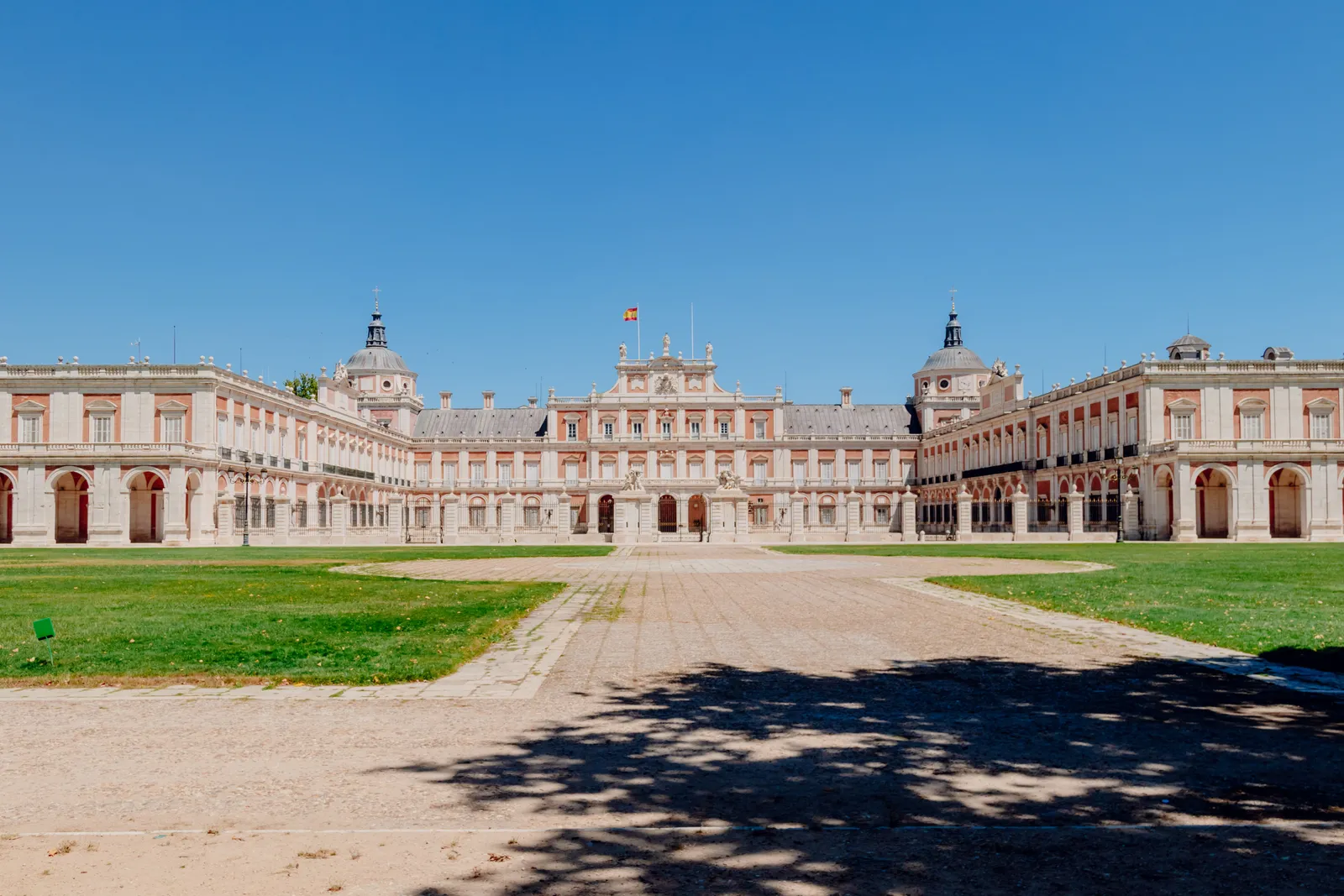
Closer to the city, Aranjuez is a gentler outing: a royal summer palace set in vast riverside gardens, all fountains and shaded avenues, reached in well under an hour. It is a relaxed, green half-day, especially lovely in spring, and in season a historic wooden tourist train runs down from Madrid.
How to plan your day trips
The golden rule is do not try to cram two towns into one independent day. Toledo and Segovia each deserve their own visit if you can spare the days. If time is tight, pick one and do it fully; if you are set on seeing two, an organized tour that combines them handles the logistics, though you see each more quickly.
Go early to beat the tour buses and the midday heat, book train tickets ahead for the popular routes, and reserve any timed monument entry such as El Escorial. Fares and tickets are in euros and vary by day and season, so check current times and prices when you plan. For lining your trip up with the best weather, see our best-time guide.
Choosing between them
Most visitors have one or two spare days, not five, so the real question is which trip to take rather than how many.
| Trip | Go for | Journey |
|---|---|---|
| Toledo | A complete medieval city, cathedral, El Greco | Fastest of them all by high-speed train |
| Segovia | Roman aqueduct, fairytale castle, roast suckling pig | Fast train, then a short bus or taxi into town |
| El Escorial | Imperial grandeur, mountain air, a great library | Slower commuter train, no high-speed link |
| Avila | Complete medieval walls you can walk | Around ninety minutes, quietest of the classics |
| Aranjuez | Palace gardens, shade and a gentle pace | Under an hour, the easiest half day |
The pattern behind the table: Toledo and Segovia are full days and reward one each, El Escorial and Aranjuez work as half days, and Avila suits anyone who has already done the first two.
Two of them reward a little preparation. Segovia is the aqueduct, the Alcazar and a lunch worth reserving a table for, and El Escorial is one vast monastery complex with timed entry and a weekday closure, so confirm both before you set off.
Trains, buses and the practical bit
Independent day trips from Madrid are genuinely easy, and three details do most of the work.
Know your station. Madrid’s long-distance services leave from more than one terminus depending on the direction, and a fast train to one town and a commuter service to another may not depart from the same place. Check the station on your ticket, not the one you used last time.
Book the popular departures ahead in high season, particularly the morning trains to Toledo and Segovia, which do sell out at weekends and in holiday weeks. Off-season and midweek you can generally buy on the day.
Mind the last train back. Timetables thin out in the evening, and the gap between the last convenient service and the last one at all is where people get caught. Note both before you settle into a long lunch.
Buses are the cheaper alternative on every route here, take somewhat longer, and are often the better option for El Escorial and Aranjuez where there is no high-speed line to beat.
Eating your way through the day
Lunch is not an interruption of a Spanish day trip, it is a large part of the point, and each of these towns is known for something specific.
Segovia is the famous one, where cochinillo, suckling pig roasted until the skin cracks, is the local institution and worth reserving a table for. Toledo trades in game, hearty stews and, above all, marzipan, which the city has made for centuries and sells in shop windows on every lane. Avila is known for its beef, and Aranjuez for the strawberries and asparagus grown in the river valley around it.
Two habits make this work. Eat at the local hour, which is later than most visitors expect, and reserve if you have your heart set on a particular place. And let the meal be long, because the town will still be there afterwards and will look better once the tour groups have gone.
Adding a third or fourth trip
If Madrid is your base for a week or more, the region keeps giving.
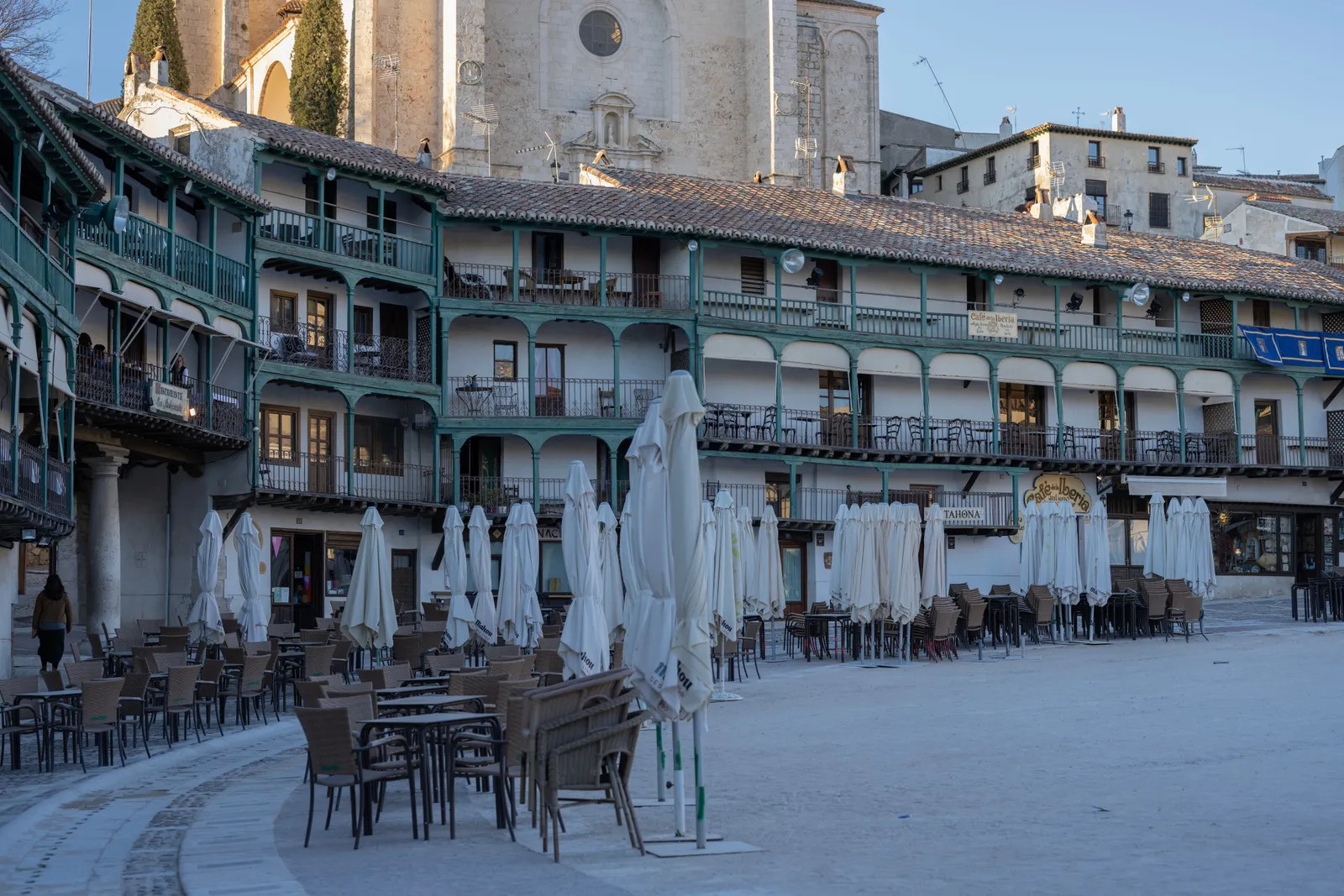
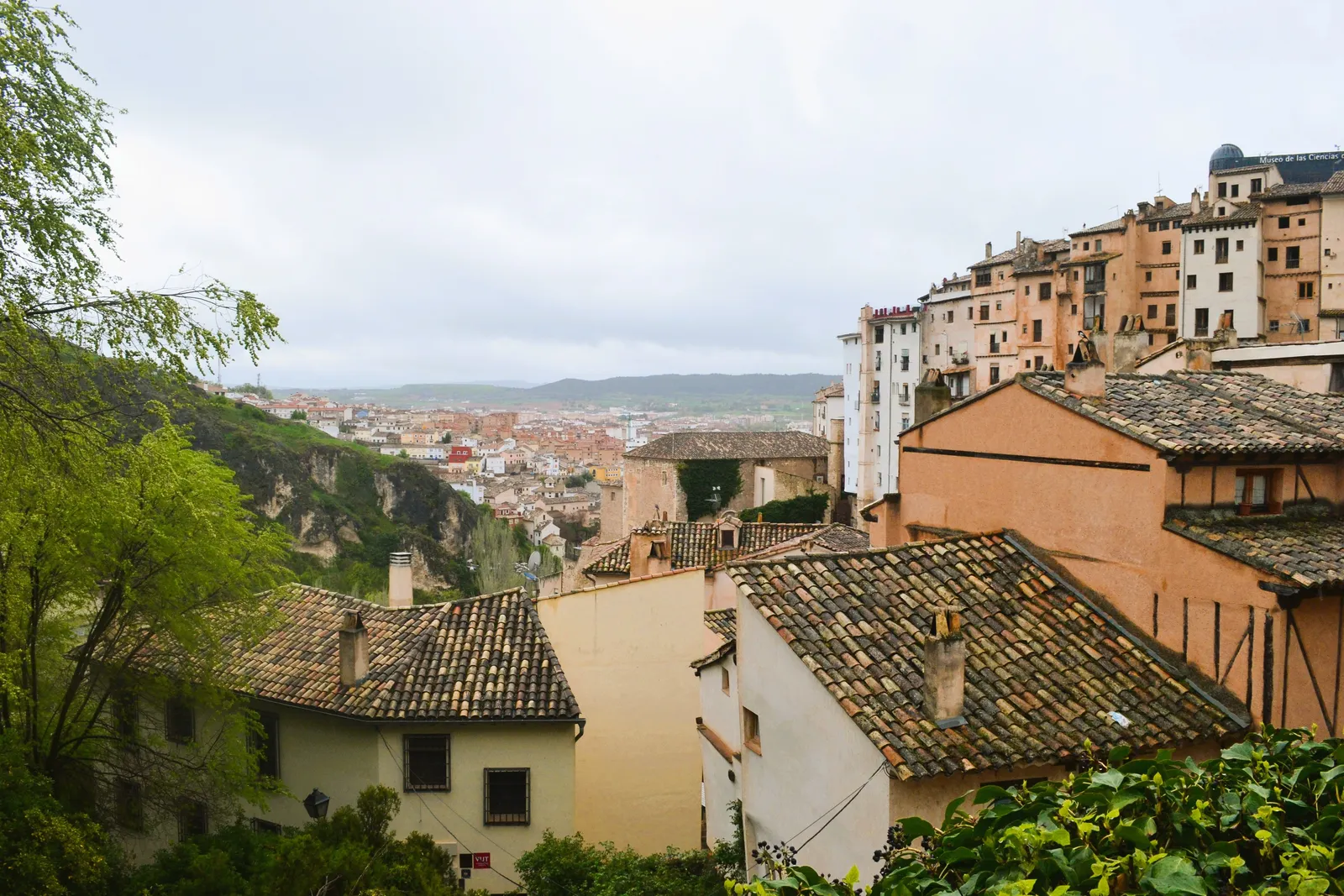
Alcala de Henares, close enough to be a half day, is the birthplace of Cervantes and holds a beautifully preserved university town at its centre. Chinchon, south of the city, is built around a circular arcaded square that turns into a bullring for part of the year and is one of the loveliest places to have lunch anywhere near Madrid. And Cuenca, further east, is worth the longer journey for its houses hanging over a gorge, though it is better as an overnight than as a rushed day.
The rule stays the same whichever you add: one town per day, an early train, and a late one home.
The short version
From Madrid, the fast trains open up a whole region of history. Make Toledo your first day trip for its cathedral, its hilltop maze and its El Grecos, and Segovia your second for the aqueduct, the fairytale castle and the roast pig. Add El Escorial for imperial grandeur, or Ávila and Aranjuez if you have longer. Go early, book ahead, and give each town the full day it deserves.
Our Segovia day trip guide covers that one end to end, including the walk below the walls that most day trippers miss and why the famous roast lunch needs booking on a Sunday.
If you can only fit one and cannot decide, our comparison of Toledo or Segovia sets the two side by side on walking, monuments, lunch and summer heat.
One practical note for any of these towns: they sit higher and colder than Madrid, they involve a lot of walking on cobbles, and a minor problem is solved at a pharmacy rather than a hospital. Our guide to emergency numbers and medical help in Madrid covers how the Spanish system works, which applies across the region.
One of the shortest trips out is also the least like Madrid: a village built around a wooden-balconied plaza that still doubles as a bullring. Our Chinchón day trip guide covers the square, the anise and the Sunday market.