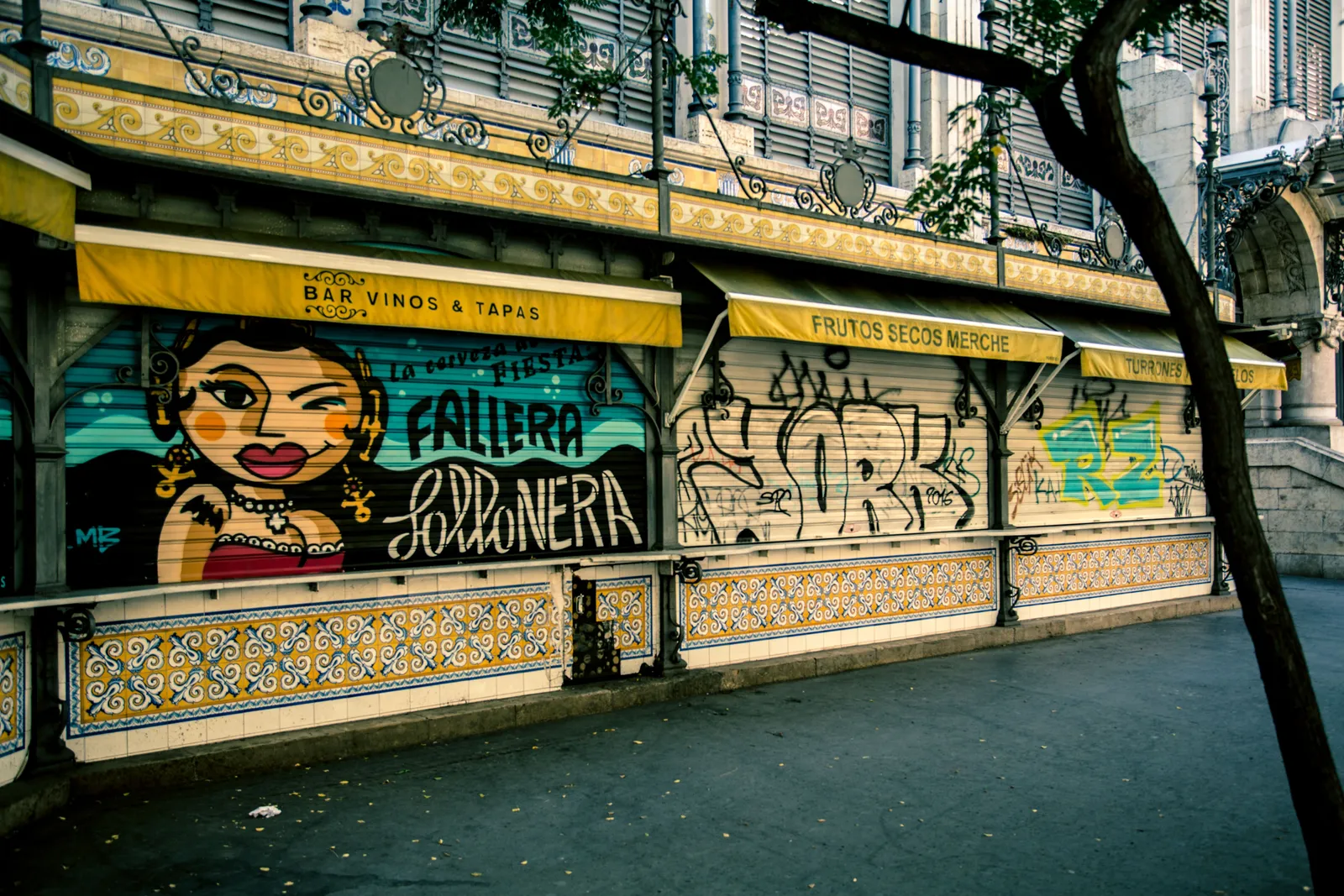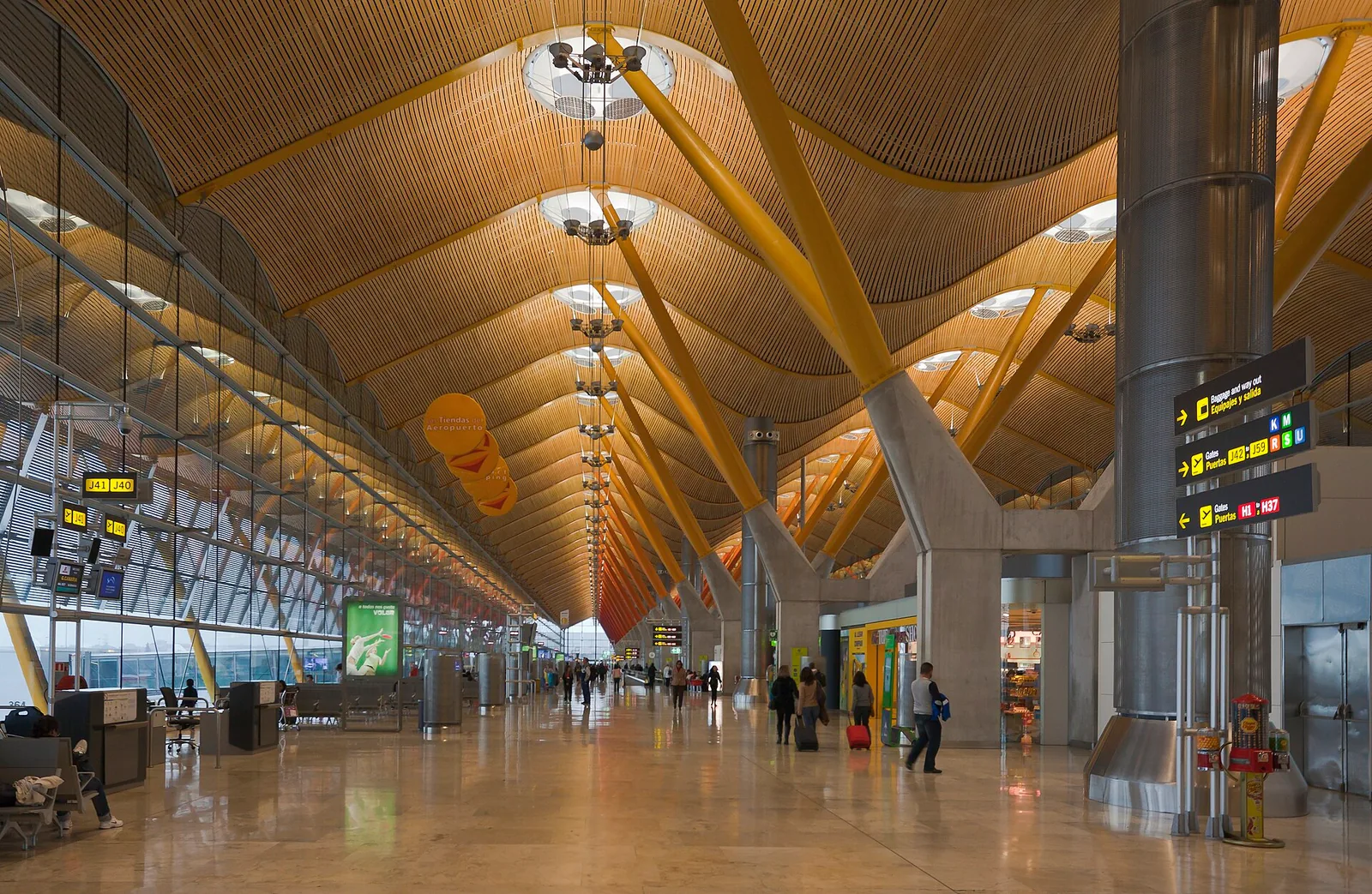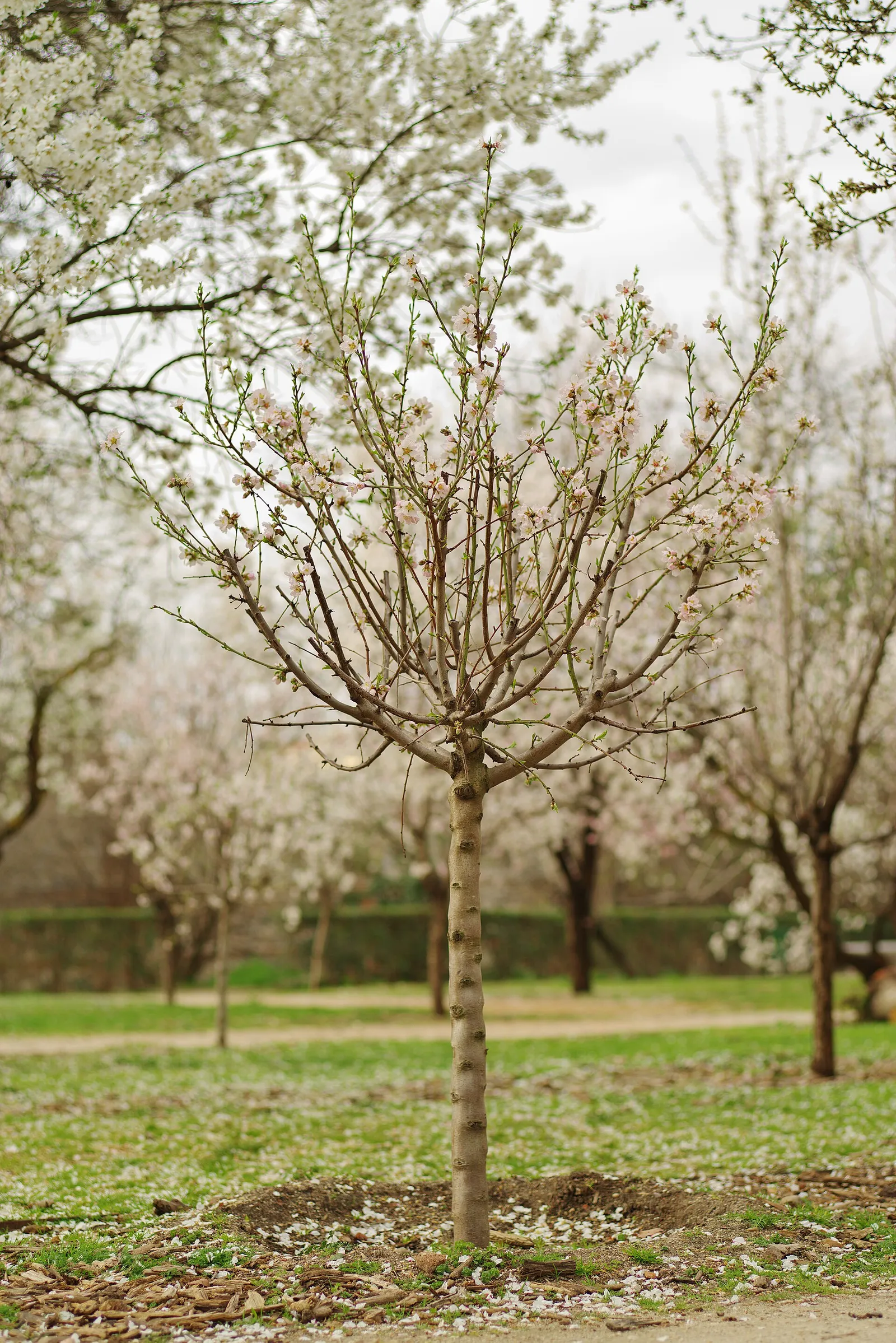
There is no truly bad time to visit Madrid, but there is a clear best. The city sits high on Spain’s central plateau, which gives it a sharper climate than the coast: hot, dry summers and cold, bright winters, with two glorious shoulder seasons in between. Knowing what each part of the year brings, in weather, crowds, prices and events, lets you line your trip up with the version of the city you want. Here is the season-by-season breakdown.
The short answer
If you can choose freely, come in May, June, September or October. These shoulder-season months give you warm days, long evenings, manageable crowds and the city at full tilt, without the fierce heat of high summer or the chill of deep winter. May and October are the pick of the bunch. Everything below adds the nuance.
Spring: March to June
Spring is Madrid at its most inviting. From April the days warm quickly, the parks burst into leaf and blossom, and the terraces fill. May in particular is close to perfect: pleasant temperatures, long light and a city buzzing with festivals, notably the huge San Isidro celebrations honoring the city’s patron saint, with music, processions and a fair spirit across town.
By June the heat is building toward summer levels, but evenings stay glorious and the days are long. Crowds and prices rise through spring as the weather improves, so book ahead, especially around the festival dates. If you want the ideal balance of weather and atmosphere, this is the season to target.
Summer: July and August
High summer is the season to approach with a strategy. The plateau bakes: afternoon highs regularly push into the mid-30s Celsius and can climb higher, and there is little humidity but plenty of glare. Many locals leave the city, some smaller restaurants and shops close for August, and the pace slows.
That said, summer has its rewards. It is the season of long, warm nights, rooftop bars and open-air cinema, and the city stays out very late to escape the daytime heat. The trick is to flip your day: sightsee early, retreat to the air-conditioned museums or your room in the fierce mid-afternoon, and come alive again in the evening. If you visit now, plan around the heat rather than fighting it,, and lean towards a base near a park or a shaded street rather than an exposed square.

Autumn: September to November
Autumn mirrors spring and is many visitors’ favorite. September shakes off the summer heat while keeping warm, sunny days, and the city refills as locals return and the cultural season restarts. October may be the single best month of the year: comfortable temperatures, golden light in the parks, thinner crowds than summer and a full calendar of exhibitions, concerts and food.
By November the days cool noticeably and the first real chill arrives, but the light stays lovely and the crowds and prices ease further. For the sweet spot of good weather and lower crowds, aim for late September through October.
Target the sweet-spot monthsCompare central Madrid hotels for spring and autumn datesWinter: December to February
Winter is cold, often bright, and wonderfully uncrowded. Days are frequently crisp and sunny, but nights get genuinely chilly and can approach freezing, so pack proper layers. This is the quietest and generally cheapest season, with short queues at the great museums and the lowest hotel rates, outside the Christmas peak.
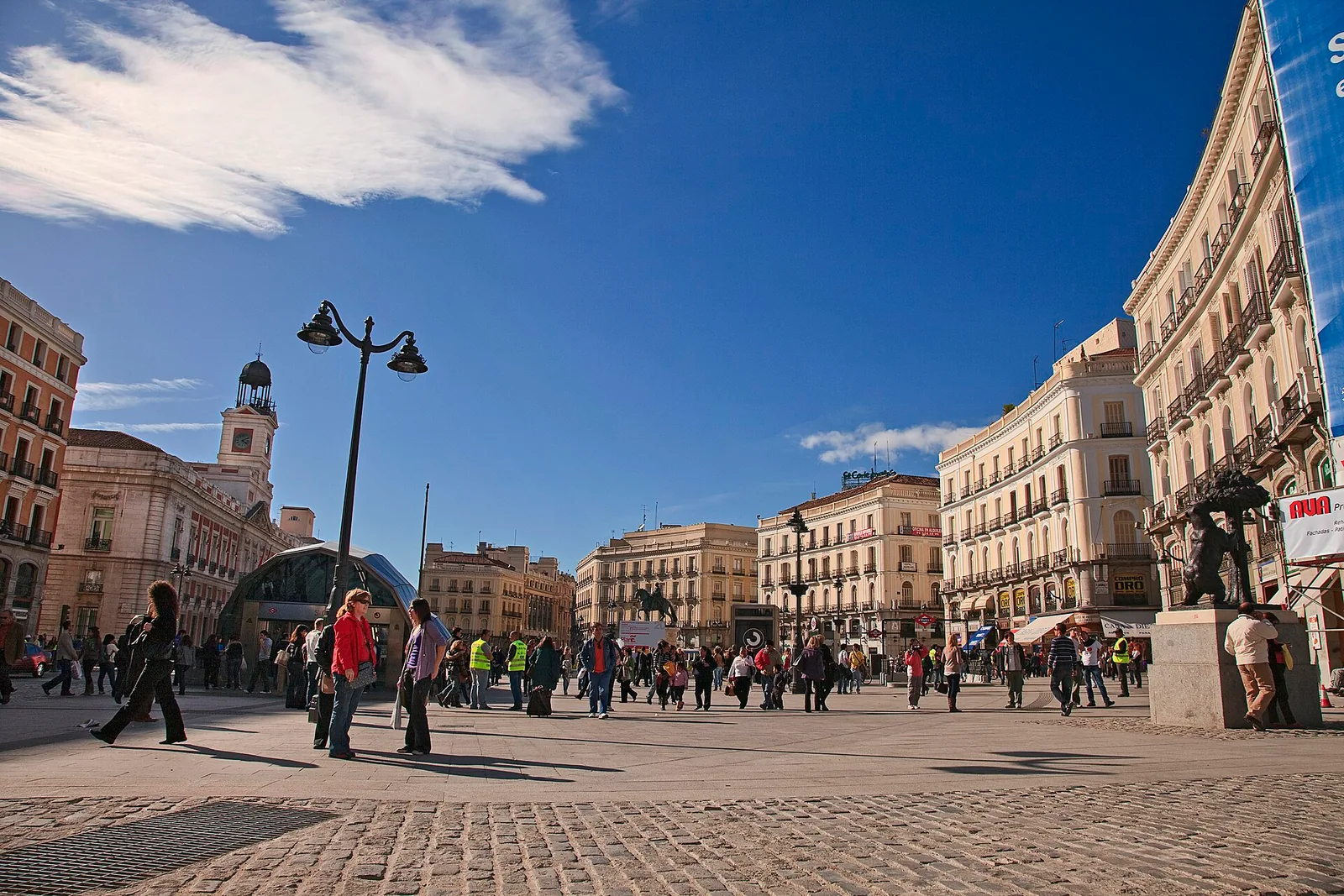
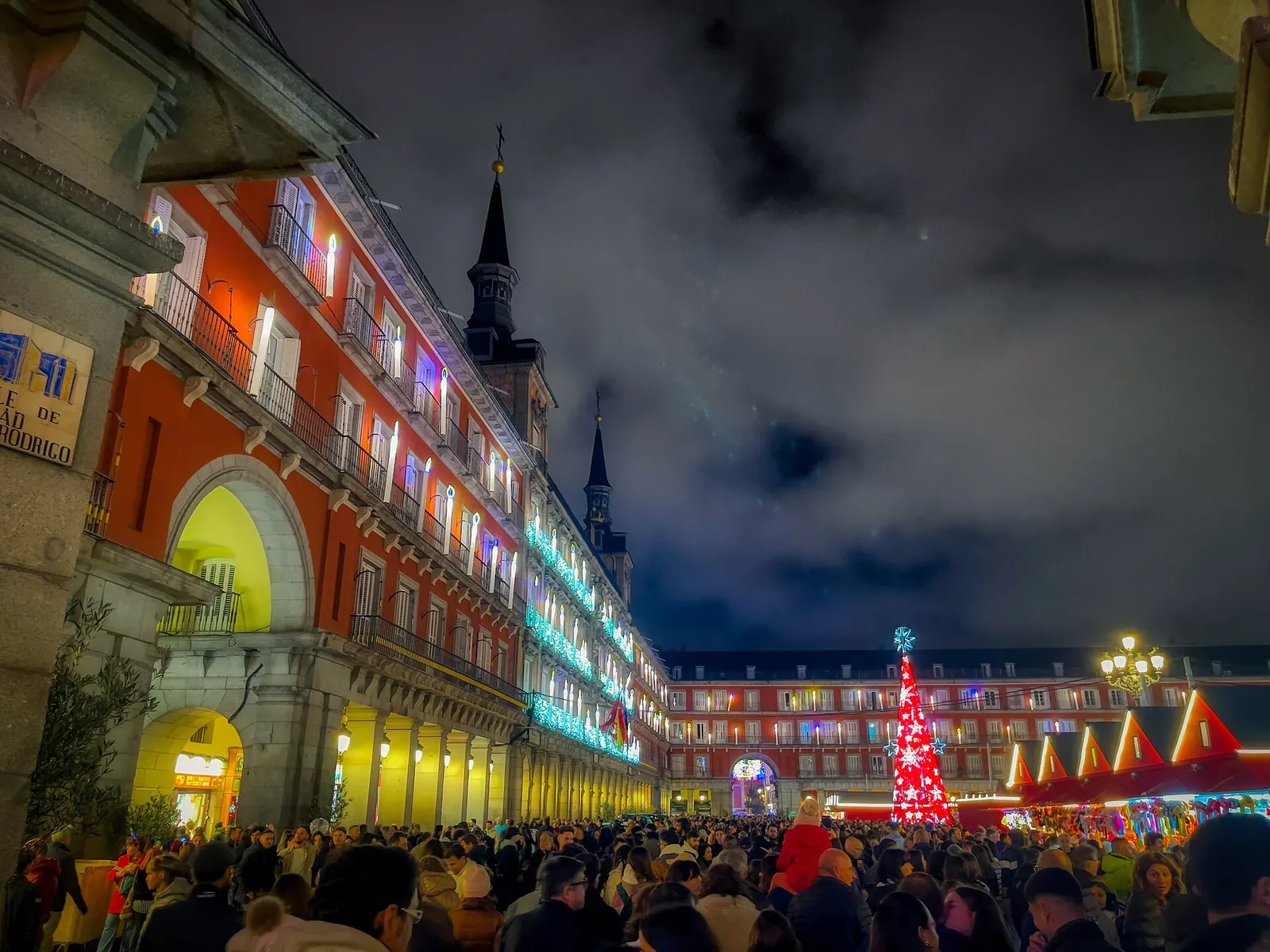
December is a highlight in its own right: the city dresses up in lights, the Plaza Mayor hosts a Christmas market, and the run-up to the New Year has a real buzz, capped by the tradition of eating twelve grapes at midnight in the Puerta del Sol. January and February are the quietest, coldest stretch, ideal if you want the city’s culture and food with minimal crowds and are happy to bundle up.
Weather, crowds and prices at a glance
Think of it as a trade-off between three things. Weather peaks in spring and autumn and hits extremes in summer and winter. Crowds and prices rise through spring to a summer and festival peak, then fall through autumn to a winter low, with a sharp Christmas spike. If you want the best weather, come in the shoulder seasons and accept moderate crowds. If you want the lowest prices and emptiest sights, come in winter and pack warm. If you want long, party nights and can handle the heat, summer delivers.
Whatever you choose, remember that prices are in euros and move with season and events, so compare current rates for your exact dates. For pairing the season with excursions out of the city, see our day-trips guide.
Month by month
Seasons describe the mood; most people book by month. Here is the same year in the form a calendar actually shows it.
| Month | What to expect | Worth knowing |
|---|---|---|
| January to February | Cold, often bright, very quiet | Cheapest rates, shortest museum queues |
| March | Cool turning mild, unpredictable | Easter can fall late in the month and moves the crowds with it |
| April | Warm days, fresh parks, lovely light | Easter week is busy whenever it lands |
| May | Close to perfect, city in full swing | San Isidro fills the calendar and the hotels |
| June | Warm to hot, very long evenings | Terrace season proper, prices climbing |
| July to August | Hot and dry, slower pace | Some closures, superb nights, lowest daytime energy |
| September | Heat easing, the city returns | Cultural season restarts, excellent value early on |
| October | Arguably the best month of all | Golden light, full calendar, comfortable everything |
| November | Cooler, quieter, still bright | Prices soften noticeably |
| December | Cold and festive | Lights, markets, a sharp Christmas and New Year peak |
Two dates move and are worth checking against your own: Easter week, which shifts every year and brings a national travel surge whenever it lands, and the long holiday weekends that Spain builds around midweek public holidays, when the city empties of locals and fills with visitors.
Planning around the heat, properly
Summer in Madrid is not a mild inconvenience, and the visitors who enjoy it are the ones who stop pretending otherwise. The city sits high on a dry plateau, so the heat is fierce and glaring rather than humid, and the middle of the afternoon is genuinely punishing on open pavement.
The local rhythm exists for a reason and it works. Be out early, when the streets are cool and the light is at its best. Go indoors from roughly two until six, which is precisely what the great air-conditioned museums are for. Come back out at dusk, when the terraces fill, the parks refill and the city becomes the version of itself people write about.
Two practical notes. Shade decides everything, so a route along narrow old streets is a different experience from the same distance across an open plaza. And water is free and everywhere: Madrid’s tap water is famously good, public fountains are common, and a refillable bottle is worth more than any gadget you could pack.
What is on, season by season
Madrid’s calendar is unusually full, and lining a trip up with something is easier than avoiding everything.
Spring belongs to the city’s own festivities, above all San Isidro in May, when the patron saint’s celebrations spill across squares and parks with music, processions and traditional dress. It is the liveliest week of the local year and the hotels know it.
Summer moves outdoors and upwards: rooftop bars, open-air cinema, long terrace nights and a programme of concerts built around the fact that nobody wants to be inside after dark.
Autumn is the cultural restart. The big museums launch their major exhibitions, the concert and theatre seasons open, and the food calendar picks up, which is a large part of why October reads so well to people who have been before.
Winter is December’s city: lights across the centre, a Christmas market on the Plaza Mayor, and the New Year tradition of eating twelve grapes at midnight in the Puerta del Sol, one for each chime. January and February then hand the city back to the people who live in it.
Football deserves its own line, because a home match changes a whole neighbourhood for an evening. Fixtures are published only weeks ahead and move for television, so check close to your dates rather than assuming.
Fitting the season into a real trip
The month you choose changes the shape of the days more than the list of sights.
In the shoulder seasons, the city is walkable all day and the classic route flows naturally: the old centre in the morning, a long lunch, a museum in the afternoon and the park at golden hour. In summer, the same content works only if it is split around the afternoon. In winter, the museums and the food do the heavy lifting and the short daylight is the real constraint, so front-load anything outdoors.
Four days is the length that suits every season, because it absorbs one slow day without losing anything, and the flexibility should sit on the outdoor half of each day rather than the booked half.
One last piece of timing that has nothing to do with weather: your arrival. Landing in the middle of a hot afternoon or late on a winter evening are two different problems, and the transfer options into the centre differ in speed, cost and how well they handle luggage. The routes into the centre differ in speed, cost and how well they cope with luggage, and the right one depends on the hour you land.
The short version
The best time to visit Madrid is the shoulder seasons: May and October above all, with April, June and September close behind. Summer is hot but rewards a flip-your-day strategy and loves a late night, while winter is cold, cheap, quiet and quietly magical in December. Match the season to what you want from the trip, book the good months early, and Madrid delivers whenever you come.
The season also shapes the shape of the days: a July trip wants the museums in the afternoon and the streets in the evening, while a January one wants the reverse. Our four-day Madrid itinerary sets out an order that adapts to both.
And one season carries a genuine risk rather than an inconvenience, since the summer heat here is serious enough to send visitors to a pharmacy; our guide to emergency numbers and medical help in Madrid covers the numbers, the pharmacy rota and the heat.
One weekend on the calendar changes hotel prices across the whole city. Our guide to Madrid’s Grand Prix at MADRING covers the circuit, the tickets and how to plan the weekend around it.