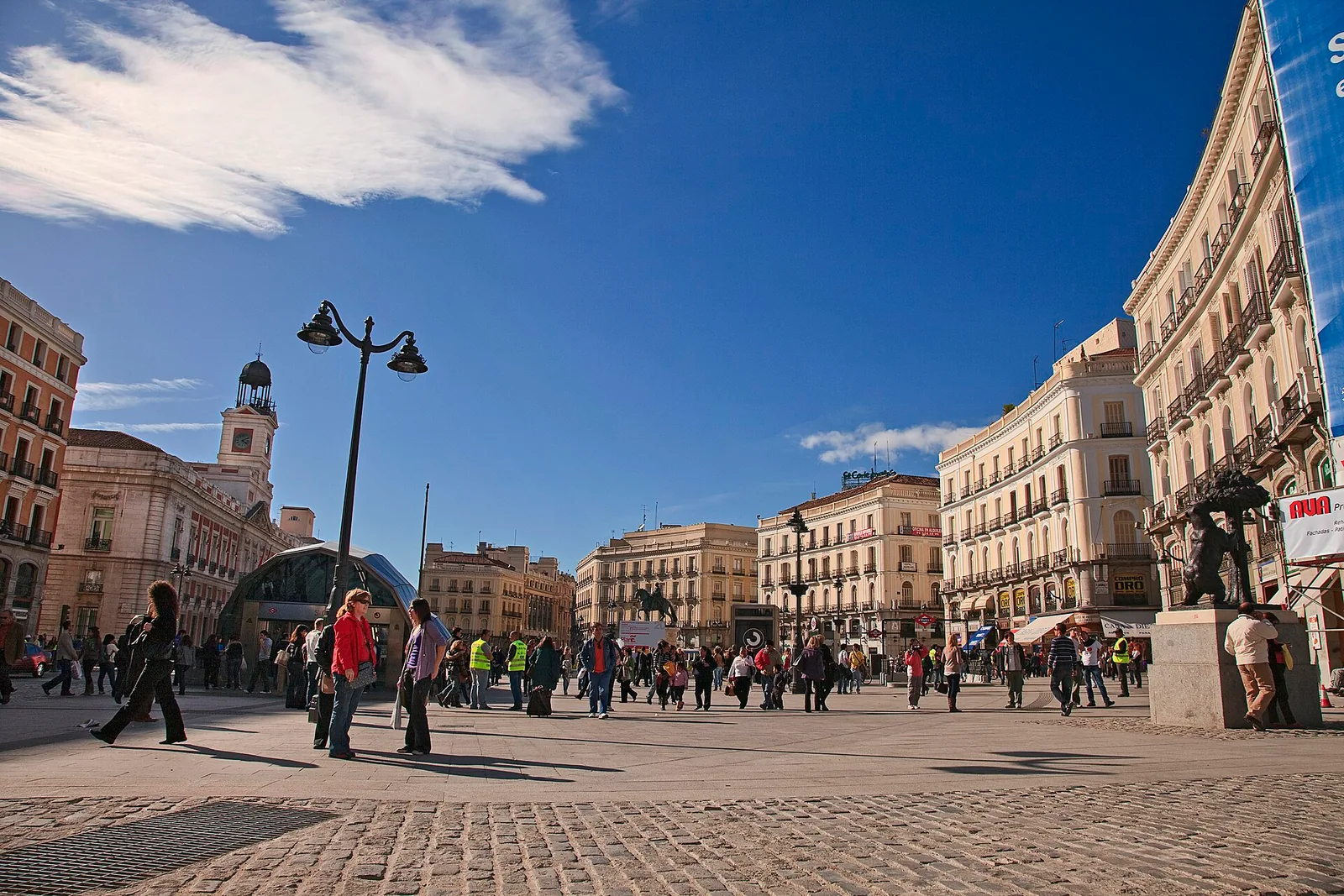
Madrid is a comfortable, well-run capital where the overwhelming majority of visits need none of what follows. It is also a city with one very common and very avoidable problem, and a healthcare arrangement that a lot of visitors misunderstand until the moment it matters. Five minutes now covers both. Save the numbers, read the paragraph about the health card, and then forget the whole subject.
The numbers to save
Spain routes everything through one number, which makes this simpler than in many countries.
| Service | Number |
|---|---|
| All emergencies (police, ambulance, fire) | 112 |
| National police | 091 |
| Local police | 092 |
| Medical emergencies | 061 |
| Spain country code | +34 |
112 is the one to remember. It is free from any phone, works without credit and without a local SIM, and the operators are set up to handle several languages.
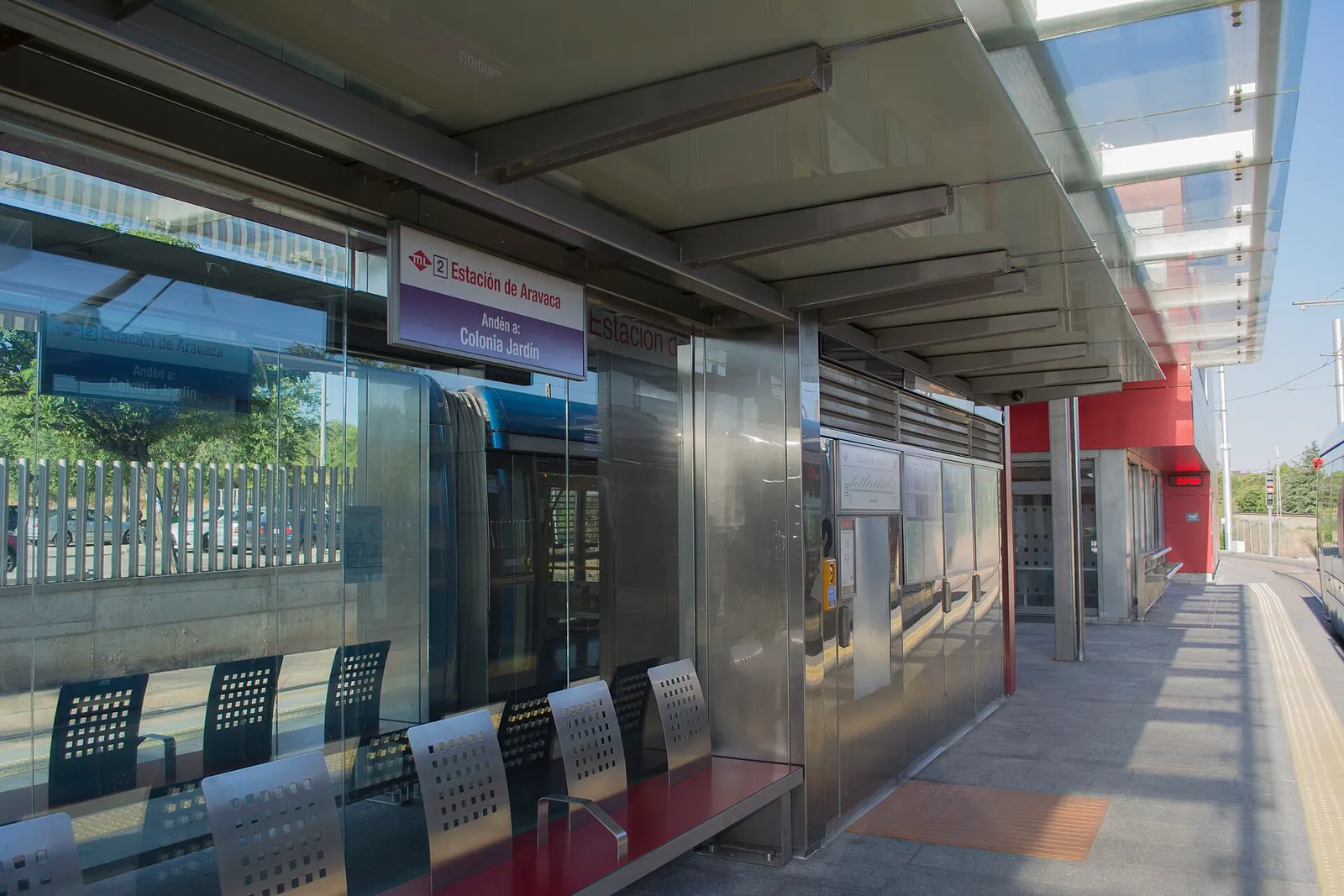
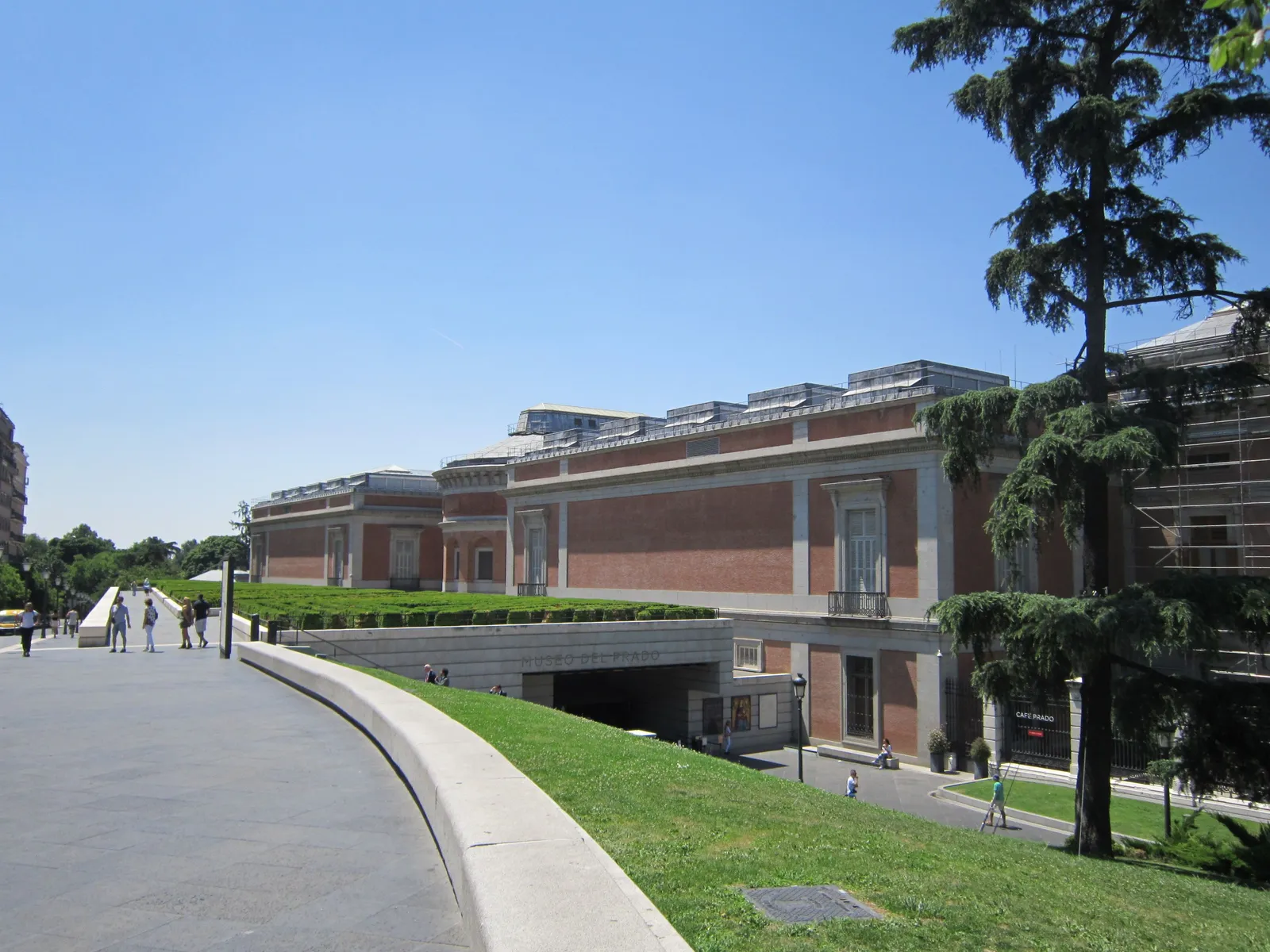
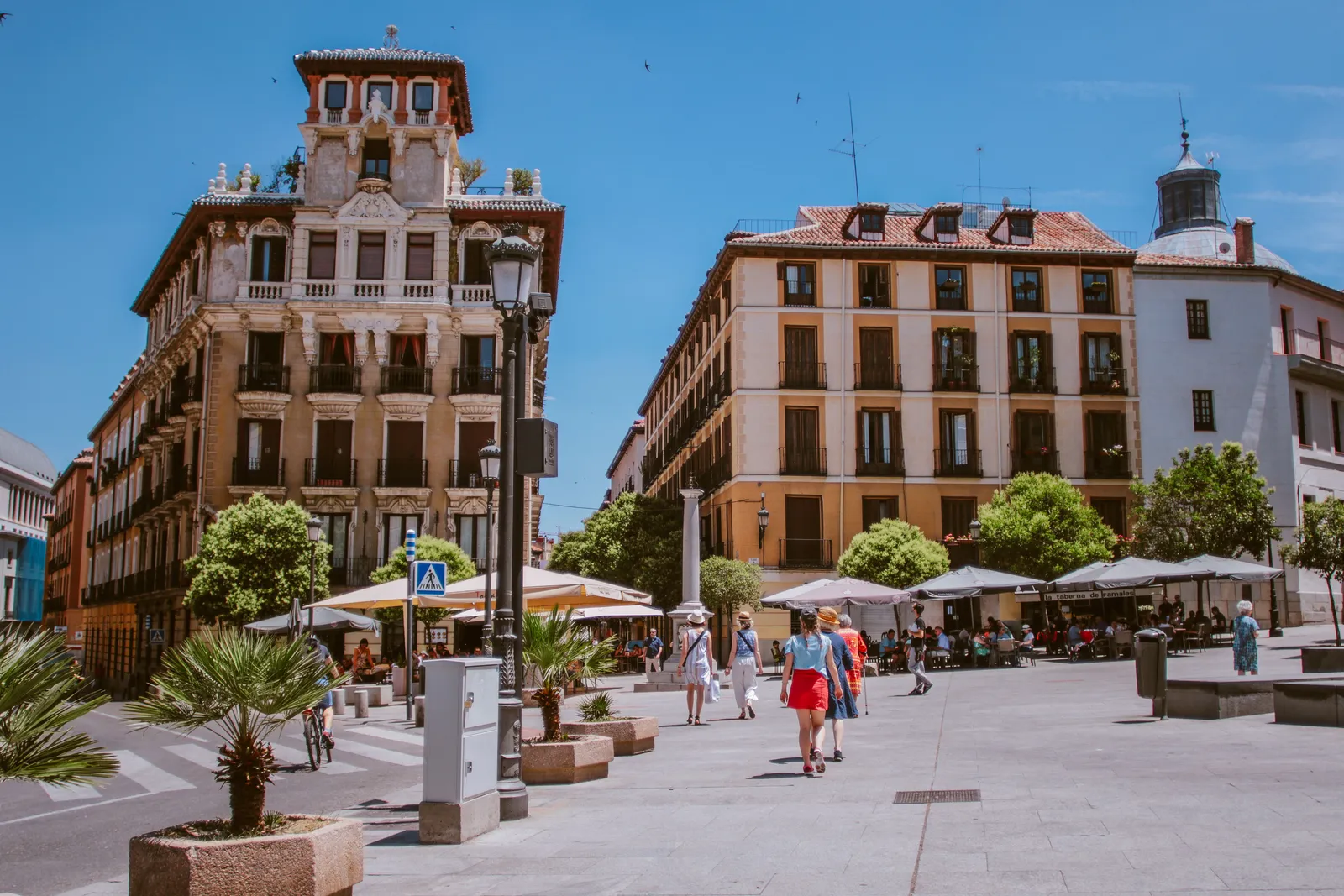
When you call, give your location first. In an unfamiliar city the address is the hard part, so use a metro station, a square, a museum or a street corner instead.
Healthcare, and the thing people get wrong
Spain has good public healthcare and the misunderstanding is about who it is free for.
A European health card, for visitors who hold one, gives access to the state system on the same terms as a resident. That is genuinely valuable and it is not the same as comprehensive cover: it does not pay for private treatment, it does not cover repatriation, and it does nothing for a stolen phone or a missed flight.
Travel insurance covers the rest, and the gap between the two is exactly where expensive surprises live. Carry both if you can and understand which does what.
Public hospitals in Madrid are good and busy. Private clinics are quick and are the usual route for visitors with insurance.
Payment at a private clinic is generally at the time, reclaimed afterwards, which is why the insurer’s assistance line is worth calling before you go rather than after.
Pharmacies, and the on-duty rota
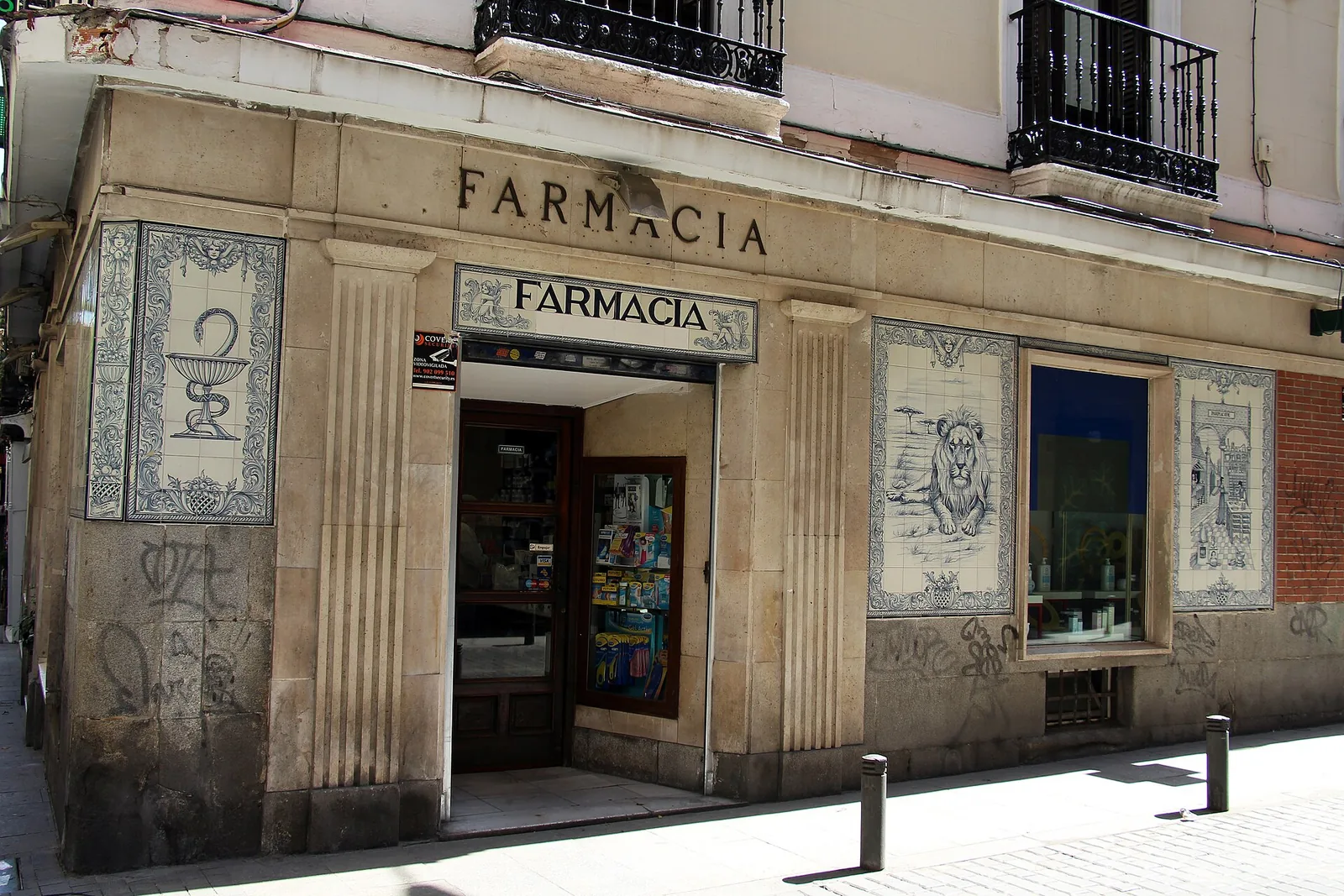
The Spanish pharmacy is the first stop for anything minor, and it works better than most visitors expect.
Look for the green cross. Pharmacists here are highly trained and routinely consulted before a doctor for everyday complaints, and they will advise as well as dispense.
A great deal is available over the counter that would need a prescription elsewhere.
Every district runs a rota so that at least one pharmacy is open around the clock. The on-duty one is posted on the doors of the closed ones and published online, which is worth knowing at two in the morning.
Bring the generic name of any regular medication rather than the brand, since brand names differ between countries.
If something is stolen
The sequence matters, because insurers are strict about it.
Report to the police and get the written report, the denuncia. This is required for any insurance claim and for replacing a passport, and it cannot be obtained after you have gone home.
Cancel cards immediately, which is far easier if you saved the numbers before you travelled.
Contact your embassy for a lost passport. Madrid hosts nearly every mission in Spain, which makes this considerably more straightforward here than elsewhere in the country.
Keep digital copies of your passport, policy and card details in your email. It turns each of these from a crisis into an errand.
The seasonal risks nobody warns about
Two things send more visitors to a Madrid pharmacy than crime does.
The summer heat is serious. Madrid in July and August regularly reaches temperatures that are genuinely dangerous in the middle of the day, and the city is landlocked, high and dry. Heat exhaustion is a real cause of visitor call-outs. Move like the locals do: out early, indoors or asleep in the afternoon, out again in the evening.
The winter cold surprises people who packed for Spain rather than for a city on a high plateau. Madrid is cold and clear in January, and colder at night.
The altitude and dryness together dehydrate people faster than they expect in both seasons, which is the quiet cause of a lot of headaches blamed on the wine.
Getting oriented in the first hour
Two things make everything above easier and both belong in the arrival, not the emergency.
A working phone, because 112, the maps, the pharmacy rota and your insurer’s line all live on it.
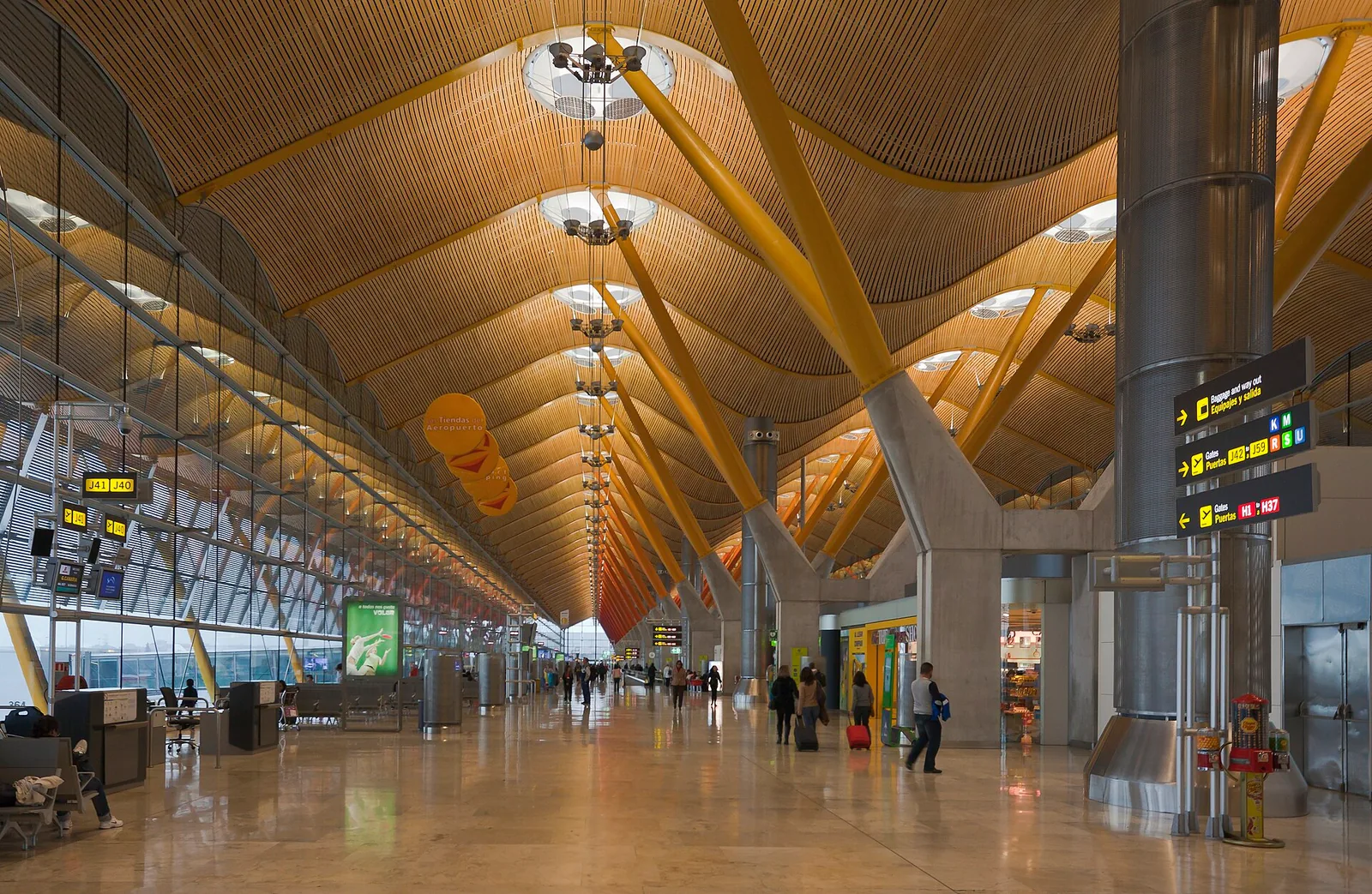
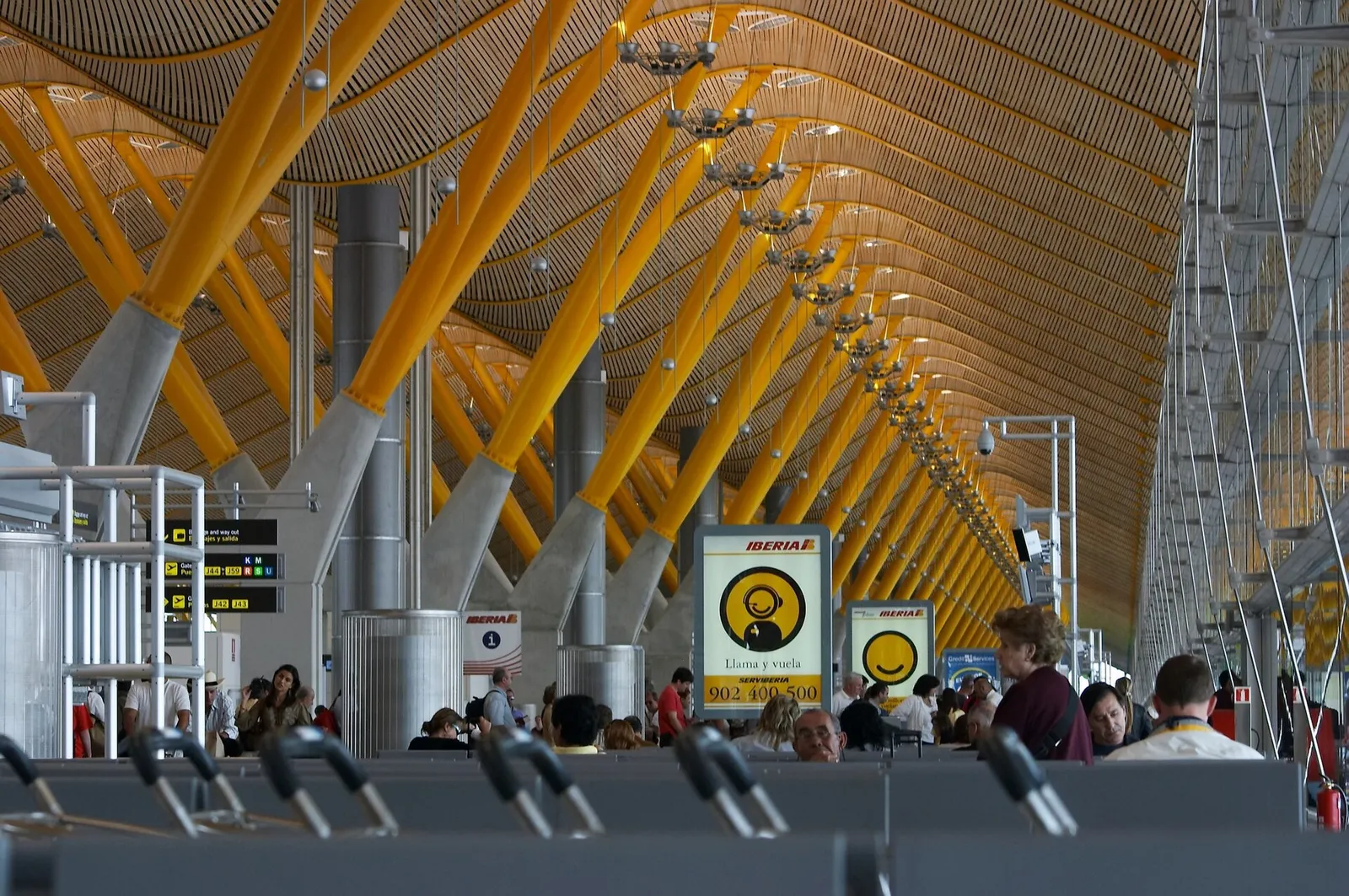
Knowing where you are staying and how you get there, which sounds obvious until you are tired at Barajas at eleven at night; our guide to Madrid airport transfers covers all four options and the terminal that changes the answer.
And most calls to any of these numbers start with a theft rather than an emergency, since the busiest tourist streets are also the busiest for pickpocketing and the report you file afterwards is what an insurer will ask for; our guide to pickpockets in Madrid covers where it happens and how to avoid it.
For everything else about arriving prepared, our first-time guide to Madrid covers the practical groundwork, including the eating hours that catch out more visitors than anything in this article.
The short version
Save 112, which covers everything and works from any phone. Understand that a European health card gives you the state system on local terms and not repatriation, private care or a stolen bag, which is what insurance is for. Use pharmacies for anything minor and look up the on-duty rota at night. Guard your pockets around Sol, the museums and the metro, because that is the one thing that genuinely happens here. And treat the summer heat with more respect than the crime rate.