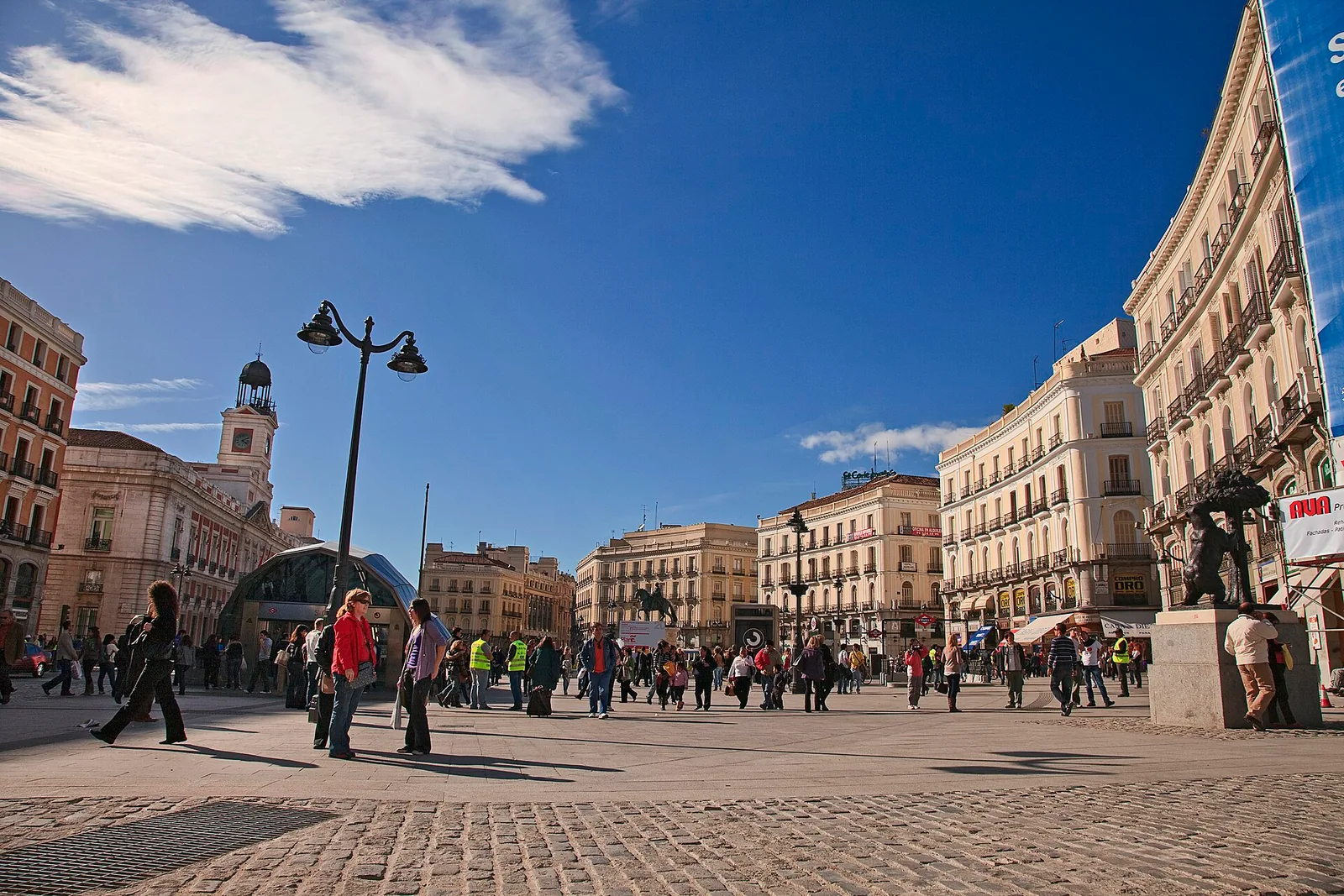
Madrid sits about six hundred metres above sea level on a dry plateau, a long way from any sea, and in July and August the afternoon sun on a stone city with limited tree cover produces something visitors are rarely prepared for. This is not the Mediterranean summer of a coastal town. It is a hot, bright, arid heat that makes walking between two and six genuinely unpleasant, and the local response is not endurance but a completely different daily timetable.
What the heat actually does to a day
Mornings until noon are pleasant, bright and entirely usable.
Noon until about four is the point at which walking becomes work.
Four until seven is the worst stretch, when the stone has absorbed the day.
After eight the city returns, and terraces fill until well past midnight.
Nights cool more than on the coast, because there is no sea to hold the heat.
Shade is scarce on the wide avenues and abundant in the parks, which is the whole geography of a summer day here.
The local timetable, which works
Out by half past eight, for the sights, the walking and the light.
Museum or market late morning, when the air conditioning is worth more than the exhibits.
A long lunch at two, ideally the set menu, ideally with wine.
Indoors and still until six, which is not laziness, it is the reason the evening works.
Out again at seven or eight, for the parks, the shops and the streets.
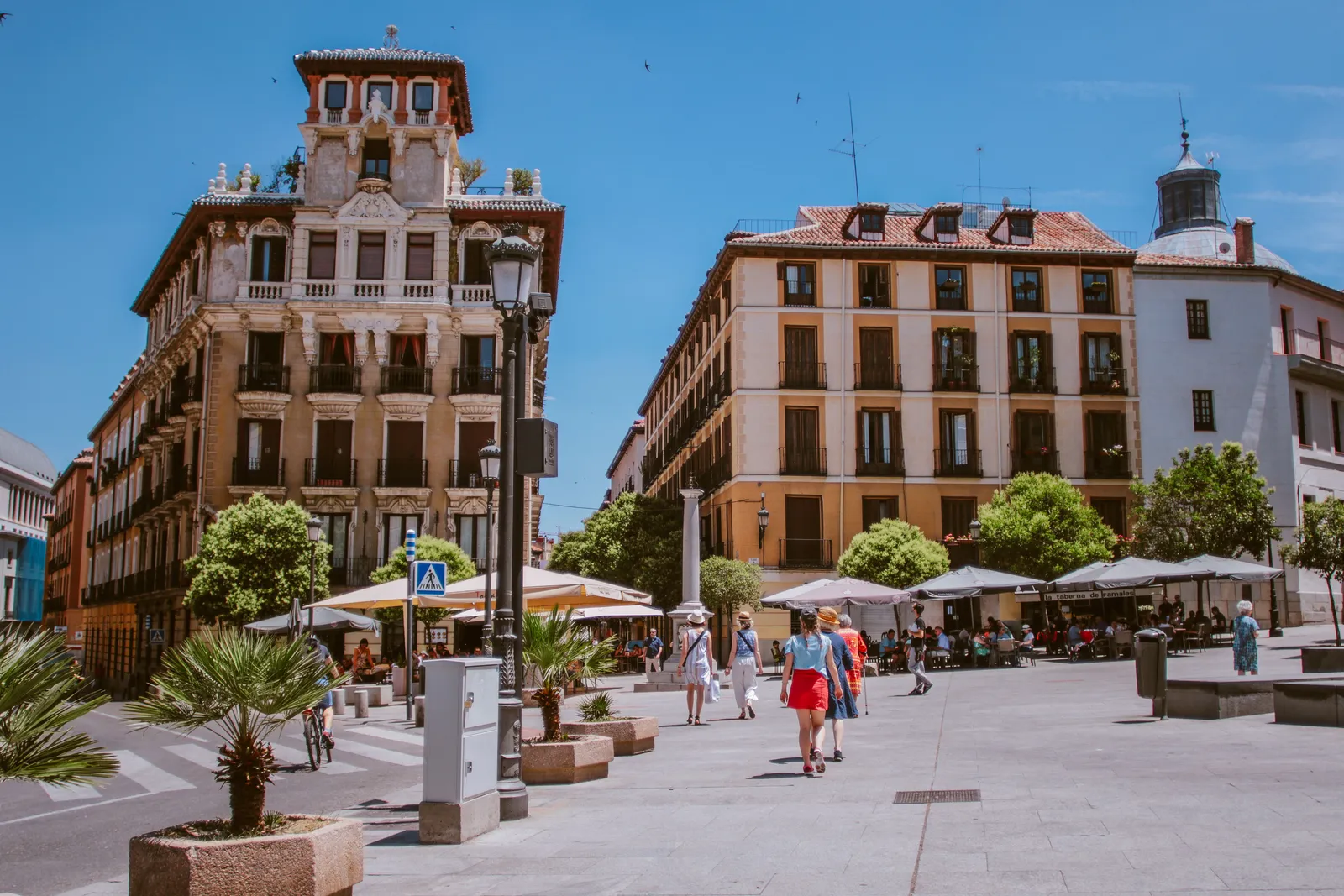
Dinner at ten, on a terrace, which is the best meal of the Madrid summer.
Where to be when it is worst
The big museums, cool, dim and designed for exactly this.
The covered markets, which are shaded and have somewhere to sit.
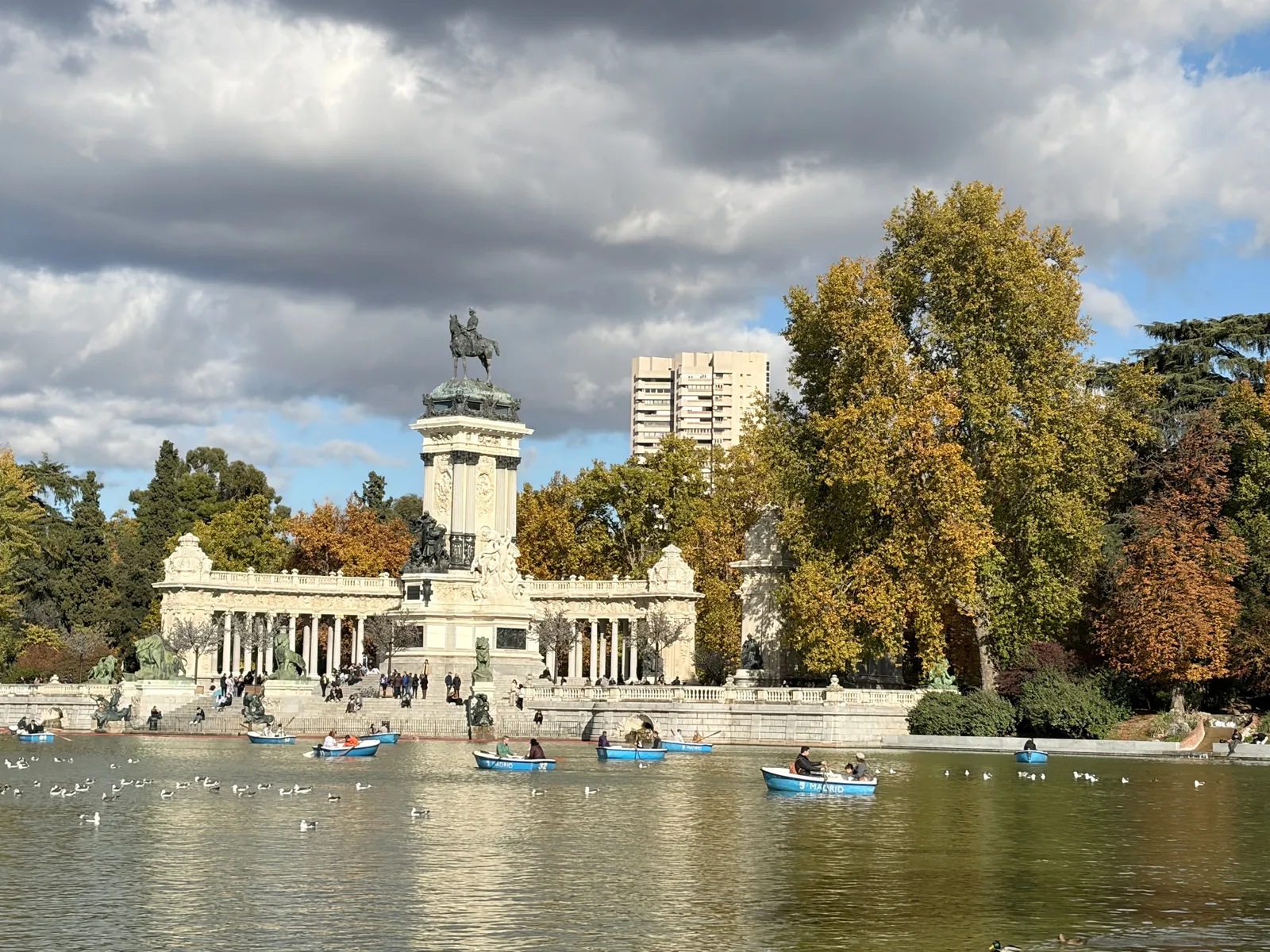
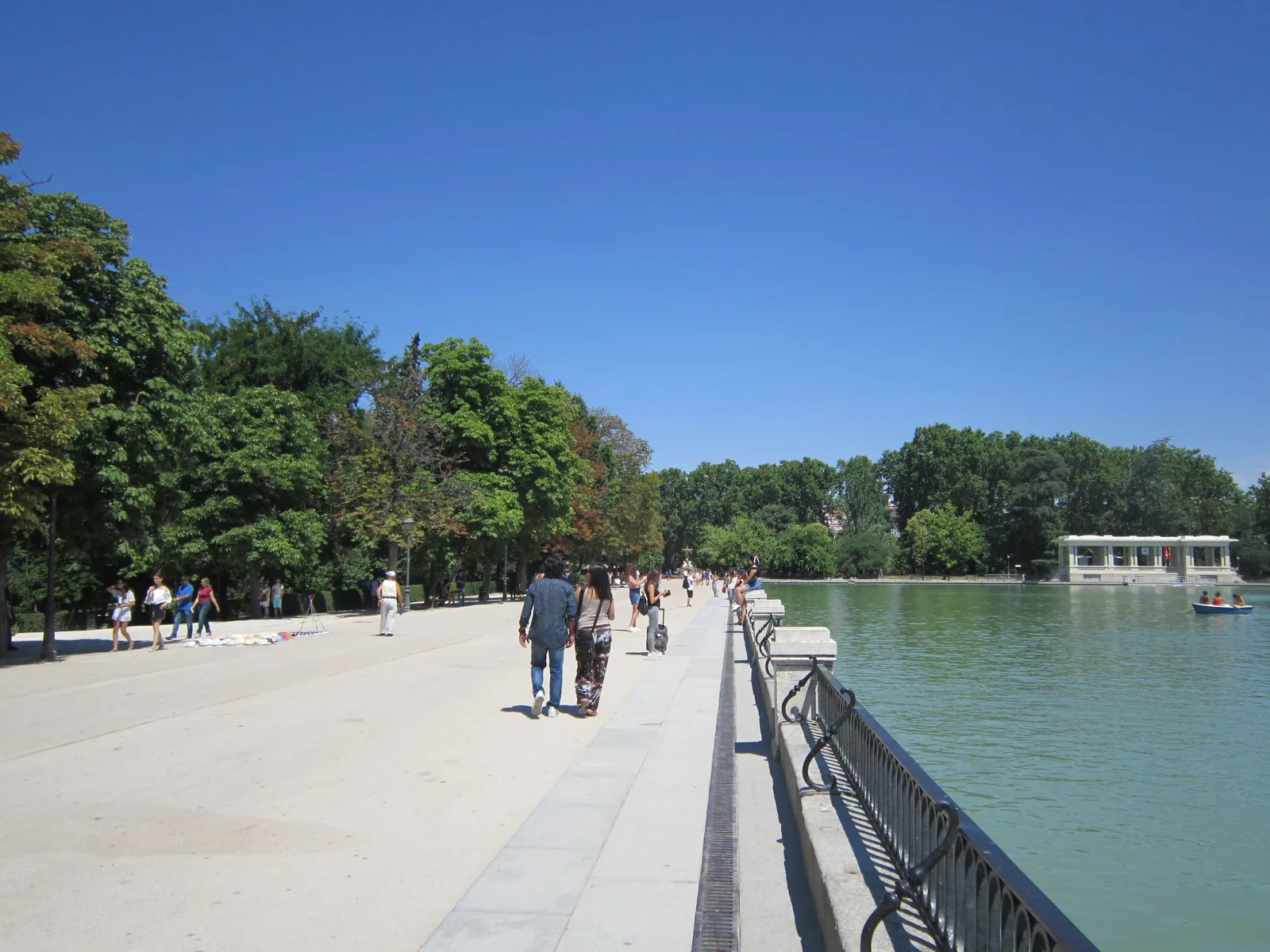
Retiro’s wooded sections, rather than its open lawns and lake edge.
Casa de Campo, which is largely woodland and several degrees cooler.
The river park, with water features and shade in the newer stretches.
Any church, which is free, empty and always cold.
Practical notes
Water, constantly; the tap water here is good and free and fountains are common.
A hat and sunglasses matter more than in a coastal summer, because the light is harsh.
Sunscreen at levels you would use on a beach, on an ordinary sightseeing day.
Metro carriages are air conditioned; some older station platforms are not.
Heatwave warnings are issued by the national weather service and are worth reading.
August closures affect small restaurants and shops, so confirm anywhere specific.
Where this fits in a Madrid trip
Summer here is a trip you plan differently rather than a trip you should cancel.
For deciding when to come and what each season actually delivers, our guide to the best time to visit Madrid covers the year.
For the park that will absorb most of your shaded hours, our guide to Retiro covers the ground.
And for the season when this city is at its cheapest, which is not a coincidence, our Madrid budget guide covers the savings.
The short version
Do not fight the afternoon, restructure around it. Out by half past eight, museum or market late morning, a long set lunch at two, indoors and still until six, out again for the evening and dinner at ten. Find the municipal pools, which are cheap and empty of visitors. Stay in the woodland parts of the parks rather than the open ones. Confirm the air conditioning before you book a July room. Drink far more water than feels necessary, and accept that some places will be shut for August.