Madrid's F1 Grand Prix at MADRING: Circuit, Tickets and How to Plan the Weekend
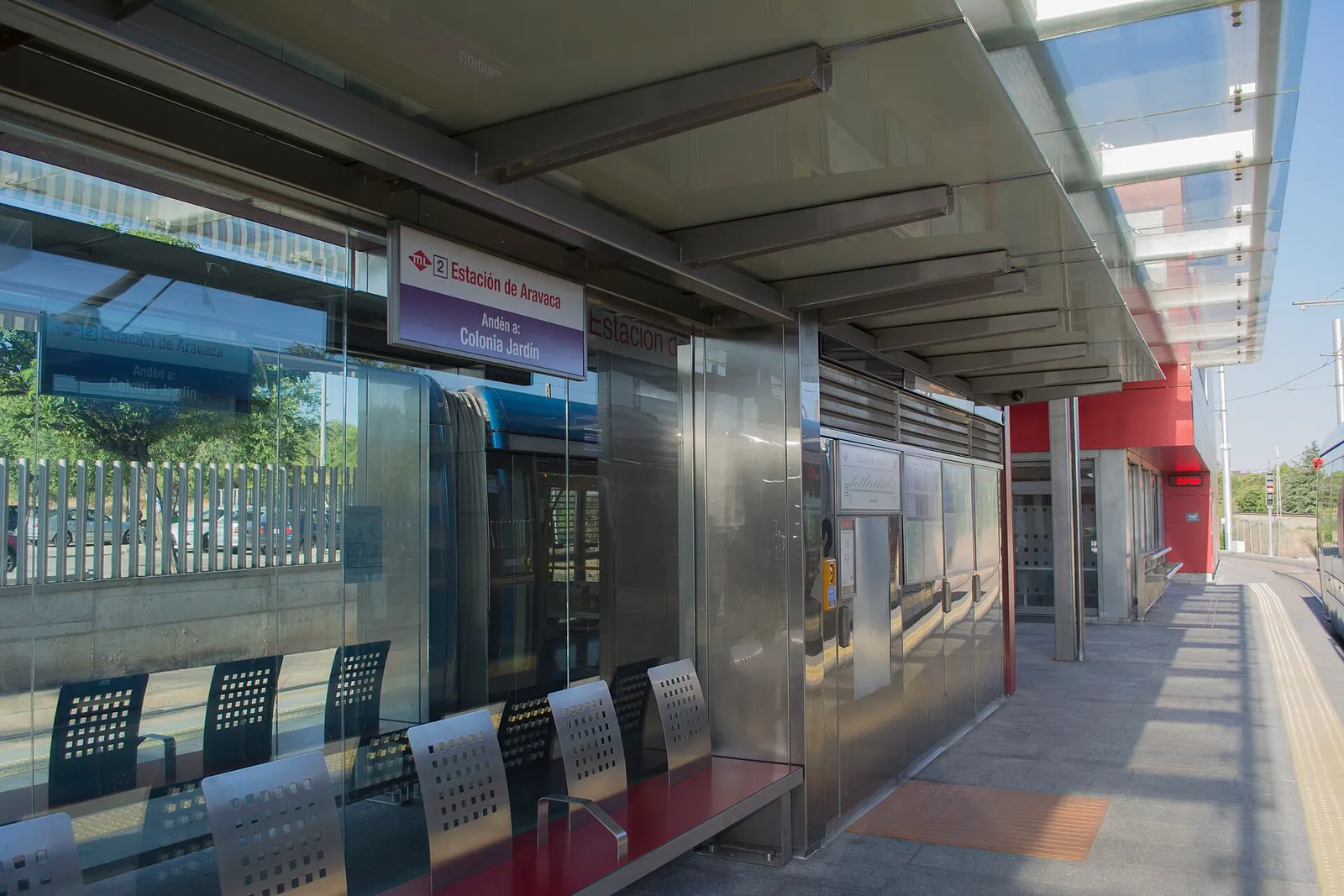
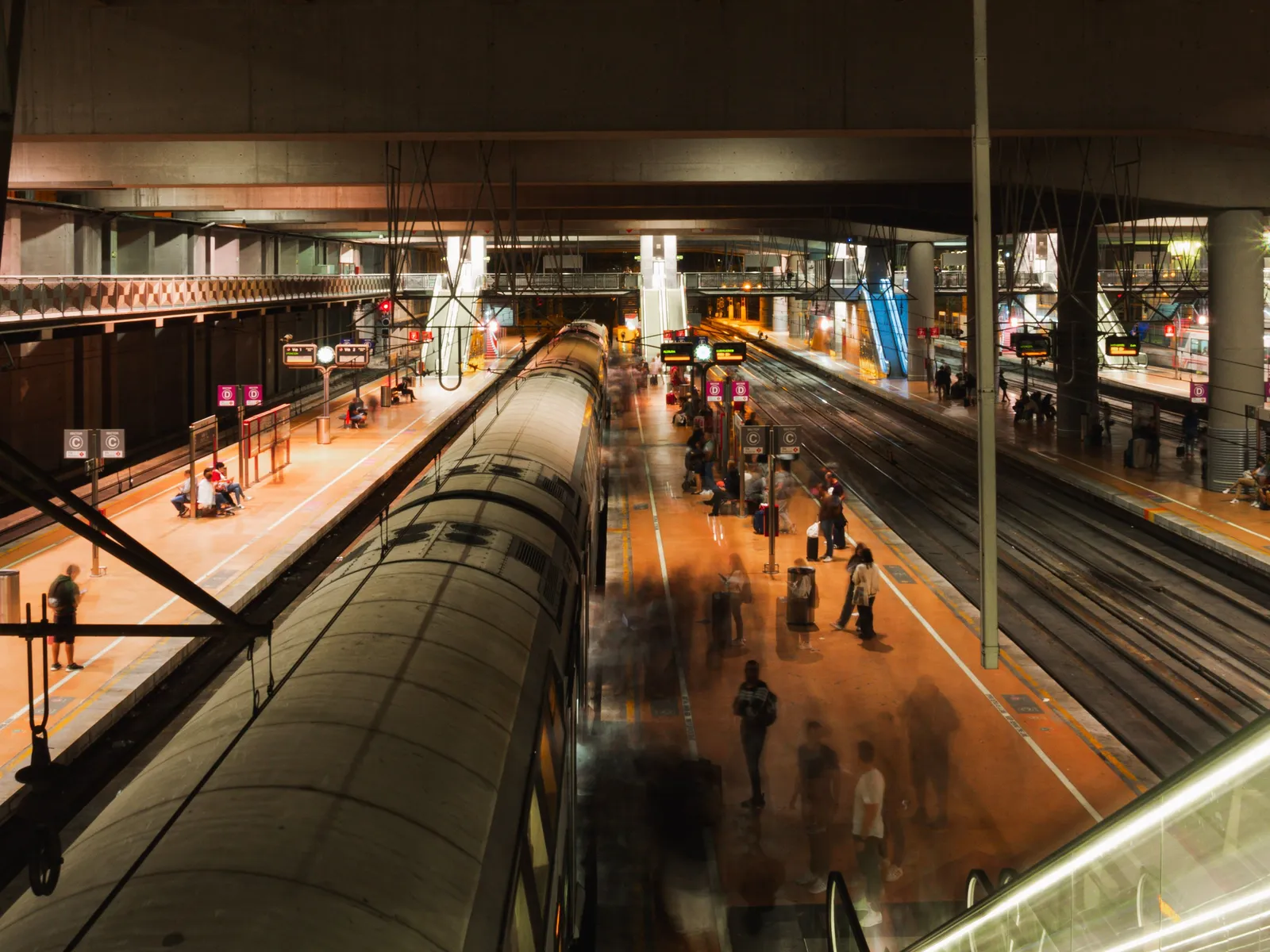
How the Spanish Grand Prix works at Madrid's new MADRING circuit around IFEMA: the layout, how tickets are sold, reaching the track by metro, and where to base yourself.
Everything you need to know about Madrid, sorted by topic, from the Prado and the Royal Palace to Toledo and Segovia.
How the Spanish Grand Prix works at Madrid's new MADRING circuit around IFEMA: the layout, how tickets are sold, reaching the track by metro, and where to base yourself.
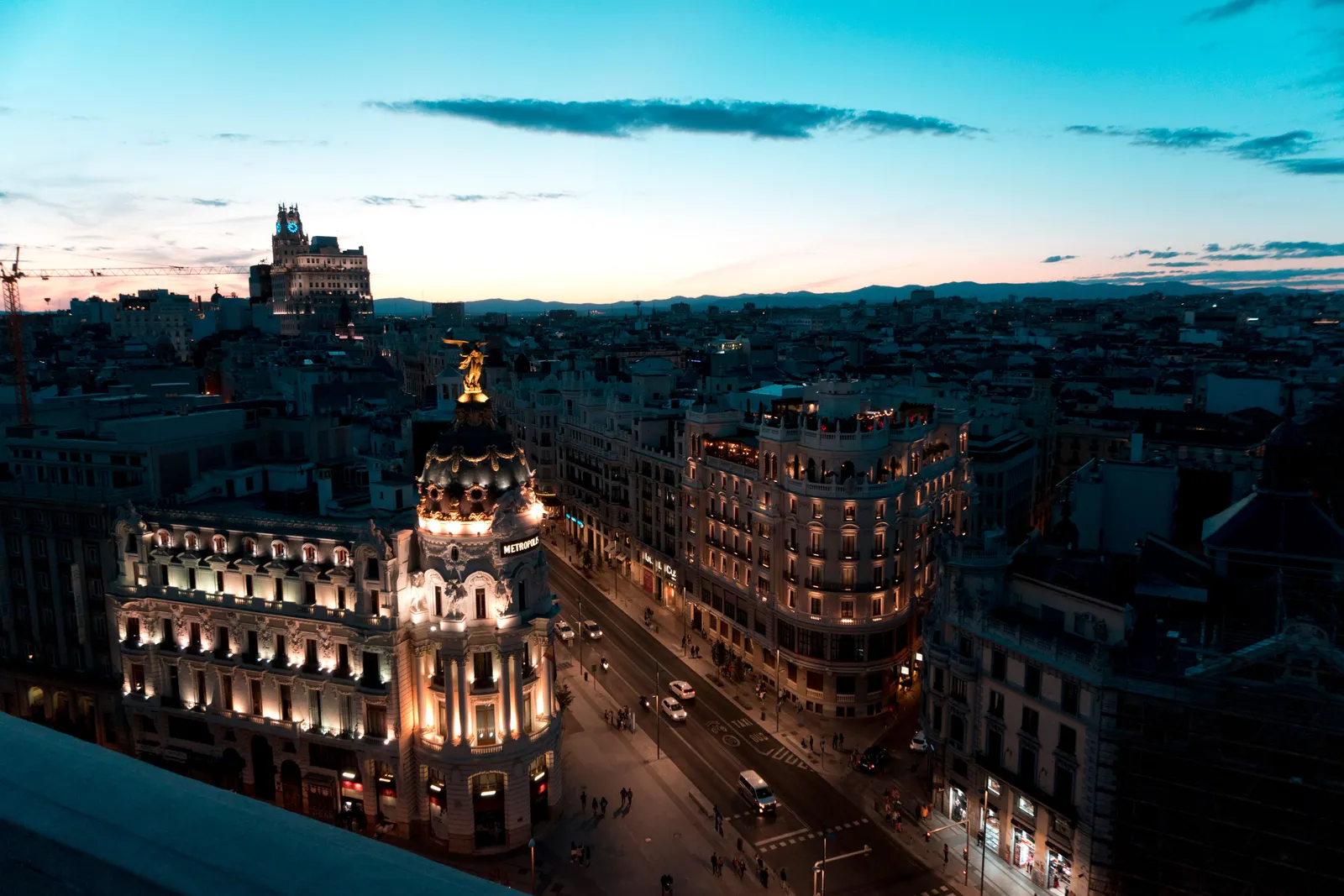
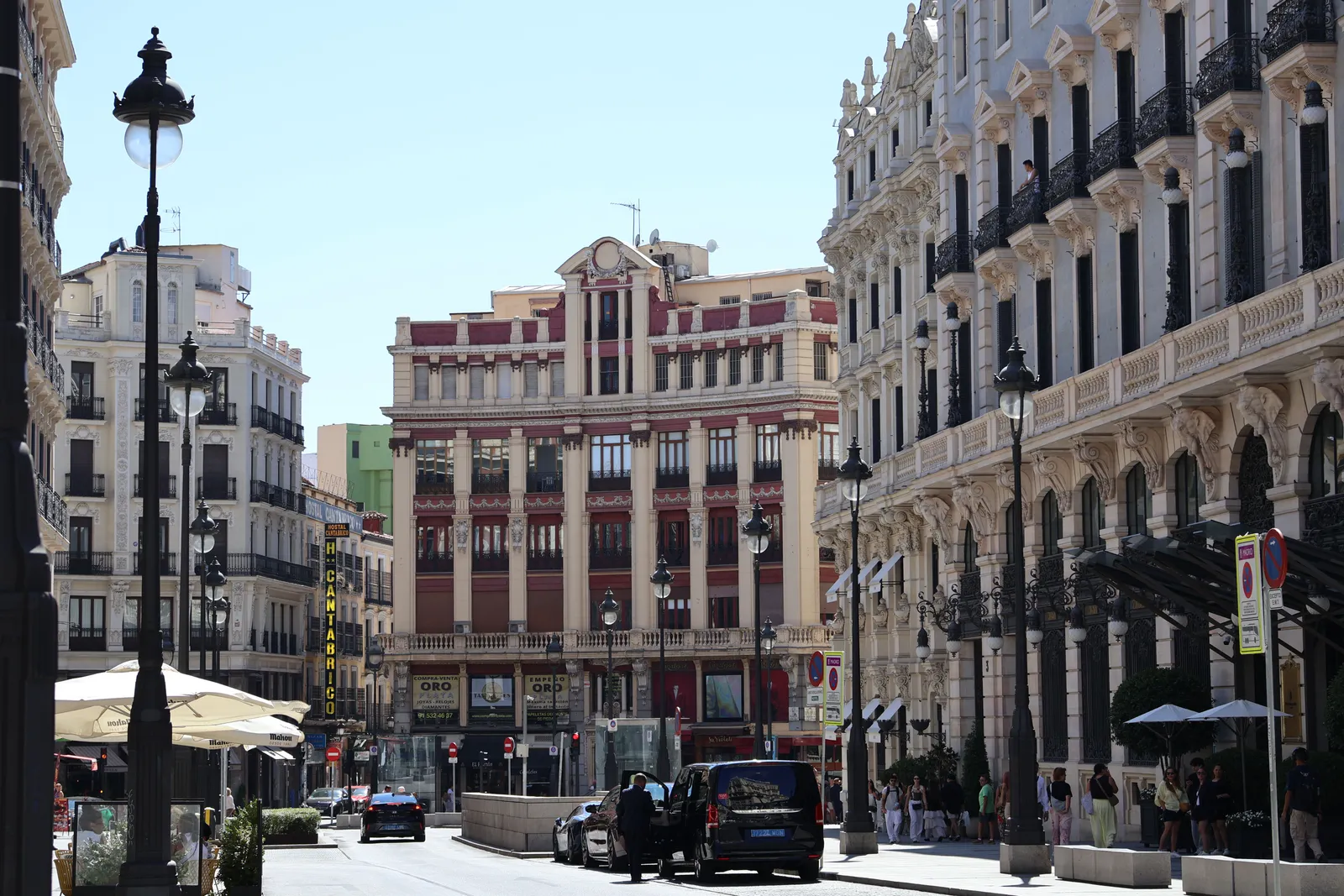
A neighborhood-by-neighborhood guide to where to stay in Madrid: Sol and the center, Huertas, Chueca and Malasaña, Salamanca, La Latina and more, plus hotels, hostales and apartments, and who each area suits.
A four-day Madrid plan that does not rush: the museum triangle, royal Madrid, the tapas neighbourhoods, Retiro, and a day trip out, with the local eating hours built in rather than fought.
Getting from Madrid Barajas into the centre: the metro and its airport supplement, the express bus that runs all night, the fixed-fare taxi, and which terminal changes the answer.
What to save before you travel: the single European emergency number, the local police lines, how Spanish pharmacies work, what the EHIC and GHIC actually cover, and what they do not.
How entering Spain works for a Madrid trip: who travels visa free and for how long, how the rolling Schengen count works, the new biometric border, passport validity, and what to have ready at the airport.
When to visit Madrid: a month-by-month and season-by-season breakdown of weather, crowds, prices and events, and the sweet spots for the best trip whatever you are after.
The best day trips from Madrid by train or car: Toledo, Segovia, El Escorial, Ávila and Aranjuez, with how long to spend, how to get there and what not to miss in each.
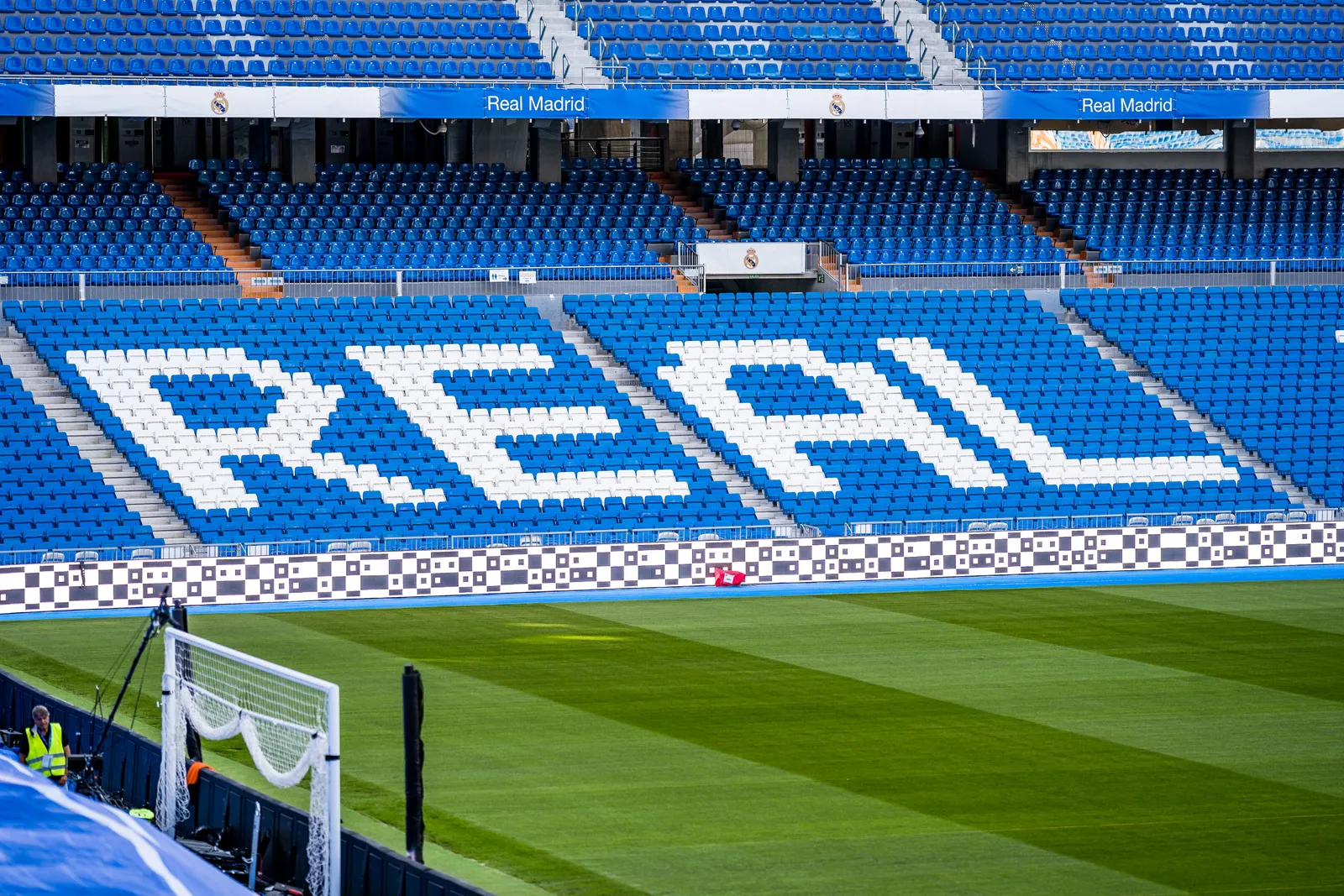
How to see Real Madrid at the Santiago Bernabéu: getting match tickets, what the stadium tour includes, matchday tips, and how to catch Atlético at the Metropolitano too.
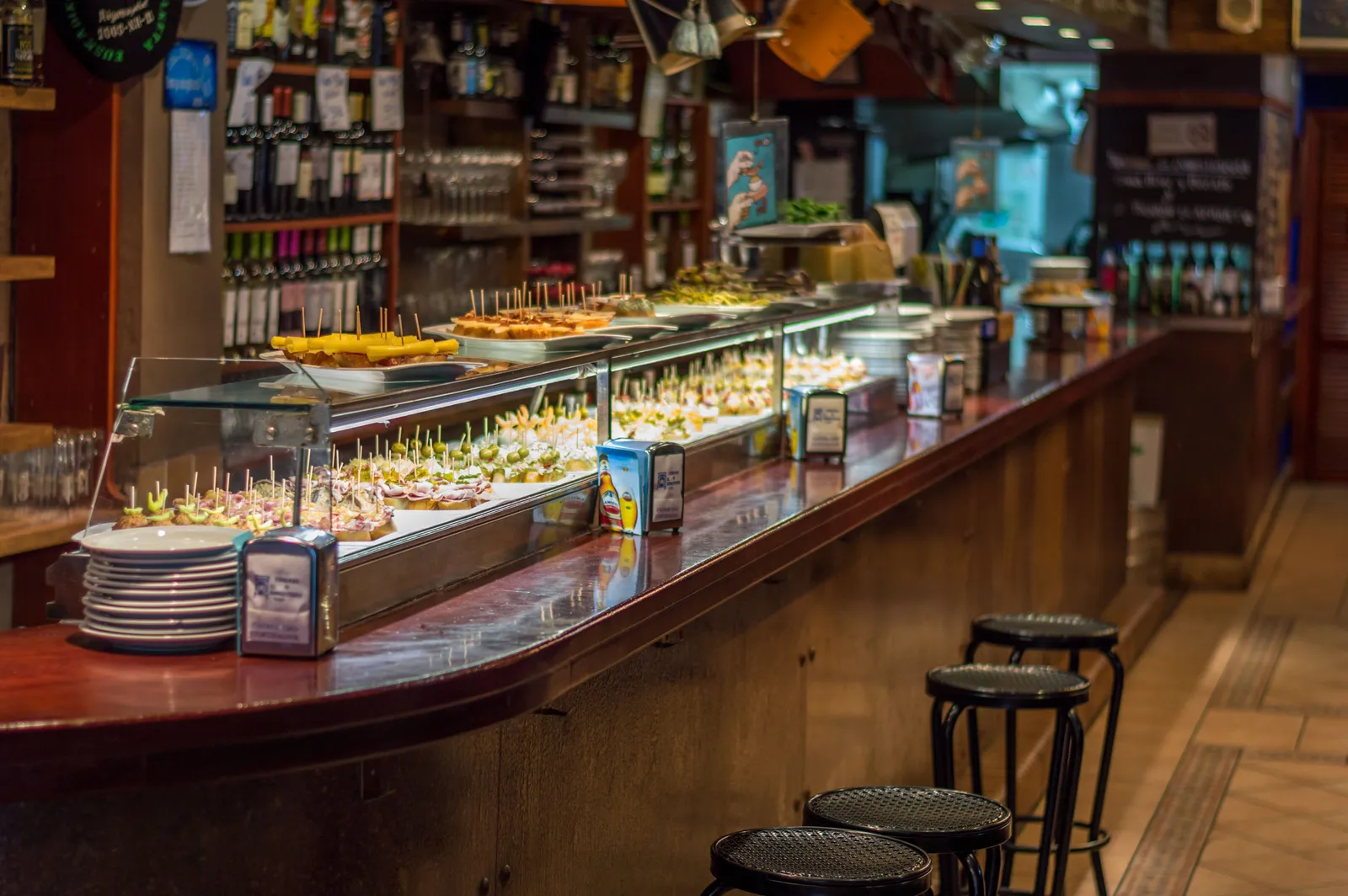
How to eat well in Madrid: the tapas to order, the dishes the city invented, when locals actually eat, the best neighborhoods for a crawl, and how to skip the tourist traps.
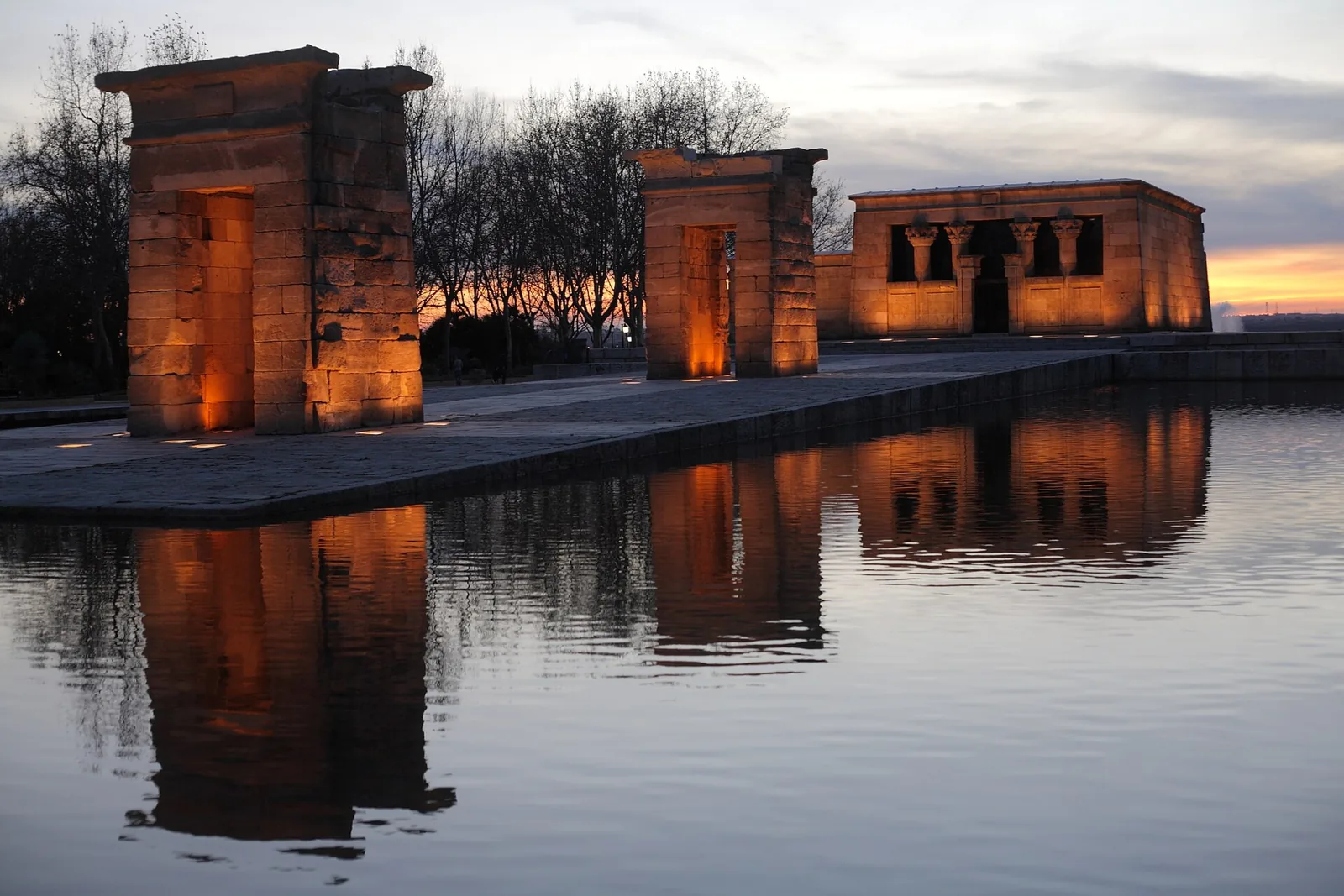
No canals, no cathedral square with a violinist. What Madrid has instead is an Egyptian temple at sunset, a rowing boat, a glasshouse and dinner at eleven.
In mid May the city puts on waistcoats and headscarves, dances the chotis in a meadow and eats wafer rolls. Then it does something similar four more times a year.
The city sits on a dry plateau and July afternoons are brutal. Locals do not fight it, they restructure the day around it, and the day they build is a good one.
One has the sea, the architecture and the crowds. The other has the art, the food culture and a city that still belongs to the people who live in it.
Free museum hours, a legally protected set lunch, a flat walkable centre and public transport that costs almost nothing. Where the money actually goes here.
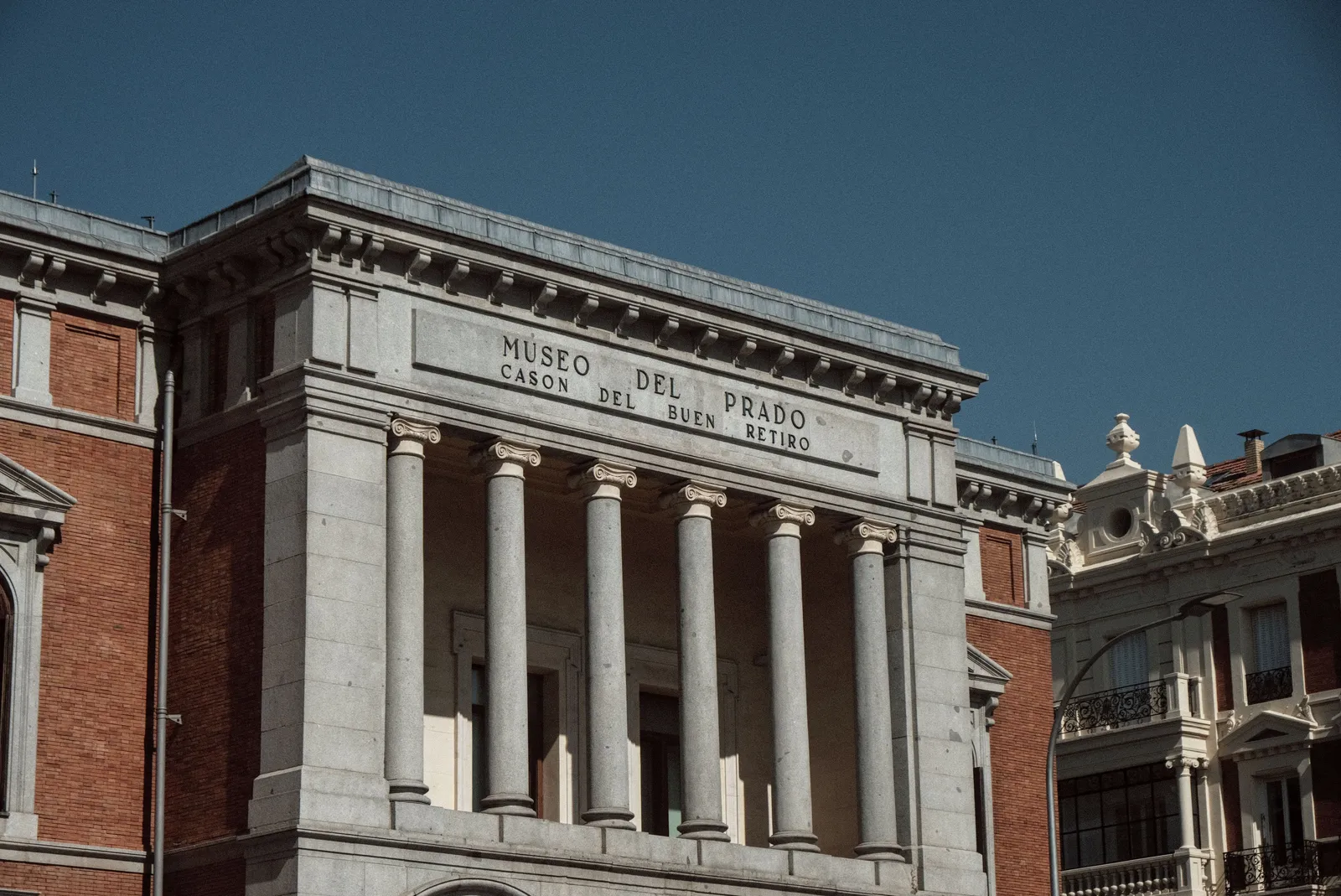
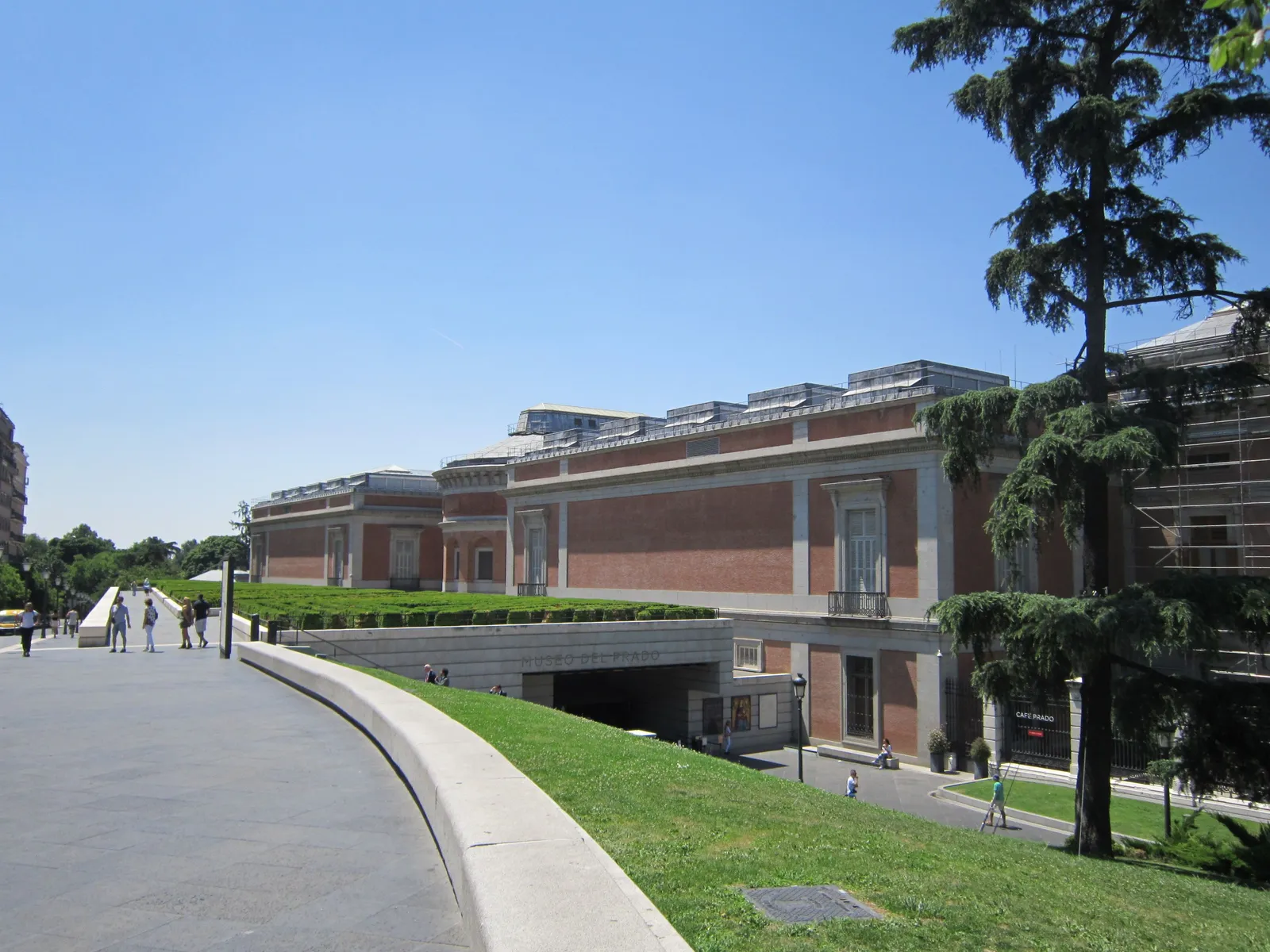
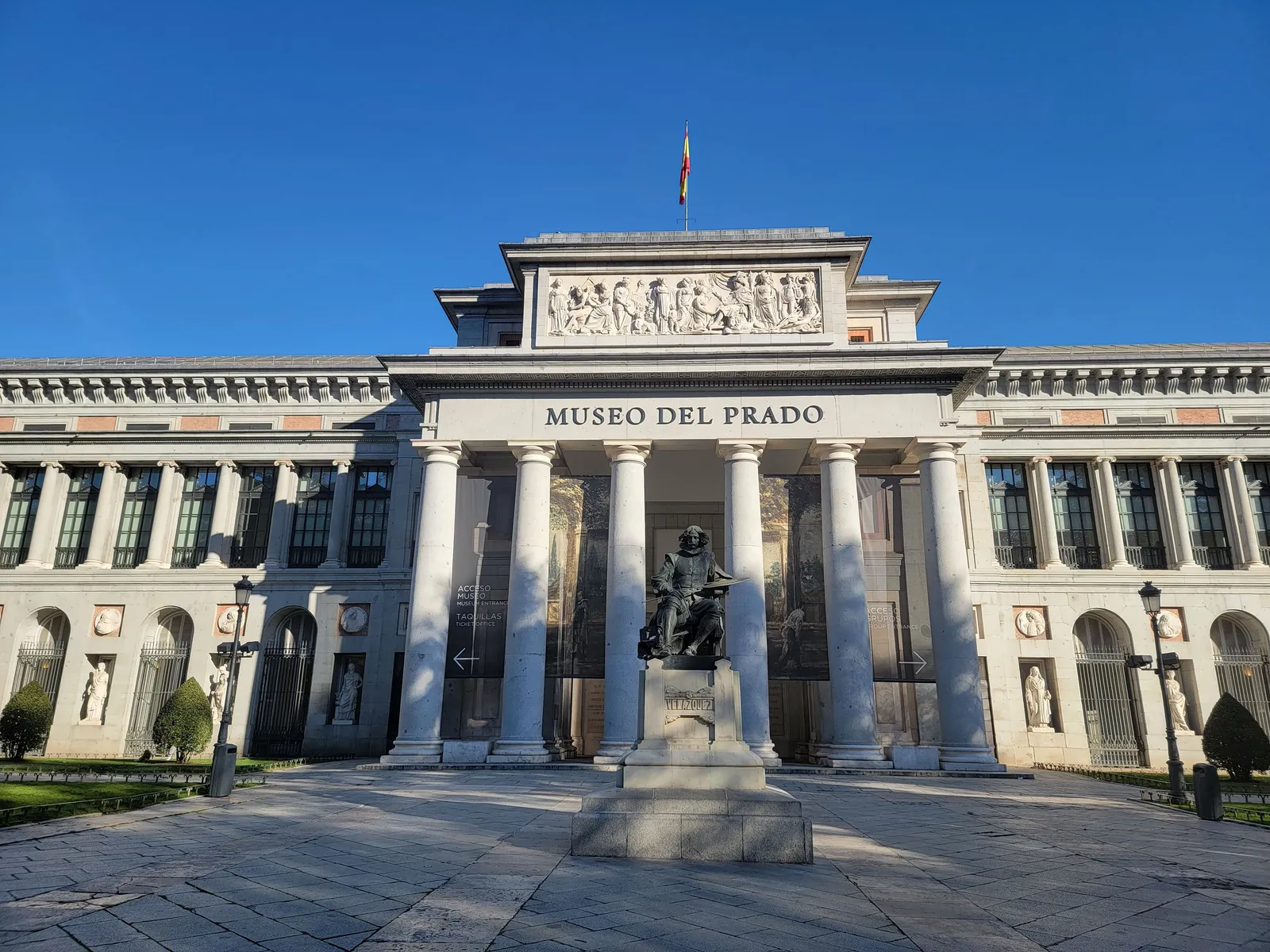
How to do the Prado, the Reina Sofía and the Thyssen without burning out: what to see, when to go, how the free hours work and how to plan the perfect art day in Madrid.
A capital where nobody minds children in a restaurant at ten at night, with a cable car, two big parks, boats to row and a theme park on the western edge.
Everything a first-time visitor needs for Madrid: when to go, which neighborhood to stay in, what to book ahead, how to get around, what to eat and the rookie mistakes to skip.
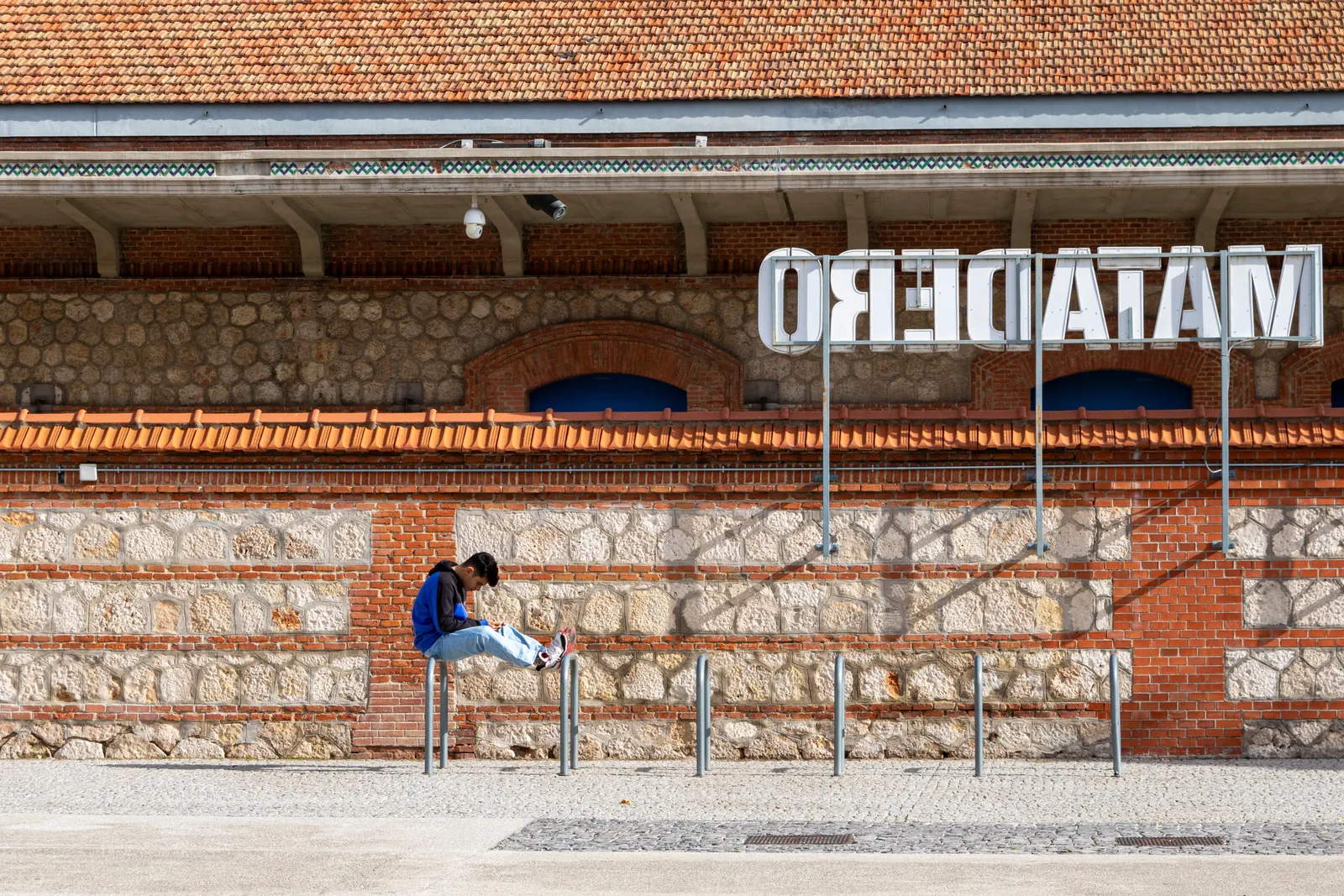
A century old livestock market and abattoir on the Manzanares turned into theatre, galleries, a design centre and a food hall, and why Arganzuela is worth the walk south of the centre.
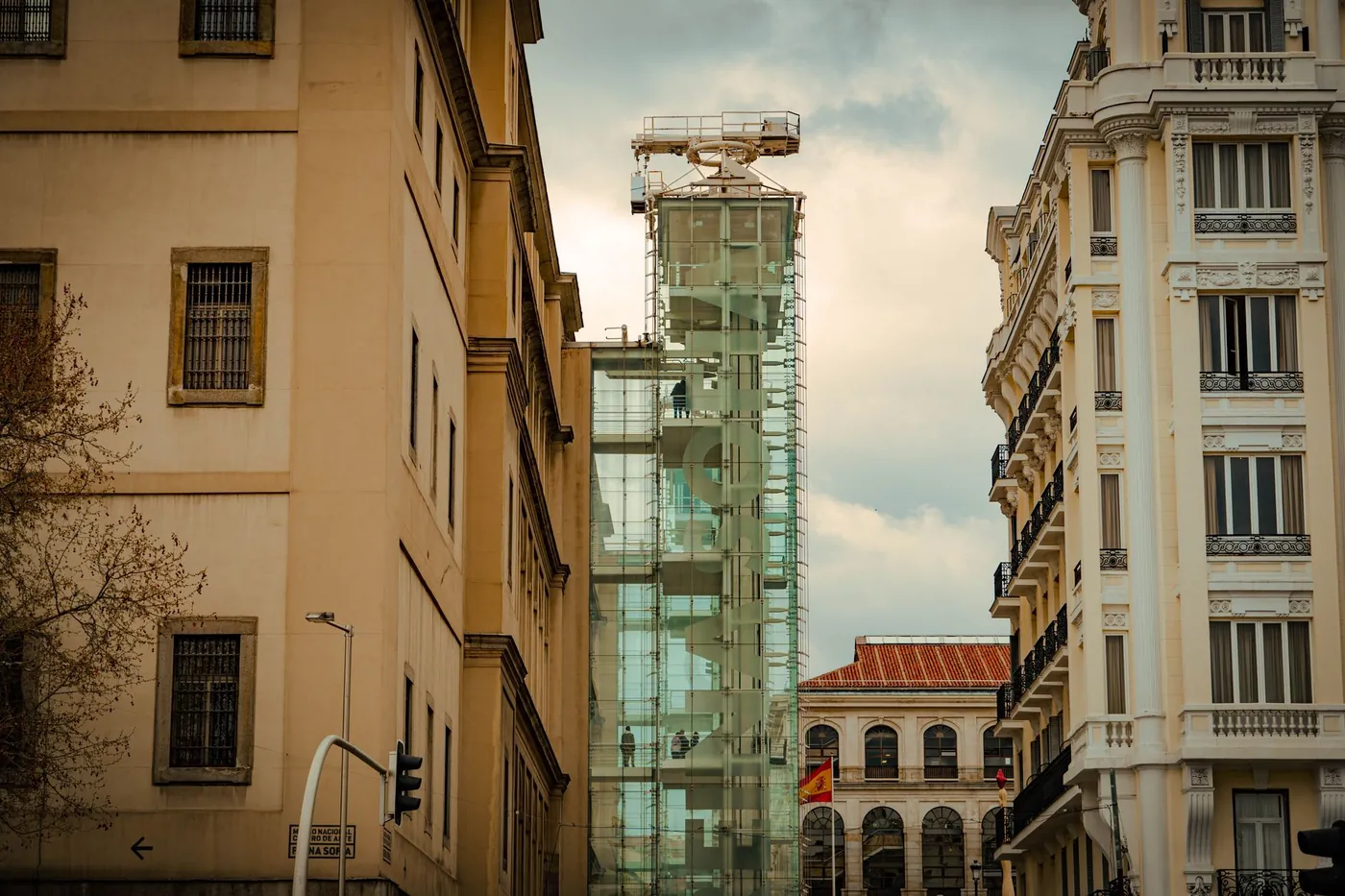
Picasso's Guernica, the Dalí and Miró rooms, and how the Reina Sofía fits with its two more famous neighbours: what to see, how to time it, and why it easily deserves a morning of its own.
Madrid's big museums open free for the last hours of the day. What that period is really like, which museums offer it, how early to arrive, and when paying is the better decision.
A plan for one of the great museums: the works most people come for, how to structure two or three hours instead of a whole day, when it is quietest, and what to skip without regret.
A painter's house with its garden intact, and a small chapel with a ceiling Goya painted himself. Both are quiet, both are quick, and one is free.
How to do the Prado, the Reina Sofía and the Thyssen without burning out: what to see, when to go, how the free hours work and how to plan the perfect art day in Madrid.
A century old livestock market and abattoir on the Manzanares turned into theatre, galleries, a design centre and a food hall, and why Arganzuela is worth the walk south of the centre.
A neighborhood-by-neighborhood guide to where to stay in Madrid: Sol and the center, Huertas, Chueca and Malasaña, Salamanca, La Latina and more, plus hotels, hostales and apartments, and who each area suits.
No canals, no cathedral square with a violinist. What Madrid has instead is an Egyptian temple at sunset, a rowing boat, a glasshouse and dinner at eleven.
In mid May the city puts on waistcoats and headscarves, dances the chotis in a meadow and eats wafer rolls. Then it does something similar four more times a year.
Flamenco is Andalusian, and Madrid is where it professionalised. How to tell a serious tablao from a dinner show, and what you are actually watching.
A two hour walk from an avenue built in 1910 by demolishing fourteen streets, down into the tangle of alleys the demolition was meant to replace.
A night here has stages: vermouth, tapas, a proper drink, a rooftop, a club at two and churros at six. Where each stage happens and how to pace it.
Everything a first-time visitor needs for Madrid: when to go, which neighborhood to stay in, what to book ahead, how to get around, what to eat and the rookie mistakes to skip.
One was the centre of a counterculture and is now full of vintage shops and coffee; the other was derelict and became one of Europe's great gay districts. They share a street.
A medieval street grid south of the palace, a hundred bars in twenty minutes' walk, and a Sunday ritual that starts at the flea market and finishes after dark.
A flat city with a wall of sierra behind it looks better from the ninth floor: which rooftop bars are worth the price, and which viewpoints cost nothing at all.
How to eat well in Madrid: the tapas to order, the dishes the city invented, when locals actually eat, the best neighborhoods for a crawl, and how to skip the tourist traps.
Flamenco is Andalusian, and Madrid is where it professionalised. How to tell a serious tablao from a dinner show, and what you are actually watching.
A night here has stages: vermouth, tapas, a proper drink, a rooftop, a club at two and churros at six. Where each stage happens and how to pace it.
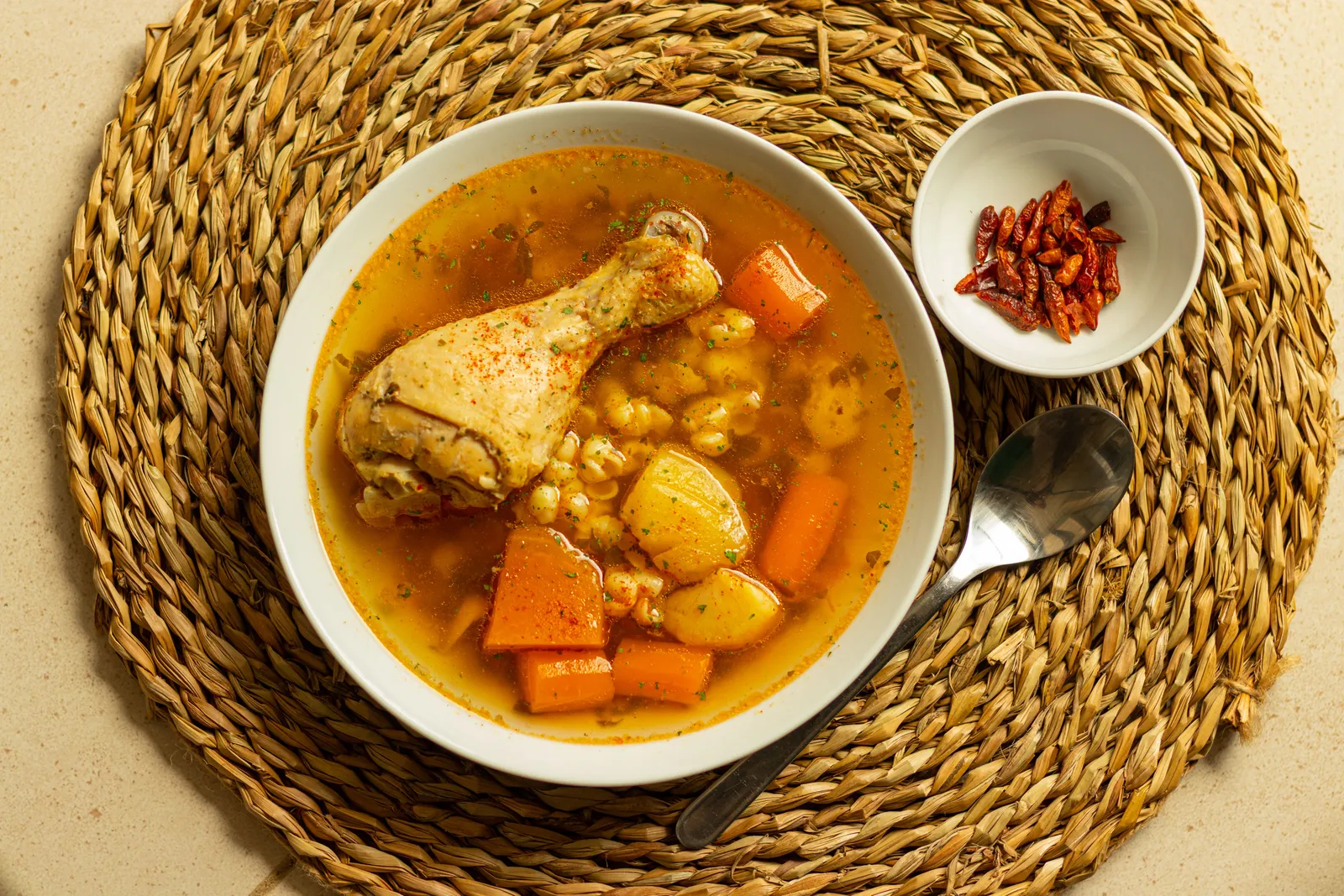
Madrid's own dish is a chickpea stew served in three separate courses from the same pot, eaten at lunchtime in winter, and it takes an afternoon.
Fried dough dipped in chocolate thick enough to stand a spoon in, eaten at six in the morning or six in the evening, in rooms that have been serving it for a century.
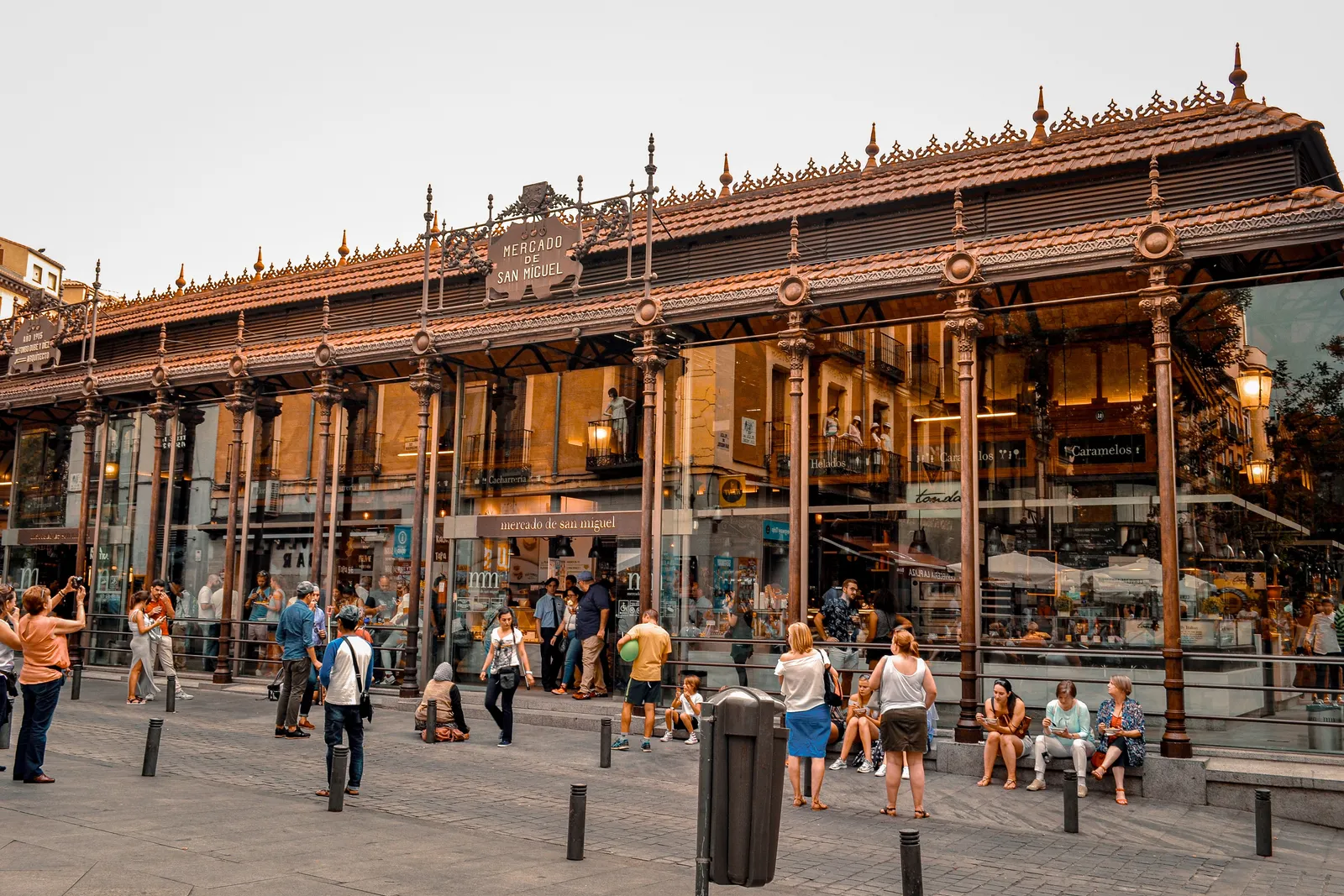
A medieval street grid south of the palace, a hundred bars in twenty minutes' walk, and a Sunday ritual that starts at the flea market and finishes after dark.
How the Spanish Grand Prix works at Madrid's new MADRING circuit around IFEMA: the layout, how tickets are sold, reaching the track by metro, and where to base yourself.
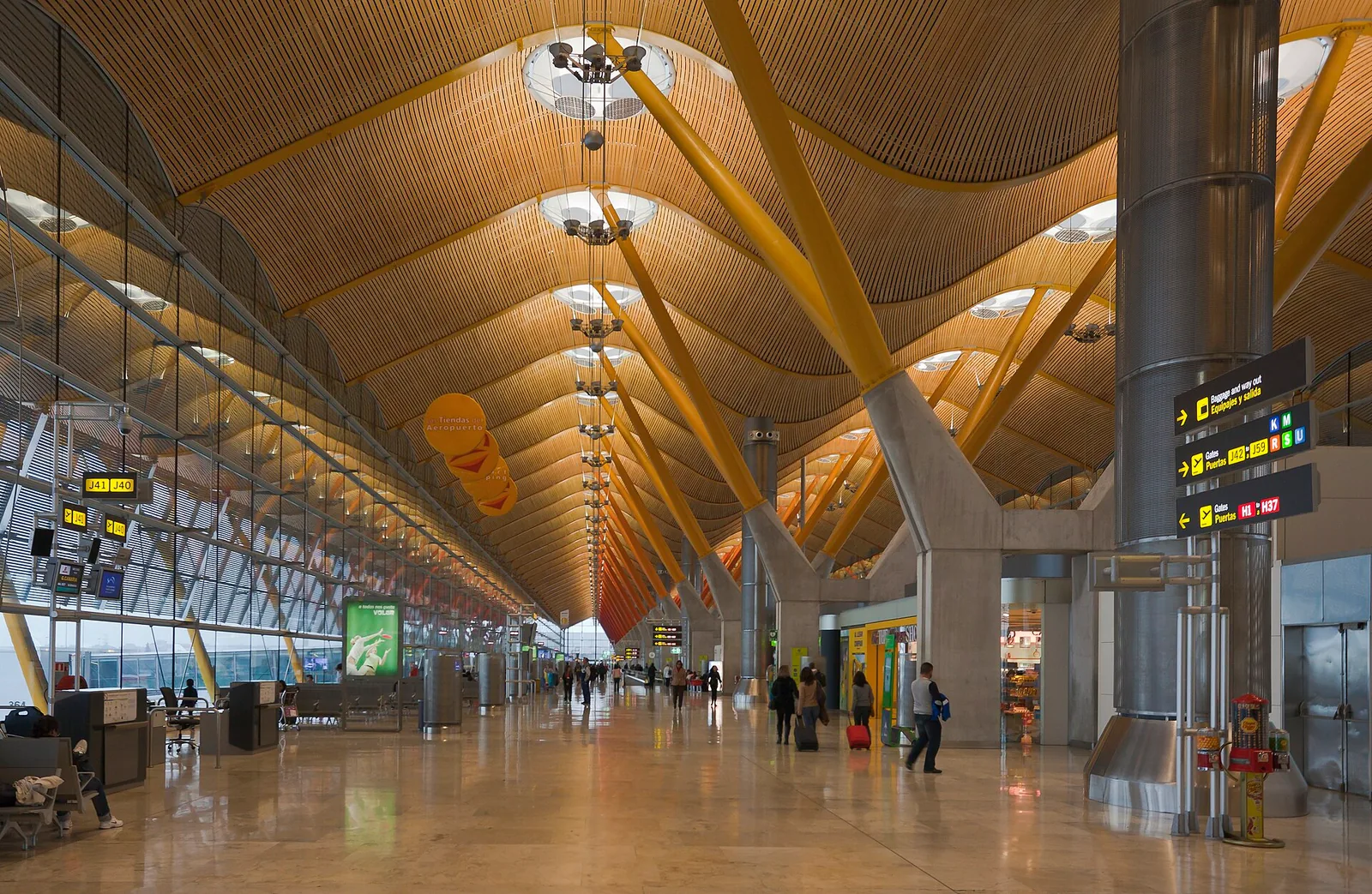
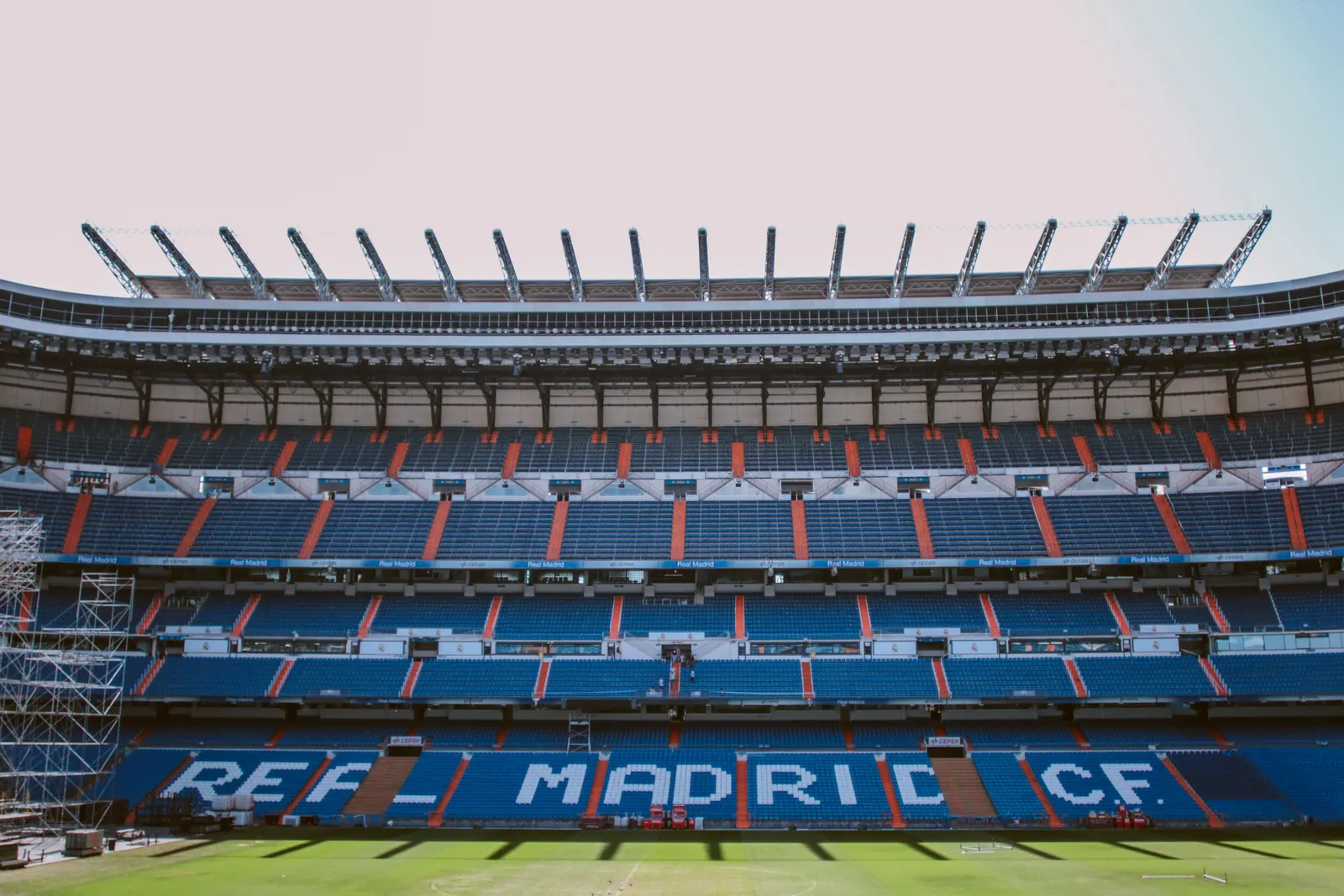
How to see Real Madrid at the Santiago Bernabéu: getting match tickets, what the stadium tour includes, matchday tips, and how to catch Atlético at the Metropolitano too.
Real Madrid at the Bernabeu and Atletico at the Metropolitano are not interchangeable: how tickets are released, what resale actually risks, and which match to pick.
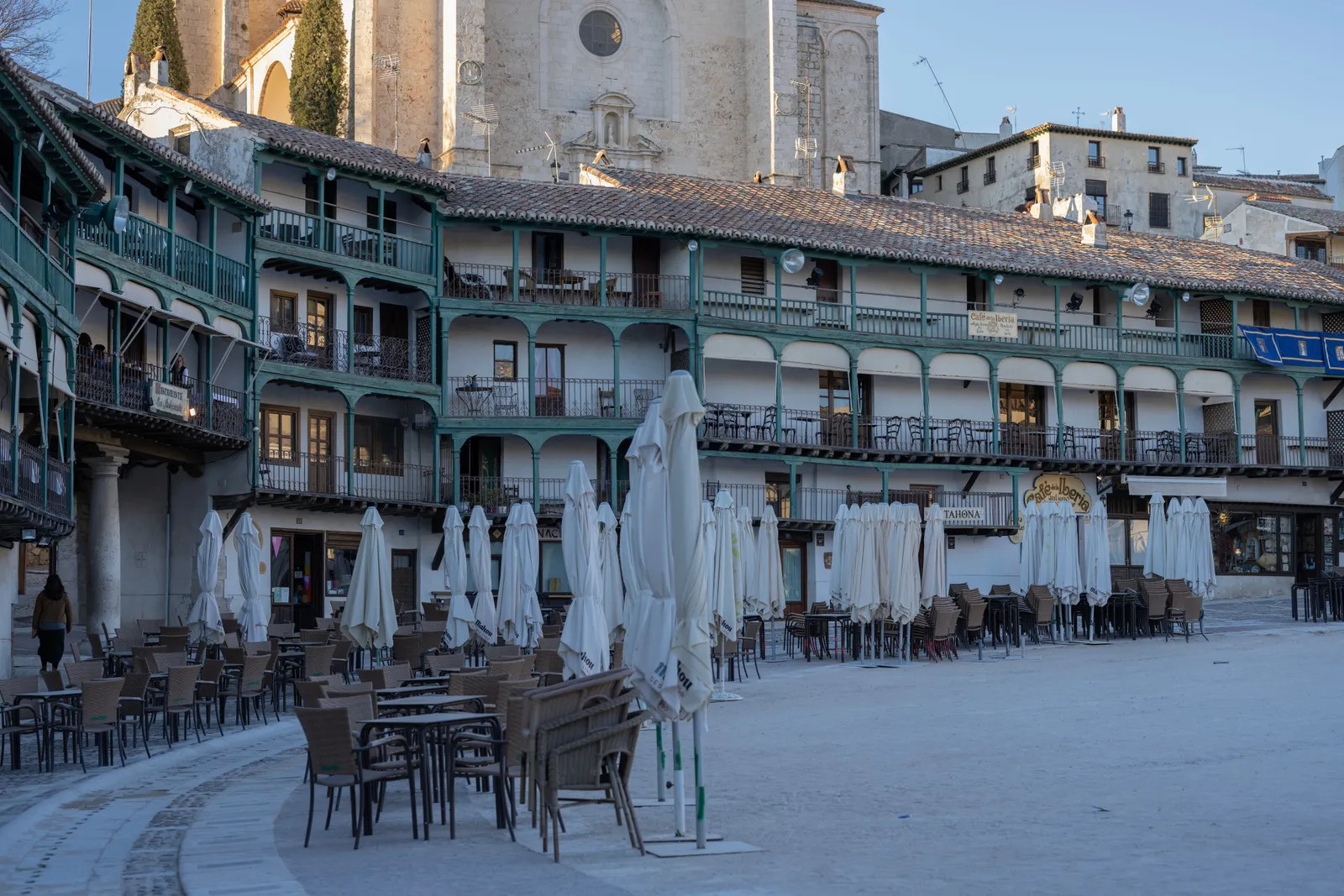
A circular arcaded square that turns into a bullring, a walk to a hilltop castle ruin, anís and honest lamb, and why the bus beats waiting for a train that does not exist.
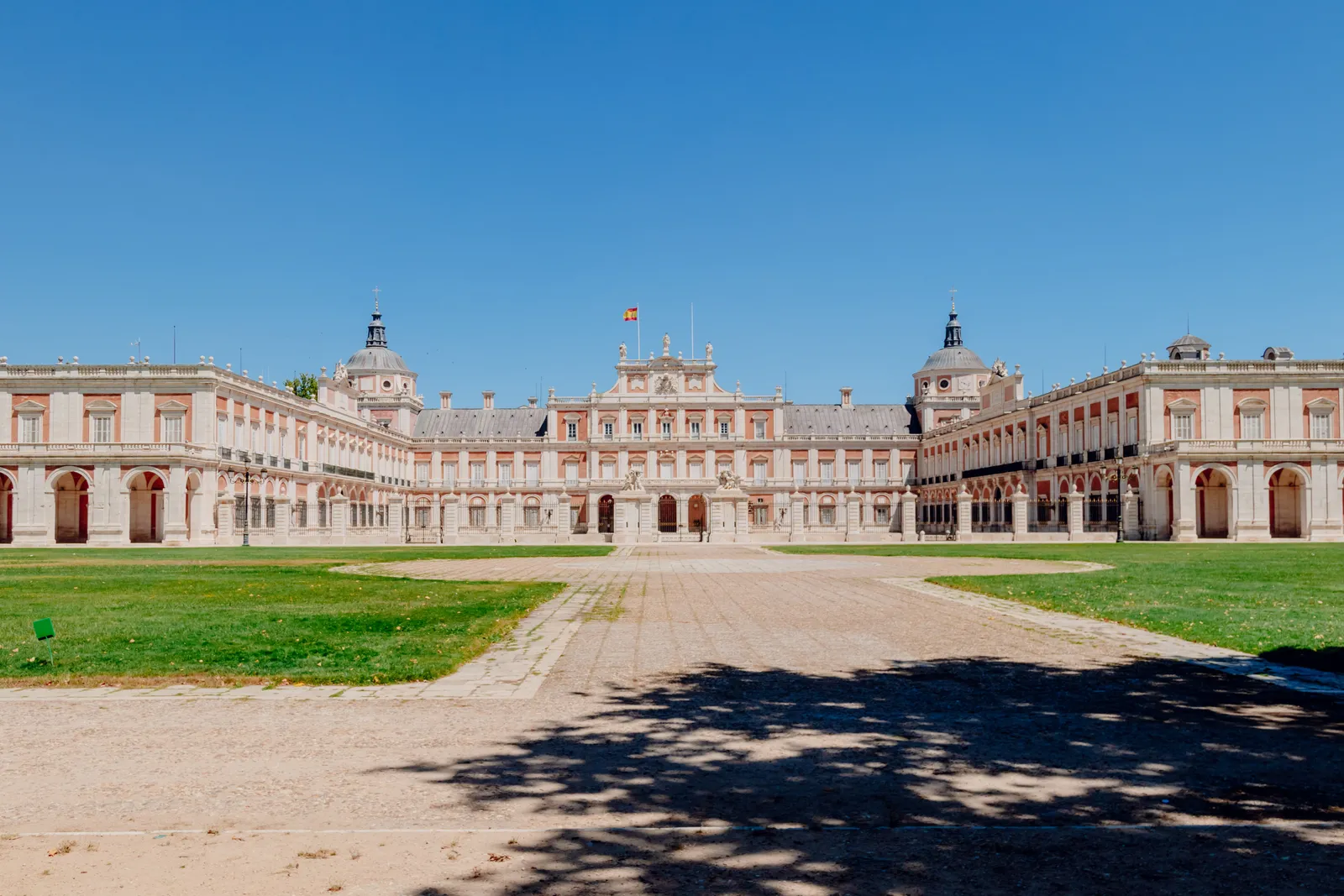
A short train ride south of Madrid to a UNESCO listed royal town: the porcelain rooms of the palace, the gardens along the Tagus, and the strawberries the town has been known for since the eighteenth century.
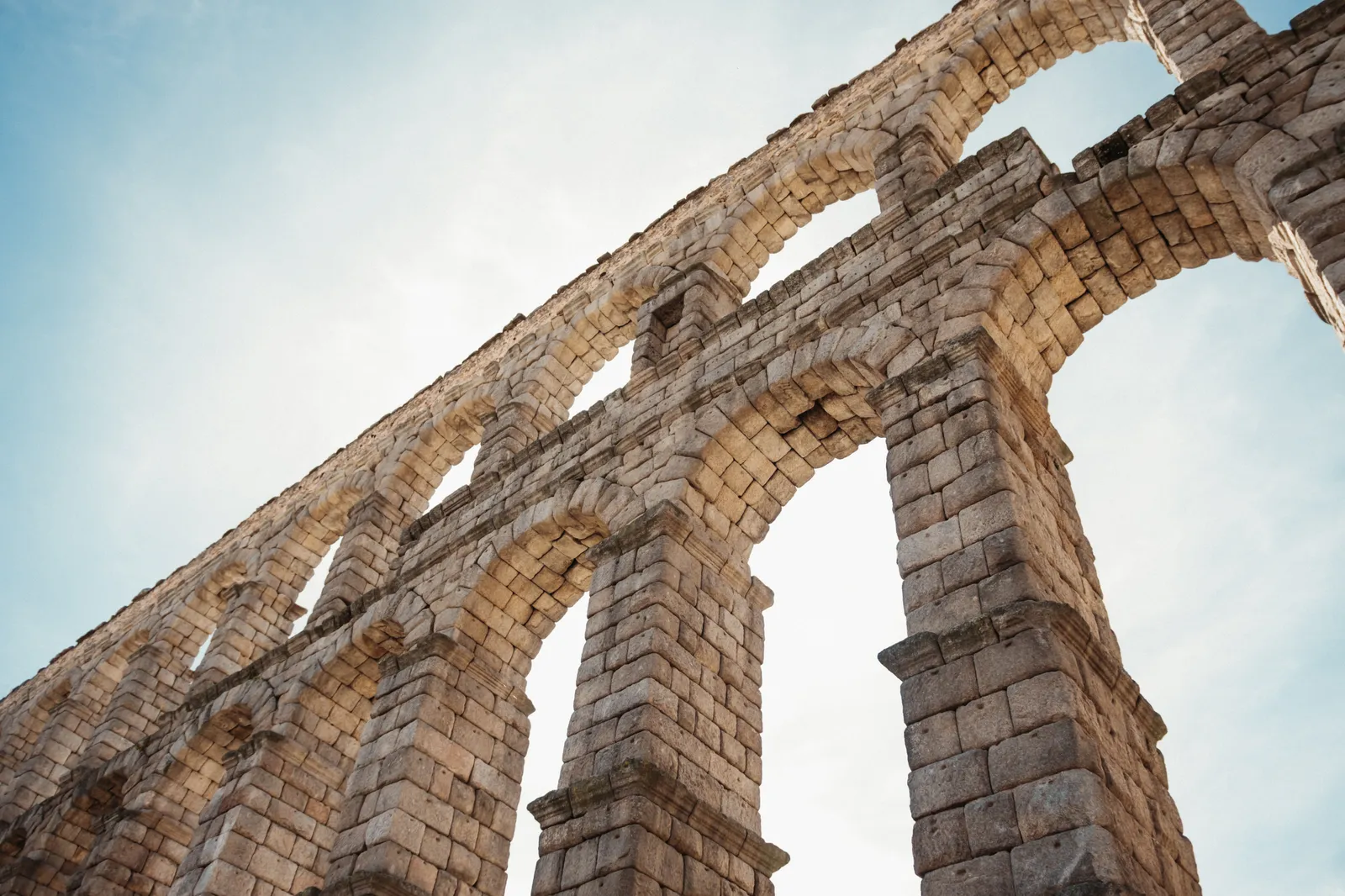
Half an hour by fast train: the Roman aqueduct in the middle of town, the Alcazar on its rock, the cathedral, the walk to the viewpoints, and the long lunch Segovia is known for.
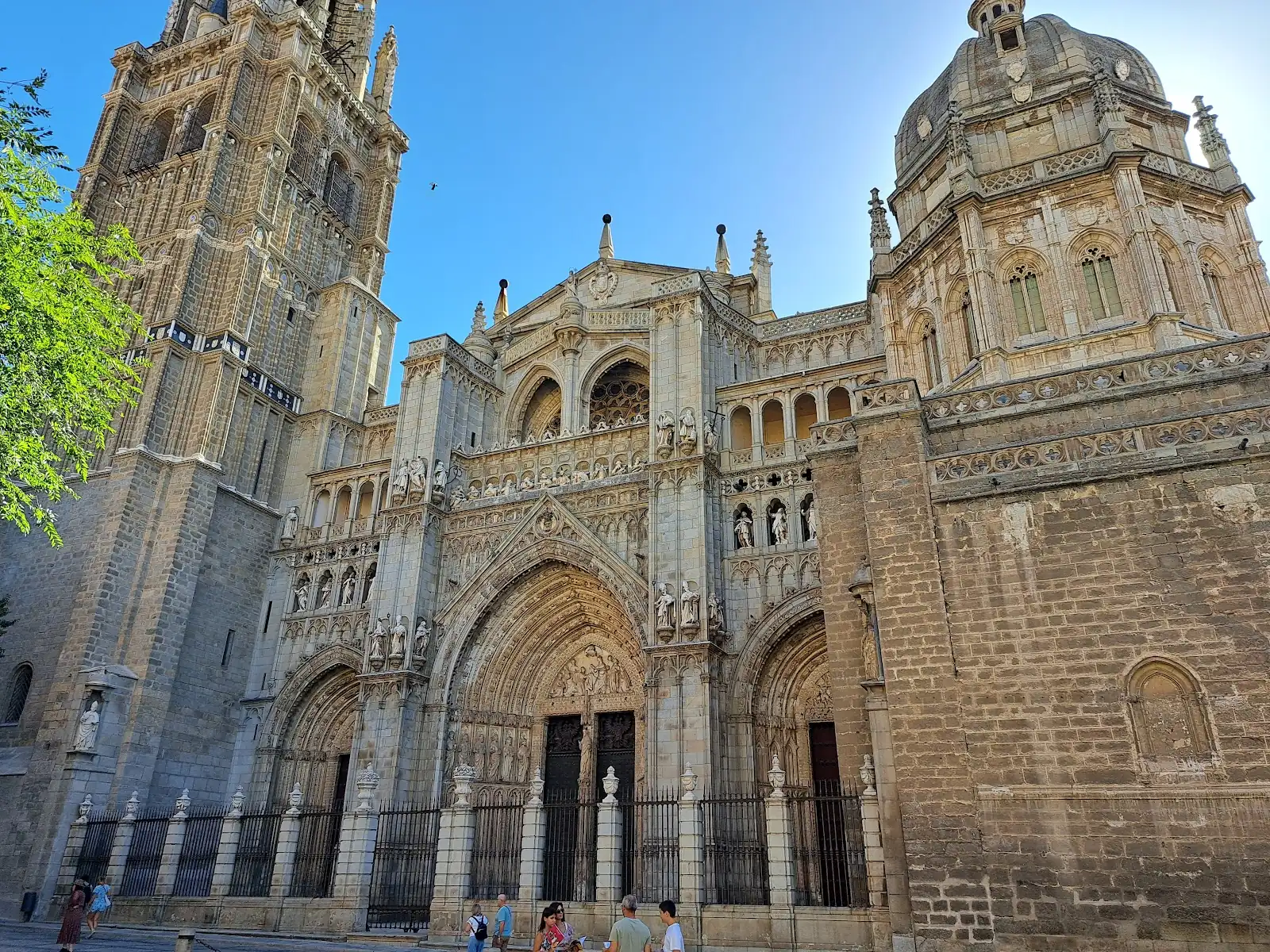
Toledo or Segovia for your day trip from Madrid? A honest, first-hand comparison of trains, hills, summer heat, food and what to see in each city.
The best day trips from Madrid by train or car: Toledo, Segovia, El Escorial, Ávila and Aranjuez, with how long to spend, how to get there and what not to miss in each.
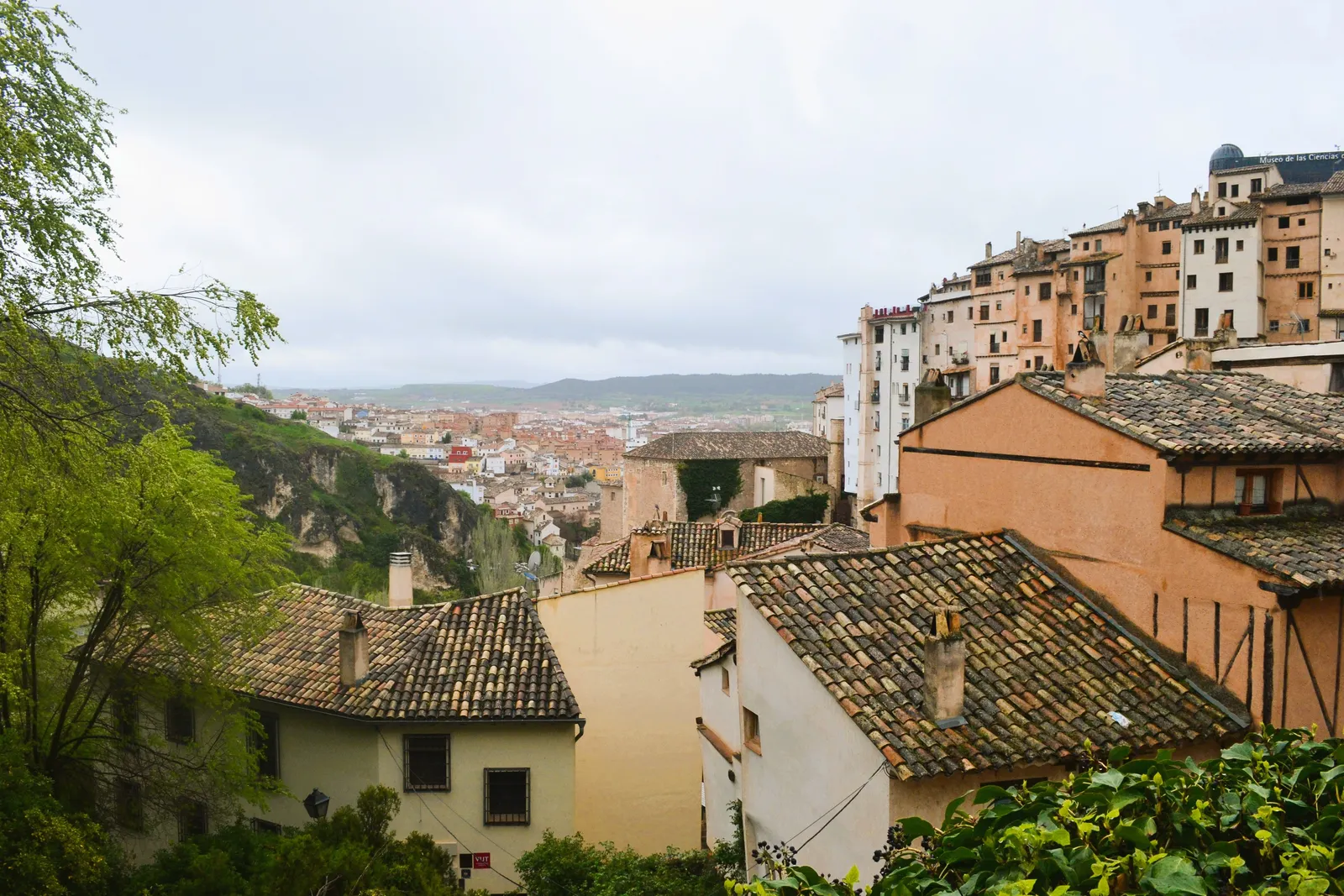
Under an hour from Madrid by high speed train there is a medieval town built along the top of a ridge between two gorges, with houses hanging off the edge.
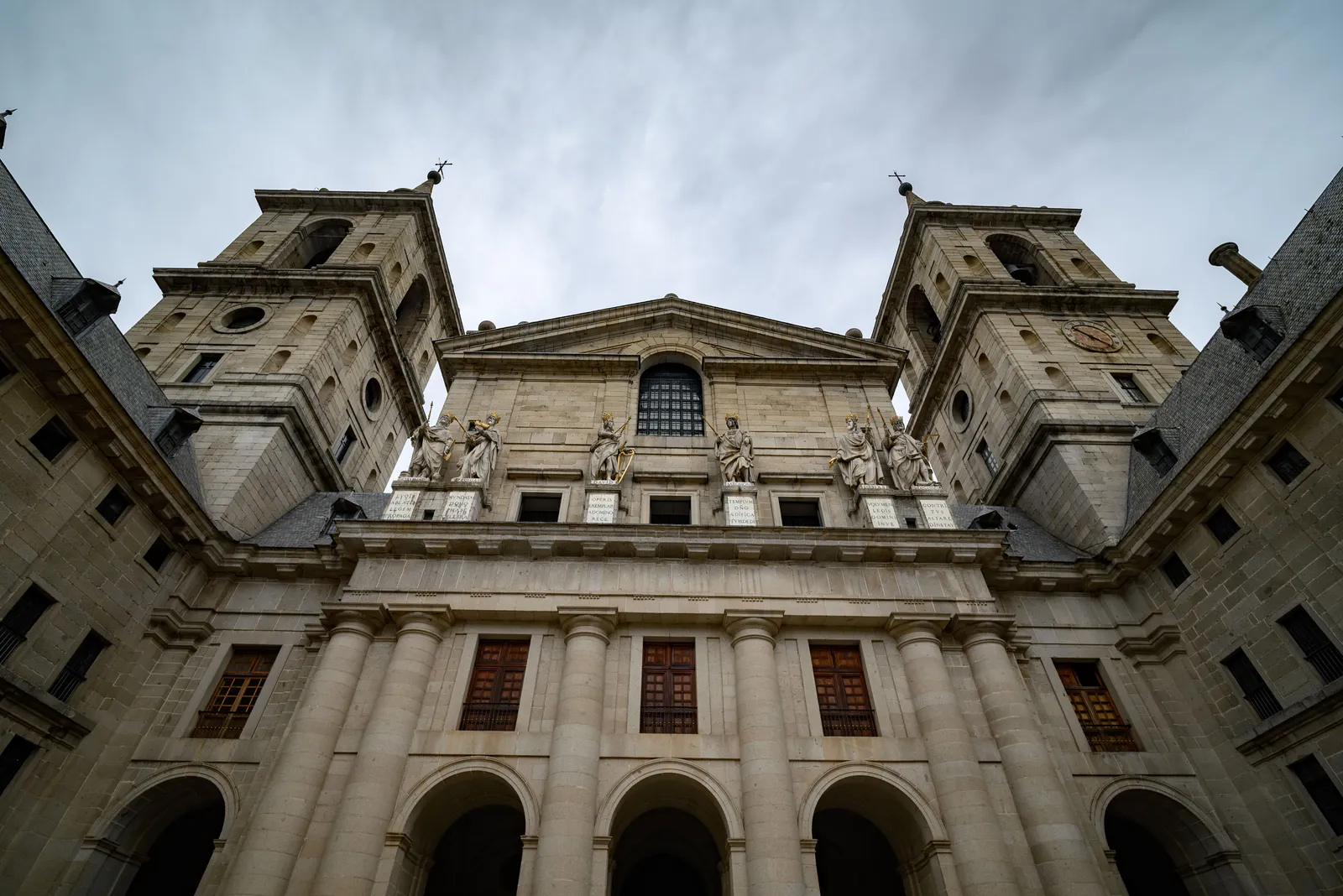
An hour from Madrid, a grey granite complex the size of a small town, built by a king who wanted a monastery, a library, a mausoleum and a palace in one building.
A short train ride south of Madrid to a UNESCO listed royal town: the porcelain rooms of the palace, the gardens along the Tagus, and the strawberries the town has been known for since the eighteenth century.
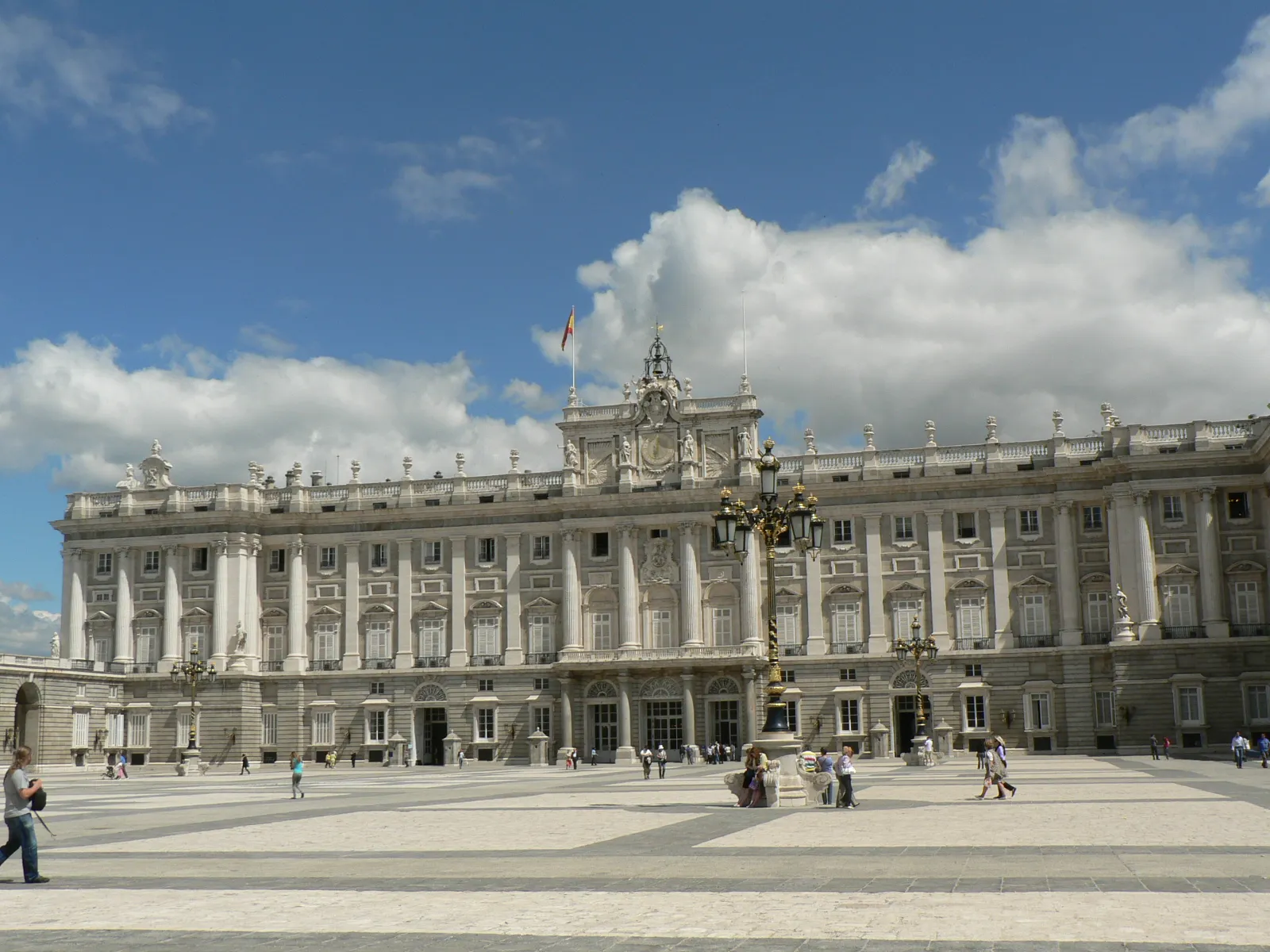
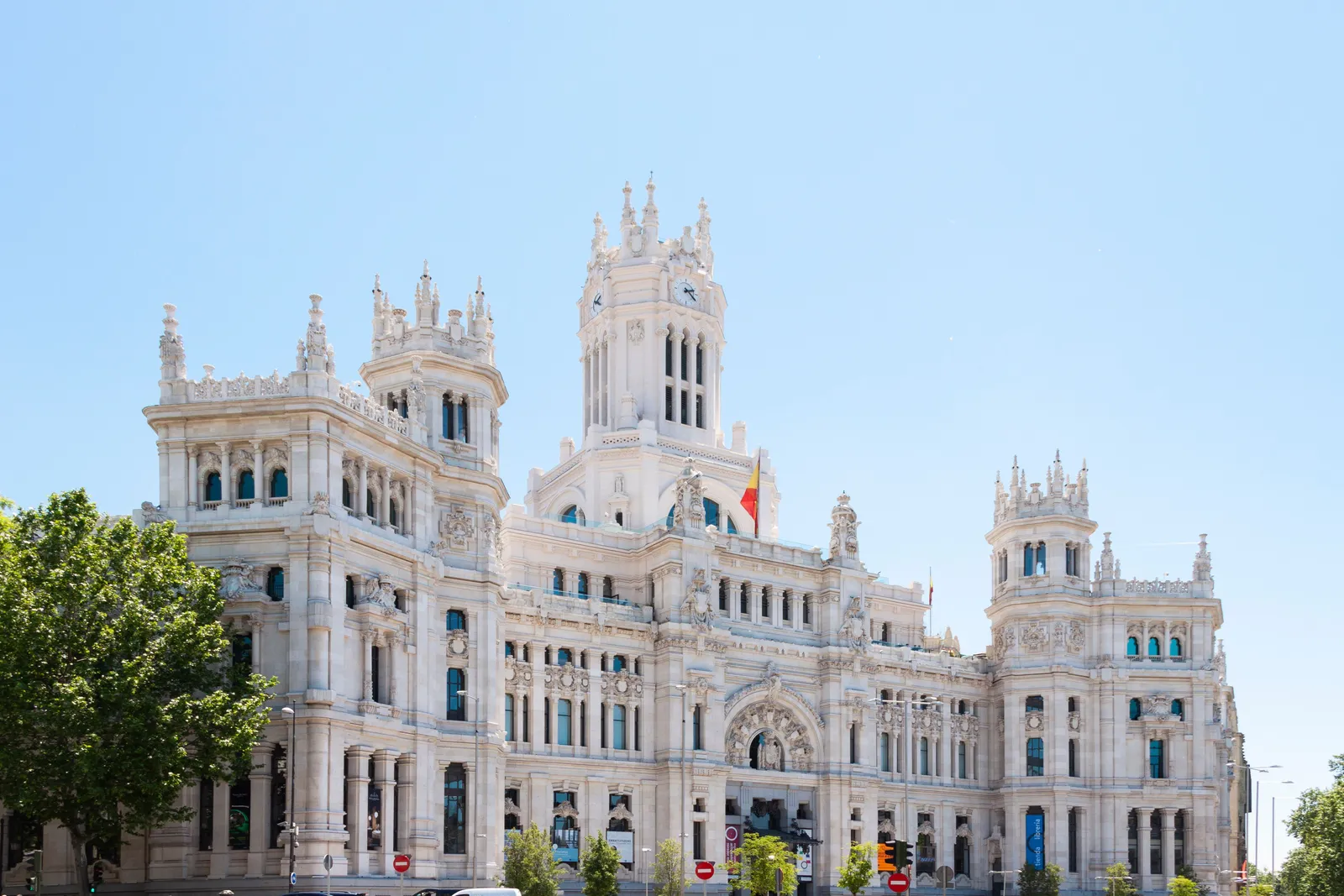
How to visit the Royal Palace of Madrid: the state rooms worth slowing down for, the armoury, the changing of the guard, whether to book ahead, and how it fits with the cathedral next door.
A two hour walk from an avenue built in 1910 by demolishing fourteen streets, down into the tangle of alleys the demolition was meant to replace.
An hour from Madrid, a grey granite complex the size of a small town, built by a king who wanted a monastery, a library, a mausoleum and a palace in one building.
Hollywood Boulevard, DC Super Heroes World and a Looney Tunes village of roller coasters south of Madrid, plus how to get there and when the queues are shortest.
A capital where nobody minds children in a restaurant at ten at night, with a cable car, two big parks, boats to row and a theme park on the western edge.
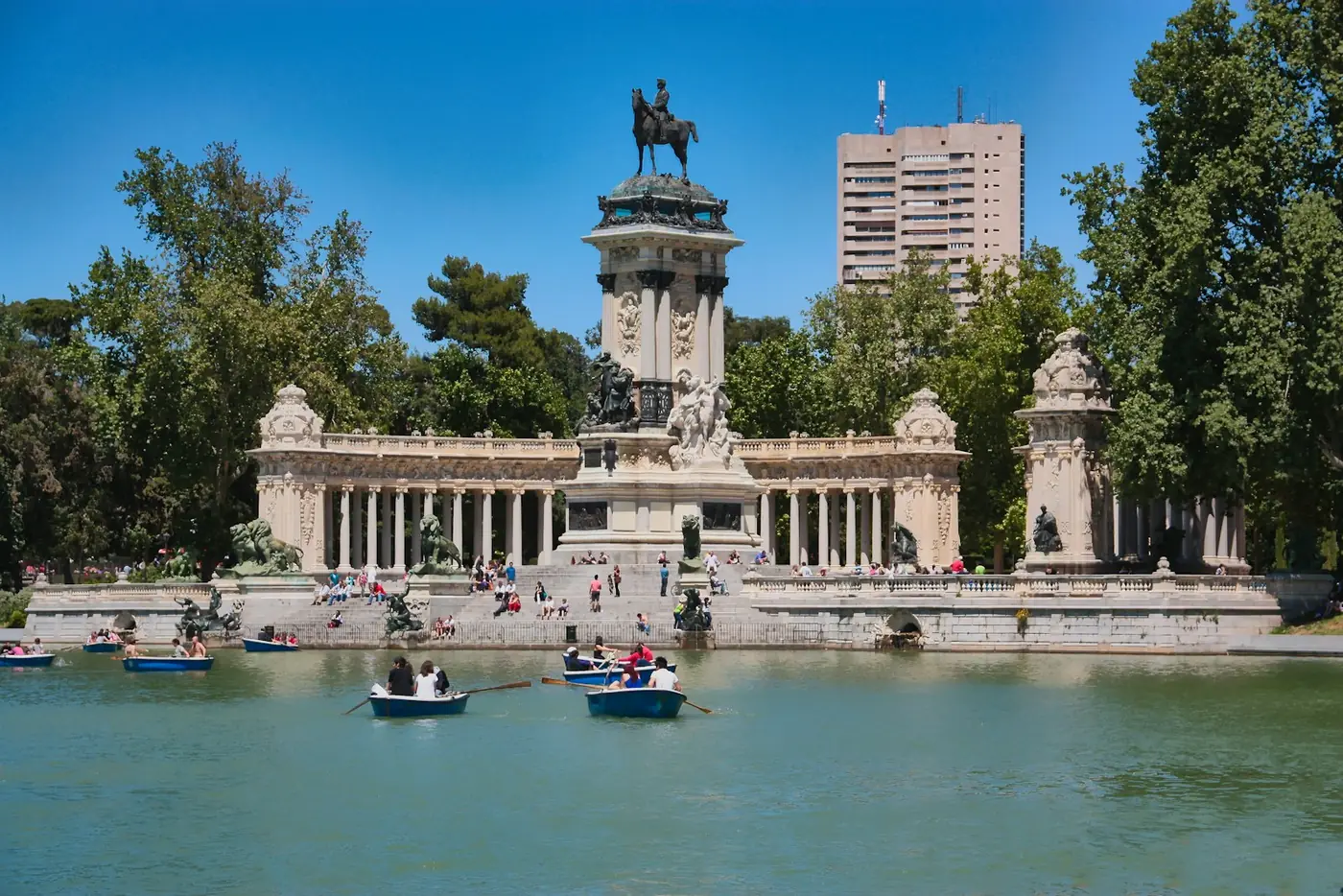
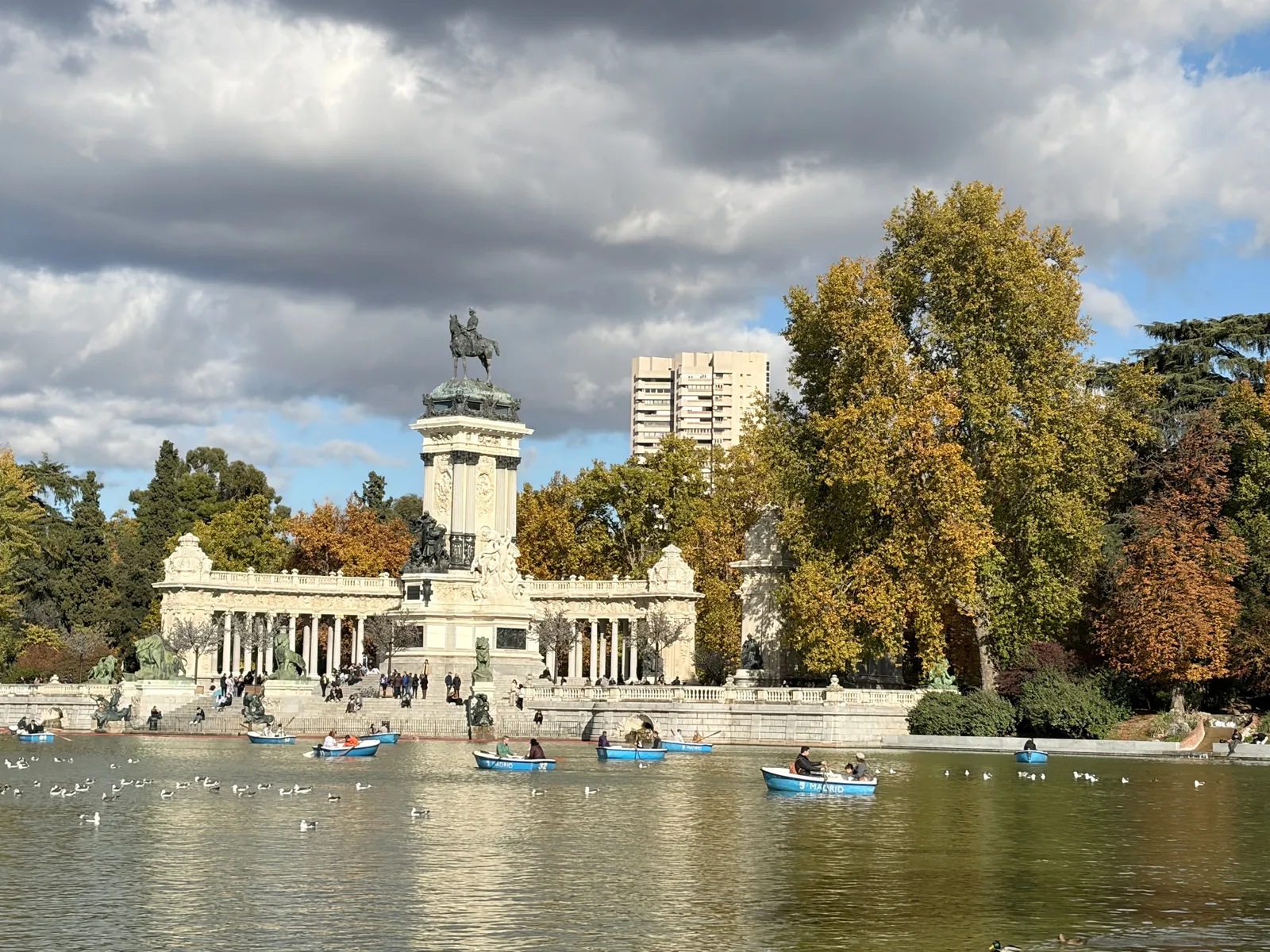
A royal garden that became the city's living room: the boating lake, the glass palace, the free concerts and the hours when Madrid actually uses it.
Two shopping cities in one: chains on the pedestrian axes, and behind them a hundred year old glove maker, a guitar workshop and a shop that sells only capes.
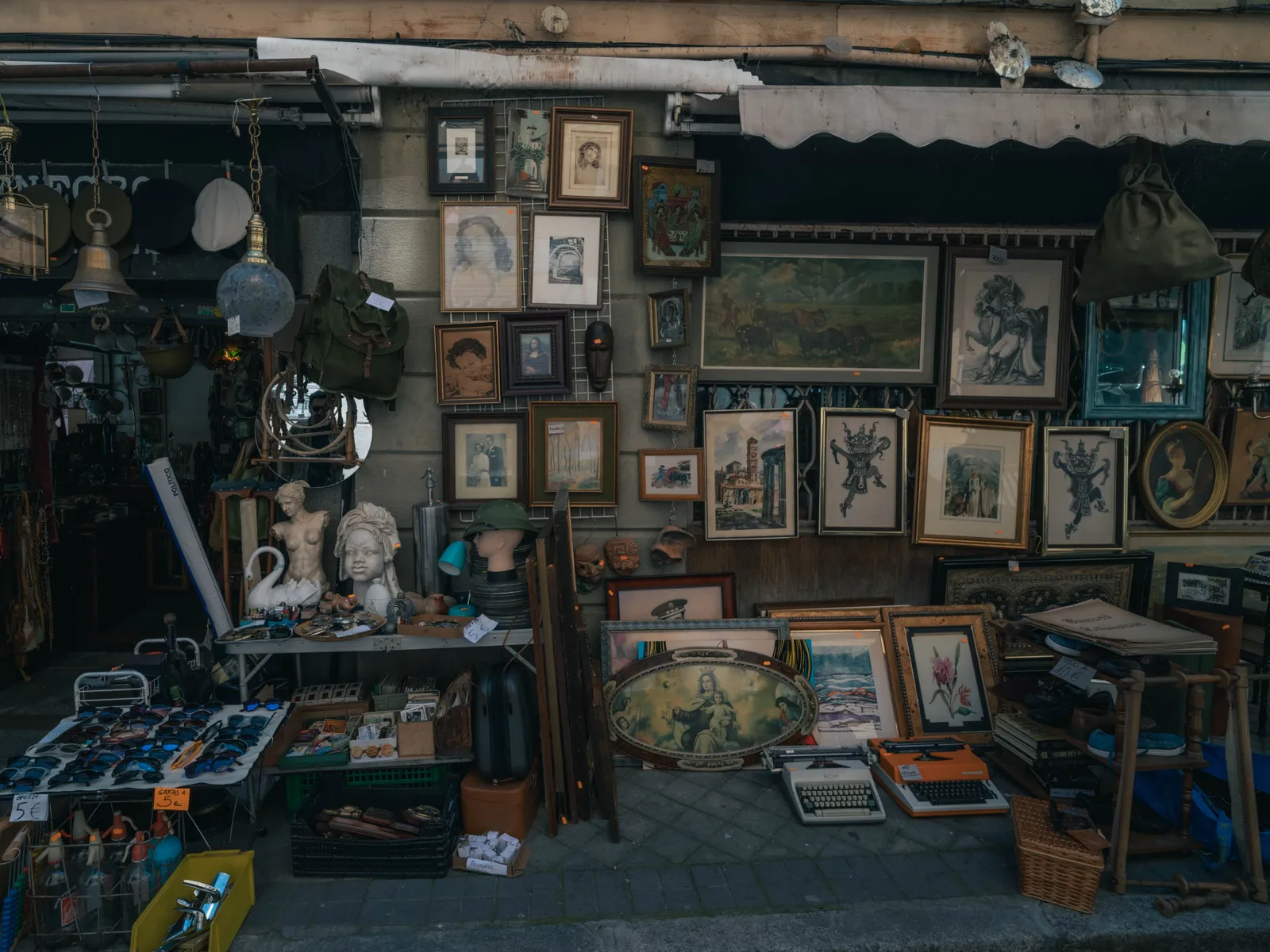
A flea market that has run on Sunday mornings for centuries, a covered arcade of antique dealers behind it, and the food halls that are the other half of the story.
Getting from Madrid Barajas into the centre: the metro and its airport supplement, the express bus that runs all night, the fixed-fare taxi, and which terminal changes the answer.
What to save before you travel: the single European emergency number, the local police lines, how Spanish pharmacies work, what the EHIC and GHIC actually cover, and what they do not.
How to move around Madrid: the rechargeable travel card, which pass is worth it, the zone boundary that catches people out, the Cercanias trains for day trips, taxis and when to just walk.
How entering Spain works for a Madrid trip: who travels visa free and for how long, how the rolling Schengen count works, the new biometric border, passport validity, and what to have ready at the airport.
Madrid's big museums open free for the last hours of the day. What that period is really like, which museums offer it, how early to arrive, and when paying is the better decision.
The city sits on a dry plateau and July afternoons are brutal. Locals do not fight it, they restructure the day around it, and the day they build is a good one.
Free museum hours, a legally protected set lunch, a flat walkable centre and public transport that costs almost nothing. Where the money actually goes here.
Madrid is a safe city with a specific and well organised theft problem, concentrated in about six places. Knowing which six solves most of it.
The site has 45 guides covering all of Madrid: the golden triangle of museums, the Royal Palace, neighborhoods, food and tapas, football, day trips and practical info. They are updated regularly.
Start with the general planning guide and the golden triangle of museums, then move on to the neighborhoods guide, the transport guide and the ready-made itinerary that matches the number of days you have.
Highly recommended. The Prado, the Royal Palace and the Bernabéu sell timed tickets that can sell out for hours at a stretch, especially in season. Booking ahead saves both a queue and money, and the guides explain exactly how.
World-class art museums, royal palaces, a superb food and tapas scene, top-level football and a lively European atmosphere that runs well past midnight. That mix suits couples, families and groups of friends alike.