There is a particular Madrid institution that confuses visitors: a cup of chocolate so thick that a spoon stands up in it, served with fried dough, at hours that make no sense to anyone from elsewhere. People eat it before work. People eat it at half past five in the afternoon. And people eat it at six in the morning on the way home, which is why the most famous chocolate house in the city keeps hours that no breakfast place needs to.
What to order
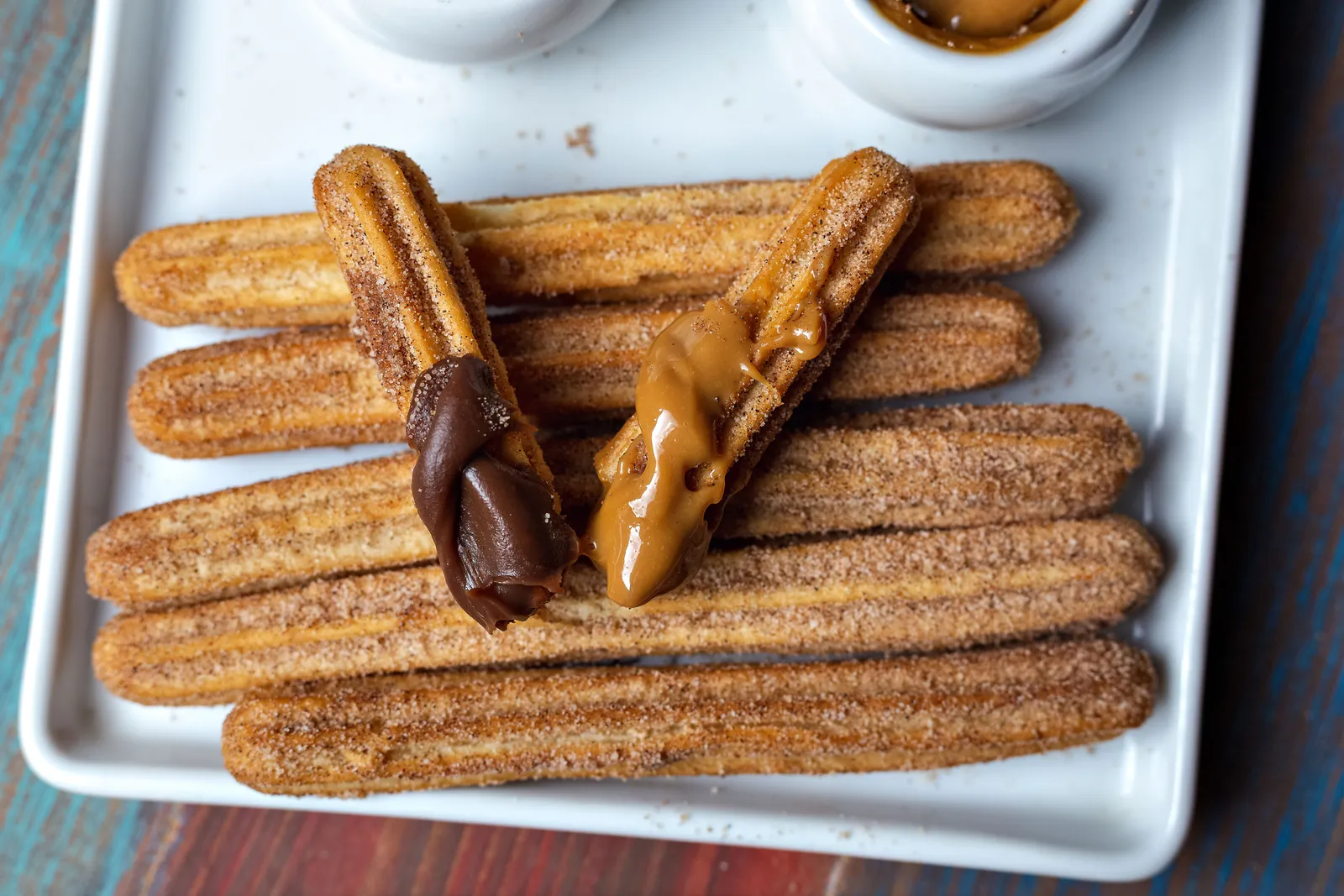
Churros, thin, ridged, crisp, served in a plate of five or six.
Porras, thicker and softer, made with a slightly different batter, which is the other half of the argument.
Chocolate a la taza, thick drinking chocolate for dipping rather than drinking.
Cafe con leche, the default coffee, which in Madrid means a strong shot with hot milk.
Tostada con tomate, toasted bread rubbed with tomato and oil, which is the real Madrid breakfast.
Nothing else, because a churreria does one thing.
The historic cafes
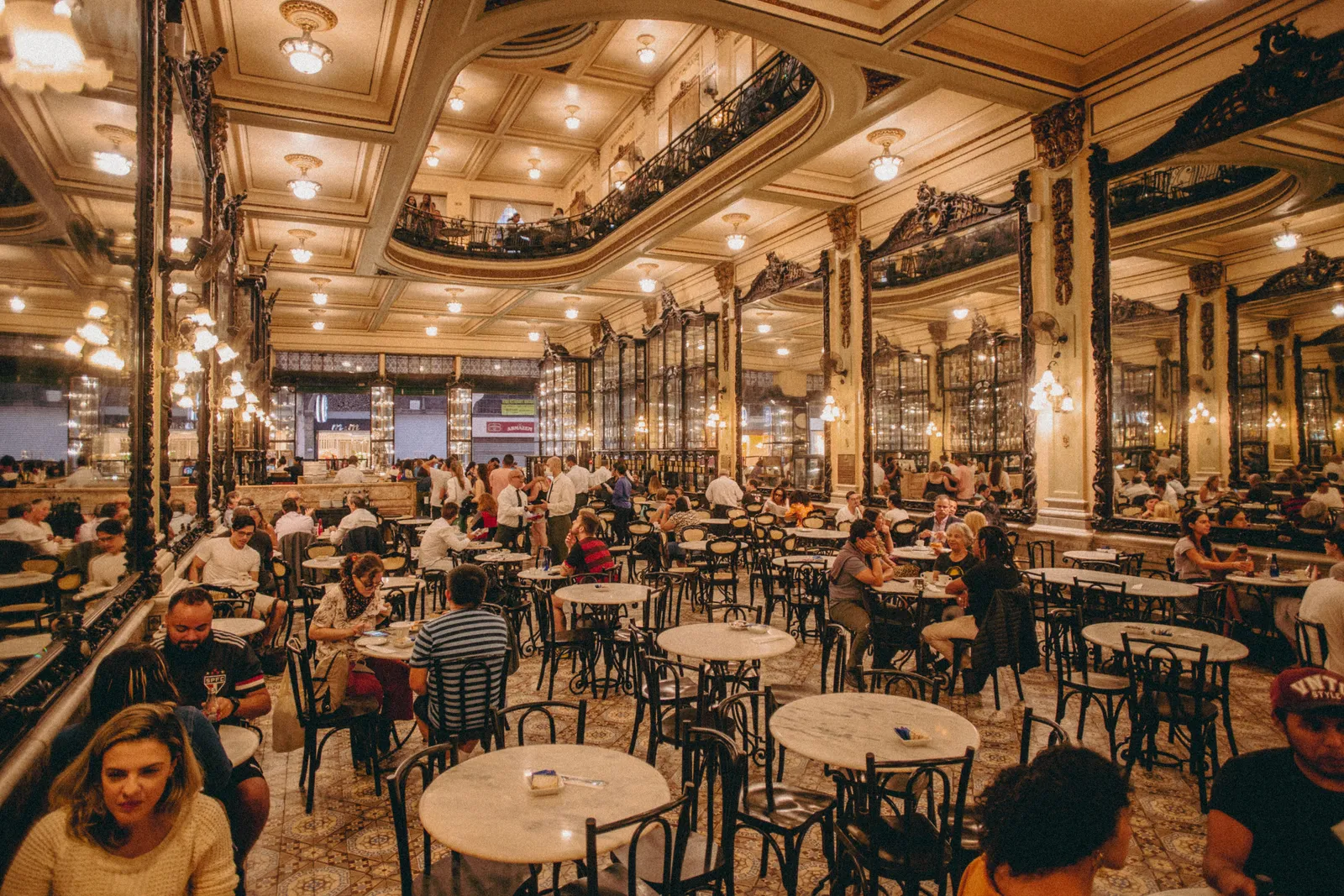
Marble tables, brass rails, mirrors and white jacketed waiters, in rooms that have not been redesigned in a hundred years.
Cafe Gijon, the literary one, on the Paseo de Recoletos, with a terrace under the trees.
Chocolaterias in the old centre that have been frying since the early twentieth century.
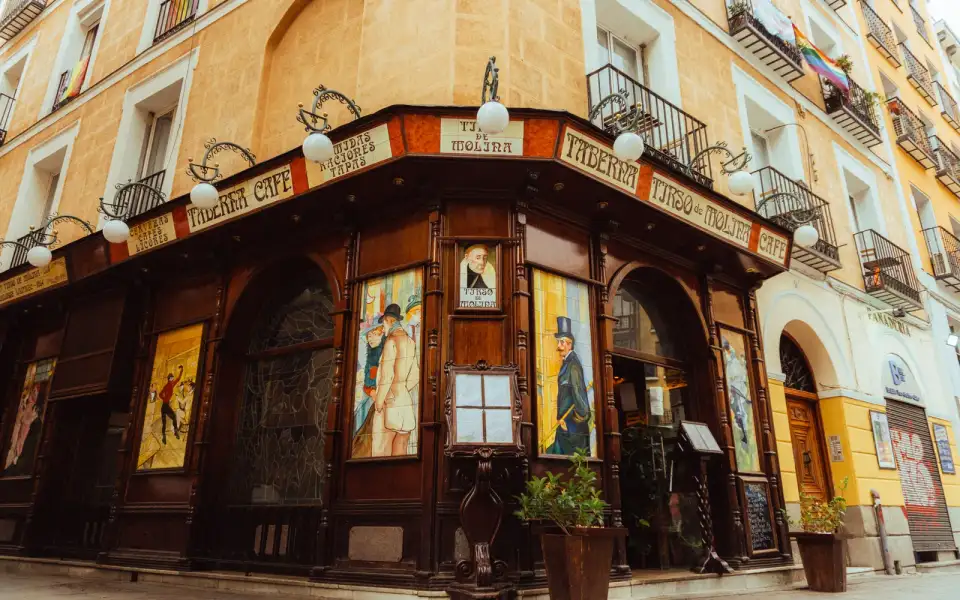
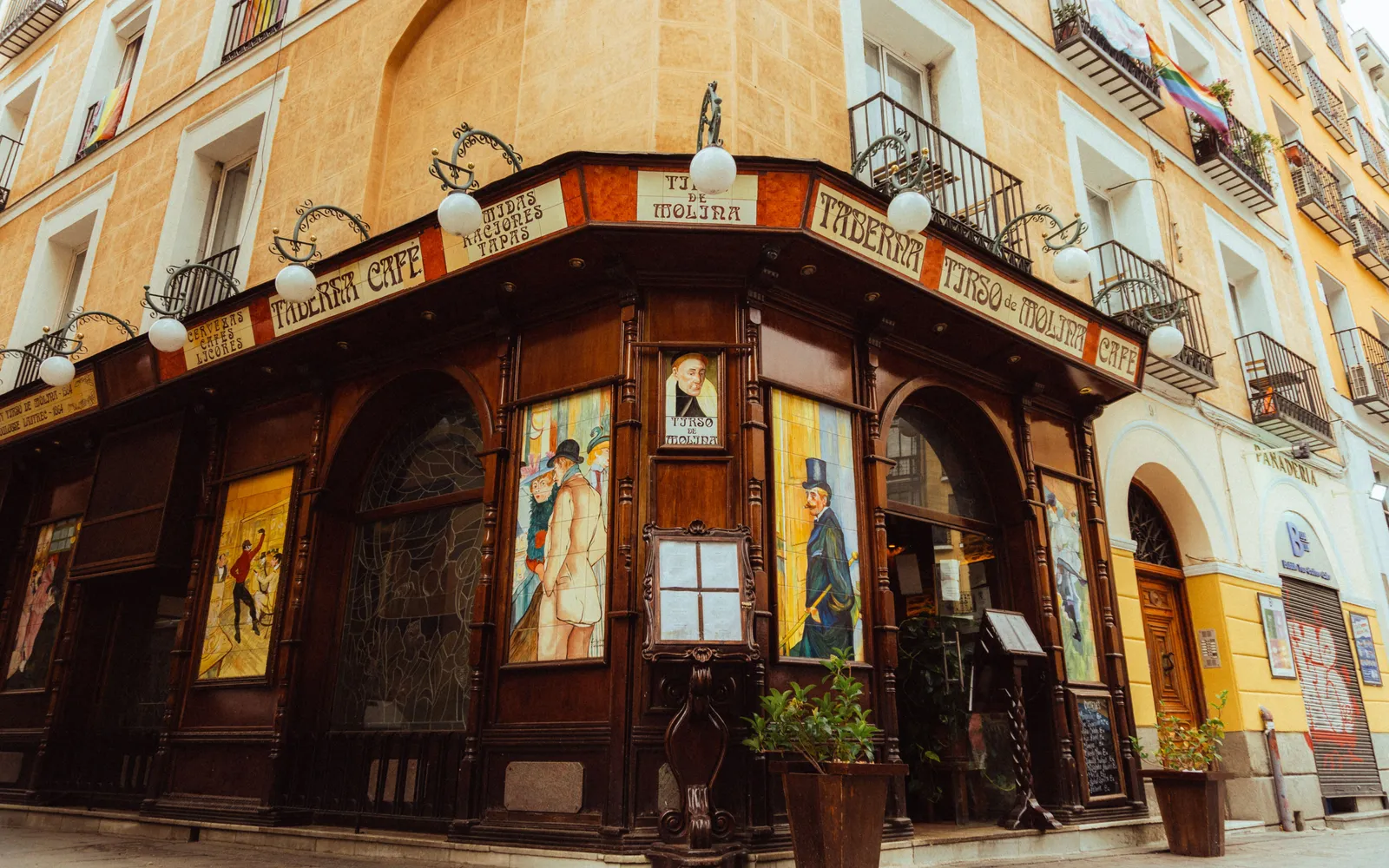
Old tiled taverns in La Latina and Huertas, several with their original ceramic fronts intact.
A coffee buys you the table, for as long as you want it, which is the point of these places.
Where to go
The famous chocolate house near Sol, open extremely long hours, genuinely good, and usually queued.
Neighbourhood churrerias in Chamberi, Lavapies and the outer districts, identical in quality and empty.
San Gines and the old centre, for the classic version with the tiled counter.
The literary cafes on Recoletos and around Huertas, for coffee rather than churros.
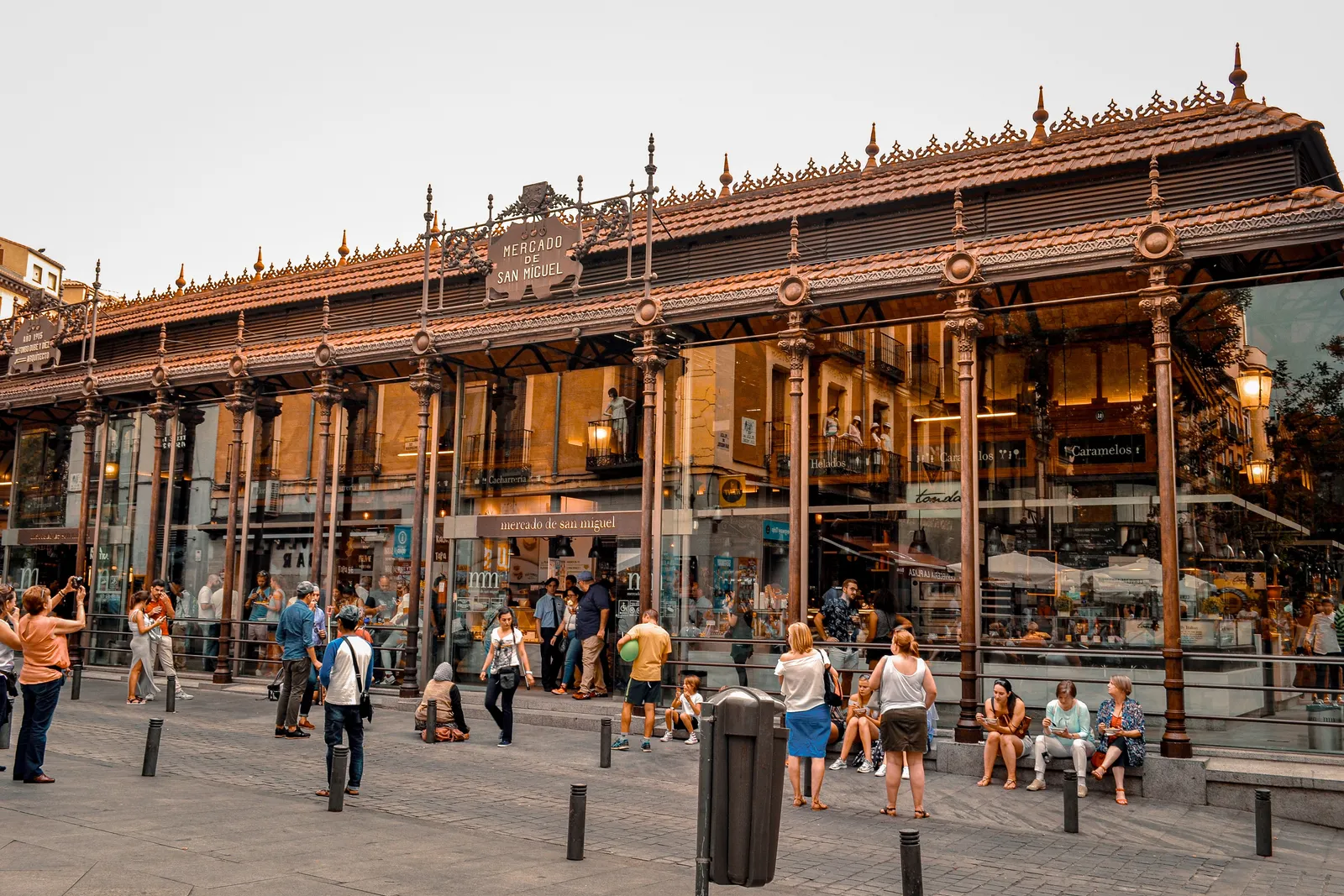
A market stall, in several of the covered markets, which fries to order in the morning.
Any place with a queue of local people at six in the evening, which is the only recommendation that never fails.
Practical notes
Hours at the famous places run very late and very early; neighbourhood ones close in the afternoon.
Cash is still faster at some counters.
Chocolate is thick and is not a hot chocolate in the northern European sense.
Sundays are the busiest morning of the week at the chocolate houses.
Table service costs more than the counter at some cafes, and it is posted.
Nobody eats churros with a knife and fork, and there is no shame in the dipping.
Where this fits in a Madrid trip
This is a half hour, twice, and it is the cheapest good thing in the city.
For the wider food picture and how a Madrid menu is structured, our guide to Madrid food and tapas covers the ground.
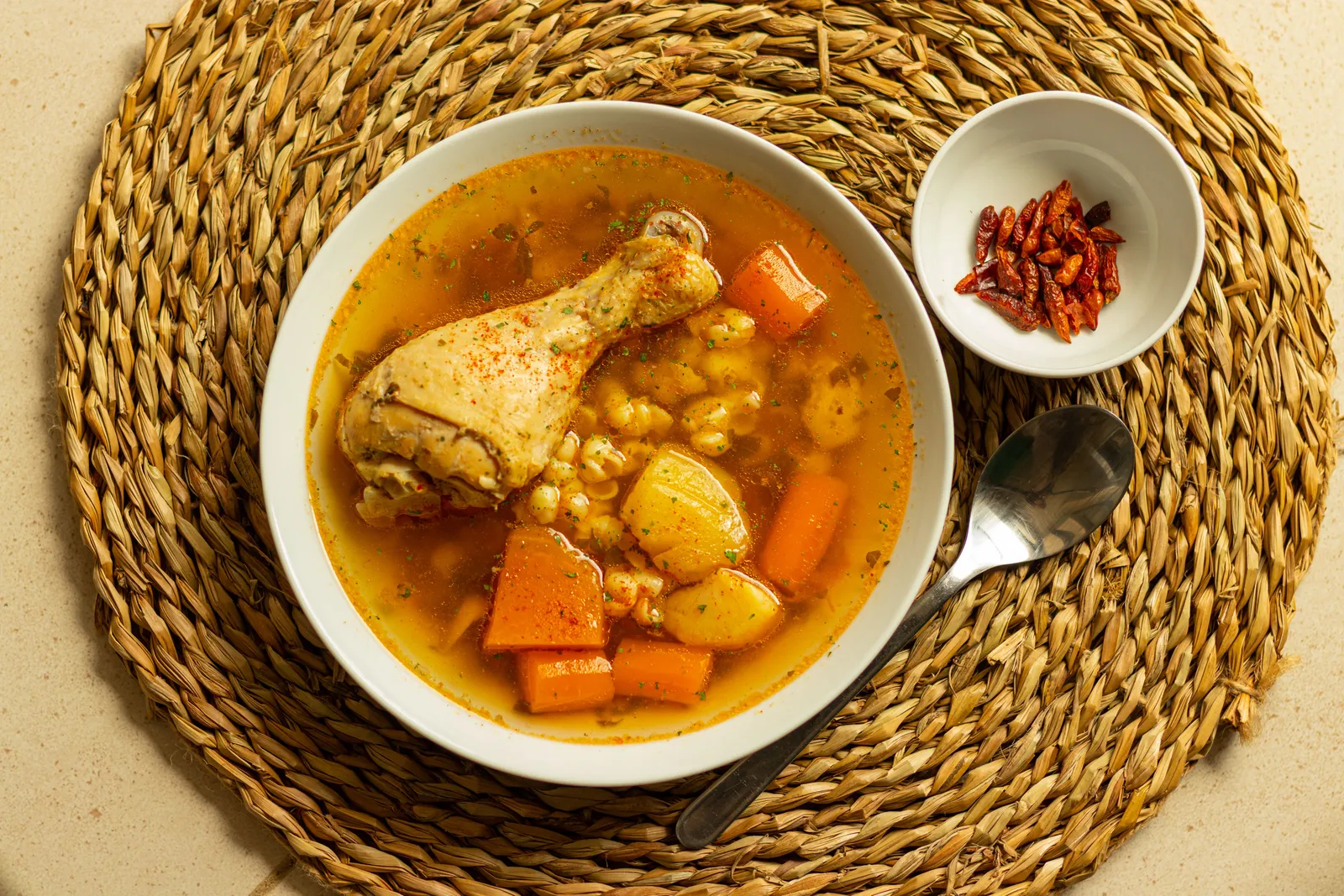
For the city’s own long lunch, which is a different institution entirely, our guide to cocido madrileno covers where to find it.
And for the evening version of counter eating, our La Latina tapas crawl covers how the crawl works.
The short version
Have churros at half past five in the afternoon rather than at breakfast, because that is when Madrid has them and it solves the gap before a ten o’clock dinner. Order chocolate a la taza and dip rather than drink. Try porras once to see which side of the argument you are on. Go to a neighbourhood churreria if the famous one has a queue, because the difference is the queue. And spend one slow hour in a historic cafe with a coffee and no plan, which is what those rooms are for.