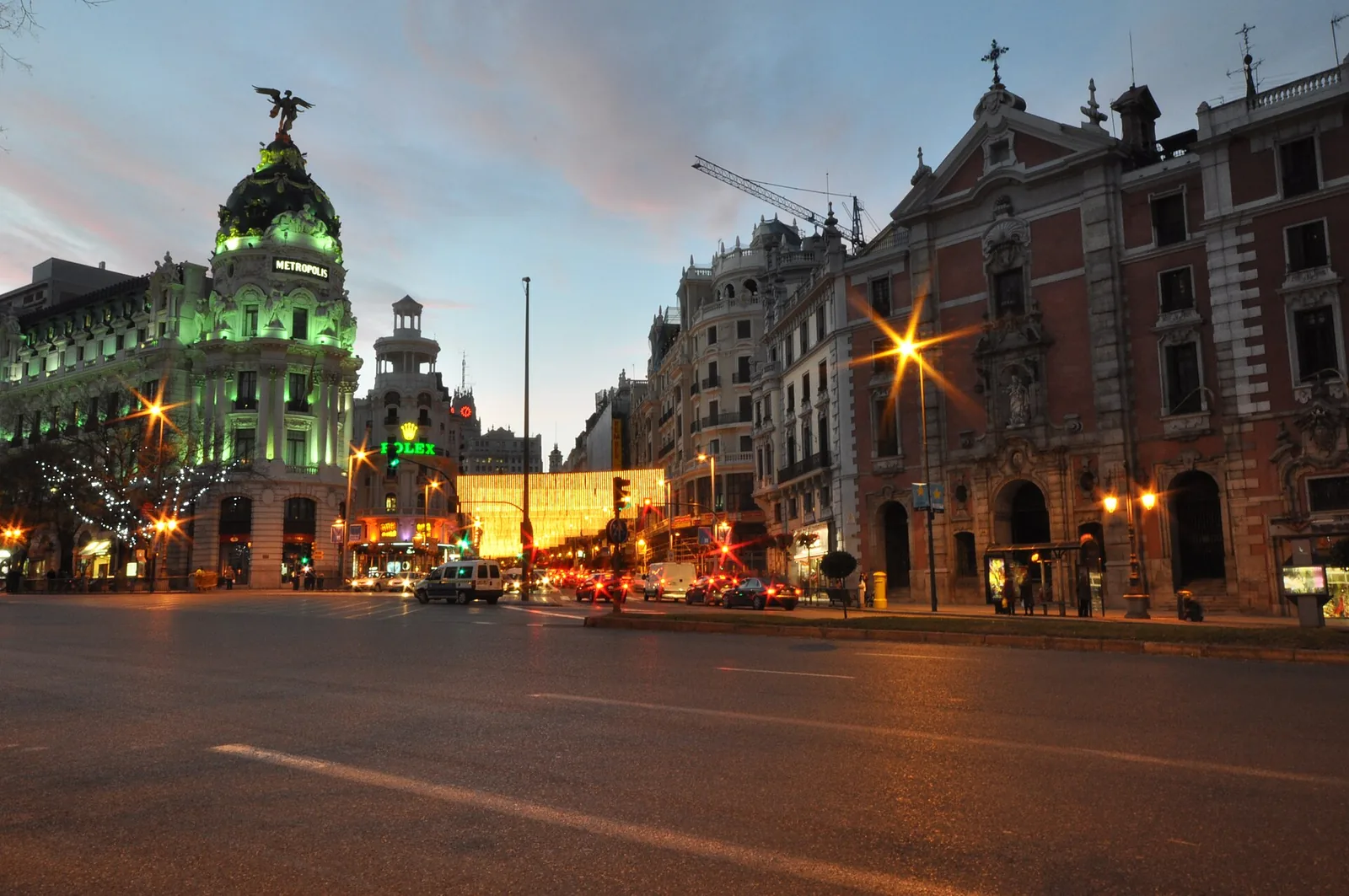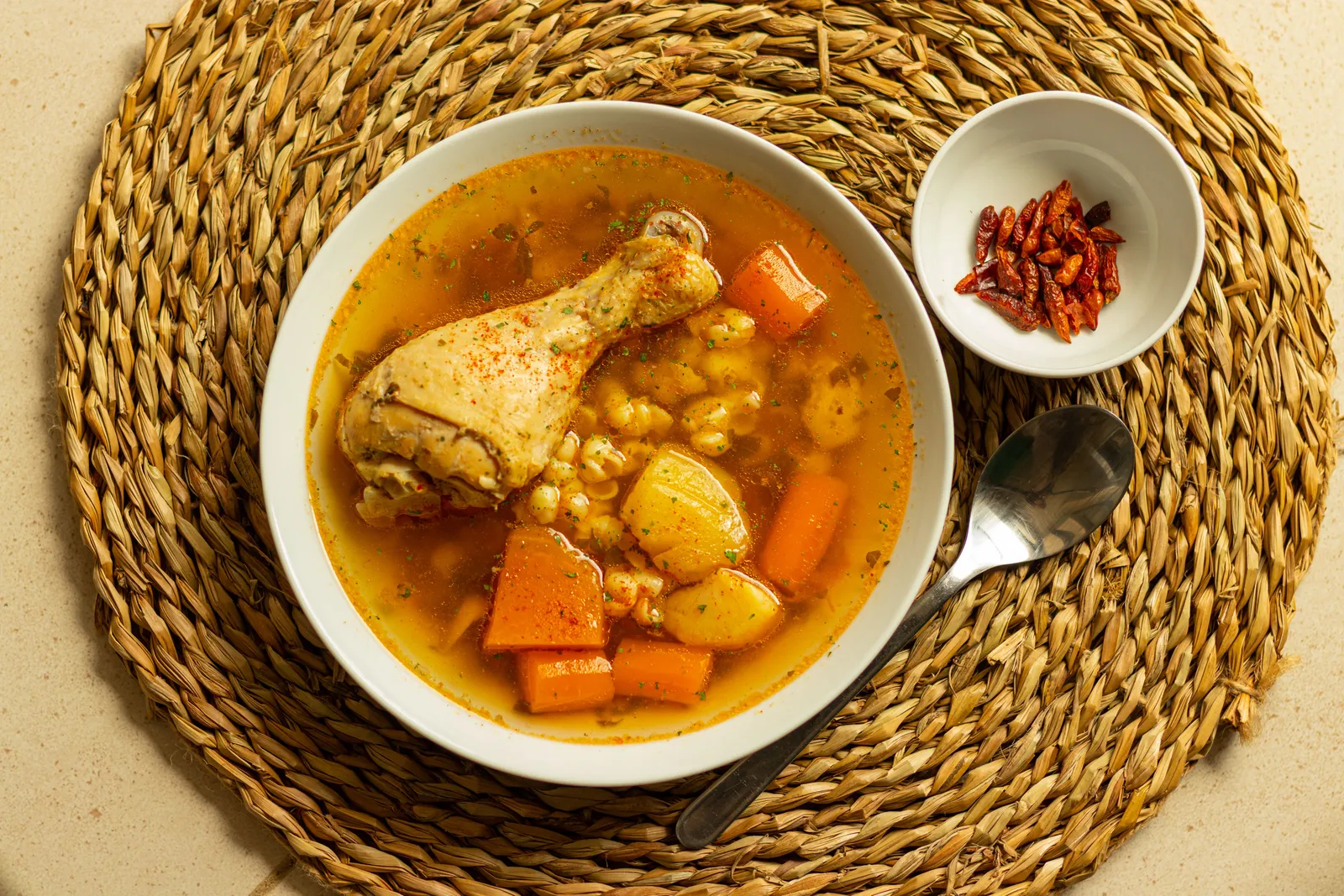
Every visitor to Madrid eats tapas, and tapas is not what Madrid is actually known for at home. The city’s own dish is cocido: a pot of chickpeas, vegetables and an ambitious quantity of meat, simmered for hours and then served in three consecutive courses drawn from the same pot. It is eaten at lunch, mostly in the colder half of the year, and it consumes the afternoon. It is also one of the great regional dishes of Europe and almost no tourist tries it.
What arrives, in order
The broth, first, poured over fine noodles and served as a clear soup. It tastes of everything that follows.
The chickpeas and vegetables, second, with cabbage, potato, carrot and often a dumpling of bread and egg.
The meats, third, on a platter: beef, pork, chicken, bacon, chorizo, morcilla and a marrow bone.
Bread and wine throughout, and no starter, because this is the whole meal.
Something small afterwards, which almost nobody manages.
Where to eat it
The specialist cocido houses, a handful of restaurants in the centre that have served it for a century, which take bookings and serve it on set days.
Neighbourhood restaurants in winter, where it appears on the menu del dia at a fraction of the price and is frequently just as good.
Chamberi, Lavapies and the outer districts, where those restaurants are.
Book ahead for the famous ones, particularly on their traditional cocido days.
Ask whether one portion between two is possible, which many places allow and which is a sensible request.
The rest of Madrid’s own food
Callos a la madrileña, tripe in a paprika and chorizo sauce, which divides people absolutely.
Bocadillo de calamares, a bread roll filled with fried squid rings, eaten around Plaza Mayor and nowhere else in Spain.
Huevos rotos, fried eggs broken over potatoes and ham.
Gallinejas and entresijos, fried lamb offal, which is a genuine local street food and is not for everyone.
Sopa de ajo, garlic soup with bread and a poached egg, a winter dish of exactly this kind.
Roast lamb and suckling pig, from the towns around Madrid, which is why Segovia is a food day trip.
Practical notes
Lunch is at two, not at one, and restaurants fill from half past two.
Set lunch menus run on weekdays and are the best value in Spain.
Winter is cocido season, and it largely disappears in high summer.
Booking is genuinely needed at the specialist restaurants on their cocido days.
Portions are large in a way that visitors consistently underestimate.
Dinner afterwards is not going to happen, and nobody expects it to.
Where this fits in a Madrid trip
This is one long lunch on one cold day, and it is the meal people remember.
For the wider picture of eating here and how the day is structured, our guide to Madrid food and tapas covers the ground.
For the counter version, which is the opposite of this in every respect, our La Latina tapas crawl covers the evening.
And for the sweet institution that fills the gap between a lunch like this and a Spanish dinner, our guide to churros and the historic cafes covers the afternoon.
The short version
Eat cocido at lunch, in winter, and put nothing in the afternoon afterwards. Book one of the specialist restaurants on a cocido day, or find it on a neighbourhood menu del dia for a fraction of the price. Take the three courses in order, drink the broth first, and ask whether one portion can be shared. It is the dish Madrid is actually known for at home, and almost no visitor tries it.