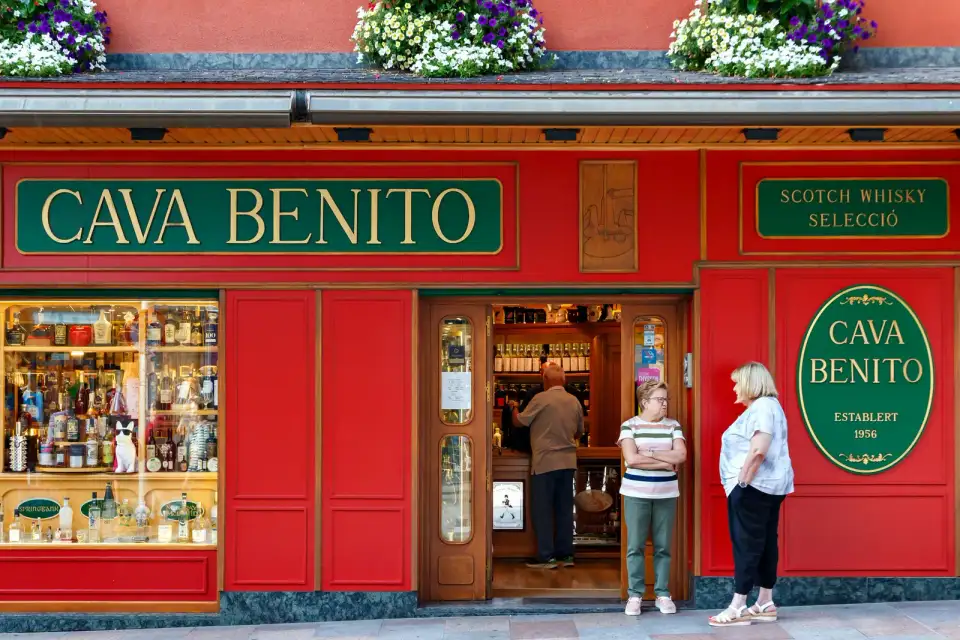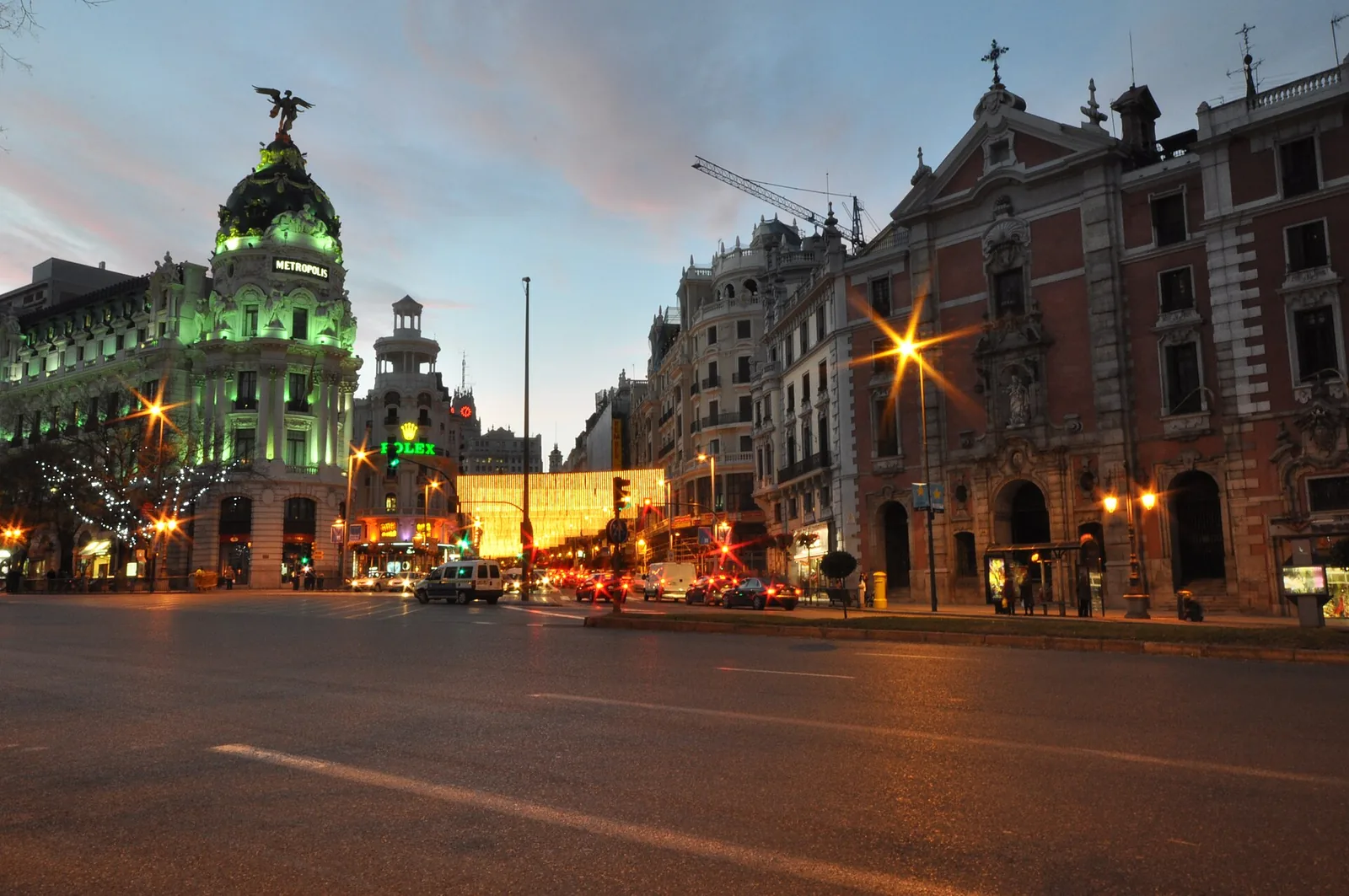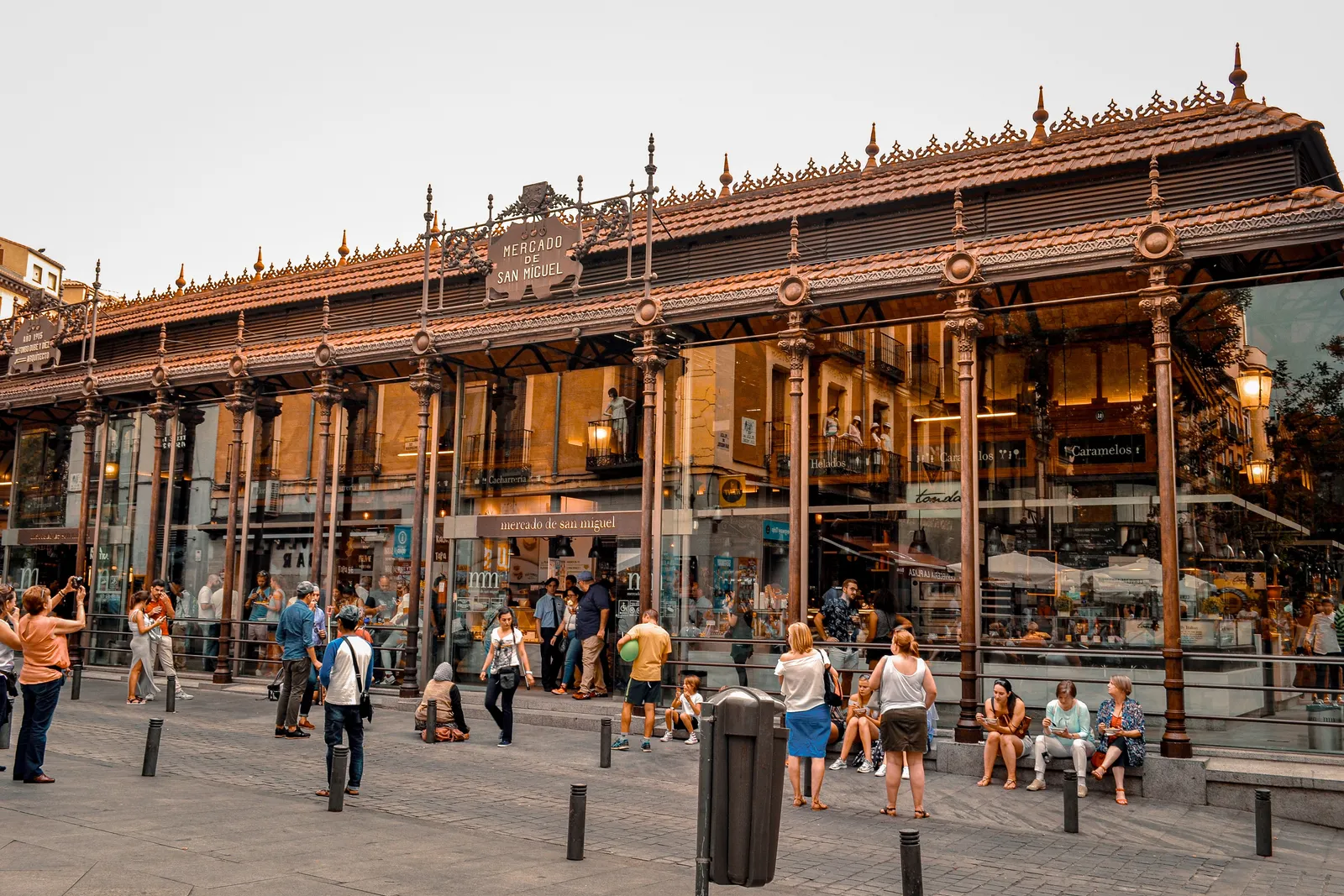
La Latina is what people mean when they say Madrid has the best tapas in Spain. It is a small district on the medieval street plan below the palace, and its main street, Cava Baja, holds more bars per hundred metres than anywhere else in the city. Nobody eats a meal here. They have one drink and one plate, standing up, and then they walk twenty metres and do it again, and the evening builds from there.
How it works
One drink, one plate, then move. This is the whole method and it is not a suggestion.
Stand at the counter, which is cheaper than a table in some bars and always faster.
Order what the bar is known for, usually chalked up and often a single dish.
Three to six bars across an evening.
Start early, around eight, because the good counters fill and Madrid dinner runs late anyway.
Vermouth before lunch, wine and beer after, which is the local rhythm.
What to order
Croquetas, the test of any Madrid bar, usually ham or cod.
Tortilla, the potato omelette, argued about endlessly over whether it should be runny.
Gambas al ajillo, prawns in bubbling garlic oil with bread to finish it.
Huevos rotos, fried eggs broken over potatoes and often ham.
Patatas bravas, which are about the sauce and vary wildly.
Jamon iberico, sliced to order, which is worth paying more for.
Vermut de grifo, vermouth on tap, over ice with an olive.
The other tapas districts
Huertas and Barrio de las Letras, east of Sol, literary, busy and slightly more polished.
Lavapies, south, cheaper and far more multicultural, with excellent Indian and Senegalese food alongside the Spanish.
Malasana, north, younger, with more modern kitchens and cocktail bars.
Chamberi, further north, residential, expensive and where a lot of Madrid actually eats.
Cava Alta and the streets around San Andres, which are La Latina without the queue.
Practical notes
Standing costs less than a terrace table in some bars, and the difference is posted.
Cash is still handy at the smallest counters, though cards are near universal.
Dinner is late, and eight in the evening is early by Madrid standards.
Sunday afternoon is the peak and Monday is the quietest night.
Noise rules in the residential streets are enforced after midnight, and people do live above these bars.
Tipping is not expected; rounding up is normal and enough.
Where this fits in a Madrid trip
A crawl is an evening, and it is the evening most visitors remember.
For the wider subject of what Madrid actually eats and how a menu works, our guide to Madrid food and tapas covers the ground.
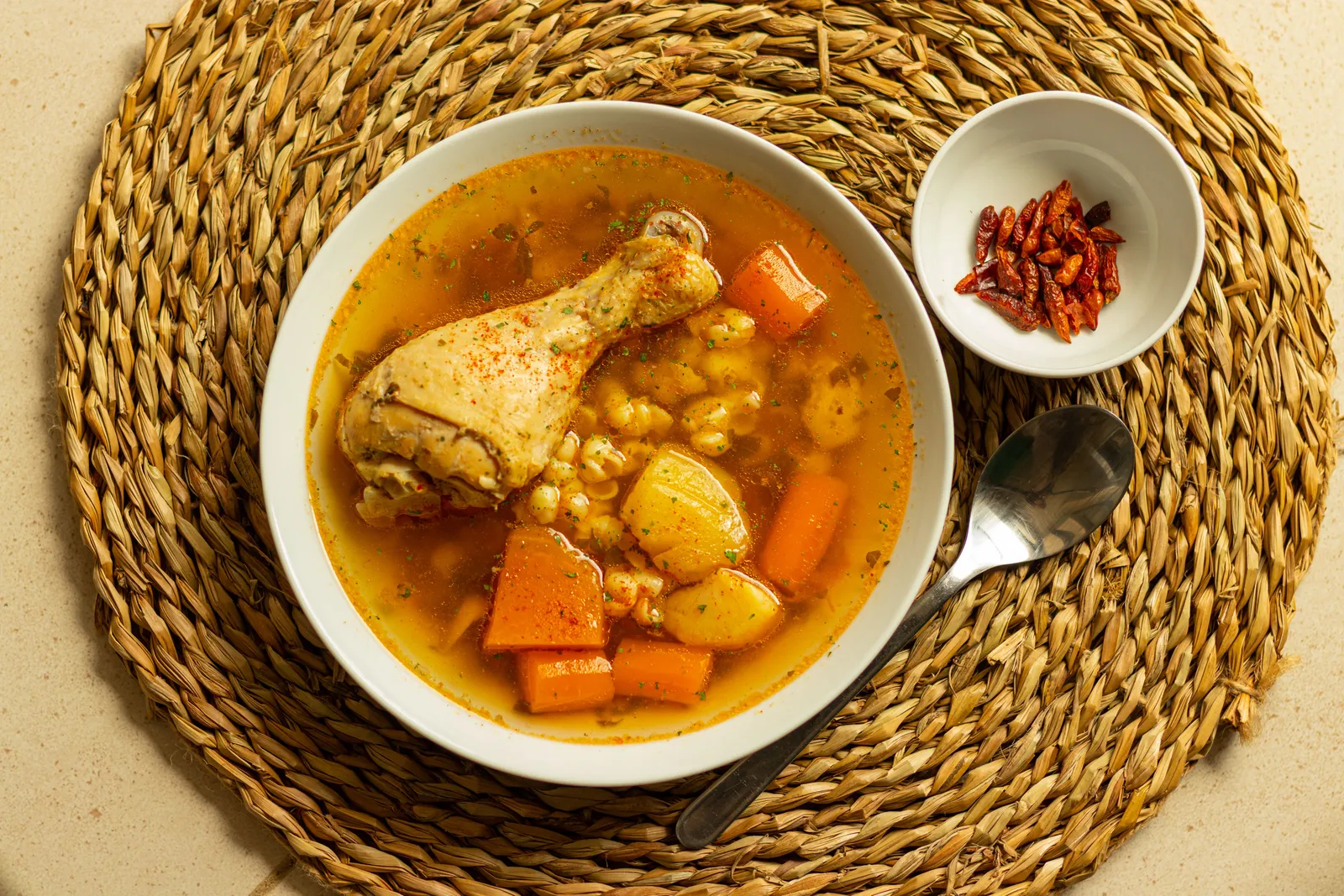
For the city’s own dish, which is a long slow lunch rather than a plate at a counter, our guide to cocido madrileno covers where to eat it.
And for what happens after the crawl, when the bars turn into something else, our guide to Madrid nightlife covers the rest of the night.
The short version
Do La Latina on a Sunday afternoon after the Rastro, or on a weekday evening from about eight. Order one drink and one plate per bar and then move, standing at the counter rather than sitting at a table. Ask what the house makes and order that. Walk one street off Cava Baja for the same thing at local prices. And expect the whole evening, four or five bars deep, to cost less than a single sit down dinner in the centre.