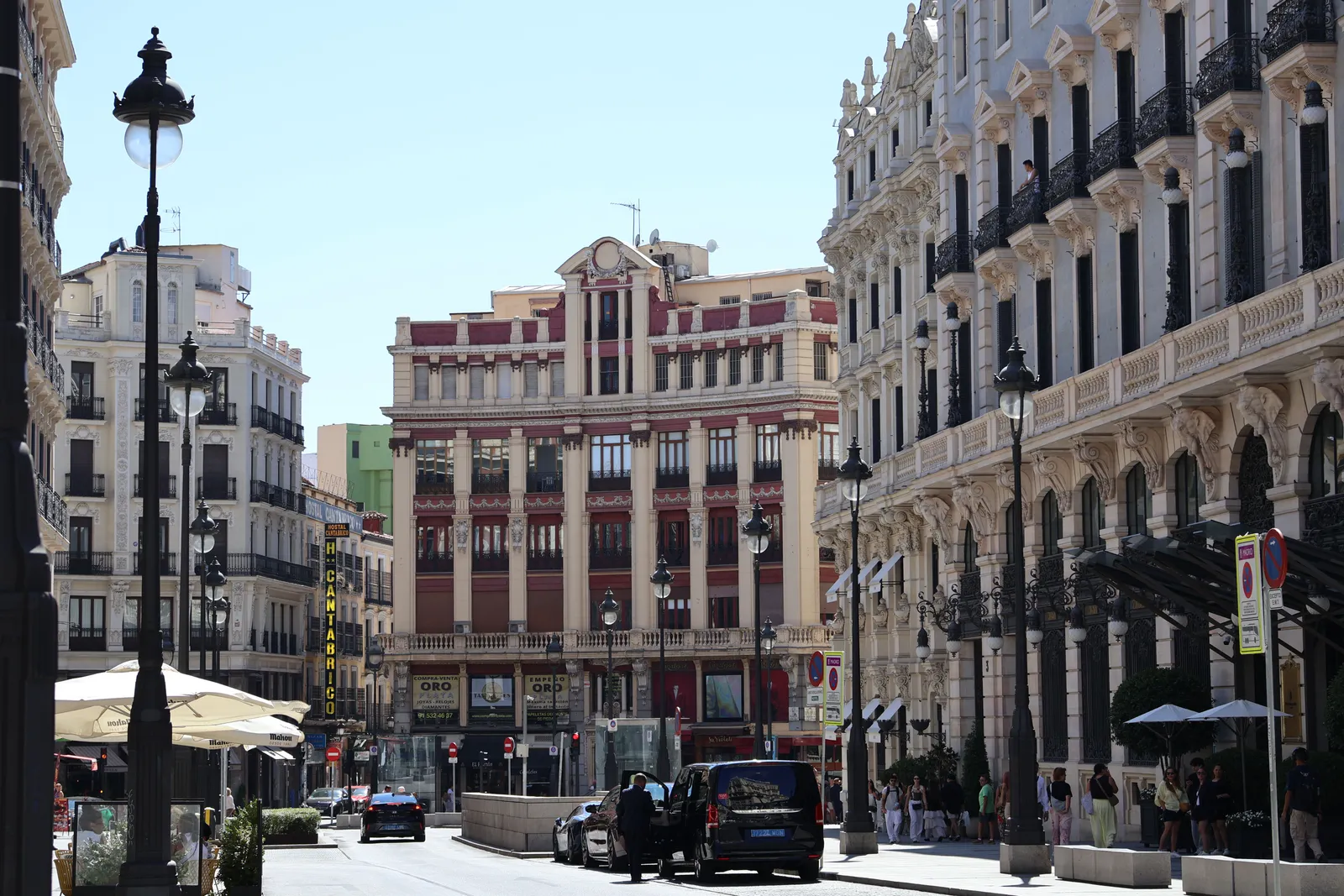
Madrid has the shopping streets everybody has: a pedestrianised run of international chains between Sol and Gran Via, packed at every hour, selling exactly what the same chains sell at home. It also has something almost no other European capital has retained in this quantity: a network of small shops in the old centre that have been making one thing for a hundred years or more. Gloves. Capes. Guitars. Fans. Candles. Finding those is the actual shopping trip.
The streets
Gran Via and Preciados, for chains, always busy, and the least distinctive shopping in the city.
Salamanca, north of Retiro, for luxury houses and Spanish designers, in quiet nineteenth century blocks.
Fuencarral, pedestrianised, between Malasana and Chueca, high street and streetwear.
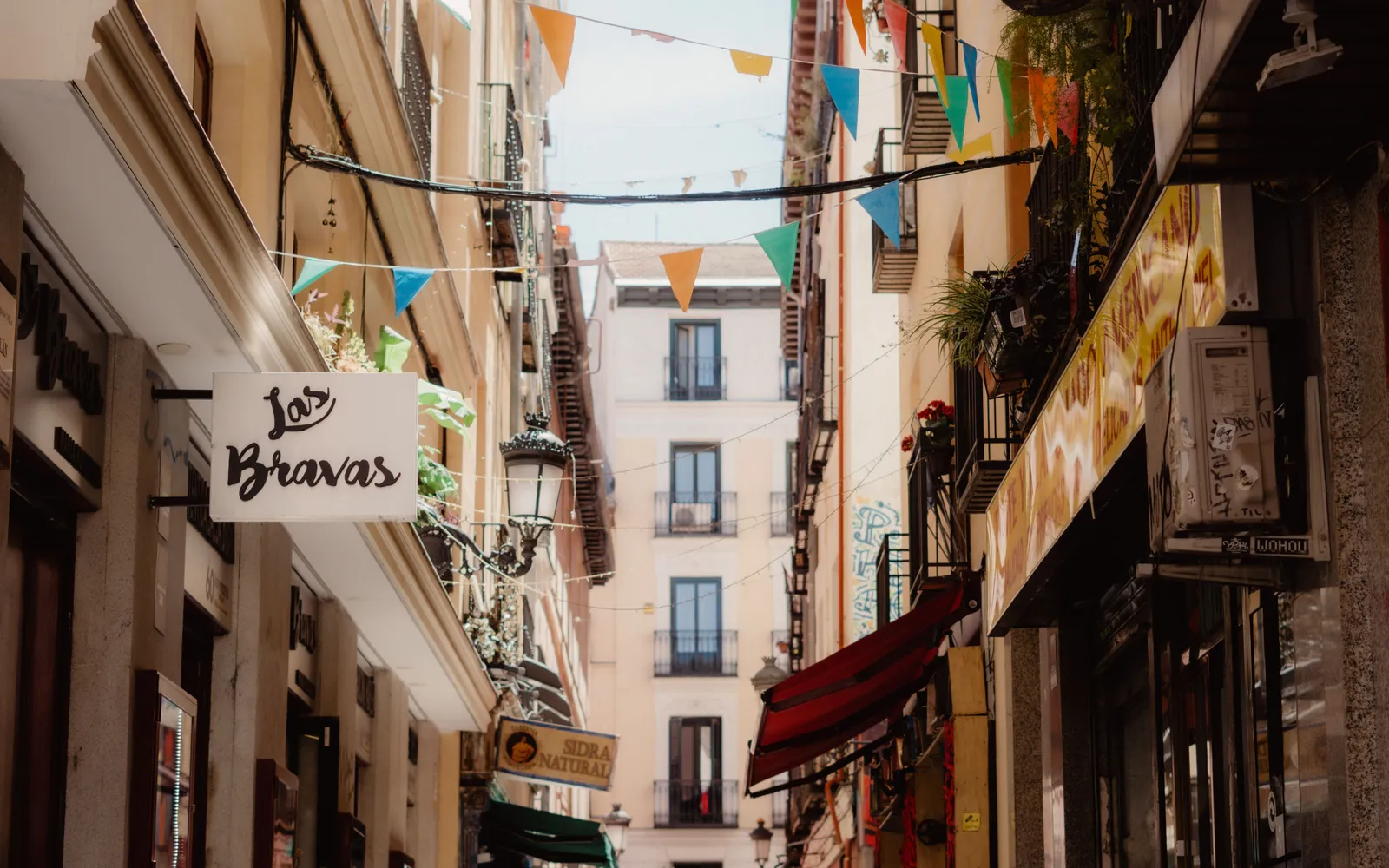
Chueca, for independent design and smaller labels.
Malasana, for vintage clothing, records and books in genuine depth.
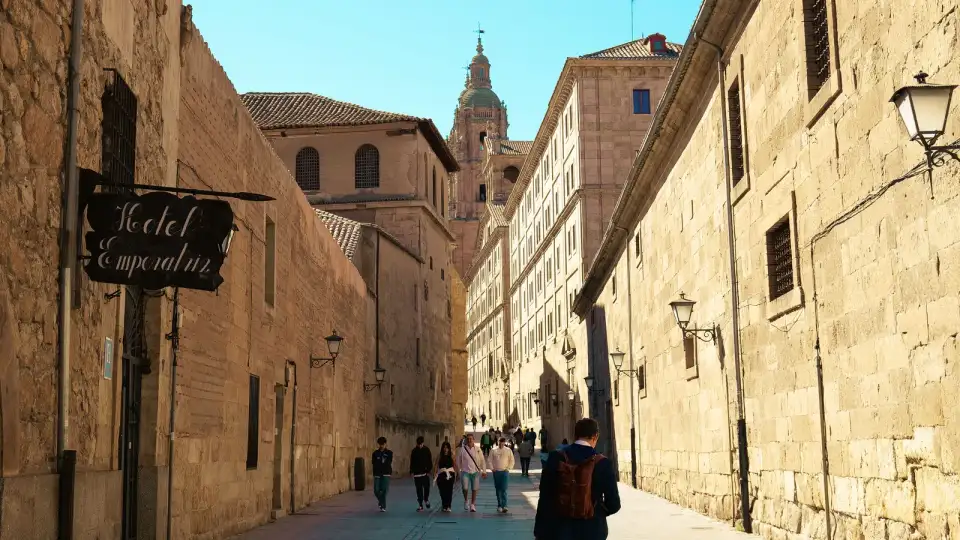
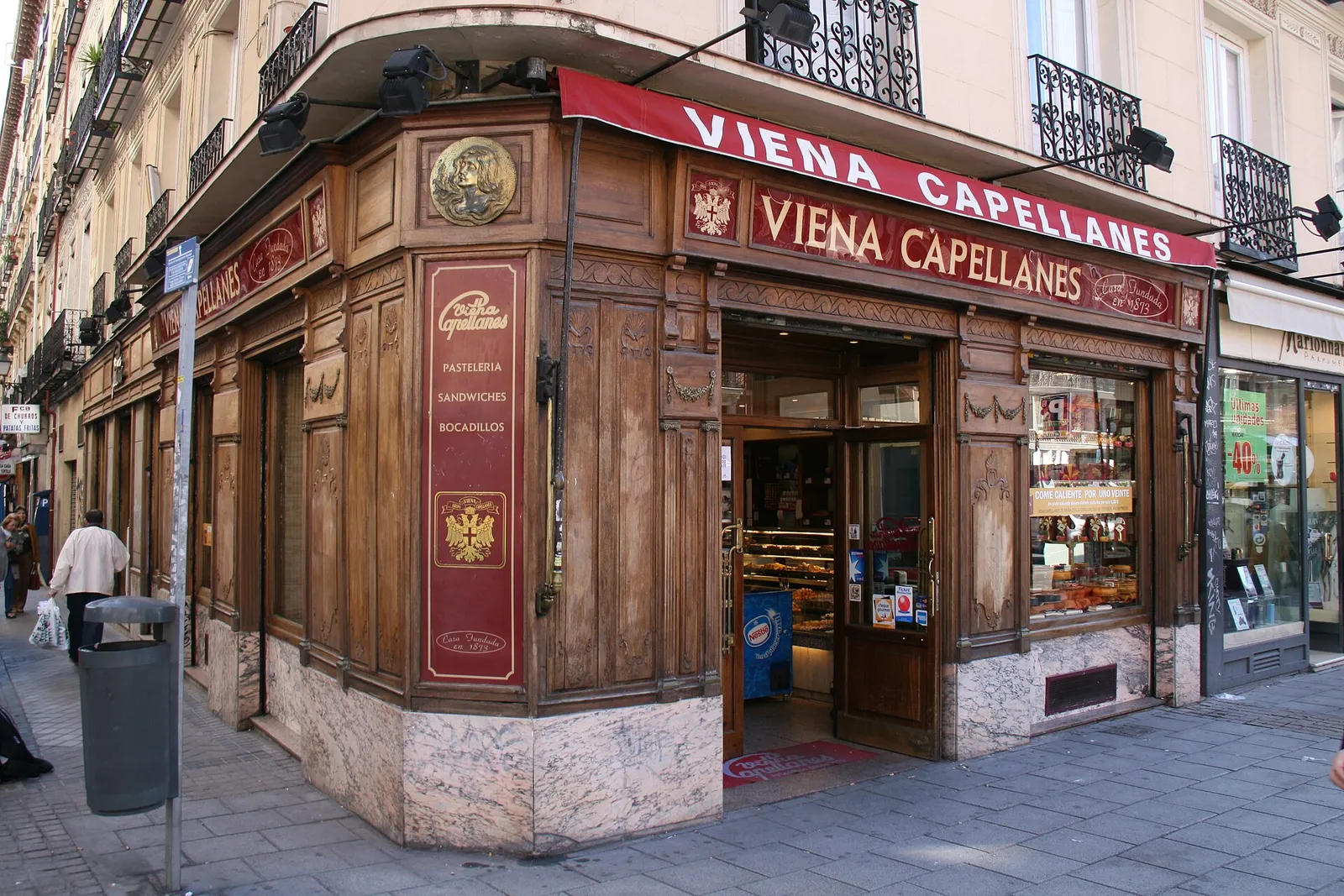
The old centre between Sol and the palace, for the century old specialists.
What is actually from here
Espadrilles, made and sold in workshops that still do nothing else.
Leather gloves, from a maker measuring your hand, which is a Madrid tradition with several survivors.
Hand painted fans, which are a real craft rather than a souvenir.
Classical guitars, from workshops that have supplied players for generations.
Ceramics, from Talavera and the surrounding region.
Capes, from a single shop that has made them since the nineteenth century.
Saffron, olive oil, turron and vermouth, all of which travel and all of which are better here.
Practical notes
Midday closing still applies to small shops, roughly two until five.
Sundays are closed for most independents, open for the big central stores under the tourist zone rules.
January and July are the traditional sale periods and the reductions are real.
Tax refunds for non EU residents run through airport validation and need the right paperwork from the shop.
Fuencarral and Preciados are the highest pickpocket density shopping streets in the city.
Sizes are European and vary considerably between Spanish brands.
Food to take home
Olive oil, in a tin rather than a bottle, which survives a suitcase.
Saffron, which is far better and far cheaper here than at home.
Turron, the almond nougat, available year round.
Vermouth and wine, sealed and shelf stable.
Cured meat, subject to the import rules of wherever you are flying, which are worth checking before you buy at a counter.
Not fresh cheese or meat, which faces restrictions in a great many countries.
Where this fits in a Madrid trip
Shopping here works best folded into a neighbourhood walk rather than as a dedicated day.
For which district to be in and what each is like beyond its shops, our guide to Madrid’s neighbourhoods covers the map.
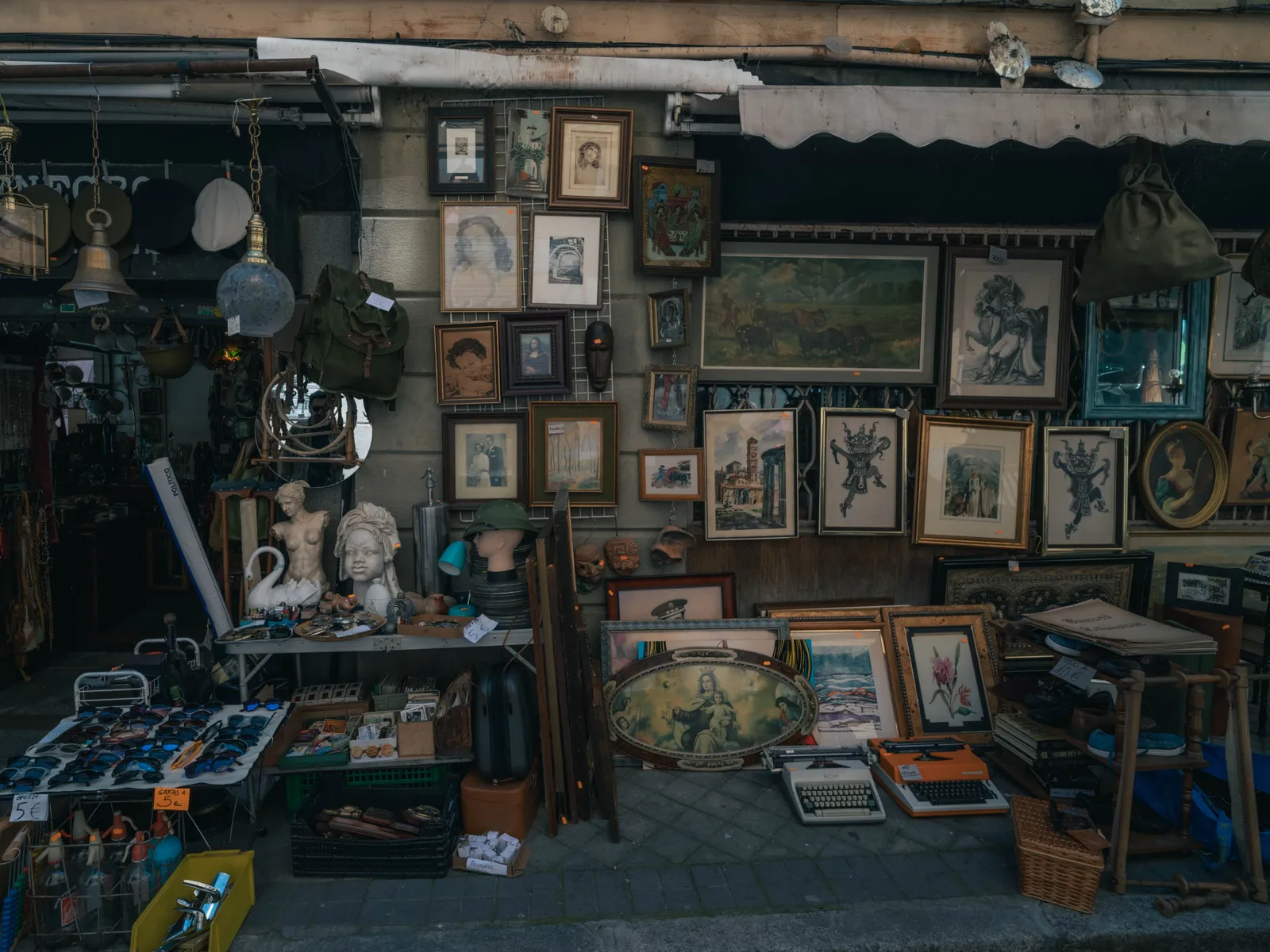
For the Sunday market that is the other half of buying things in this city, our guide to El Rastro covers the stalls.
And for the two districts where the independent shops actually are, our guide to Malasana and Chueca covers the streets.
The short version
Walk Gran Via and Preciados to see them and buy nothing on them. Go to Salamanca for luxury, Malasana for vintage and Chueca for design. Then spend an hour in the old centre finding the shops that have made one thing for a century, and walk into the ones that look closed, because they are not. Buy espadrilles, a fan, gloves, saffron and olive oil rather than a flamenco doll. Check the midday closing, avoid Sunday for the small shops, and get the tax paperwork in the shop rather than at the airport.