Madrid has two clubs in the top division and they offer completely different evenings. One is the most decorated club in European football, playing in a rebuilt stadium that looks like a spacecraft landed on the Castellana, with a crowd that includes a large number of people who flew in for it. The other has a fanbase that sings for ninety minutes and a stadium out on the eastern edge that visitors rarely reach. Choosing between them is a real decision rather than a matter of which tickets you can get.
How tickets are released
Members first, at both clubs, with a priority window before general sale.
Season ticket holders release seats they will not use into an official resale pool, which is one of the better routes for a visitor.
General sale follows, typically a few weeks out, and later for less prominent fixtures.
Dates move. The league confirms kickoff times late, and a Saturday fixture can become a Sunday one.
Prices vary enormously by opponent, competition and position in the ground.
The resale problem
Unauthorised resale can be voided, which is the specific risk rather than a forged barcode.
Street sellers outside either ground are the worst version of this.
Legitimate marketplaces charge a real premium for a real guarantee; read what the guarantee actually covers.
A price near face value on a sold out big match is a warning rather than a bargain.
Buy from the club whenever possible, even for a worse seat.
The two grounds
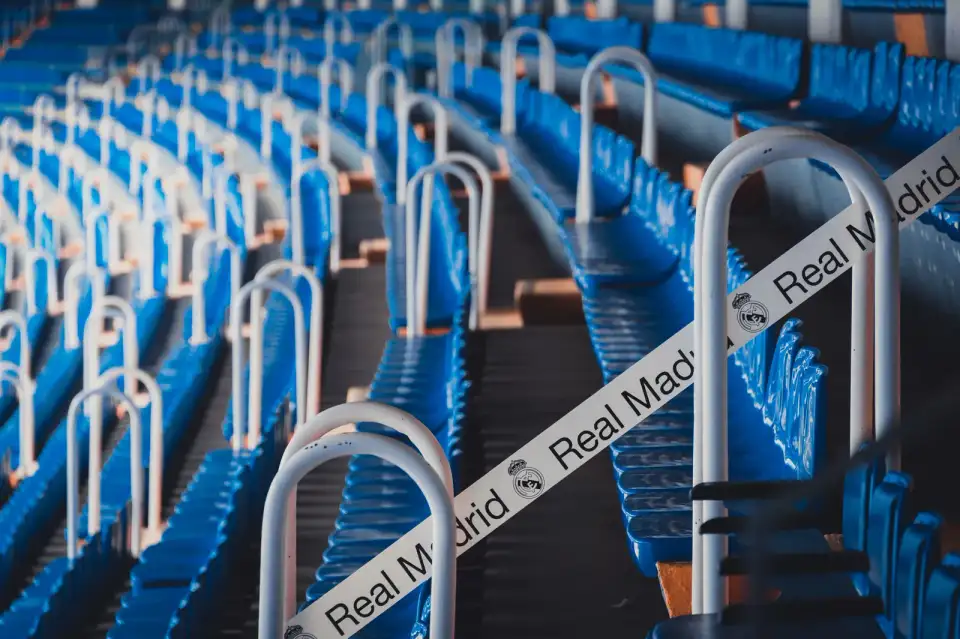
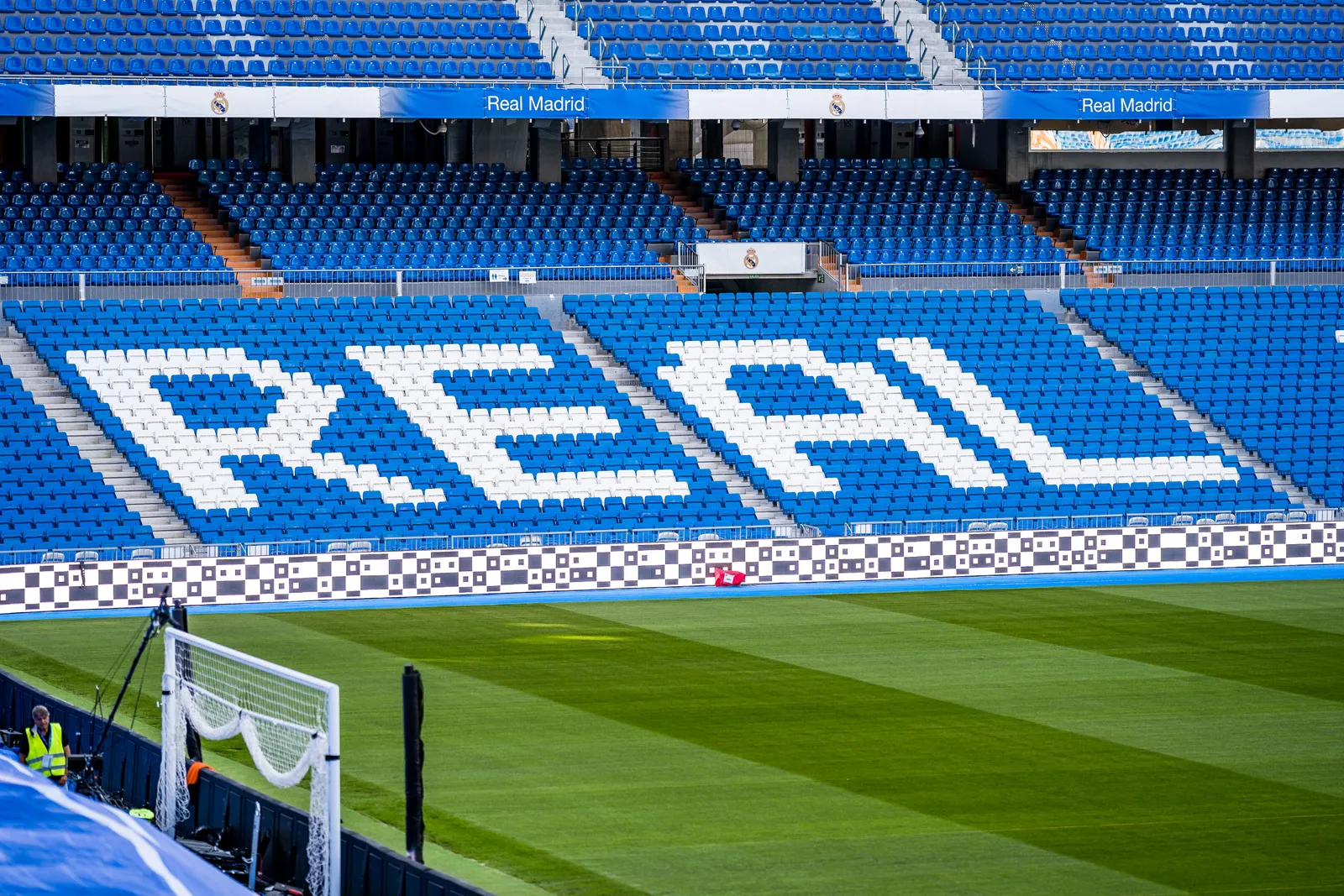
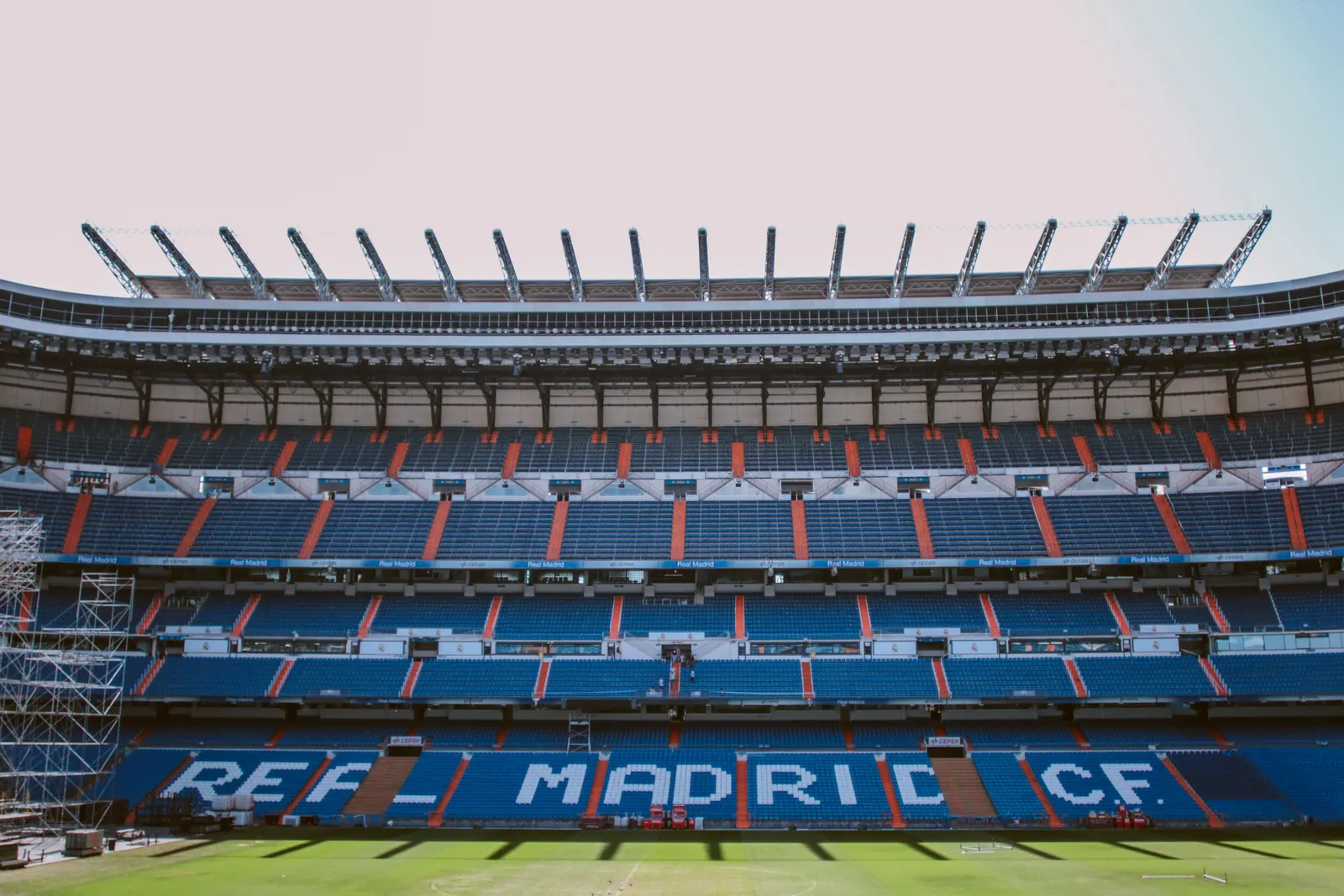
The Bernabeu, on the main north south avenue, rebuilt with a retractable roof and a metal skin, easy to reach on the metro and surrounded by the business district.
The Metropolitano, out on the eastern edge, newer, larger and with a considerably longer journey from the centre.
Both are on the metro, and both empty several tens of thousands of people into it at once.
Arrive early, an hour at least, for the security queues and the build up.
Food inside is basic at both; eat beforehand.
Bag rules are strict and enforced at the gate.
Matchday itself
The neighbourhood bars before kickoff, which are half the experience at both grounds.
Kickoff times are late by northern European standards, including nine or ten at night in summer.
Getting out takes forty five minutes to an hour on the metro; walking the first stretch is often quicker.
Scarves and shirts are sold on every corner and are not official merchandise.
Take the derby seriously if you get into one, because the atmosphere is genuinely different.
Practical notes
Passport or identification is occasionally checked against the ticket name at the gate.
Away ends are segregated and visitors should sit where their ticket says.
Alcohol is not sold inside Spanish stadiums.
Children are welcome and both clubs have family sections.
Stadium tours run on non matchdays and book out in high season.
Where this fits in a Madrid trip
A match is a fixed evening, so build the rest of the trip around it rather than the reverse.
For the stadium itself, the museum and what the tour includes, our guide to the Bernabeu covers the visit.
For what to do with the hours before and after, our guide to Madrid nightlife covers the evening.
And for fitting a fixed fixture into a short trip without losing the day around it, our four day Madrid itinerary covers the shape.
The short version
Buy from the club rather than the street or an unauthorised reseller, and take a worse seat over a risky ticket. Choose a midweek or cup fixture if you actually want to get in without paying a fortune, and look at both clubs rather than only the famous one. Book changeable accommodation, because kickoff times are set late by broadcasters. Arrive an hour early, eat beforehand, and allow an hour to get away. And if the fixture list will not cooperate, book a stadium tour instead, which is genuinely worth the morning.