Madrid has not hosted a Formula 1 World Championship round since 1981, when the Spanish Grand Prix ran at Jarama outside the city. The race now returns on a circuit built around the IFEMA exhibition centre on Madrid’s northeastern edge, close enough to the airport that arriving passengers pass it before they reach the centre. MADRING is a genuinely unusual venue: part permanent track, part closed public road, and set inside the city rather than an hour outside it.
What MADRING actually is
The circuit runs roughly 5.4 kilometres per lap across 22 corners, mixing purpose built sections on IFEMA land with stretches of existing public street through Valdebebas. That hybrid layout is why it can sit inside a working city district without needing a permanent motorsport park. The final asphalt surface was completed in mid 2026 and the track received its FIA Grade 1 licence, the top tier required to host a Formula 1 round, ahead of the inaugural event.
The corner people talk about is La Monumental, a long banked semicircle of around 550 metres with a steep camber, designed to be taken flat and to give spectators a sustained view of cars at speed rather than a single braking point. Race distance for the inaugural edition was set at 57 laps. Layout details on any new circuit can be adjusted late in the homologation process, so confirm specifics on the official MADRING site if they matter to your planning.
Dates, and why you should check them
The first Spanish Grand Prix at MADRING was scheduled for the weekend of 11 to 13 September 2026, with the race on the Sunday. That is the date to work from, but Formula 1 calendars are not fixed objects. Slots move between seasons as the championship rebalances travel, and a date published a year ahead is a plan rather than a guarantee.
Before you commit to non refundable flights or hotels for a future edition, check the calendar published by the FIA and by Formula 1 itself. Those two are the only sources worth trusting on dates, and they are updated when things change.
How tickets are sold
For the inaugural weekend the promoter sold three day passes covering Friday, Saturday and Sunday, rather than single day tickets. If you only care about the race, you are still buying the full weekend. That is a promoter decision and could change in future years, so verify the current format on the official ticketing site before assuming either way.
Tickets are released in tranches, and prices climb with each release. General admission, sold as pelouse access to standing and viewing areas, started in the low to mid hundreds of euro for early buyers and rose from there. Grandstand seats cover a far wider band, from several hundred euro up into four figures for the best positioned stands, with hospitality packages sold separately above that. Those bands are indicative only. Prices change between releases and between seasons, so treat the official ticketing site as the single source and ignore figures quoted in blogs and aggregator listings, including the ranges here.
Getting to IFEMA on race days
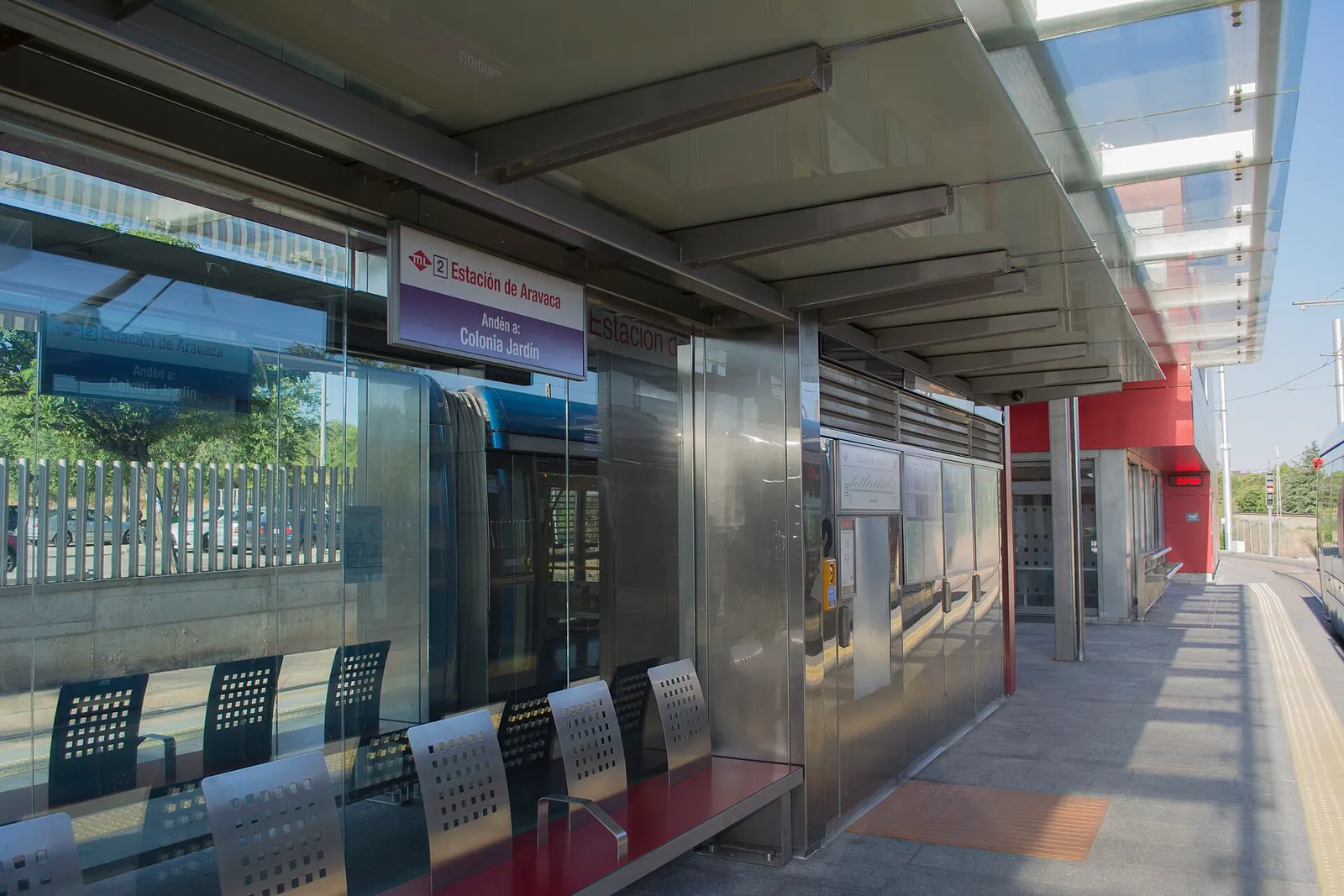
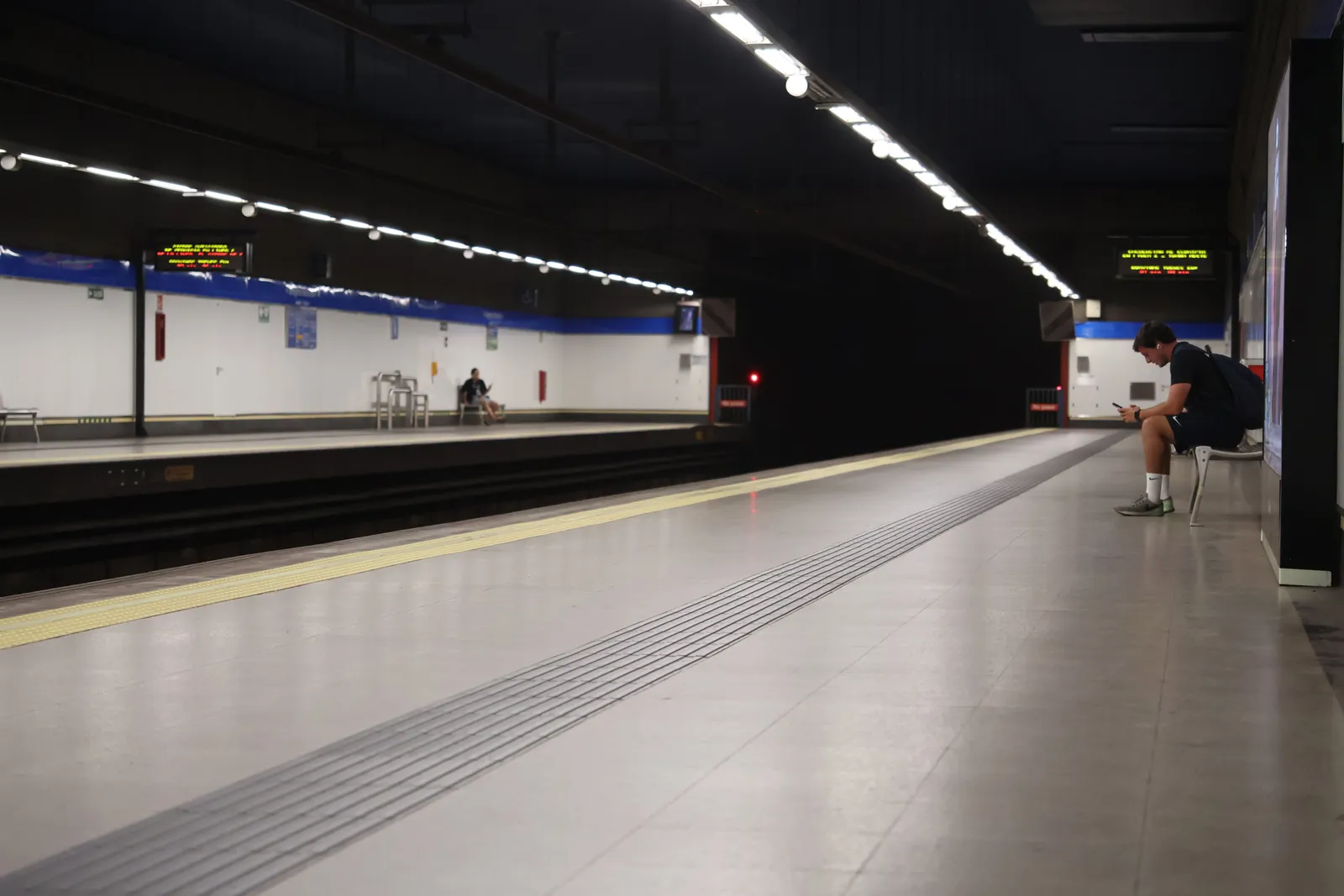
This is the part Madrid genuinely has an advantage on. Metro line 8 runs to Feria de Madrid, the station built to serve IFEMA, and the same line continues out to both airport terminal stops and inward to Nuevos Ministerios, where it meets the rest of the network and the Cercanias suburban trains. Cercanias also serves Valdebebas station a short distance from the circuit area.
Journey times from central Madrid are usually in the range of 25 to 40 minutes depending on where you start and how many changes you make. On a race Sunday, add substantially to that: crowd control at station exits, queueing to get back onto trains after the chequered flag, and road closures around the venue all bite. Check the Metro de Madrid and CRTM websites in the week before the event for special services, altered frequencies and closures, since these are announced late and specifically for the weekend. Our guide to getting around Madrid covers ticketing on the wider network.
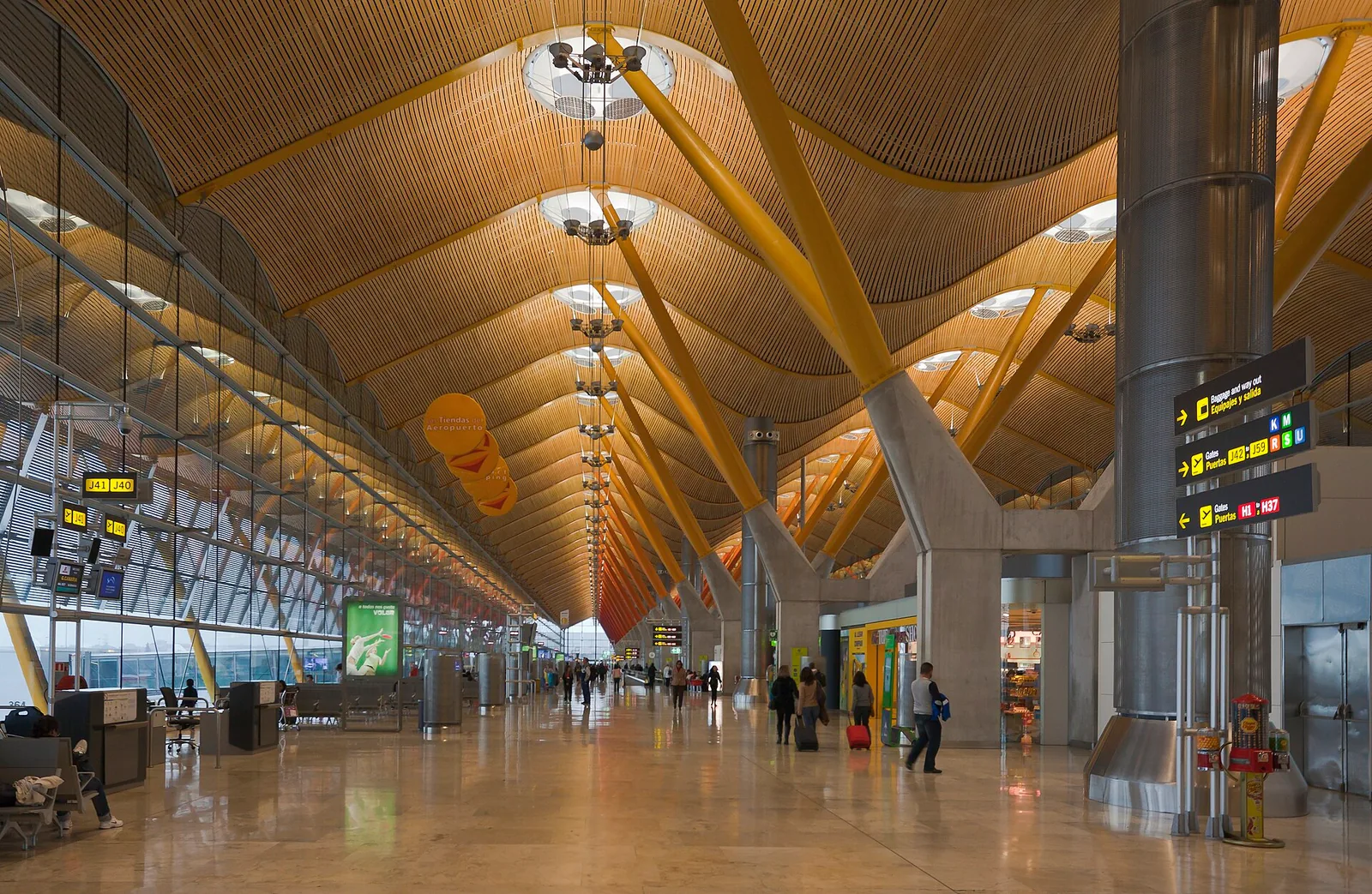
If you are flying in, the airport proximity is real: the circuit sits only minutes from Barajas by road, and the metro connection is direct. The practical options for the airport run are covered in our airport transfer guide.
Rooms for a Grand Prix weekend go earlyCompare central Madrid and IFEMA area hotels for the race datesWhere to base yourself
There are two sensible strategies and they suit different travellers.
Staying near IFEMA in the northern districts, around Valdebebas, Hortaleza or the Campo de las Naciones area, minimises the daily journey and is the low friction option if the racing is the entire point of the trip. The trade off is that this is a business and exhibition zone. Evenings are quiet and dining options are limited compared with the centre.
Staying central, around Sol, Salamanca, Chueca or Malasana, gives you a proper Madrid trip either side of the racing, with the metro handling the commute. Rooms in the centre sell out early for a Grand Prix weekend and prices rise sharply once the dates are confirmed, so book as far ahead as you can. Our neighbourhood by neighbourhood accommodation guide covers what each area is actually like to stay in.
Planning the rest of the weekend
A three day pass structure means Friday and Saturday are already accounted for, which leaves the days either side of the weekend. Madrid is a compact city and the major museums, the Retiro and the old centre all sit within a walkable core, so a two or three night extension turns a race trip into a genuine city break without much extra logistics.
One practical note: September in Madrid can still be hot, particularly in the afternoon, and a hybrid circuit built across exhibition ground offers limited natural shade in general admission areas. Water, a hat and sun protection are worth packing regardless of what the forecast says a week out.