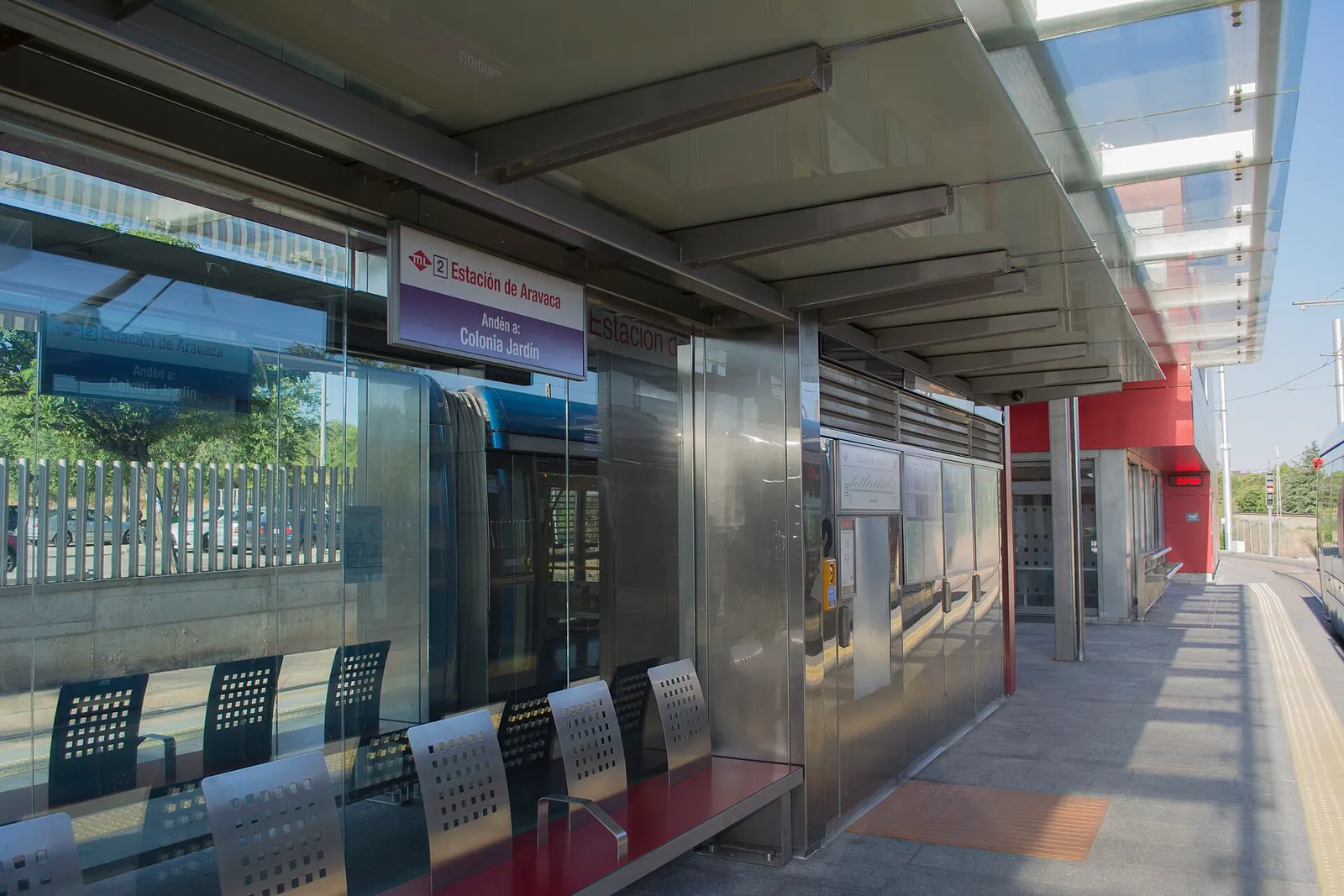
Madrid is a city you mostly walk, with a metro underneath for the moments when walking stops being fun. That combination makes it one of the easier European capitals to move around, and it means the transport decision most visitors agonise over, which pass to buy, matters less than they expect. Here is how the system actually works, what to buy, and the two or three details that catch people out at the barrier.
The card comes first
Madrid runs on a rechargeable plastic travel card. You buy the card once from a machine in any metro station, in English, and then load it with what you need: individual journeys, a bundle of ten, or a tourist pass by number of days.
Two things about it are worth knowing before you queue.
One card per person on the metro. A group cannot share a single card by passing it back over the barrier, so buy one each. The card itself costs a small amount and stays valid for years, which makes it worth keeping if you might return.
The machines are straightforward and take cards as well as cash, and they switch to English with one tap. The queue at the airport station is the worst you will encounter all trip, so if you land at a busy hour, be patient there and enjoy the ease everywhere else.
Which fare option to load
This is where visitors overthink, so here is the honest version.
Single journeys or a ten-journey bundle suit most people. Madrid’s centre is compact and walkable, a typical day involves two or three metro rides rather than ten, and paying per ride usually works out cheaper than a pass.
The tourist pass, sold by number of consecutive days, wins in three situations: you are moving constantly across the city, you are travelling with children who pay adult fares, or you are using the airport connection, since the pass covers it without the separate supplement.
The airport supplement is the one genuine gotcha. Journeys to and from the airport stations carry an extra charge on top of the standard fare when you travel on single journeys. It is small, it is normal, and it surprises people at the barrier with a suitcase in hand.
The metro’s own fare varies slightly by distance within the central zone, which is another reason the ten-journey bundle is simpler than trying to price each trip.
The metro, in practice
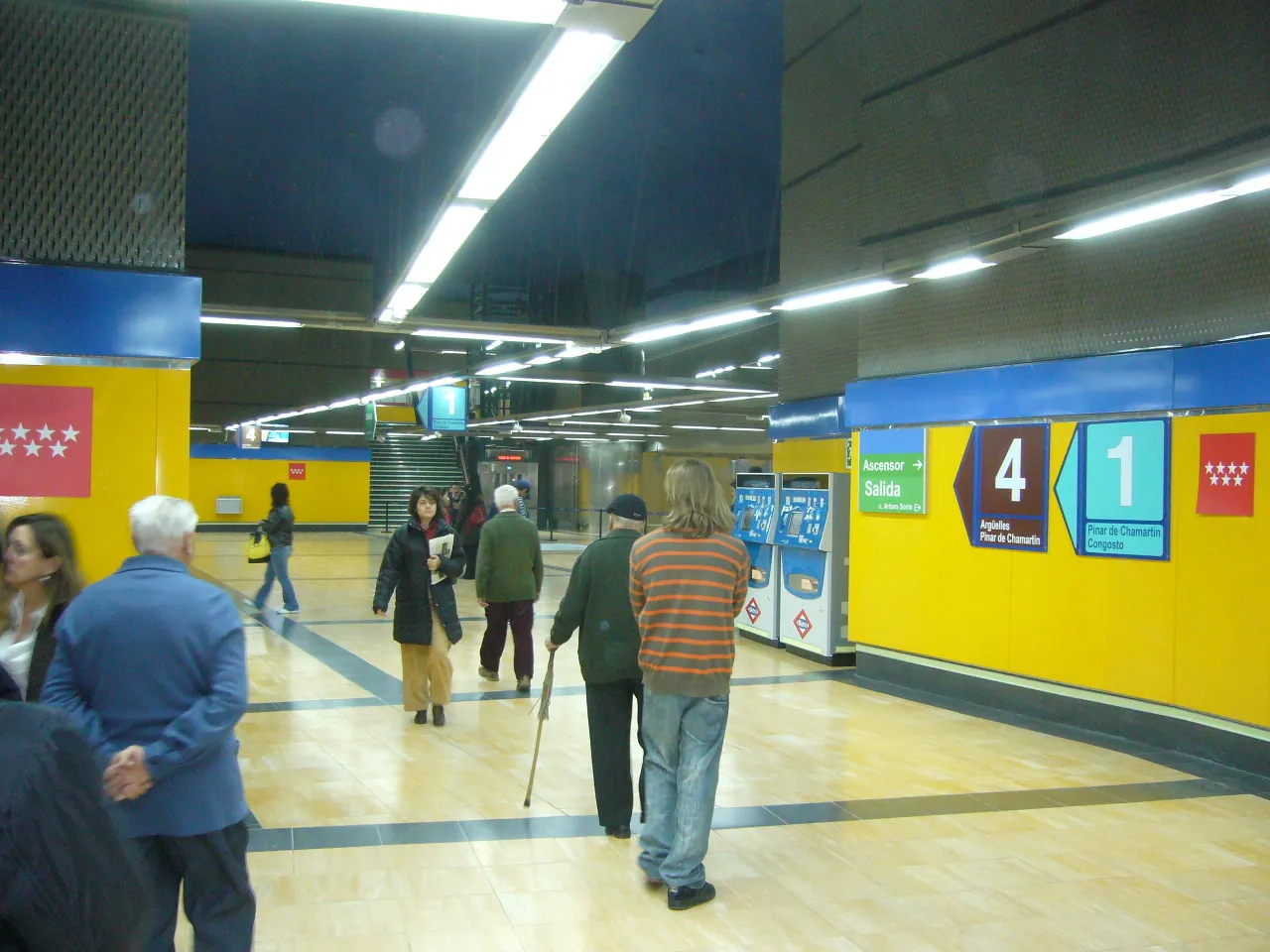
Madrid’s metro is one of the largest networks in Europe and one of the easiest to read: lines are numbered and colour coded, signage is clear, and stations announce the end-of-line station rather than a compass direction, so you navigate by knowing which terminus you are heading towards.
Three practical habits.
Navigate by exit number in the bigger stations, because several have exits a long way apart and choosing wrongly means a walk back above ground.
Expect a walk inside the station at the big interchanges, where a change between lines can take five minutes.
Trains are frequent through the day and thin out late in the evening, which matters more than the published closing time.
Air conditioning on the network is real but not universal, and a July afternoon underground is warm. That is an argument for travelling early and late in summer, which is what everyone here does anyway.
Cercanias: the other train
The Cercanias are the regional commuter trains, operated separately from the metro, and visitors ignore them until they need them, at which point they become essential.
They matter for two things. First, connecting the main railway stations to the centre quickly. Second, and more usefully, reaching some of the day-trip towns outside the city, which is the reason most visitors end up on one.
Which board you need depends on the town, and this is where people lose twenty minutes. El Escorial and Aranjuez are commuter services, so the Cercanias platforms are the right place to look. Toledo and Segovia are not on the commuter network: they are high-speed departures, Toledo from Atocha and Segovia from Chamartin, and looking for them on a Cercanias board finds nothing. Check which service your destination runs on before you go looking for it.
The catch worth knowing: Cercanias use a different zone system from the metro, and a ticket that covers you inside the city may not cover a destination beyond it. Check the zone of where you are going before you travel rather than at the gate on the way back.
For which towns are worth the early train and how long each really takes, our day trips guide covers the options, and the short version is that the best of them are close enough to be a comfortable morning departure.
Buses, night buses and taxis
City buses cover the gaps the metro leaves and are pleasant for short hops above ground, using the same travel card. They are slower in traffic and less intuitive for a short visit, which is why most visitors barely use them.
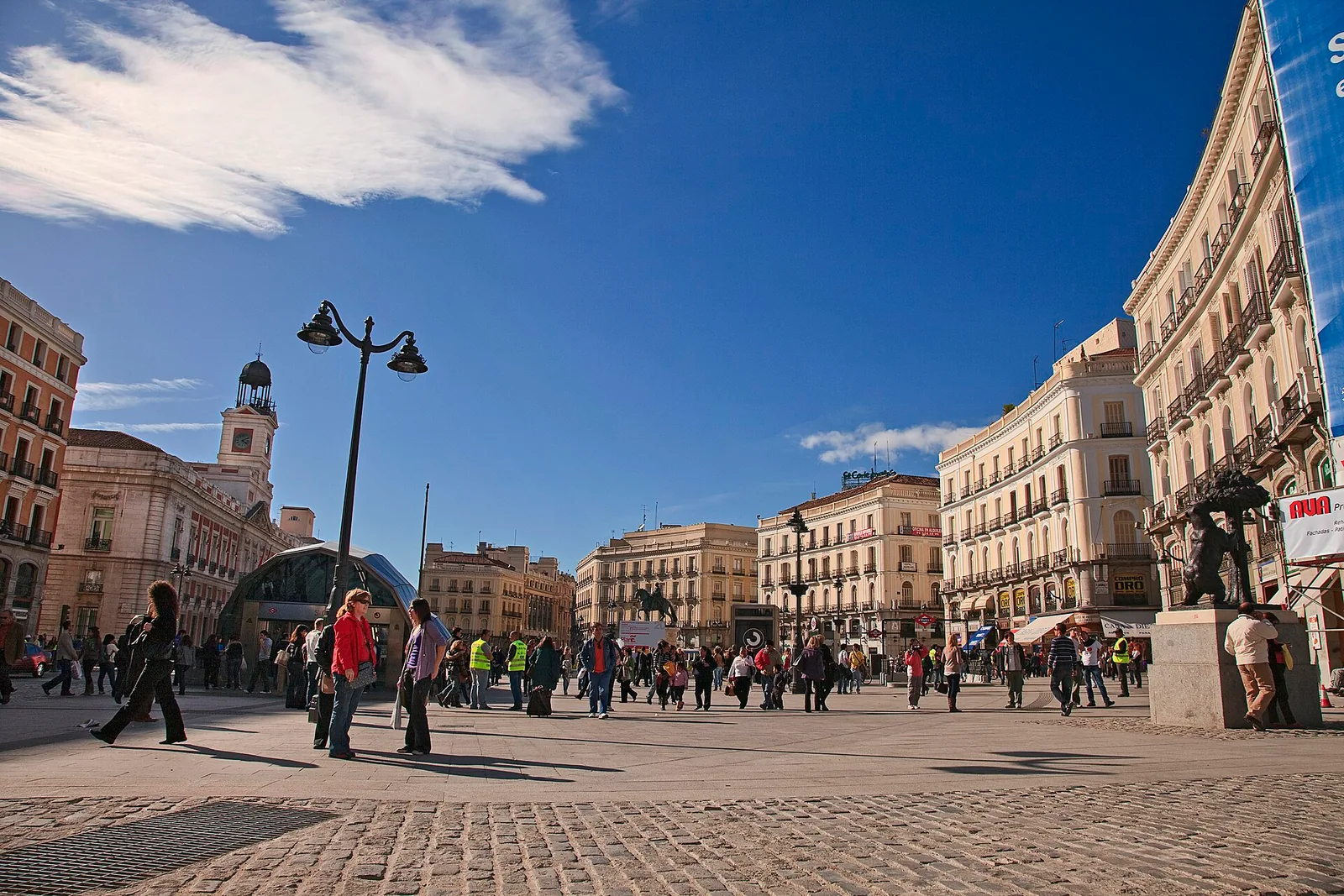
Night buses matter more. The metro closes in the small hours, earlier than a Madrid evening ends, and the night network radiates from the central squares to cover the gap. If you are going out properly, look up which one serves your neighbourhood before the evening rather than during it.
Taxis are plentiful and reasonably priced by Western European standards, with a published flat fare between the airport and the central zone that removes the usual meter anxiety. Ride-hailing apps operate widely and are a sensible late-night option from a quieter barrio.
Cycling exists, with a public bike scheme and expanding lanes, but Madrid is hillier than it looks and hot for much of the year, so it is a niche choice for visitors rather than a default one.
Getting to and from the airport
Four options, and the right one depends on your luggage and the hour.
The metro is the cheapest, reaches the centre in well under an hour with a change on most routes, and carries the airport supplement. It is the right call with light bags.
The airport express bus runs around the clock, including through the night when the metro does not, and heads to the centre with a handful of stops. It is the answer for awkward-hour arrivals.
A taxi on the published flat fare is the obvious choice with heavy cases, a family or a very late landing, since it ends at your door.
Ride-hailing works too, with designated pick-up points at the terminals.
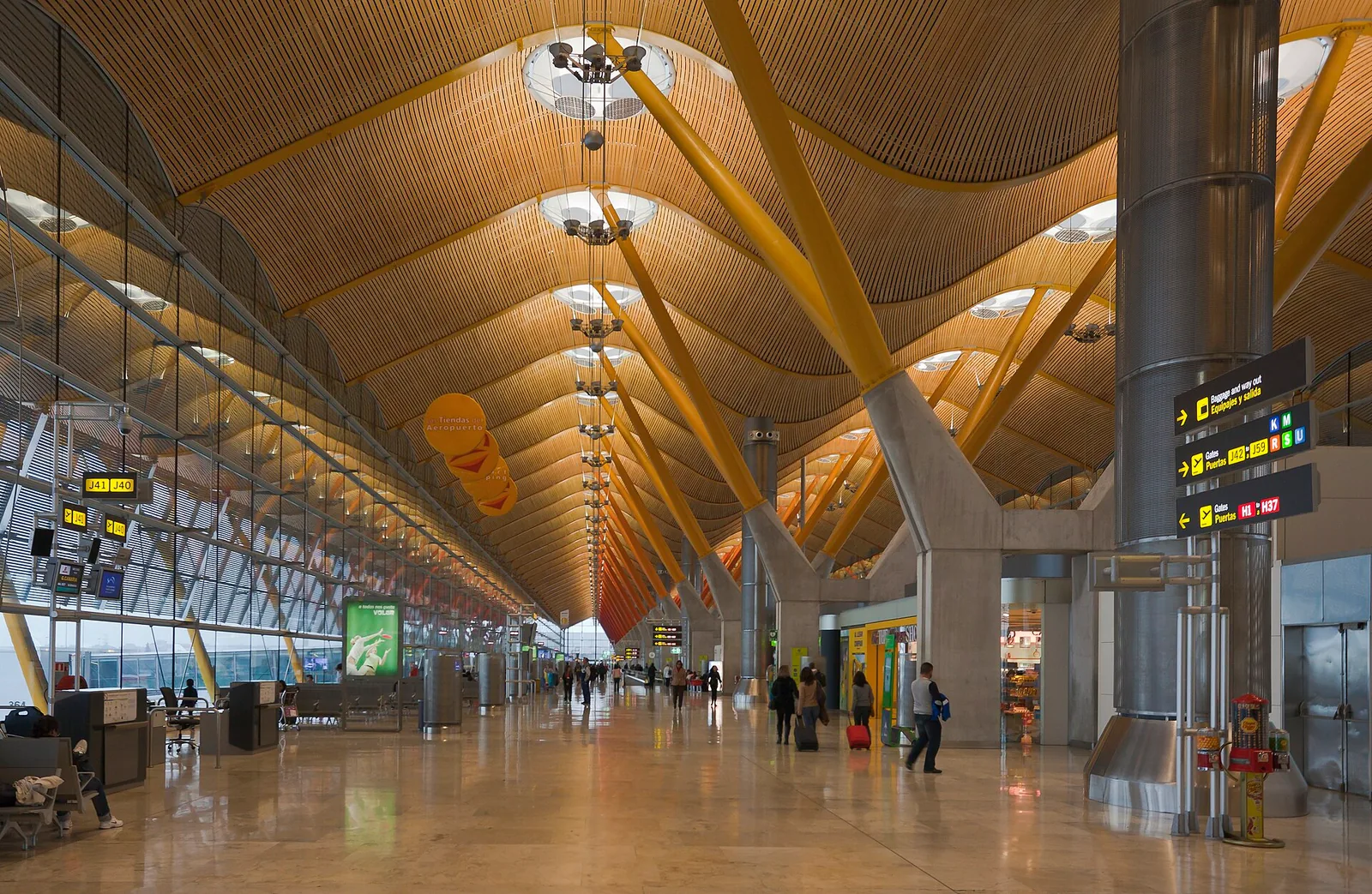
The variable that decides it is not price, it is stairs and luggage. Madrid’s older buildings and some metro interchanges involve more steps than you would like after a long flight, so paying for a door-to-door ride on arrival day is often worth it even if you use the metro all week. Which terminal you land at matters as well, since the airport is spread out.
Fitting transport to the days you are planning
The practical consequence of all this is that transport shapes a Madrid itinerary less than in most capitals, and the two places it does are worth planning around.
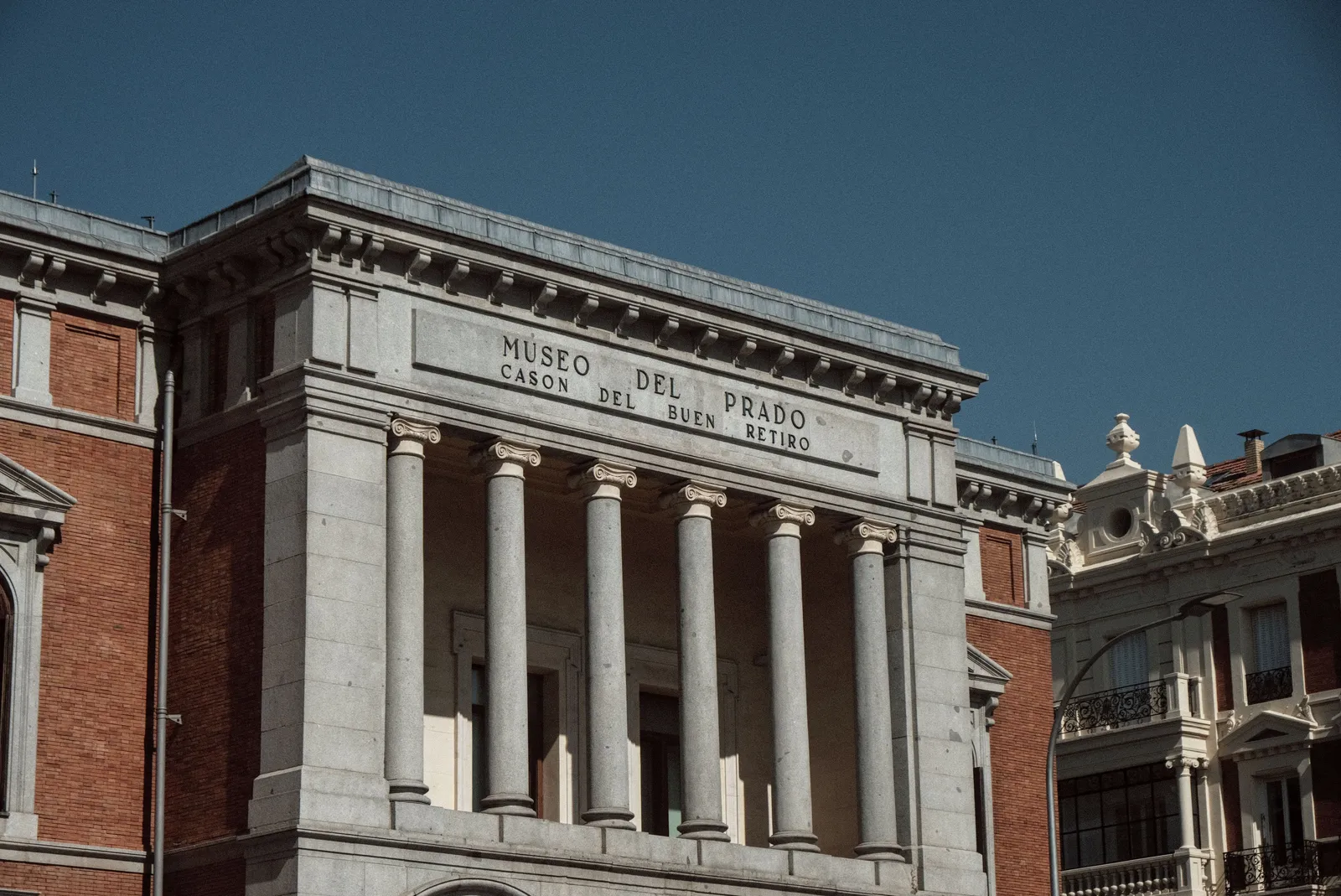
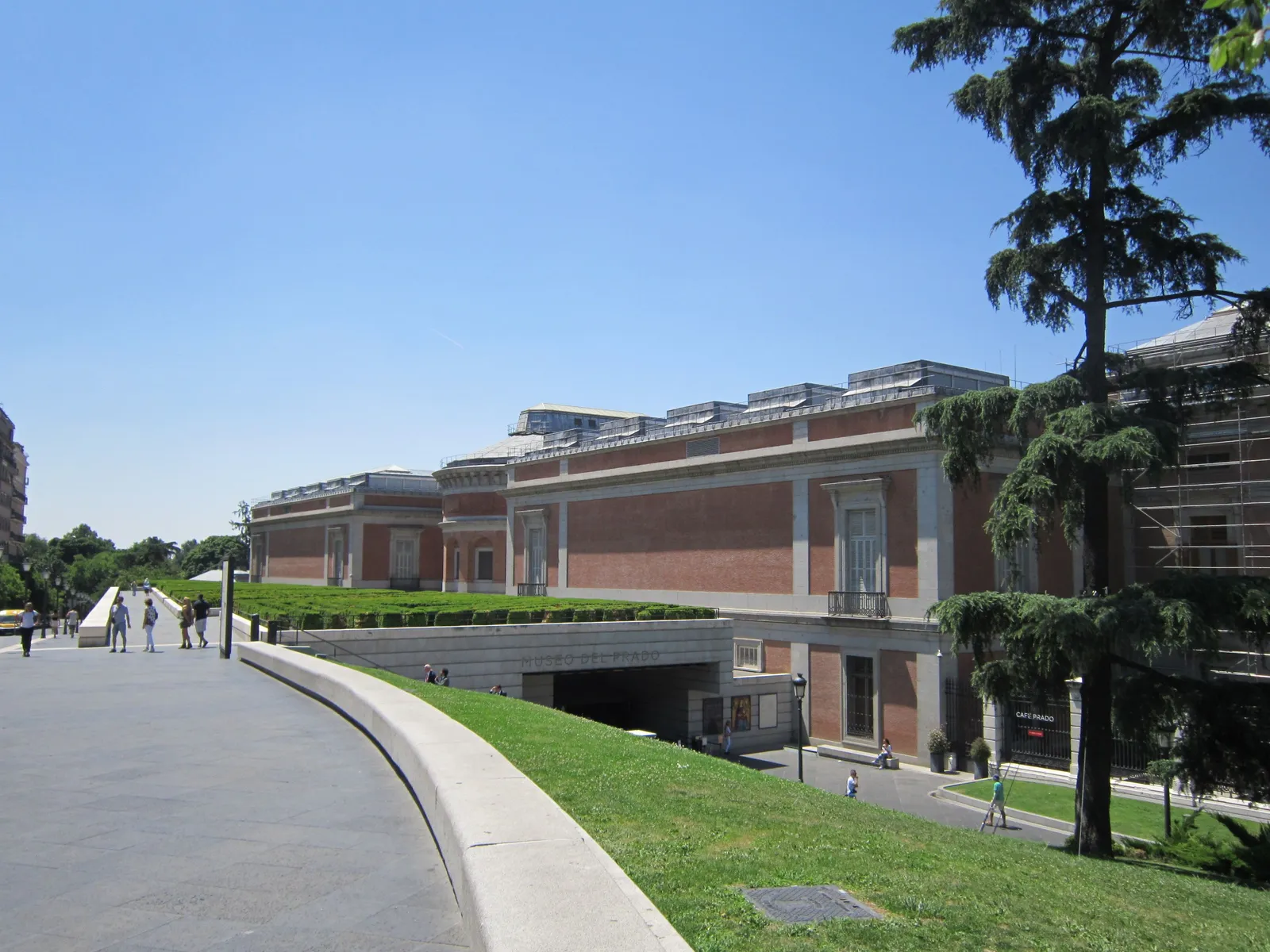
Museum days are walking days. The great museums sit within a few minutes of each other along one boulevard, with a park behind them, which means an entire day of art and green space involves almost no transport at all; our Golden Triangle guide covers how to pace that without exhausting yourself.
Where you sleep decides how much you ride. A room within a few minutes of a metro station on a central line quietly removes a great deal of daily friction, and our neighbourhood guide covers which barrios put you within walking distance of what.
Accessibility, luggage and the small realities
A few practical things decide how pleasant the network is on a given day.
Lifts are widespread but not universal. Most of the newer stations and the busy interchanges have them, and some older central stations do not, which matters with a suitcase, a pushchair or limited mobility. Checking the specific station rather than assuming is worth the thirty seconds on arrival day.
Interchanges involve walking. Two lines meeting on a map can mean five minutes of corridor underground, which is fine on foot and tiring with bags.
Summer heat reaches the platforms. Air conditioning on trains is real; on older platforms it is limited. In July and August the network is noticeably warmer than the street in shade, which is another argument for travelling at the ends of the day.
Pickpocketing is the one everyday risk, concentrated on the busiest central lines, around the main squares and at the airport connection. It is opportunistic rather than aggressive, and a bag held in front of you on a crowded carriage removes almost all of it.
The short version
Buy the rechargeable card at the first machine you see, one per person, and load single journeys unless you are riding constantly or using the airport connection, in which case the tourist pass wins. Remember the airport supplement, navigate by exit number, and note that the Cercanias run on their own zones. Walk the centre, ride across the city, take a taxi on arrival day if you are carrying anything heavy, and look up the night bus before the night out.
One thing the transport network quietly determines is whether the museums’ free evening period is worth chasing, since it starts at the end of the day and everyone in the city arrives at once. Our guide to the free hours covers what that period is actually like and when paying for a quiet morning is the better use of a short trip.
One more thing belongs alongside a transport card in the first hour: the short list of numbers, since the busiest metro moments are also the ones where a bag gets opened. Our guide to emergency numbers and medical help in Madrid covers 112, the pharmacy rota and what a European health card actually does.