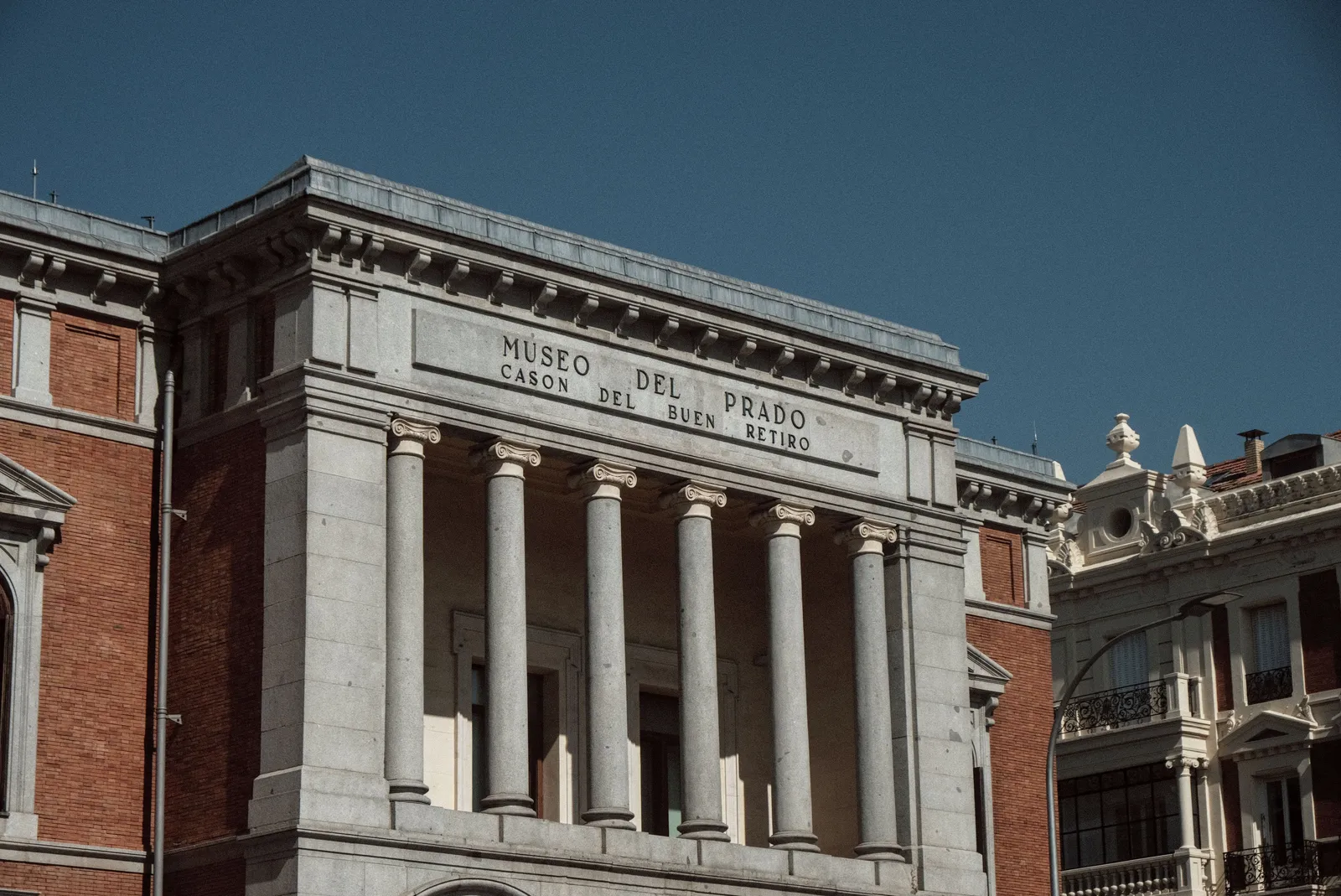
Madrid holds one of the densest concentrations of great art in the world, and almost all of it sits along a single leafy boulevard. The Golden Triangle, the Prado, the Reina Sofía and the Thyssen-Bornemisza, lines the Paseo del Prado within a ten-minute walk of one another. You could, in theory, see the highlights of Western painting from the Renaissance to the twentieth century in a single long day. Whether you should is another question. Here is how to do the museums well, without the glazed-over fatigue that ruins so many art days.
The Prado: start here
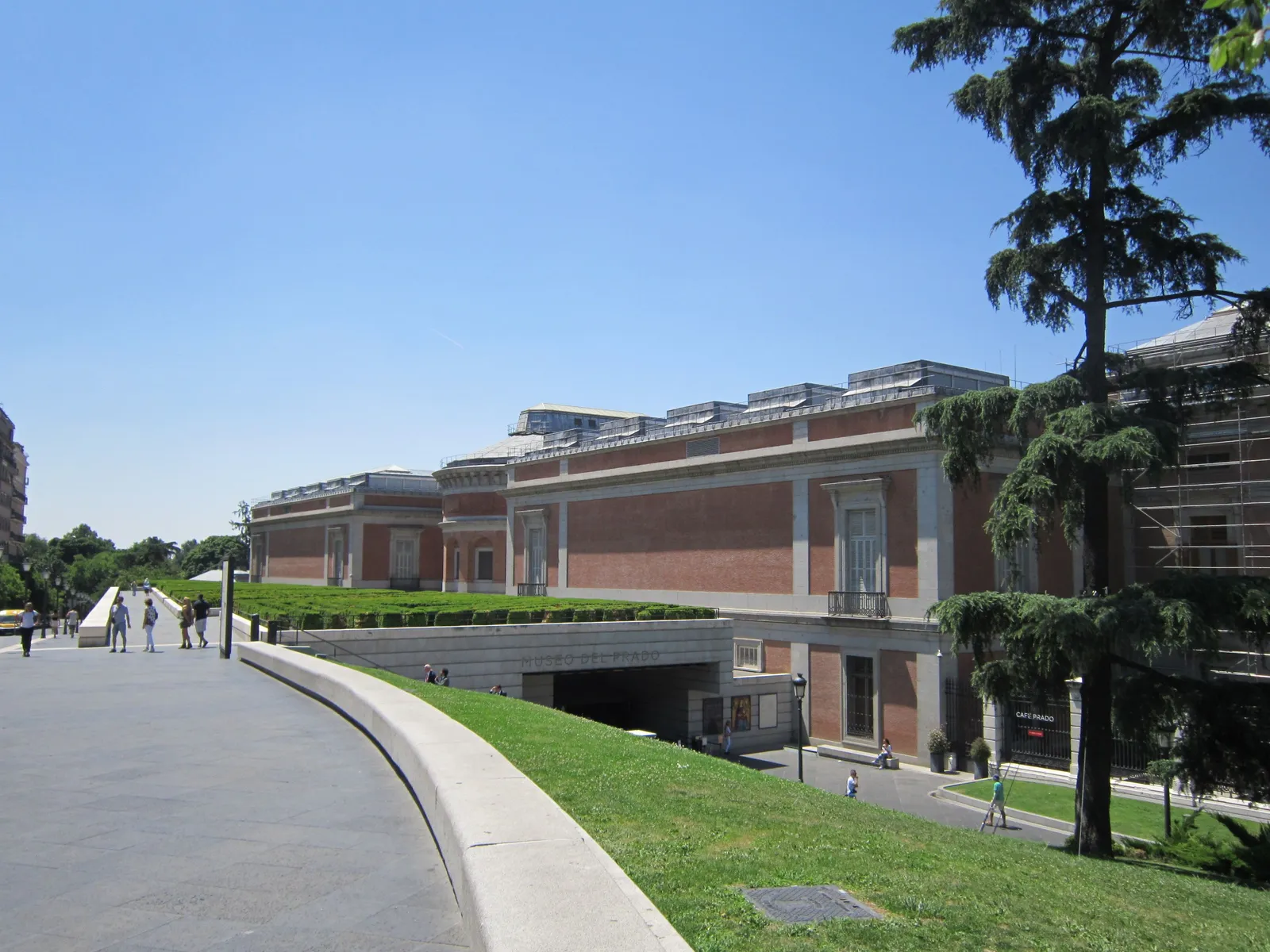
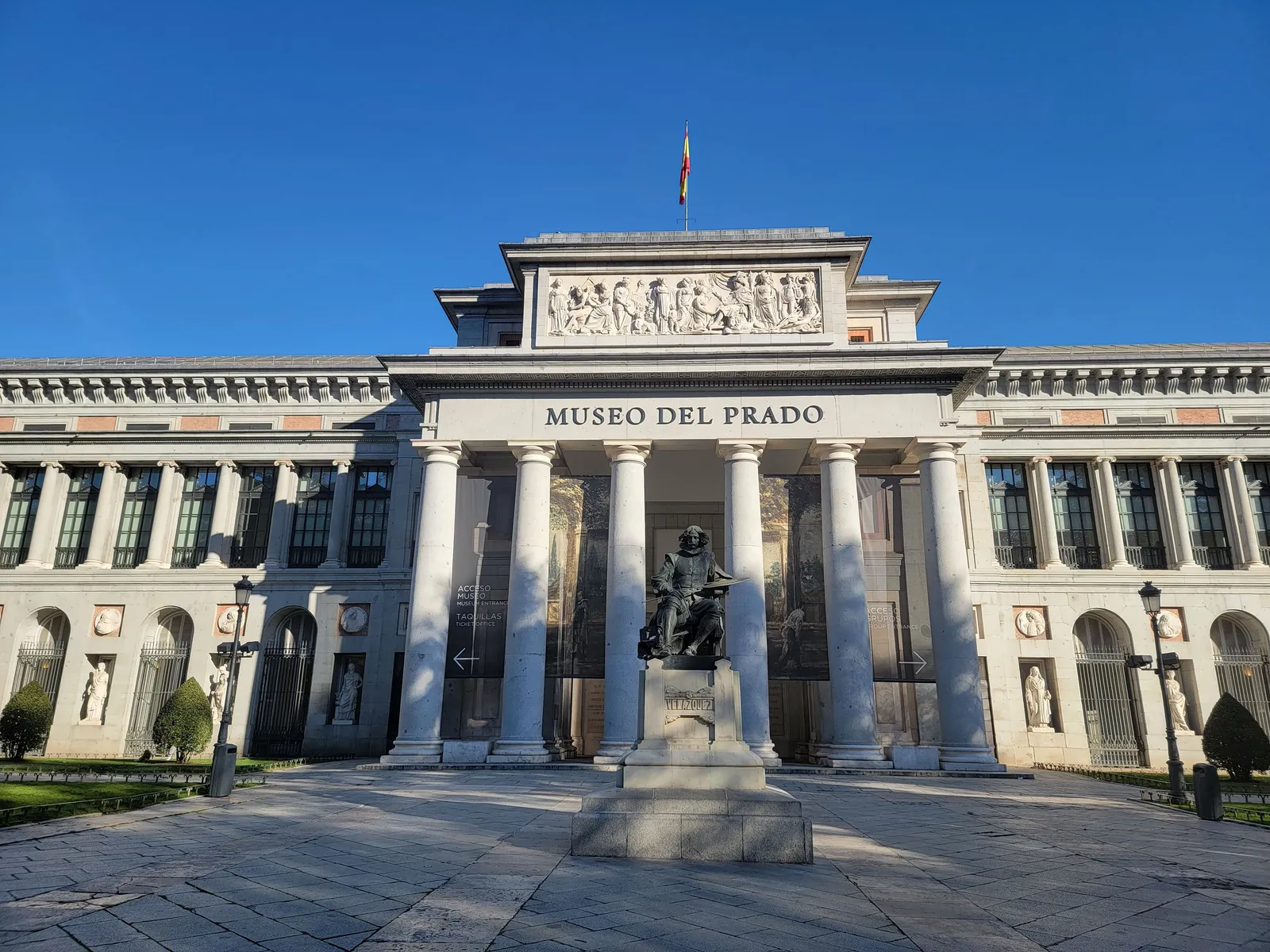
If you do one museum in Madrid, do the Prado. It holds the royal collection of Spain built over centuries, which means an unrivaled depth of old masters. Velázquez is the heart of it: stand in front of Las Meninas, the painting that has fascinated artists for 350 years, and you understand why the museum exists. Then there is Goya, from his sunlit court portraits to the nightmarish Black Paintings, El Greco’s stretched, spiritual figures, and rooms of Flemish and Italian masters, Bosch’s Garden of Earthly Delights among them.
The building is vast, and the mistake is trying to see it all. Pick a focus, Velázquez and Goya are the obvious one, and give it two to three hours. Grab a map at the entrance or take a guide, because the layout rewards a plan. Book a timed slot in high season; the best morning entries fill up. The museum also opens free for the last couple of hours of the day on most days, with a shorter and earlier slot on Sundays and public holidays, though temporary exhibitions are usually discounted rather than free. Hours change and the queue is real, so confirm current times before you rely on it, and get there before the doors open if you do.
The Reina Sofía: modern Spain and Guernica
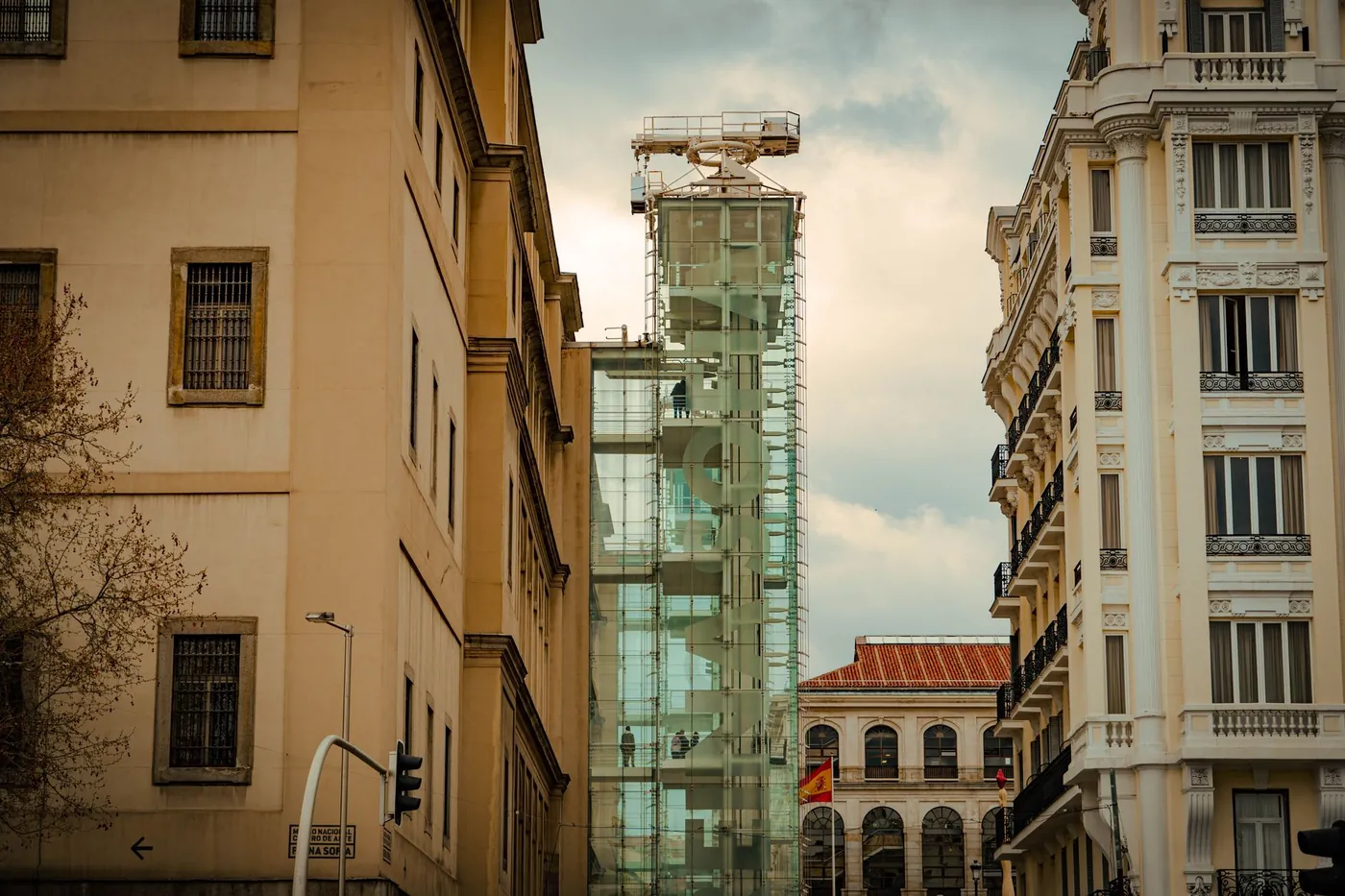
A few minutes south, the Reina Sofía picks up where the Prado leaves off. It is Spain’s museum of modern and contemporary art, housed in a converted hospital with glass lifts bolted to the outside. The reason most people come is a single room: Picasso’s Guernica, his huge, howling response to the bombing of a Basque town in 1937. Photographs do not prepare you for the scale or the force of it.
Around it sits the best of twentieth-century Spanish art: Dalí, Miró and the surrealists, alongside changing shows of contemporary work. It is a calmer, more contemplative visit than the Prado. Note that it closes on Tuesdays, which catches out plenty of visitors, and that it too opens free in the evening on the days it does open, plus a short slot around midday on Sundays. Confirm the current schedule before you count on it.
The Thyssen-Bornemisza: the missing pieces
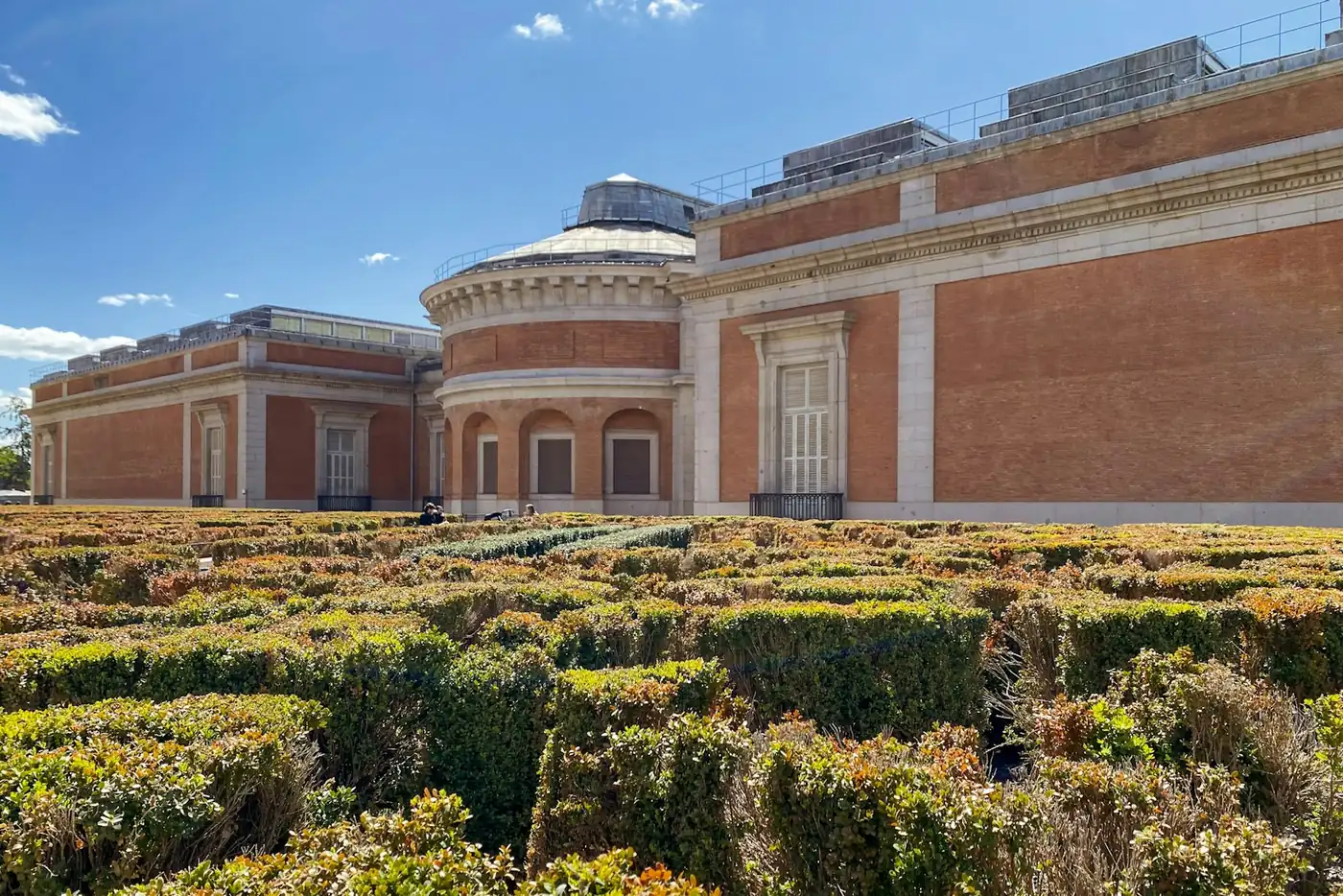
The Thyssen completes the set by filling every gap the other two leave. Built from a single family’s private collection, it runs chronologically from early Italian and Flemish panels through the Impressionists, the Expressionists and on to American Pop, with names the state collections lack: a Caravaggio, Van Goghs, a Hopper, a Rothko. If the Prado is Spanish genius and the Reina Sofía is Spanish modernity, the Thyssen is the rest of Western art in one well-edited afternoon.
It is the most manageable of the three, and a good choice if you want breadth without exhaustion. Start at the top floor with the oldest works and walk down through the centuries.
The Thyssen also breaks the pattern on free entry, so read this bit twice if you are counting pennies: its free window is on Monday afternoons, not in the evening like its neighbours, and it covers the permanent collection only, not the temporary shows. Plenty of itineraries get built on the assumption that all three museums are free at the same time of day. They are not.
See the Golden Triangle without the queuesTimed tickets and expert-led tours for all three museumsHow to plan the art day
The single best piece of advice is do not attempt all three in one push. Two museums in a day is plenty; three is a slog that leaves you remembering nothing. A comfortable plan is the Prado on one morning, then the Reina Sofía or the Thyssen on another, with lunch and a walk in between.
If you are set on all three, the combined Paseo del Arte ticket bundles them at a discount and lets you spread the visits across several days. Go early to beat the tour groups, or aim for the free hours if you do not mind crowds. If free entry is the plan, Monday is the day that stacks best, since the Thyssen opens free in the afternoon and the other two follow later on, but confirm every time on the museums’ own sites first, and remember the Reina Sofía shuts on Tuesdays. Between museums, the Paseo del Prado and the neighbouring Retiro Park give you air, greenery and a bench to recover on.
Where the museums sit, and where to stay
All three cluster at the eastern edge of the center, along the Paseo del Prado, with Retiro Park just behind them. Staying in Huertas or the Barrio de las Letras, the old literary quarter between Sol and the museums, puts you within a ten-minute walk of every gallery and a short stroll from the tapas streets.
Doing the Prado properly
The Prado is the one museum here that punishes an unplanned visit, simply because of its size, and the fix is to arrive with a route rather than an intention.
The reliable approach is one narrative, not one building. Velazquez and Goya together tell the story of Spanish court painting from its height to its collapse, and following that line takes two to three hours and leaves you with something you will remember. Adding Bosch, El Greco and the Flemish rooms turns it into most of a day, which is a legitimate choice but a different one.
Two practical habits. Go at opening or in the last two hours, since the middle of the day is when tour groups and school parties concentrate. And take a map or a guide, because the labelling is sparse by modern standards and the layout is not chronological in the way visitors expect.
Decide before you walk in which rooms you are prioritising and how long you actually have, because the building will happily absorb an entire day and give you a blur in return.
Free hours, and how not to get caught out
The free-entry windows are genuinely generous and they are also where most itineraries go wrong, because the three museums do not share a schedule.
The pattern to hold in your head: the Prado and the Reina Sofia open free at the end of the day, and the Thyssen breaks the pattern with a Monday afternoon slot covering the permanent collection only. On top of that, the Reina Sofia closes on Tuesdays, and Sunday slots are shorter and earlier at the museums that offer them.
Three things are worth knowing before you build a plan around free entry. The queues are real, so arriving before the slot opens is the difference between two hours and one. Temporary exhibitions are frequently excluded or merely discounted. And the times are adjusted from time to time, so the only source worth trusting is each museum’s own website close to your dates. In practice the free slot means joining the queue before it opens and seeing one narrative rather than the whole collection, which is still a good use of an evening.
The practical side of a museum day
Small logistics decide whether two museums in a day is a pleasure or an endurance test.
Bags and coats go to the cloakroom at all three, and large rucksacks are not allowed into the galleries, which is a queue at the start and another at the end if you time it badly. Photography rules vary, and the most famous works are usually the ones where it is not allowed. Cafes exist at each museum and are convenient rather than good, which matters because lunch here is worth leaving the building for.
The other constraint is your own attention. Serious looking is tiring in a way that walking is not, and most people are finished after about two hours whatever they intended. Two museums with a real lunch and a walk between them is a good day; three in a row is a blur.
That lunch is not an afterthought, incidentally: the museums sit within a few minutes of some of the best eating in the centre, and our Madrid food and tapas guide covers what to order and when the city actually eats, which is later than most visitors plan for.
The other great interior
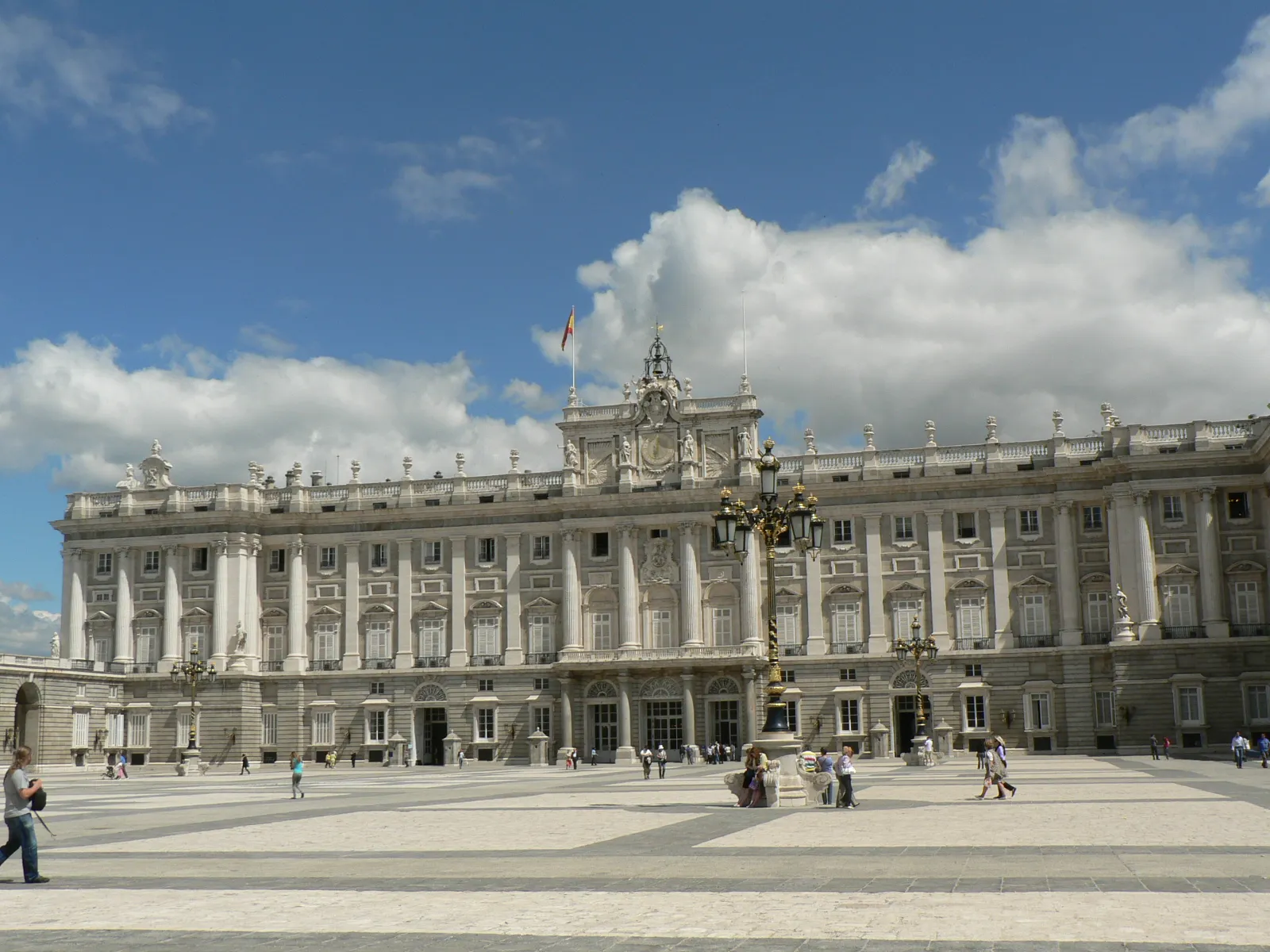
If two museums in a day is the limit, the natural third day is not a third gallery but the Royal Palace, at the opposite end of the old centre. It is the one large interior in Madrid that is not a picture collection: state rooms, a chapel and an armoury that converts people who thought they were done with ceilings. Our Royal Palace guide covers what to see, when to book and why it pairs with a long lunch rather than with the Prado.
Beyond the big three
If the Golden Triangle leaves you wanting more, Madrid has smaller gems that rarely see a queue. The Sorolla Museum, the painter’s own light-filled house and garden, is a serene hour away from the crowds. The Royal Academy of Fine Arts holds Goyas the Prado cannot fit. And the CaixaForum, with its vertical garden on the same boulevard, runs ambitious temporary shows in a striking building. None need to be booked far ahead, and all reward an unhurried visit.
The short version
Start with the Prado and give it a focus rather than trying to see everything. Add the Reina Sofía for Guernica and modern Spain, or the Thyssen for the wider sweep of Western art, but never cram all three into a single day. Book timed entry in high season, check each museum’s own free hours before you count on them (they do not match, and the Thyssen’s falls on Monday afternoons), and leave time to sit in the park between galleries. Do that, and Madrid’s museums become the highlight of the trip rather than the thing that wore you out.
The free periods deserve their own read before you plan an evening around one, because they are genuinely free, genuinely busy, and the timetables change; our guide to the free hours covers what that period is actually like and when paying is the better trade.
One unglamorous note for a museum-heavy day: these are long days on hard floors in a city that gets extremely hot in summer, and the pharmacy is the first stop here for anything minor. Our guide to emergency numbers and medical help in Madrid covers how that works and what a European health card does and does not cover.