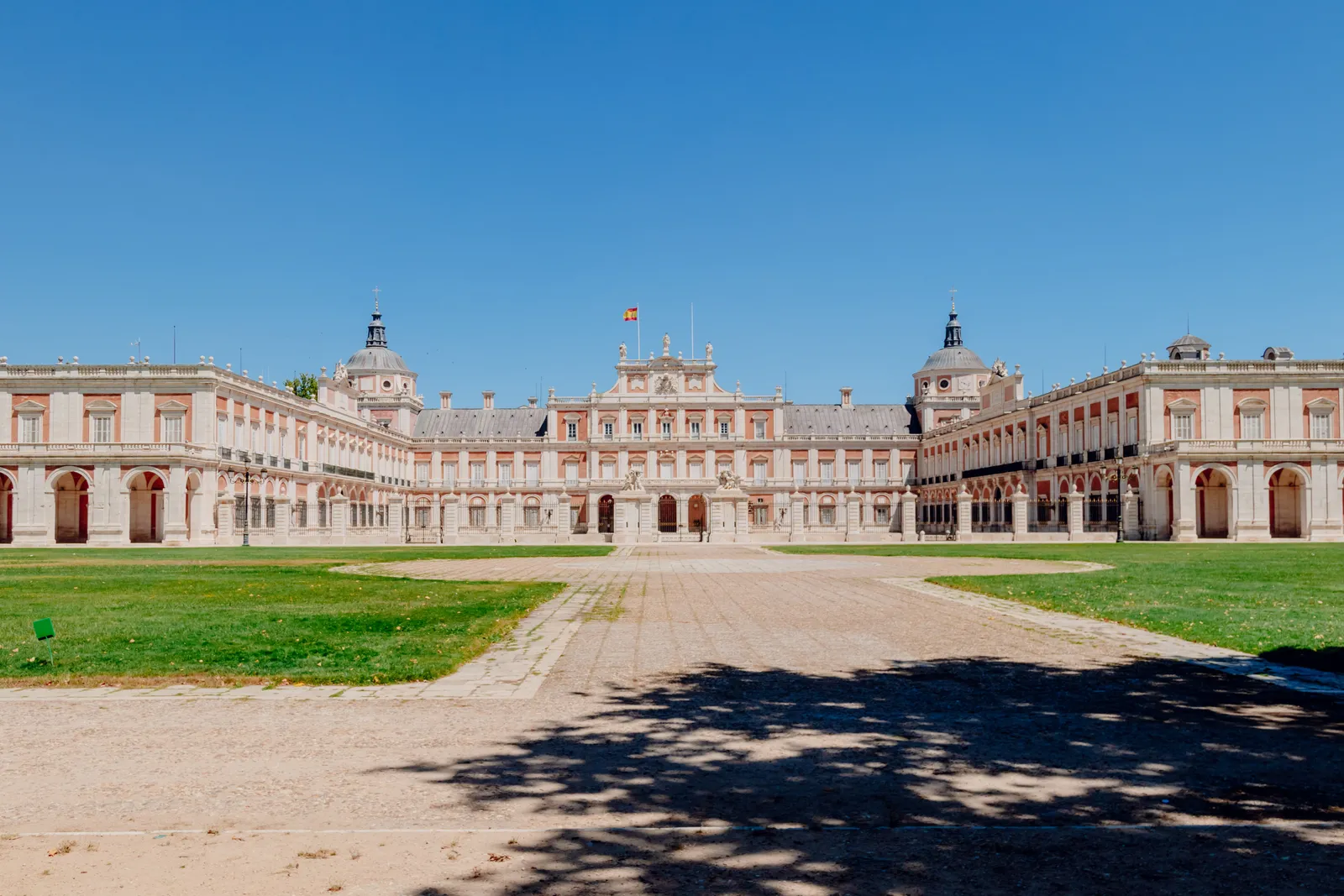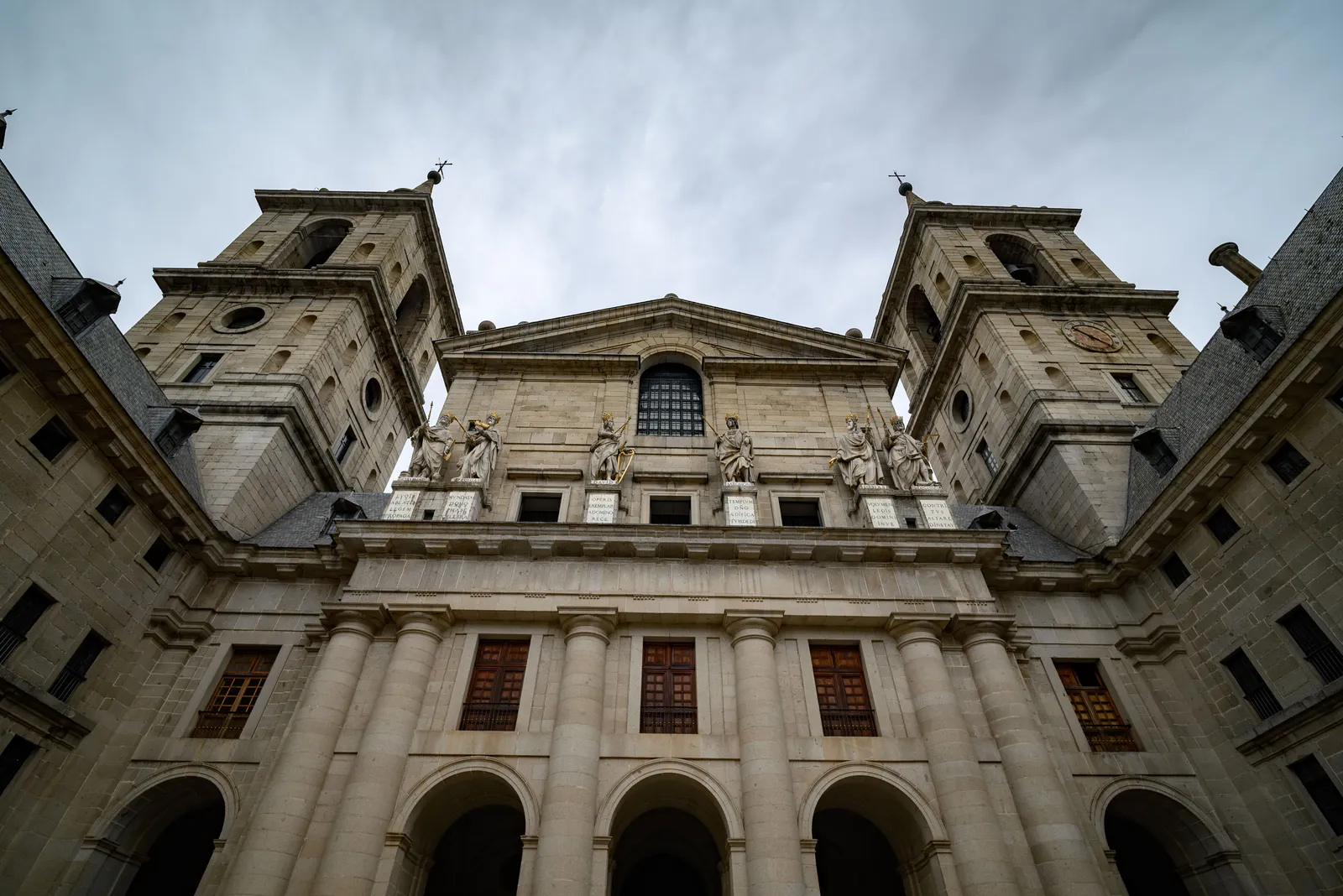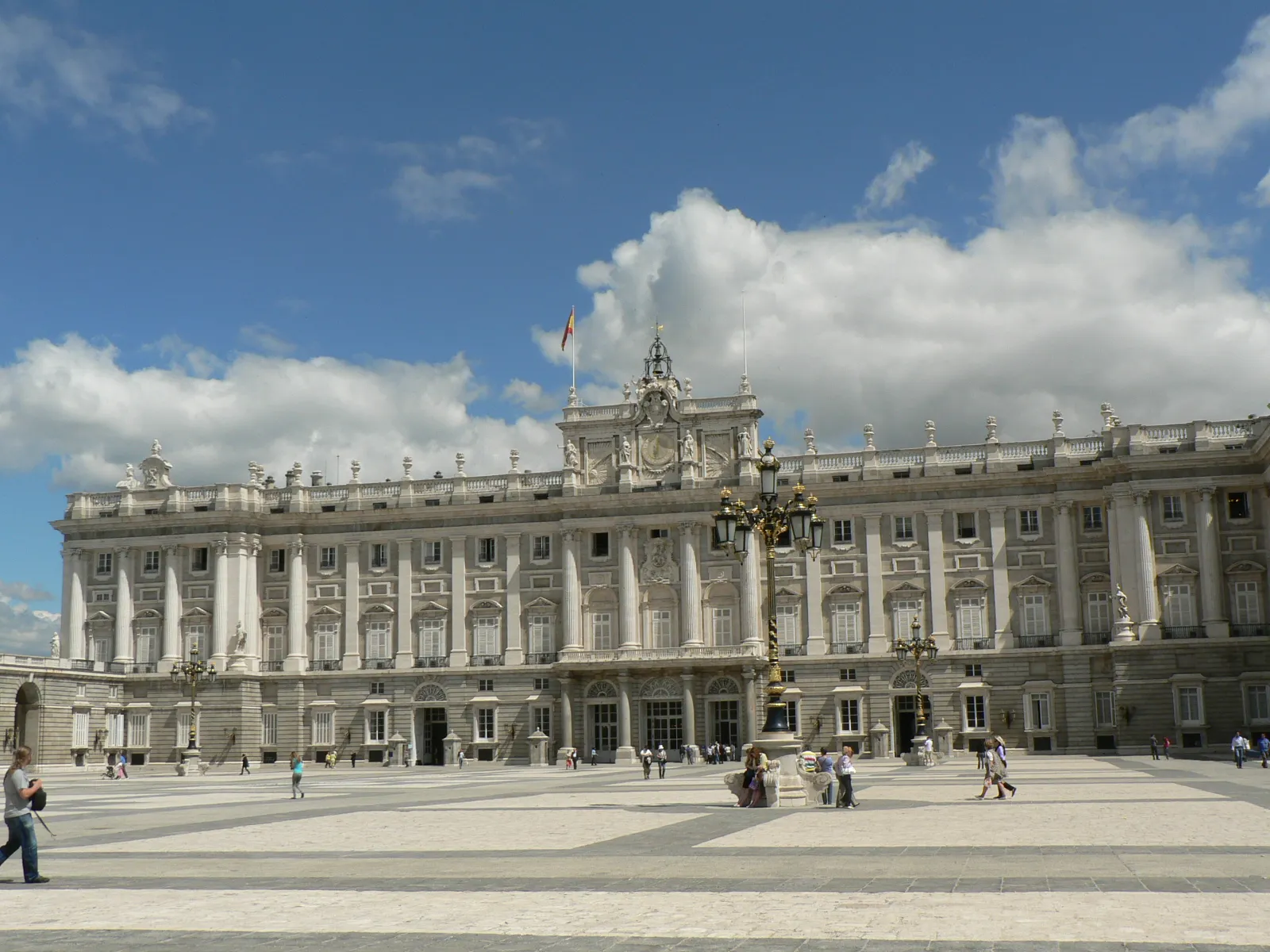
Madrid’s museums get the attention, and then people walk into the Royal Palace and go quiet. It is the largest functioning royal palace in western Europe by floor area, built on the site of the old Moorish fortress that gave the city its start, and its state rooms are extravagant in a way that photographs consistently fail to convey. It is also, unusually for a headline sight, easy to visit well: one ticket, one route, about two hours. Here is how to spend them.
What the building actually is
The palace stands where Madrid began, on the bluff above the river where a Moorish fortress and later the Habsburg royal residence stood until fire destroyed it. What replaced it, in the eighteenth century, was a deliberate statement: a vast, symmetrical, stone-faced block designed to say that the new dynasty had arrived and intended to stay.
Two facts shape a visit. First, it is still an official royal residence in function rather than in daily use, which is why it closes at short notice for state occasions. Second, it is enormous, with a room count in the thousands, of which you will see a carefully chosen sequence. Nobody sees the palace; you see the route.
That is not a limitation, it is the design. The route is one way, self-paced and takes in the rooms intended to impress visiting ambassadors, which is exactly the point.
The rooms worth slowing down for
Most visitors move too fast through the first half and run out of attention before the best of it. A few places deserve a genuine pause.
The main staircase sets the tone before you have seen a single room, and it is meant to. Look up.
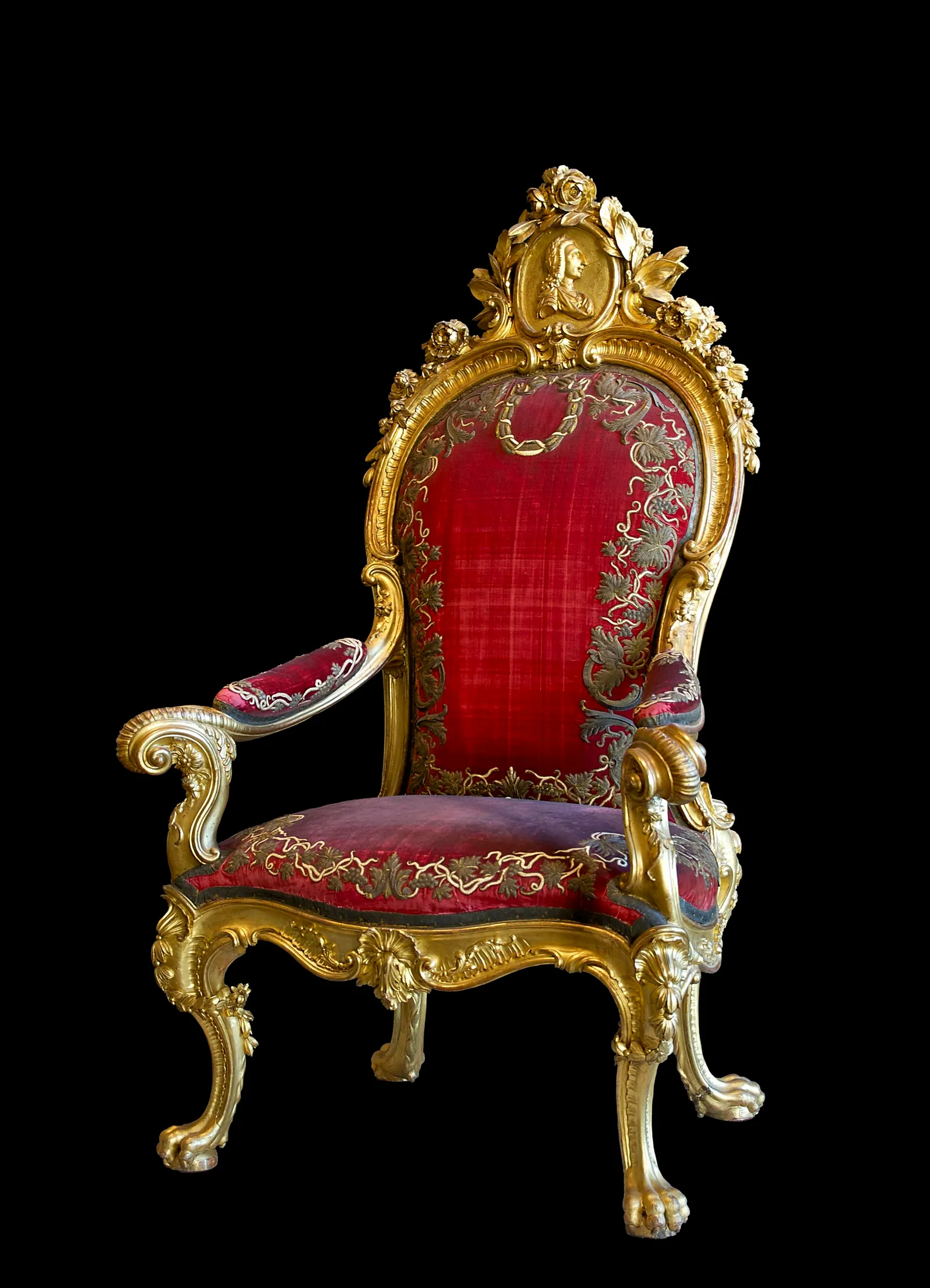
The Throne Room is the one people remember, less for the throne than for the ceiling above it, a swirling allegory of the Spanish monarchy painted by one of the great decorative painters of the age, and for the walls of crimson velvet that have not dated in two and a half centuries.
The Gasparini Room, a dizzying exercise in eighteenth-century chinoiserie, is the room where people stop talking. Ceiling, walls and floor were designed as one composition, and it is worth standing still in.
The Royal Chapel carries the palace’s musical history, including instruments of extraordinary rarity.
The Royal Armoury is the surprise. It is not an afterthought hall of dusty suits but one of the finest collections of its kind anywhere, with parade armour of Spanish monarchs, horse armour and weapons of real historical weight. Visitors who arrive bored by gilt leave impressed by this, and children almost always prefer it to everything else in the building.
Tickets, timing and the queue
The practical layer is simple, with three things worth knowing.
Book a timed slot in high season. The queue forms outside on an open forecourt with no shade, which is unpleasant in summer and cold in winter. Outside peak months, a walk-up first thing is usually fine.
Buy from the official heritage site, not from a reseller charging a markup for the same ticket.
Expect closures. The palace shuts at short notice for state ceremonies, and that is the one risk no ticket protects against, so check the official page the day before rather than the week before.
There are reduced-price and free-entry windows for certain visitors and at certain hours, and the queue at those times is correspondingly long. The exact conditions change, so confirm on the official site rather than trusting a figure in an article.
Go early in the day if you can. The route is one way, the first hour is the calmest, and the light through the state room windows in the morning is genuinely better.
The changing of the guard
Two ceremonies happen outside, and both are free to watch.
The weekly changing of the guard is the smaller, more frequent version, a relief of the sentries at the palace gates that takes a few minutes and is easy to catch if you time your arrival.
The monthly solemn ceremony is the full production, with mounted troops, uniforms drawn from historical patterns and a considerably larger crowd. It is genuinely worth planning a visit around if the dates align.
Both are subject to weather and state occasions and the schedule shifts seasonally, so check the official site for the specific week rather than relying on a fixed day of the week you read somewhere. Arrive early for the monthly one and stand on the courtyard side.
What to see next door
The palace sits in a cluster of things worth an hour each, which is what turns a two-hour visit into a satisfying half day.
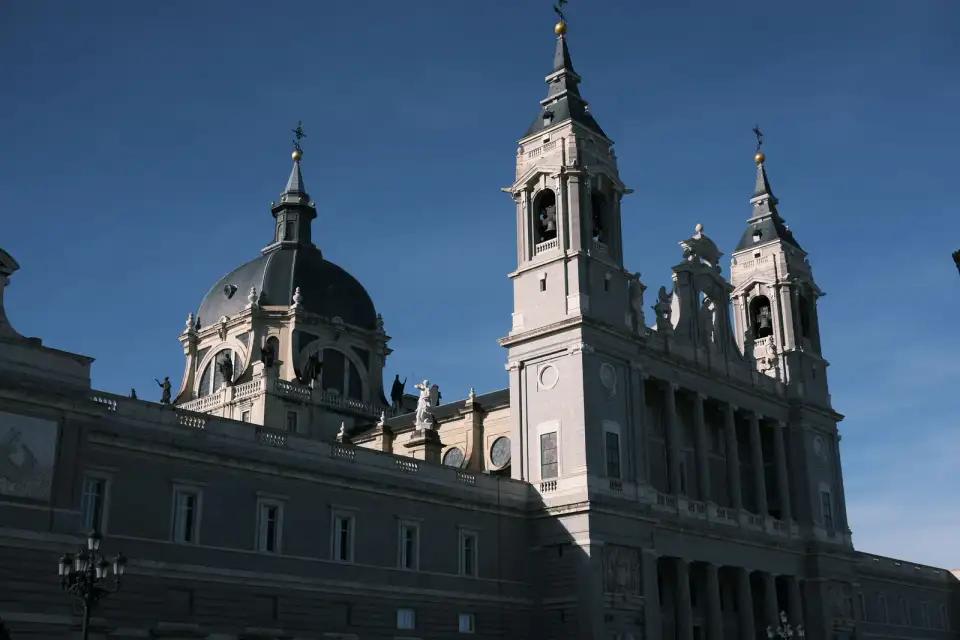
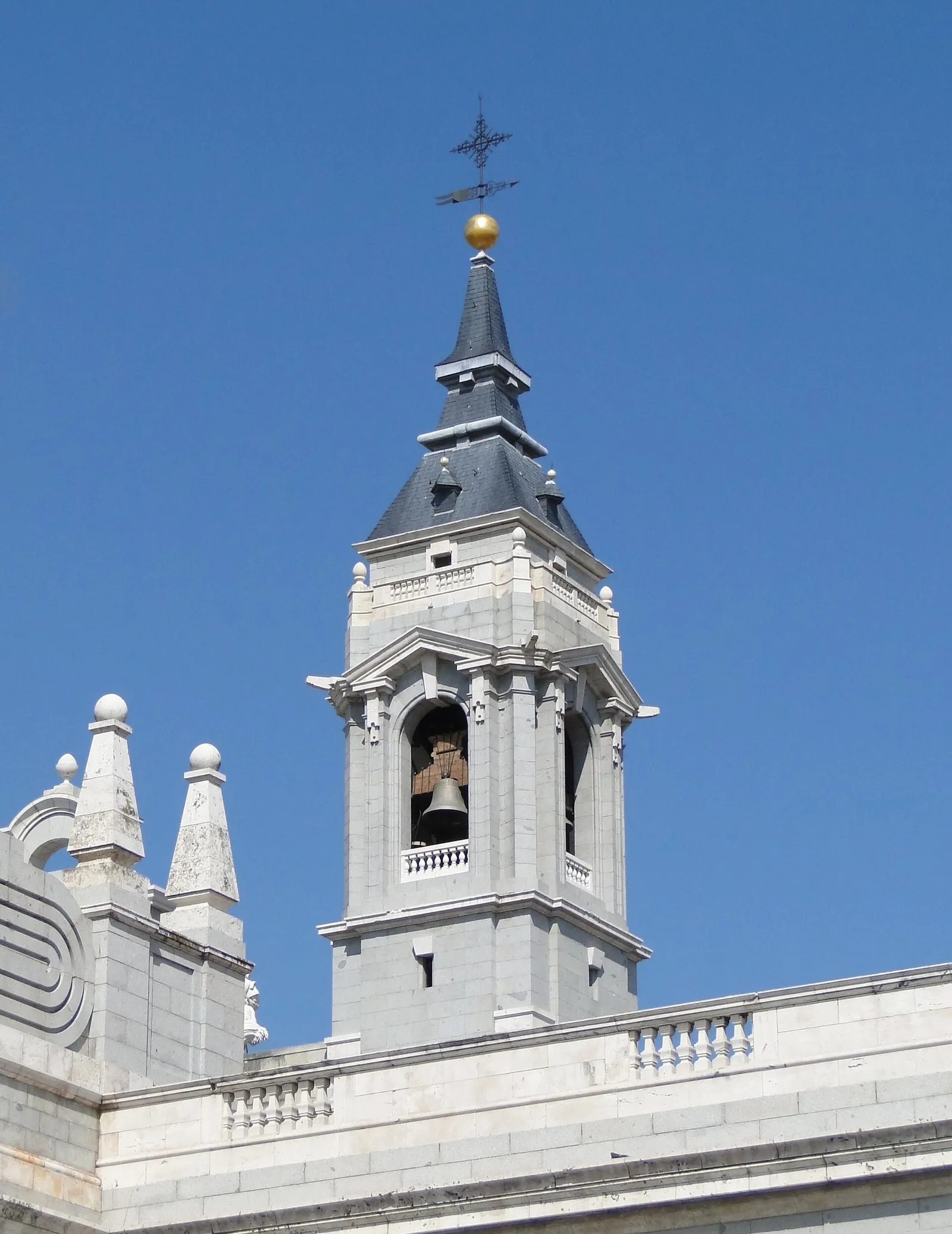
The Almudena Cathedral faces the palace across the square and is a genuine oddity: begun in the nineteenth century and only completed and consecrated within living memory, with a neo-Gothic interior painted in bold, almost startling colour that divides opinion sharply. It is quick, cheap and worth the ten minutes.
The gardens are the best-kept secret here. The terraced Sabatini gardens on the north side and the larger Campo del Moro below the west facade are free, usually quiet, and the right place to sit after two hours of standing. The view of the palace from below in Campo del Moro is the one that makes the scale obvious.
The old Habsburg quarter is a short walk east: the arcaded main square, the medieval town square beside it, and the lanes that fill with tapas bars in the evening.
Fitting it into a Madrid day
The palace pairs badly with a museum and beautifully with a walk and a long lunch.
Do not put it on the same day as the Prado. Two large, demanding interiors back to back produce the same glazed exhaustion that ruins art days, and our Golden Triangle guide makes the same argument about the museums themselves: one major indoor thing per day is the rule that keeps Madrid enjoyable.
Do put it before lunch. The palace sits at the western edge of the old centre, which means you finish a morning visit within a few minutes’ walk of some of the best eating in the city, exactly when the city is sitting down to its main meal. Our food and tapas guide covers where to go and, more importantly, at what hour, because Madrid eats later than most visitors expect.
For a first visit, the palace, the cathedral, the gardens and a long lunch in the old quarter make one of the most satisfying days the city offers, and our first-time guide to Madrid sets out how that day fits with everything else worth doing.
The practical layer inside
Small logistics decide whether two hours in a palace is a pleasure or an endurance test.
Security is airport style at the entrance, and large bags go to a cloakroom rather than around the route with you. Travelling light through the visit is genuinely more comfortable.
There is limited seating along a one-way route that covers a considerable distance on hard floors. Anyone who tires easily should plan a slower pace rather than a shorter one, and take the pauses where the benches are.
The interior is cool year round, which is a blessing in August and a surprise in winter, when the forecourt queue and the state rooms are both cold.
There is no re-entry once you complete the route, so do the armoury on the way rather than intending to come back to it.
Audio guides and printed plans are available and worth taking, because the labelling is sparse by modern museum standards and the rooms reward knowing what you are looking at.
The short version
Book a timed slot in high season and buy from the official site, go early, and allow two hours for the state rooms plus another for the armoury, which is the part that surprises everyone. Pause properly at the staircase, the Throne Room and the Gasparini Room rather than photographing your way through. Check the guard-changing schedule for your week, and finish in the free gardens below the west facade before walking east into the old quarter for a very late lunch.
Two notes for fitting it into a short trip. The palace pairs naturally with a first day of walking old Madrid rather than with a museum day, which is a genuinely different kind of tiring; our four-day Madrid itinerary puts them on separate days for that reason. And the palace stands at one end of the Austrias, the oldest quarter in the city, which is worth seeing as a single stretch on foot rather than as a separate errand; our walk from Gran Via to the Austrias joins it to the streets around it.