South of the centre, where the Manzanares river runs past neighbourhoods most visitors never reach, sits one of Madrid’s more unexpected cultural stops. Matadero Madrid was the city’s municipal slaughterhouse for most of the twentieth century, and the brick industrial halls that once processed livestock now hold theatre, contemporary art, design and film. It is a different pace of Madrid from the Gran Vía or the Reina Sofía, and worth a deliberate half day if you want to see how the city treats a piece of its industrial past.
From abattoir to arts centre
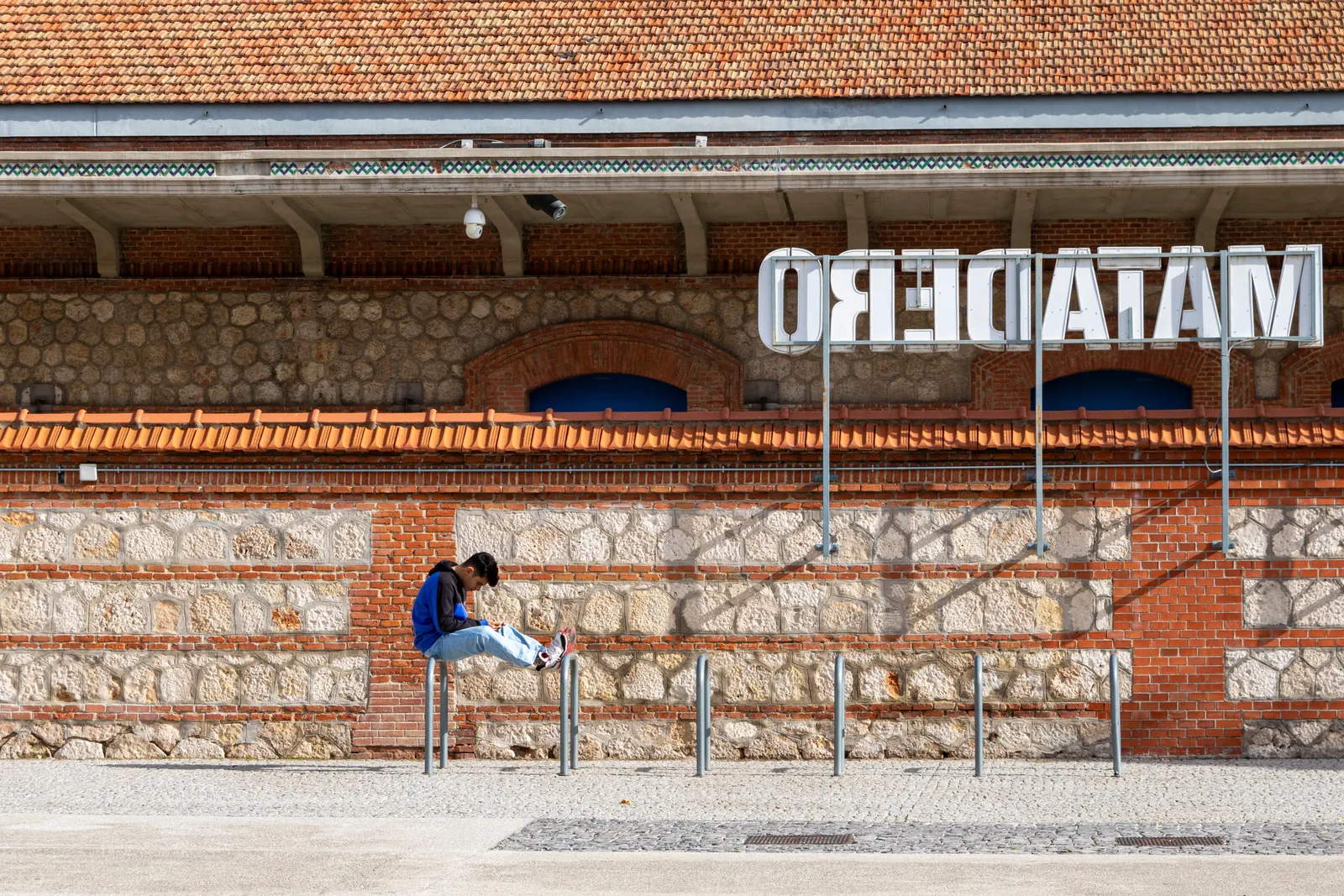
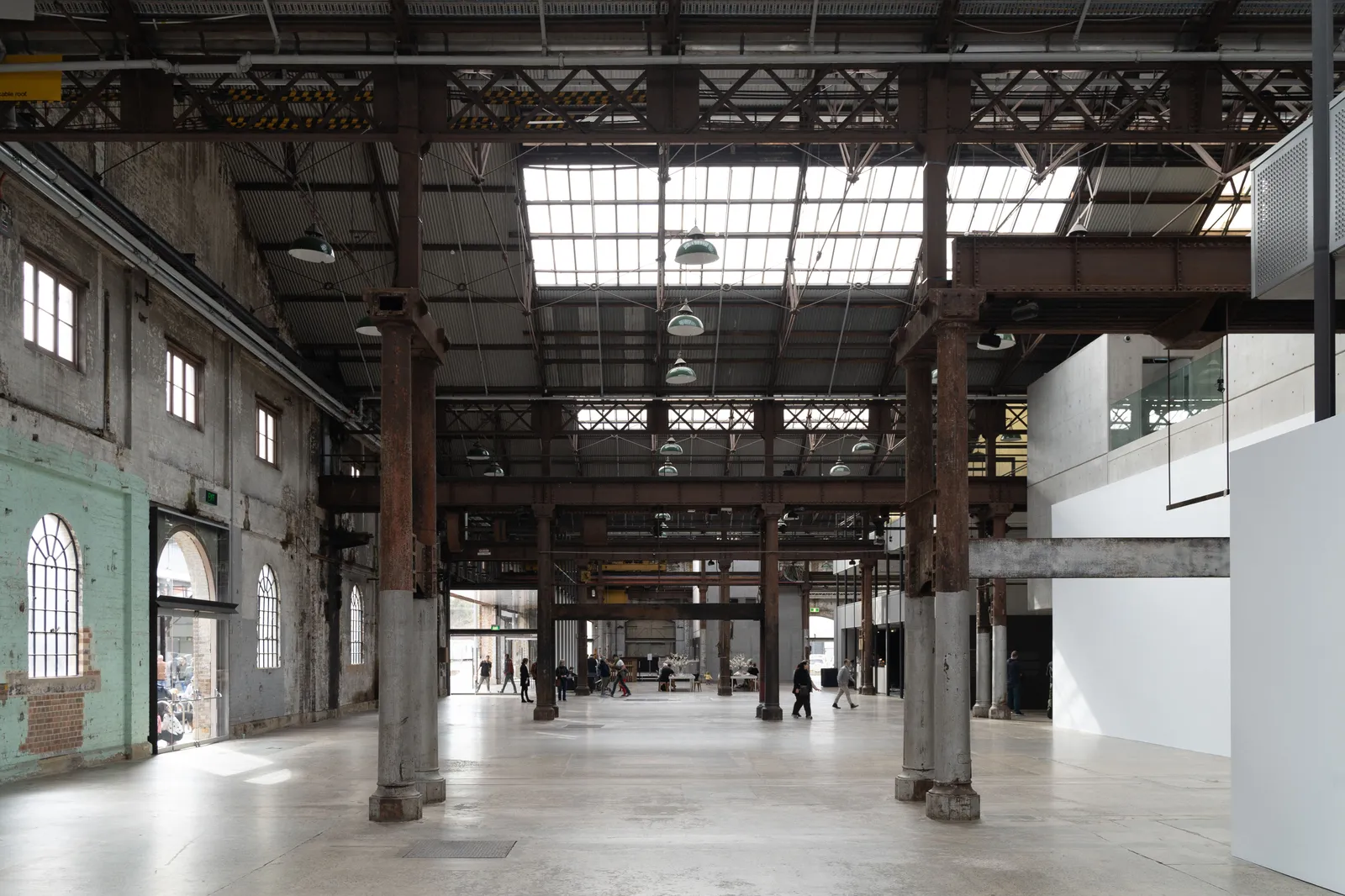
The complex was built in the early twentieth century as Madrid’s central livestock market and slaughterhouse, laid out across a large riverside site in a distinctive Neo-Mudejar brick style, with rounded arches and decorative brickwork that were unusually elaborate for a working industrial building. It functioned as the city’s main meat processing site for decades, until changing regulations and the site’s rising value as the city grew around it led to its closure.
Rather than demolish the buildings, Madrid converted them, hall by hall, into a public cultural centre, keeping the industrial brickwork, the high ceilings and the raw scale of the original structures largely intact. The result feels closer to a repurposed factory than a conventional museum, and that contrast between the building’s working past and its cultural present is a large part of what makes a visit interesting even before you see a single exhibition.
Theatre, art, design and film
Matadero runs a genuine cultural programme rather than a token one. Naves del Español, the site’s main theatre space, stages a full season of contemporary drama across the year. Several of the former industrial halls rotate through contemporary art and design exhibitions, with a focus on Spanish and international work that does not always find space in the city’s more traditional museums. A cinema on site focuses on independent and documentary film, often with programming tied to festivals or thematic seasons rather than mainstream releases.
Entry to the site and to most exhibition spaces is free, which makes it an easy stop to build into a day without needing to plan or book ahead. Individual theatre tickets, film screenings and some larger exhibitions do charge, so check what is on if there is a specific show you want to catch.
The plaza, the market and Madrid Río
At the heart of the complex sits a large open plaza, used through the week for markets, outdoor screenings, food stalls and events, and simply as a place to sit outside with a coffee between exhibitions. A food hall on site adds a more straightforward reason to stop, with a mix of stalls that skew towards a younger, more local crowd than the tourist restaurants in the centre.
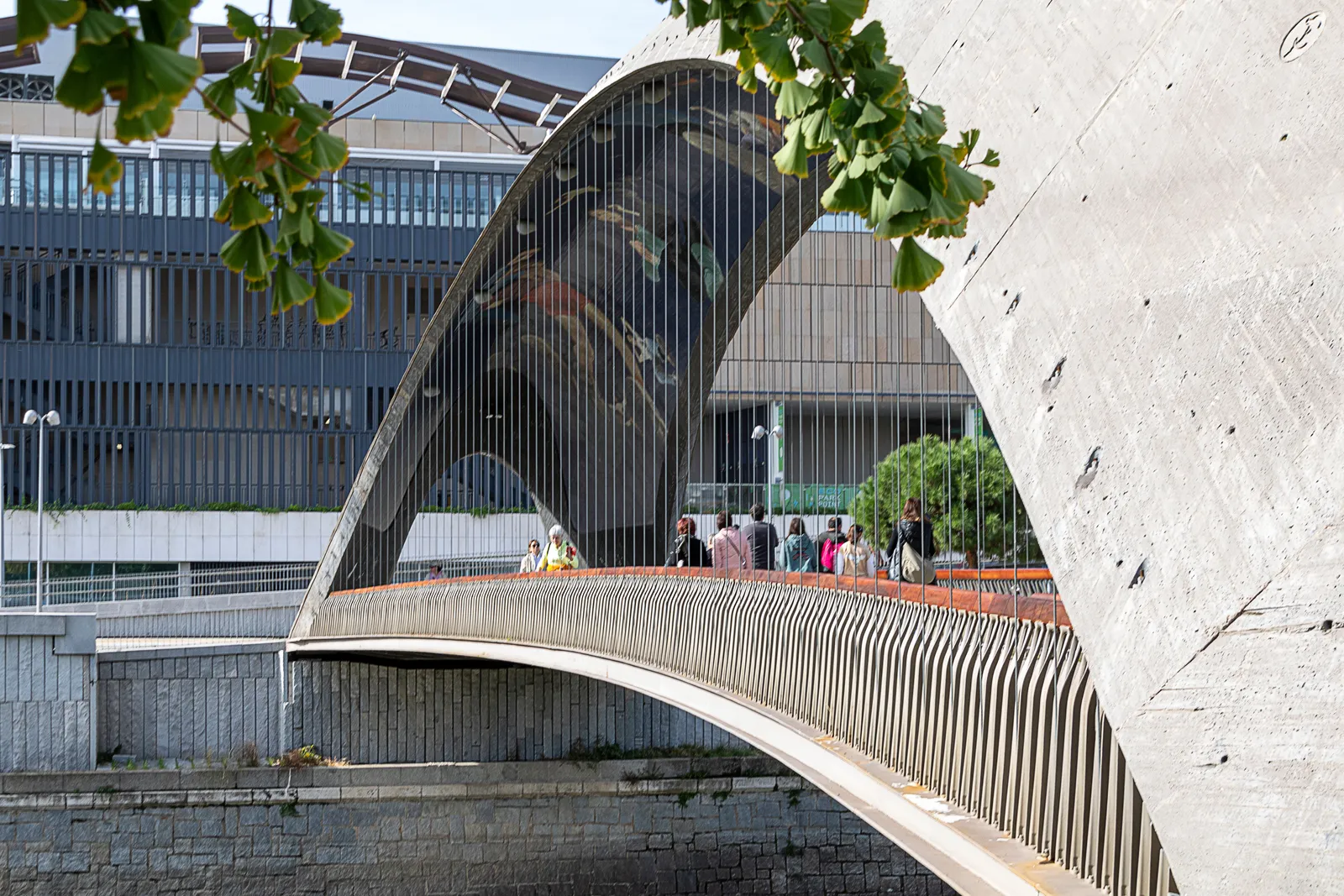
Just beyond Matadero runs Madrid Río, the long riverside park built over what used to be a sunken stretch of motorway along the Manzanares. It is flat, shaded in long stretches, and popular with local runners and cyclists rather than tour groups, and it makes for an easy, pleasant walk either side of a visit to Matadero if you want to extend the afternoon along the water.
See Madrid beyond the postcard centreLocal guided tours covering Matadero, Madrid Rio and ArganzuelaArganzuela, the neighbourhood around it
Matadero sits in Arganzuela, a mostly residential district that grew up around the old rail yards and industrial sites along the river, without the density of tourists that fills the streets near the Plaza Mayor or Gran Vía. It is not a neighbourhood built for sightseeing in the conventional sense, and that is part of its appeal: cafes and bars here serve a local crowd rather than a visiting one, and prices tend to sit a little lower than in the centre.
For anyone who has already spent a couple of days working through Madrid’s main sights, Arganzuela and Matadero offer a genuinely different read on the city, closer to how residents actually use it than to the version most itineraries cover.
Getting there
Legazpi metro station sits on the site’s doorstep, with a short walk from the exit straight to the entrance, and it is the simplest way to reach Matadero from anywhere in the centre. The district sits south of the historic core, further out than most first time visitors venture on foot, so it is worth treating as a deliberate destination rather than something to stumble on during a walk through the older streets.
Combining the visit with a walk along Madrid Río, in either direction, is an easy way to turn a single stop into a fuller half day away from the crowds of the centre.
The short version
Matadero Madrid is a former slaughterhouse turned genuine cultural centre: theatre, contemporary art, design and independent film inside converted industrial halls, with a free plaza and food hall at the centre of it. Take the metro to Legazpi, check the programme if a specific show or exhibition matters to you, and build in time for a walk along Madrid Río either side. It is a different pace of Madrid from the centre, and a rewarding one if you have already covered the main sights.
Making an evening of it
Matadero runs later than most cultural venues and sits beside the river park, which makes it an unusually good early-evening stop rather than a daytime one.
From there the city divides: the riverside walk north, or into the centre for the rest of the night. Our guide to Madrid nightlife covers where that goes, and the short version is that whatever time you think is late here, it is not.