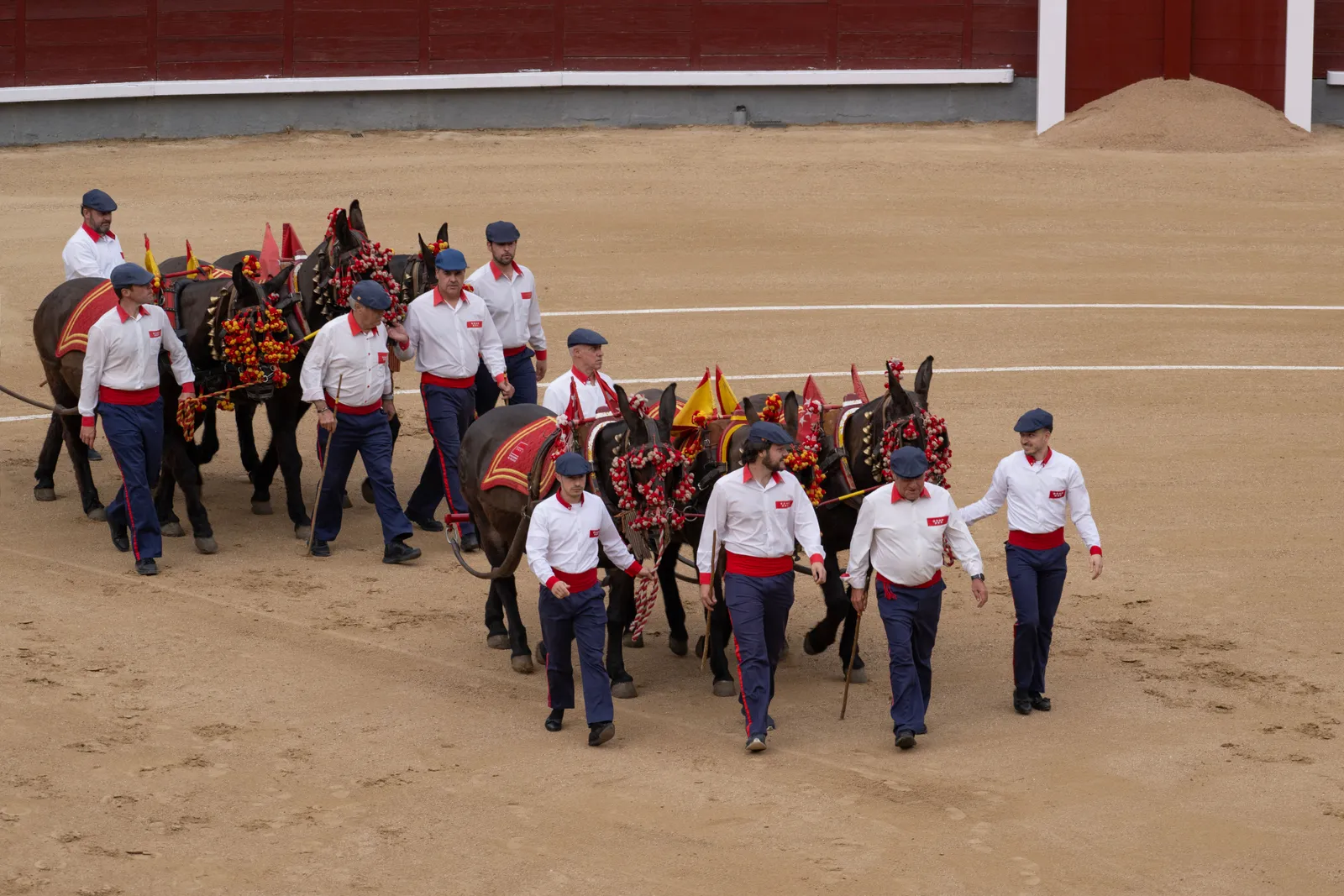
Once a year, in the middle of May, a large number of Madrid families put on clothes that would look like costume anywhere else and go to a meadow. The men wear waistcoats, flat caps and neckerchiefs. The women wear fitted polka dot dresses, shawls and white headscarves with a carnation pinned in. They dance the chotis, which is a slow shuffling dance done on the spot, buy wafer rolls from a man with a round tin, and treat the whole thing with complete seriousness and no self consciousness at all. This is San Isidro, and it is the most likeable thing that happens in this city.
What San Isidro actually involves
The meadow, on the south western edge of the city, which is where the traditional part happens.
The chotis, danced by couples on the spot, which anyone can watch and nobody expects you to attempt.
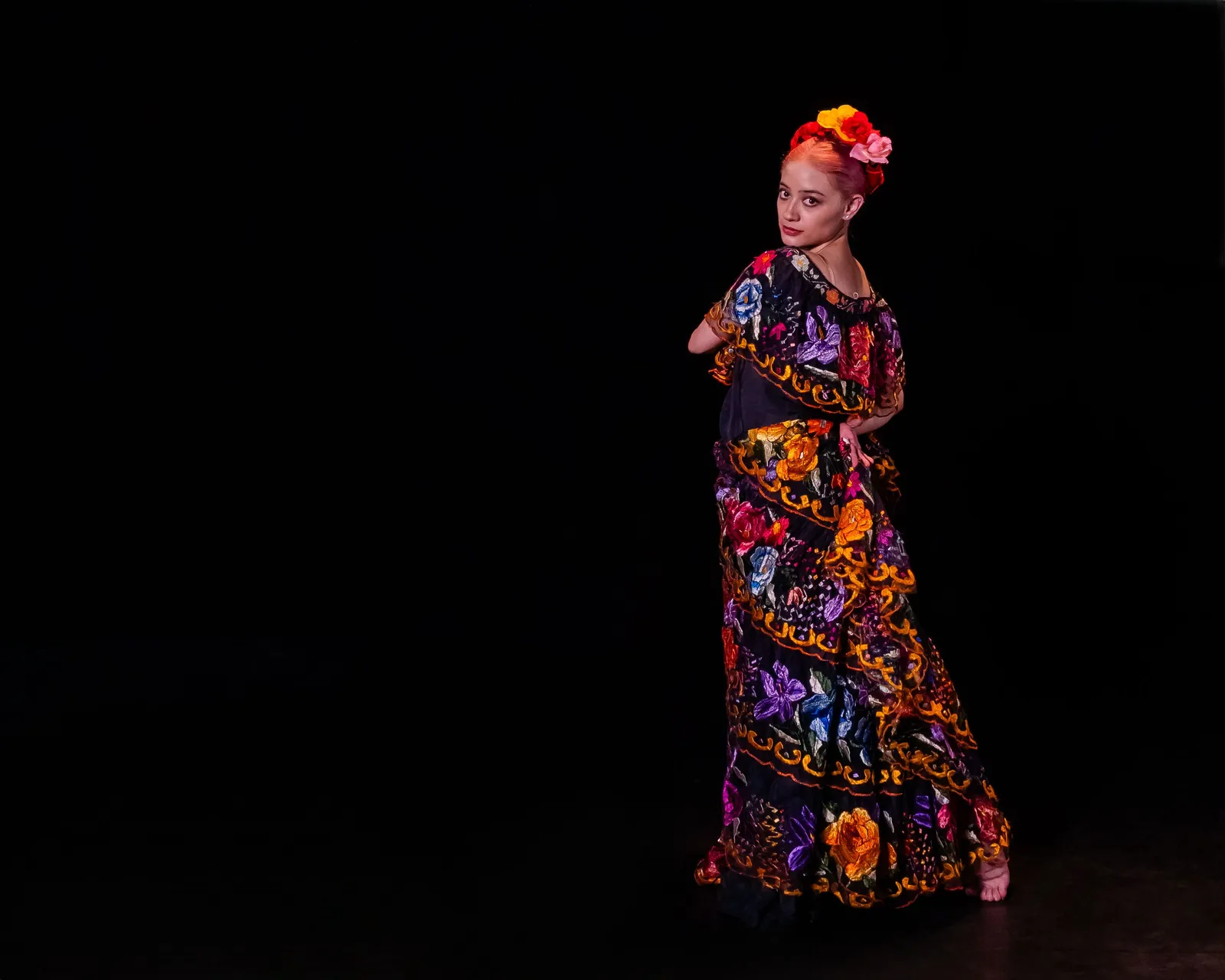
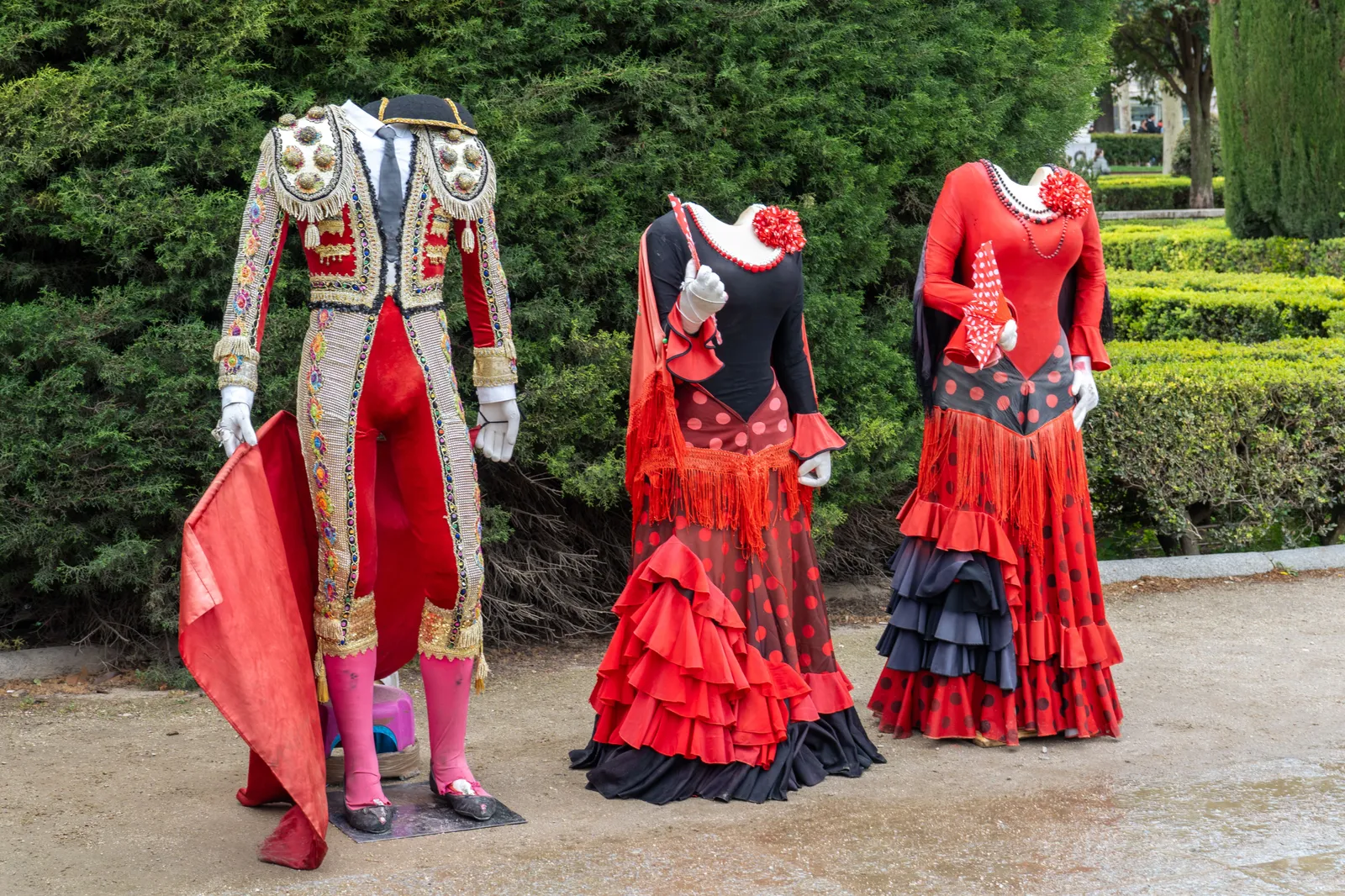
Chulapo and chulapa dress, Madrid’s own costume rather than an Andalusian import.
Free concerts across several days in squares and parks, programmed by the city.
Rosquillas and barquillos, the ring biscuits and rolled wafers that belong to this festival.
A public holiday in Madrid, which changes shop and transport hours.
The rest of the calendar
Carnival, in late winter, with parades and a good deal of costume.
Dos de Mayo, in early May, centred on Malasana, which commemorates an uprising and is now largely a street party.
The summer arts programme, through July and August, with outdoor concerts, cinema and theatre.
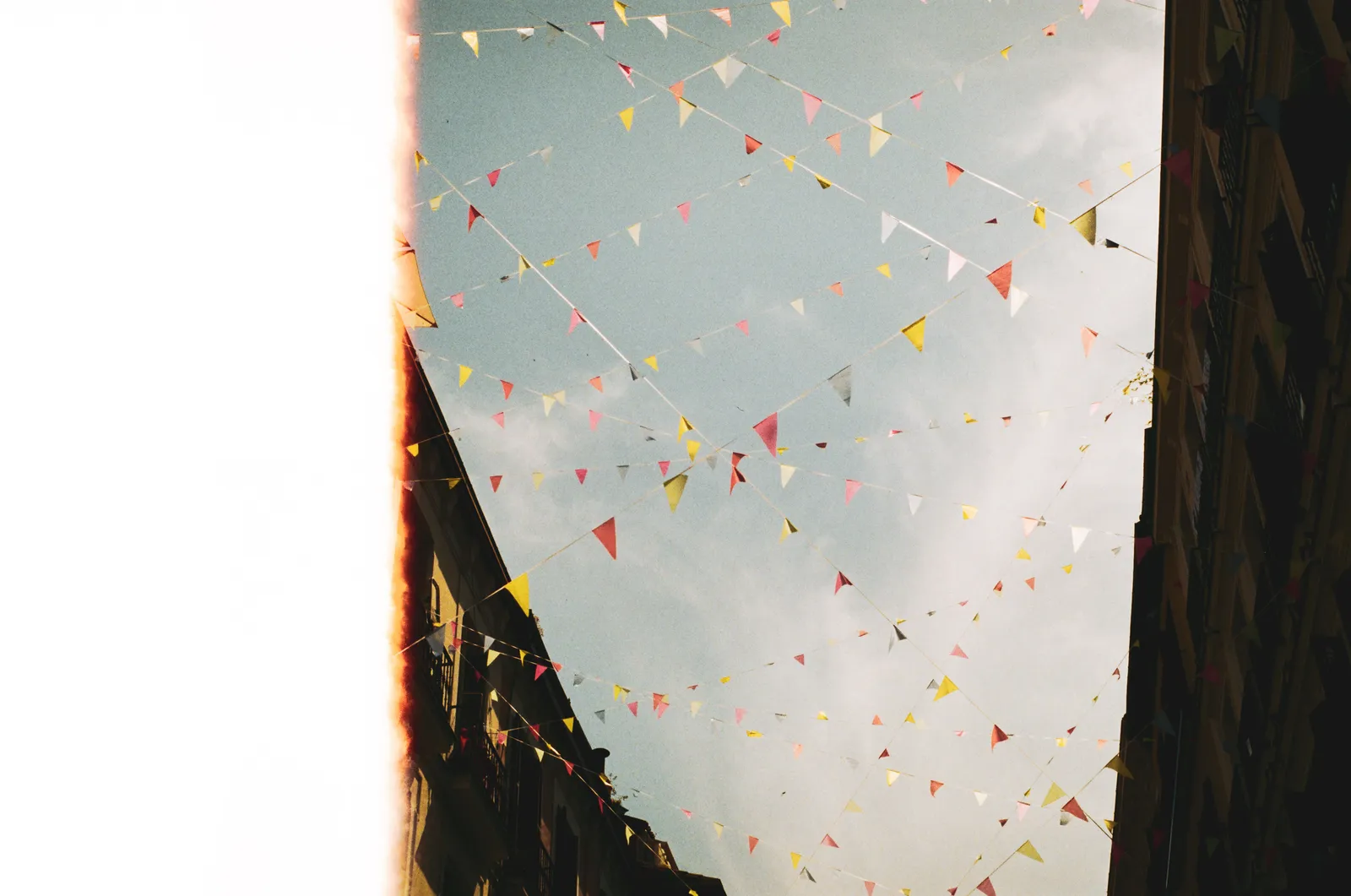
The August neighbourhood festivals, a chain of them in the old quarter, which are the best free thing in the city all year.
Autumn arts season, when the theatres and the concert halls restart.
New Year, in the central square, which is enormous, televised and genuinely hard work.
Practical notes
Programmes are published by the city each year and are the only reliable source for dates and venues.
Public holidays in Madrid change shop, museum and transport hours; check before you plan a holiday day.
Free concerts fill early for the well known acts and are otherwise easy to walk into.
The meadow is reachable on the metro and is very busy in the afternoon.
Accommodation fills for the mid May days and the mid August festivals with Spanish visitors.
Pickpockets work festival crowds exactly as they work the shopping streets.
What to eat and drink at a festival
Rosquillas, the ring biscuits, in their several traditional varieties.
Barquillos, rolled wafers sold from a round tin, which is a Madrid street trade.
Beer and vermouth from the neighbourhood bar rather than the terrace, at a fraction of the price.
Bocadillos from a stand, which is what everybody around you is holding.
Water, especially in August, in quantity.
Where this fits in a Madrid trip
A festival is a reason to prefer one week over another rather than a reason to build a trip.
For deciding when to come and what each season delivers, our guide to the best time to visit Madrid covers the year.
For the art form that turns up free and outdoors during festival weeks, our guide to flamenco in Madrid covers the paid version too.
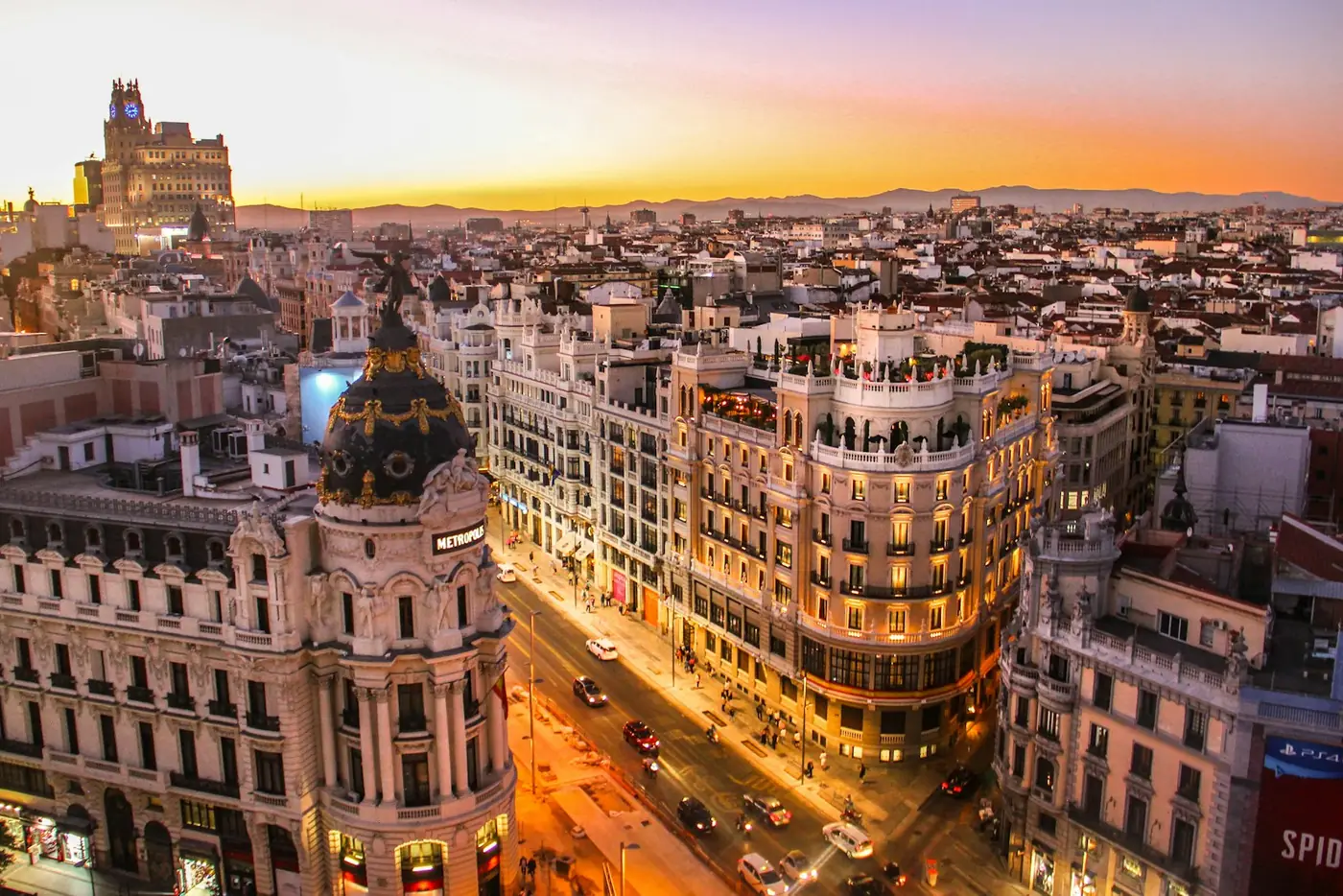
And for somewhere to watch a summer evening arrive over the whole city, our guide to Madrid’s viewpoints covers the spots.
The short version
San Isidro falls in the middle of May, brings a public holiday and puts the city in waistcoats and headscarves in a meadow on the south western edge. Go in the afternoon, watch the chotis, eat a rosquilla and take the free concerts as they come. If you have a choice of weeks, the mid August neighbourhood festivals in the old quarter are the more genuine and cheaper version of the same idea. Check the city programme for dates, book early for either week, and keep your bag closed in the crowd.