Madrid’s reputation rests on three enormous museums standing in a row, and most visitors do one of them, come out exhausted, and conclude they have seen the art. The two best art experiences in this city for anybody who has already done that are both small: a painter’s house in a residential street with its garden and studio intact, and a chapel by the river with a ceiling Goya painted and a grave with his body in it. Between them they take a morning.
The Sorolla Museum
The house and studio of Joaquin Sorolla, the painter of Mediterranean light, kept close to how he left it.
His own collection on the walls, alongside the furniture, ceramics and objects he collected.
The studio itself, with brushes, palettes and unfinished canvases, which is the room people remember.
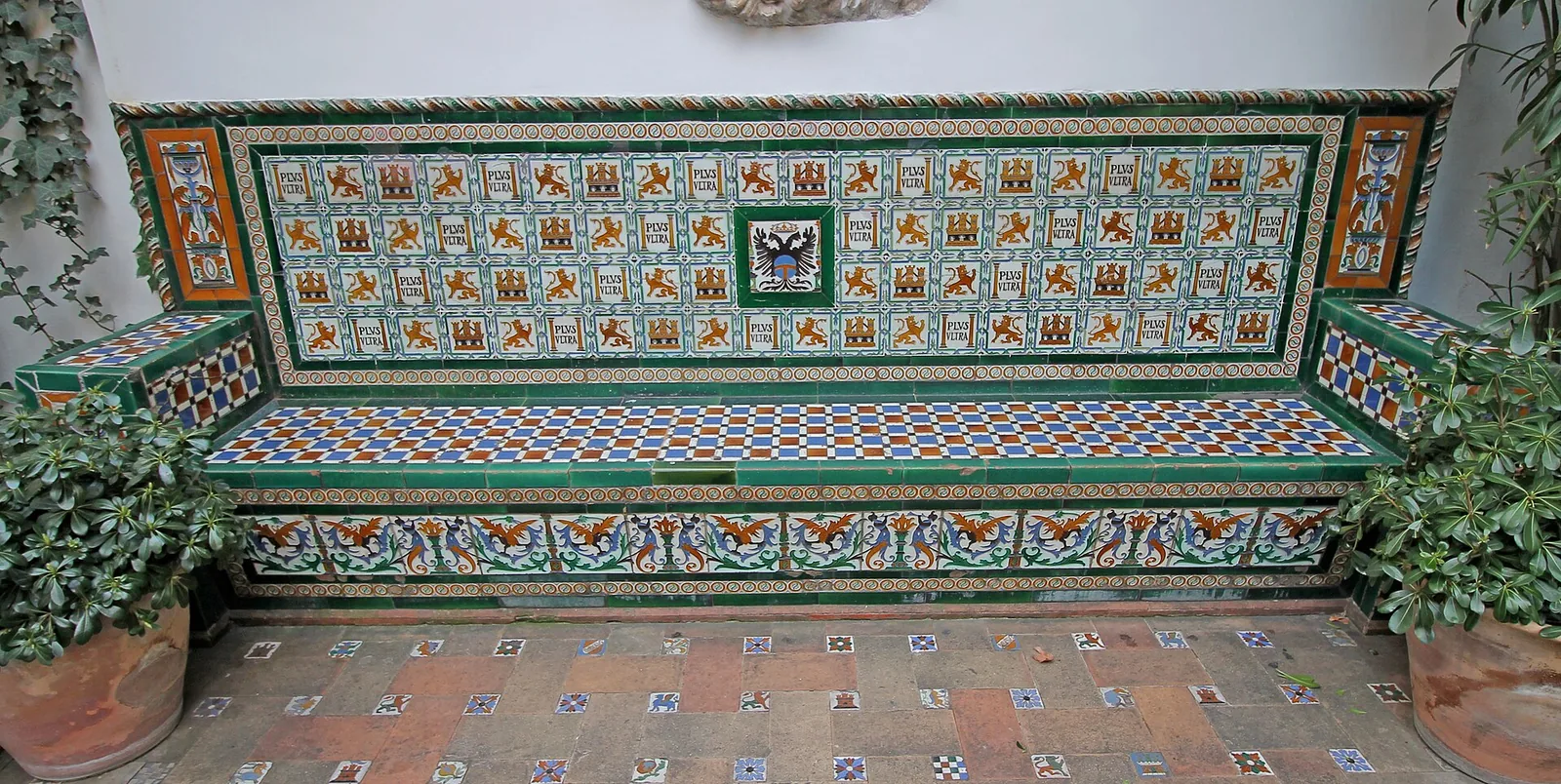
The garden, designed by Sorolla in an Andalusian style, with tiled benches, pools and orange trees.
North of the centre, in Chamberi, on a quiet street, reachable on foot from the museum district in twenty five minutes.
About an hour, and it never feels crowded.
Goya outside the Prado
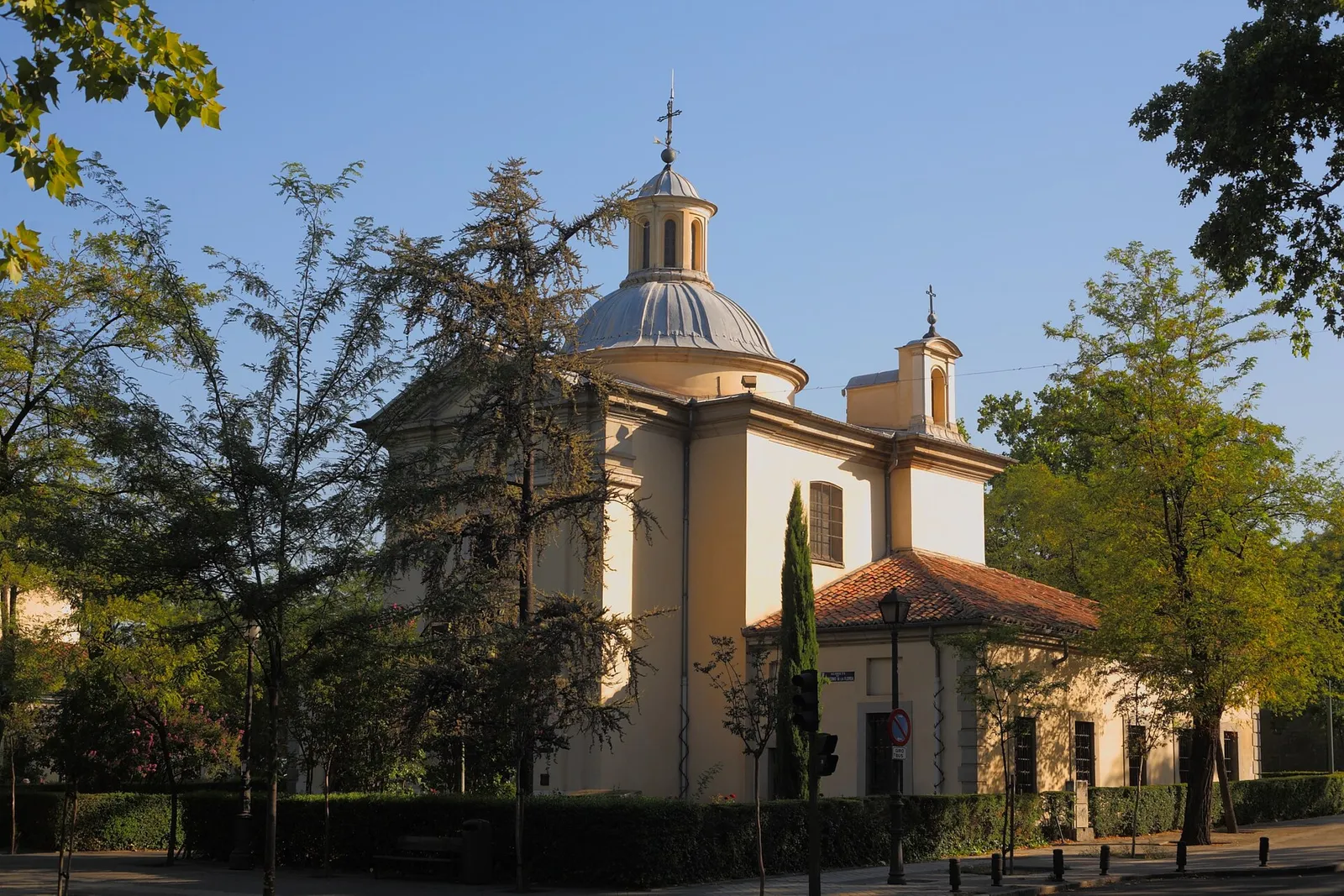
San Antonio de la Florida, a small chapel near the river, where Goya painted the dome and where he is buried.
One room, twenty minutes, and among the strangest religious paintings in Europe: he filled it with ordinary Madrid people rather than saints.
The Academy of Fine Arts, on a central street, with several Goyas including self portraits, and almost no visitors.
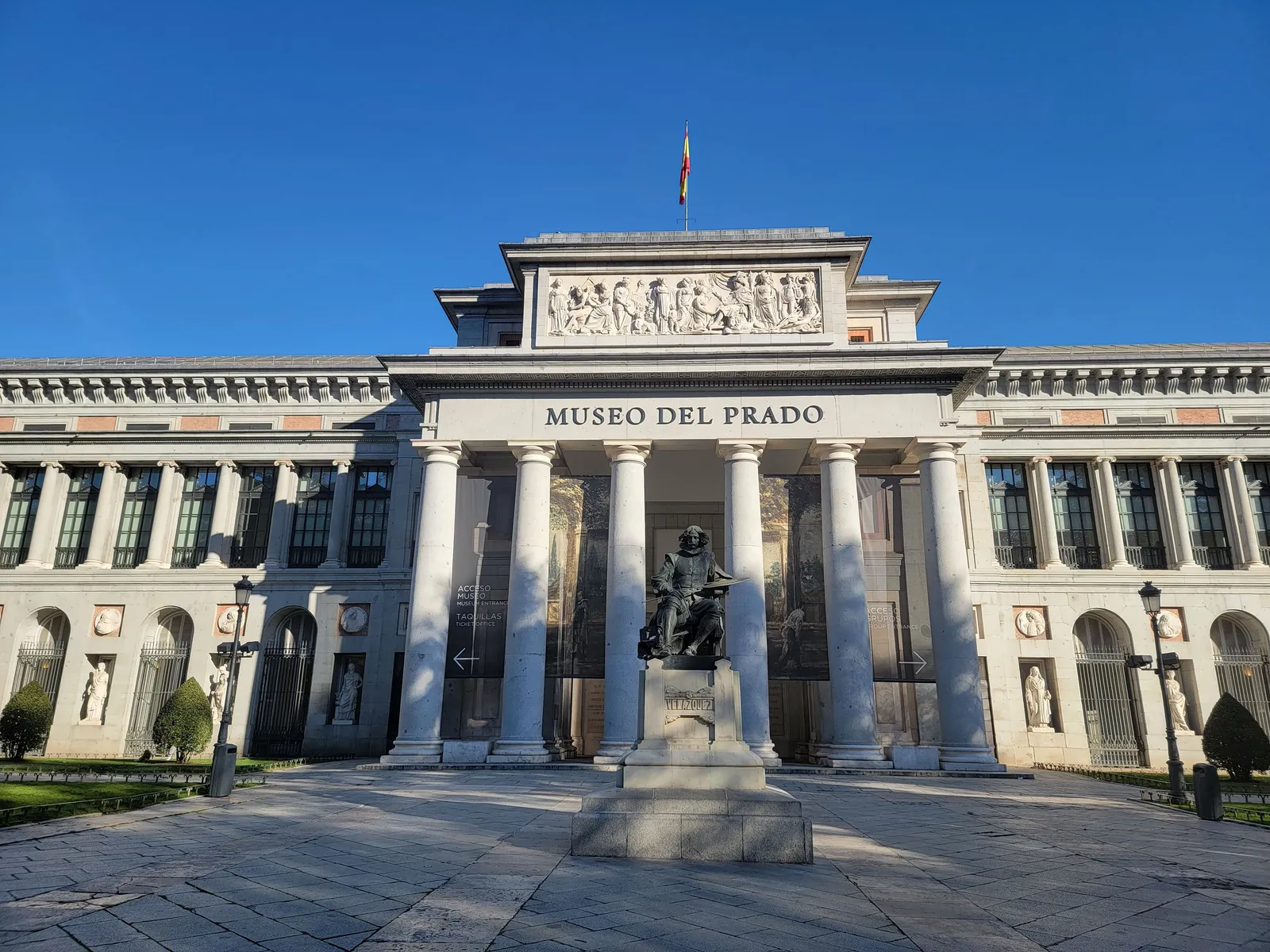
The Prado’s own Goya rooms, which are the fullest collection and the busiest.
Photography rules in the chapel are strict and enforced, for conservation reasons.
The other small ones
The Cerralbo Museum, an aristocratic house left as it was, near the palace.
The Lazaro Galdiano, a private collection in a mansion, with a mixed and eccentric range.
The Romanticism Museum, small, atmospheric and with a garden cafe.
The Sorolla and Cerralbo pair, which are the two best house museums in the city.
The Naval and Railway museums, for anybody travelling with somebody who does not want more paintings.
Practical notes
Monday closing applies to most but not all; check each one individually.
Free hours and free days exist and change; the official sites are the only reliable source.
Bags go into lockers at the smaller museums as well as the large ones.
Combined tickets with the big three do not generally cover these.
None of them need booking in the way the Prado does, which is part of the appeal.
The gardens at Sorolla and the Romanticism Museum are worth as much as the rooms.
Where this fits in a Madrid trip
These are second visit museums, or the calm morning after a heavy one.
For the three big collections and how to actually get through one, our guide to the golden triangle museums covers the choice.
For the largest of them in detail, our guide to the Prado covers what to see and in what order.
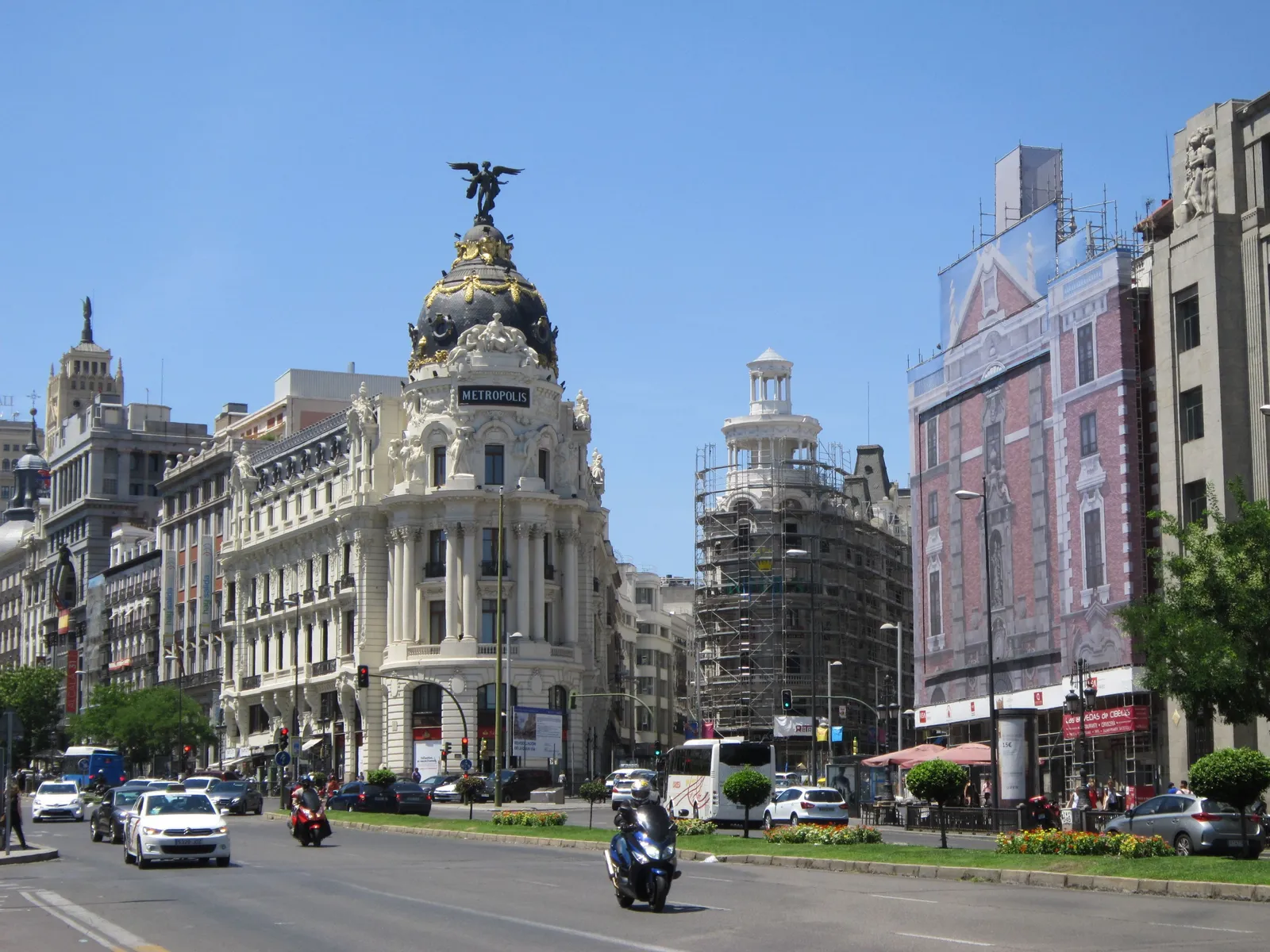
And for a walk that links the centre with the older quarter on foot, our Gran Via and Austrias walk covers the route.
The short version
Do the Sorolla house if you have already done a big museum, and attach it to a lunch in Chamberi so it costs an hour rather than an afternoon. Give twenty minutes to the Goya chapel by the river, which is one room and a ceiling painted with ordinary people instead of saints. Add the Cerralbo or the Lazaro Galdiano if house museums appeal. Check closing days individually rather than assuming Monday applies to all of them, and do not skip the gardens.