The first time I tried to choose between Toledo and Segovia I did the very Madrid thing of asking three different waiters and getting three different answers. One swore by Toledo for its cathedral, one by Segovia for the suckling pig, and the third just shrugged and said “go to both, but not in the same day”. After making the trip to each of them more than once, in winter and in a brutal July, I can finally give you a straight answer to the Toledo or Segovia question, and it depends less on which city is “better” and more on what kind of day you actually want.
Both are easy, both are worth it, and neither is a tourist trap in the cynical sense. But they feel completely different, and the summer heat changes the maths in a way nobody tells you about in advance.
The quick answer: Toledo or Segovia?
If you love history layered on history, dim churches, narrow lanes and a sense of walking through a medieval maze, go to Toledo. If you want two or three jaw-dropping monuments, a lighter walking day and one of the best lunches in central Spain, go to Segovia.
Toledo rewards wandering and getting lost. Segovia gives you a Roman aqueduct, a fairytale castle and a cathedral you can tick off comfortably, with more room to breathe in between.
Toledo: the city of three faiths
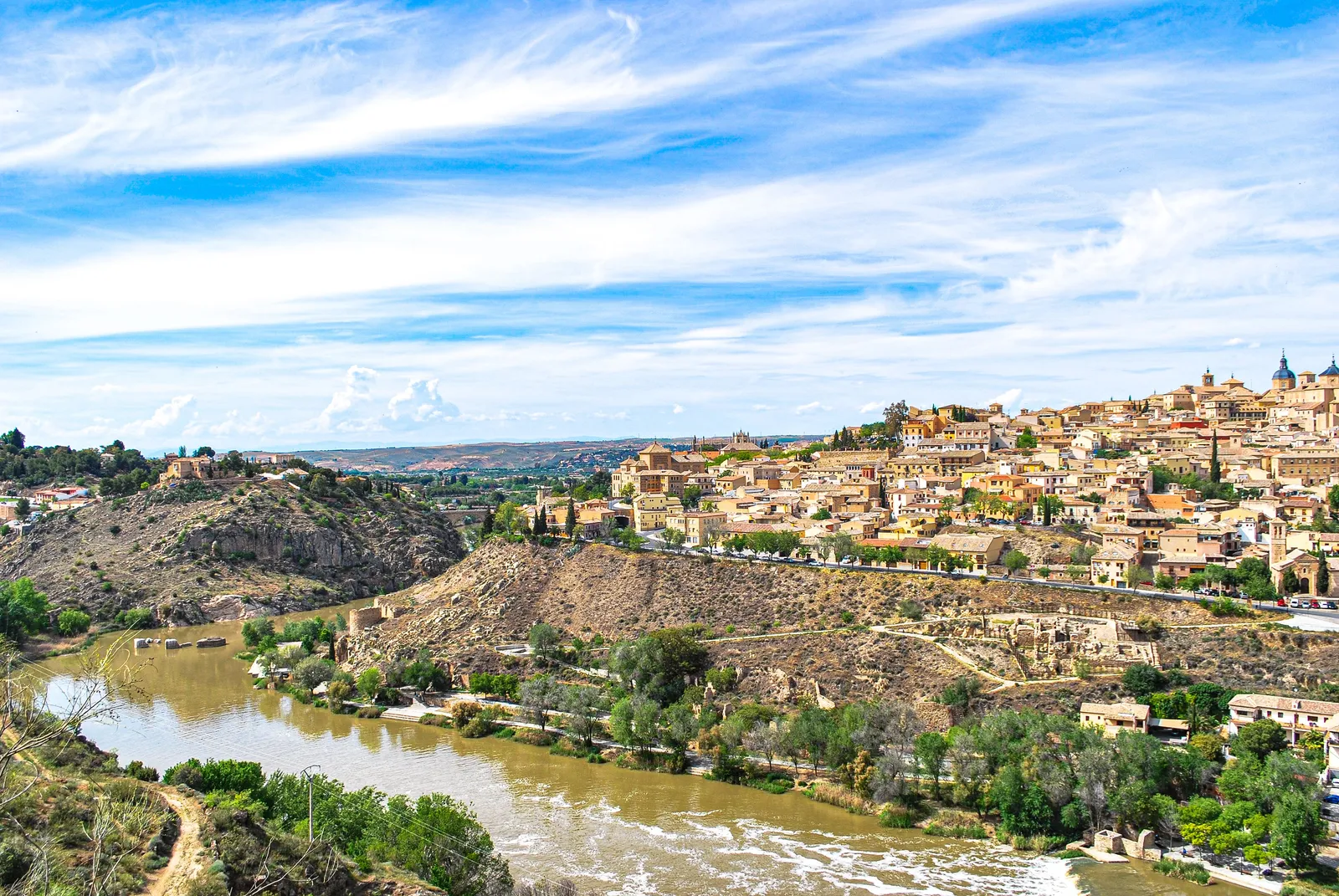
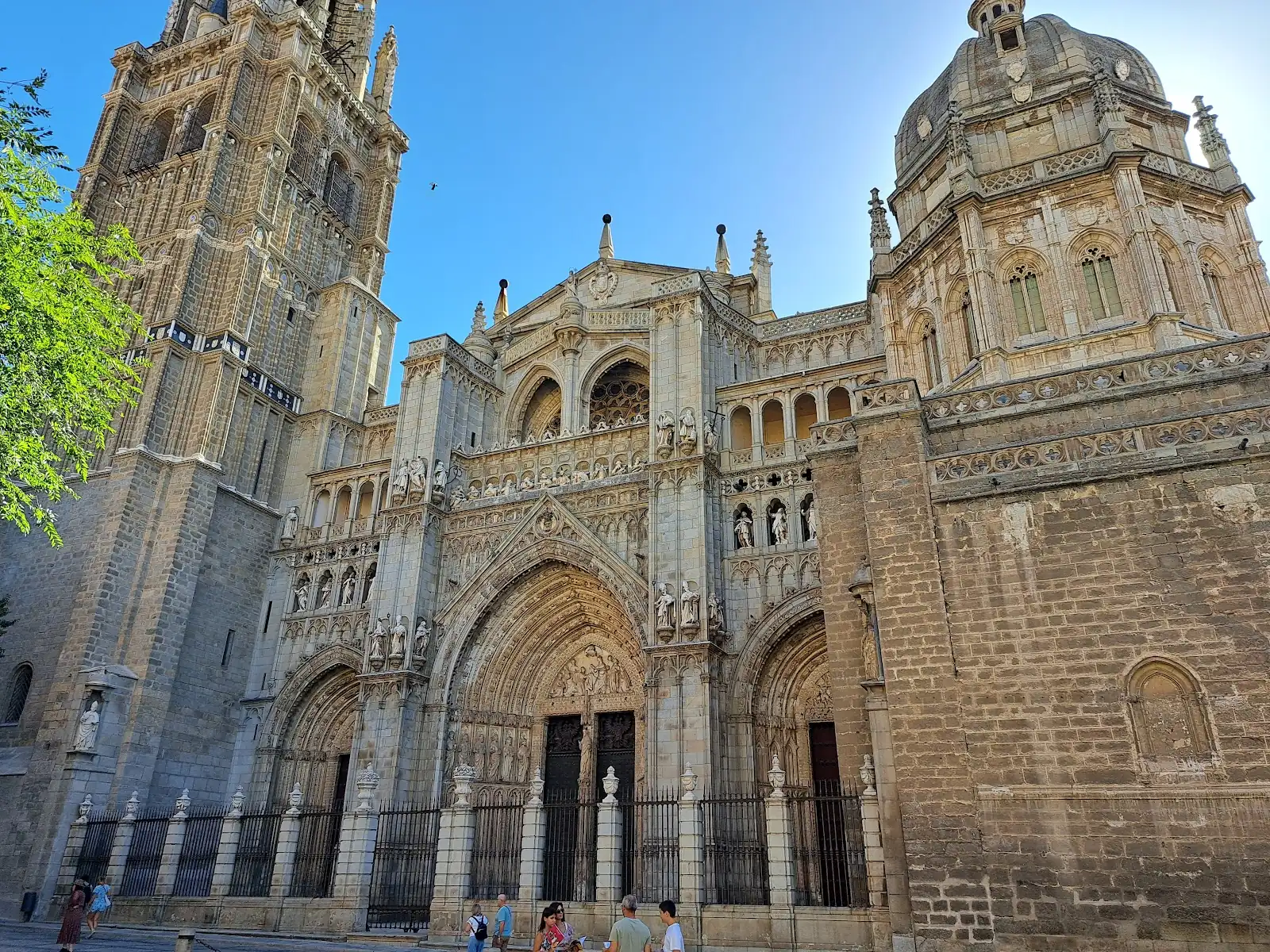
Toledo sits on a hill wrapped almost entirely by the Tagus river, and for centuries Christians, Muslims and Jews lived and built here side by side. You feel it in the buildings: a synagogue with horseshoe arches that looks like a mosque, a mosque turned into a church, and the vast Gothic cathedral in the middle of it all.
The cathedral is the headline act, and it earns it. Entry is roughly 12 to 15 EUR, and I would pay it again just for the Transparente, a burst of baroque sculpture and light behind the main altar that genuinely made me stop walking. The old Jewish quarter and the two surviving synagogues, plus the church of Santo Tome with El Greco’s famous burial painting, fill an easy afternoon.
Be warned: Toledo is steep and the streets are a knot. That is the charm, but it is also tiring. There are outdoor escalators from near the city walls up into the old town, which save your legs on the worst climb.
Segovia: aqueduct, castle and roast suckling pig
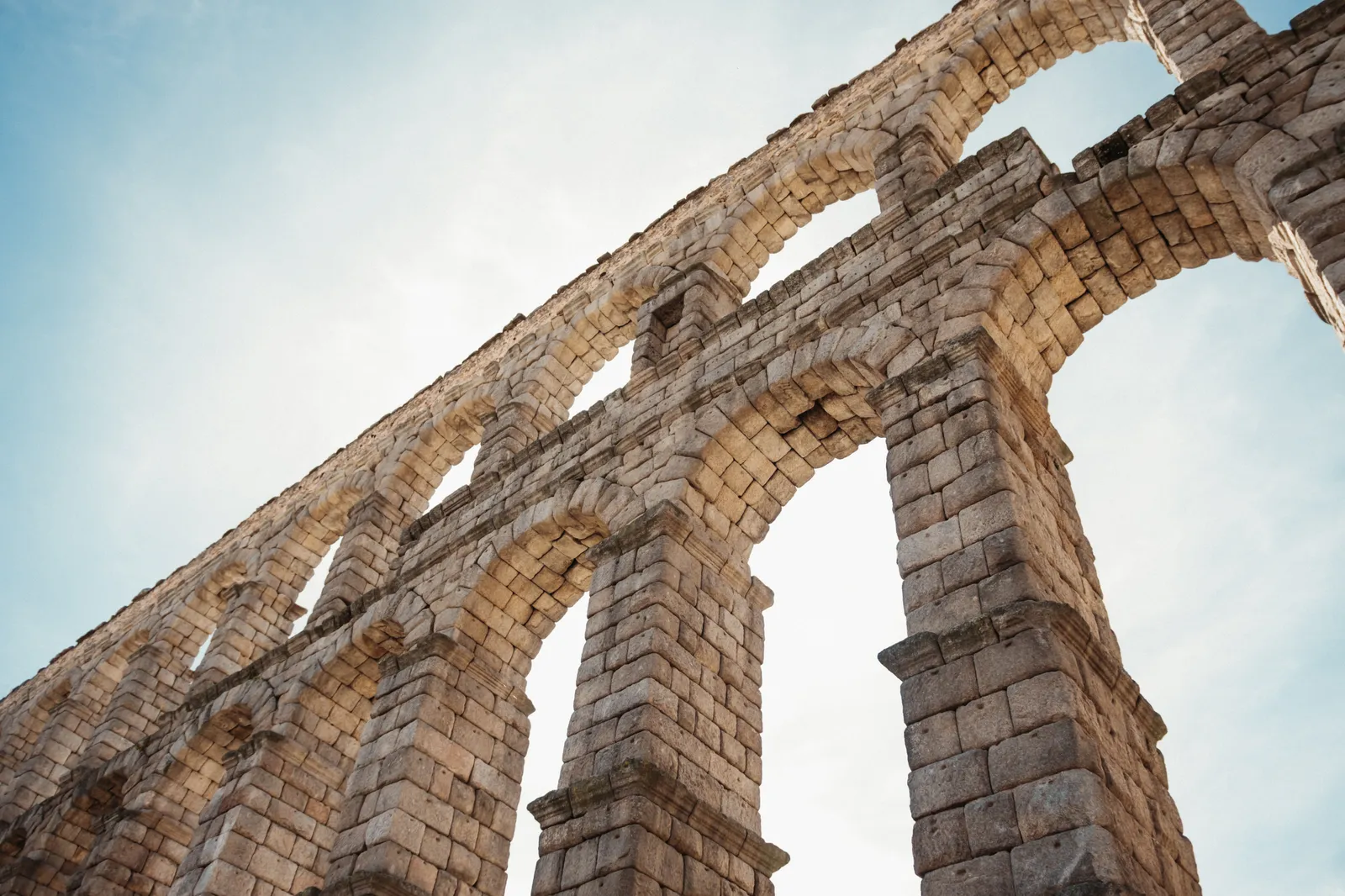
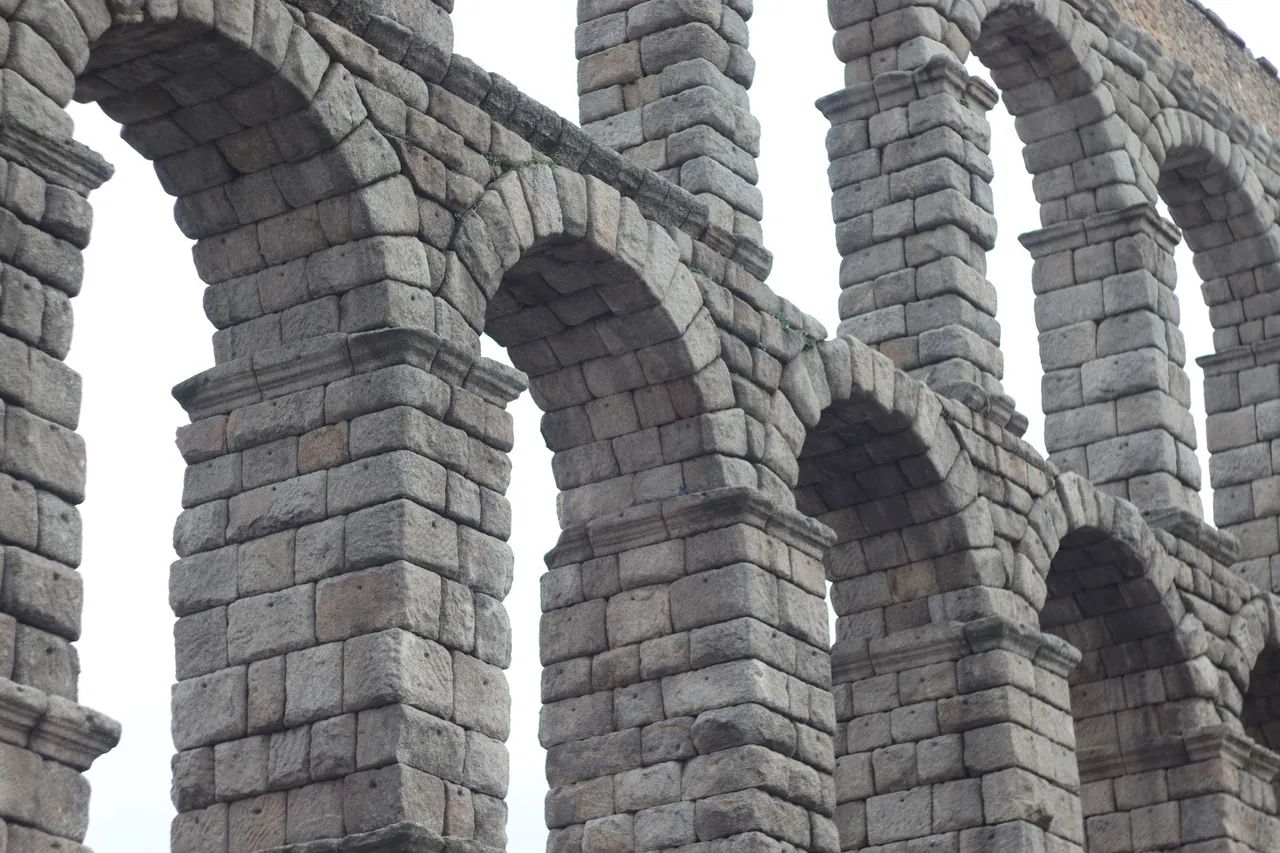
Segovia hits you the moment you reach the old town, because the Roman aqueduct is right there, enormous, made of unmortared granite blocks that have held for close to two thousand years. Standing under it is one of the few monuments in Spain that made me actually gasp.
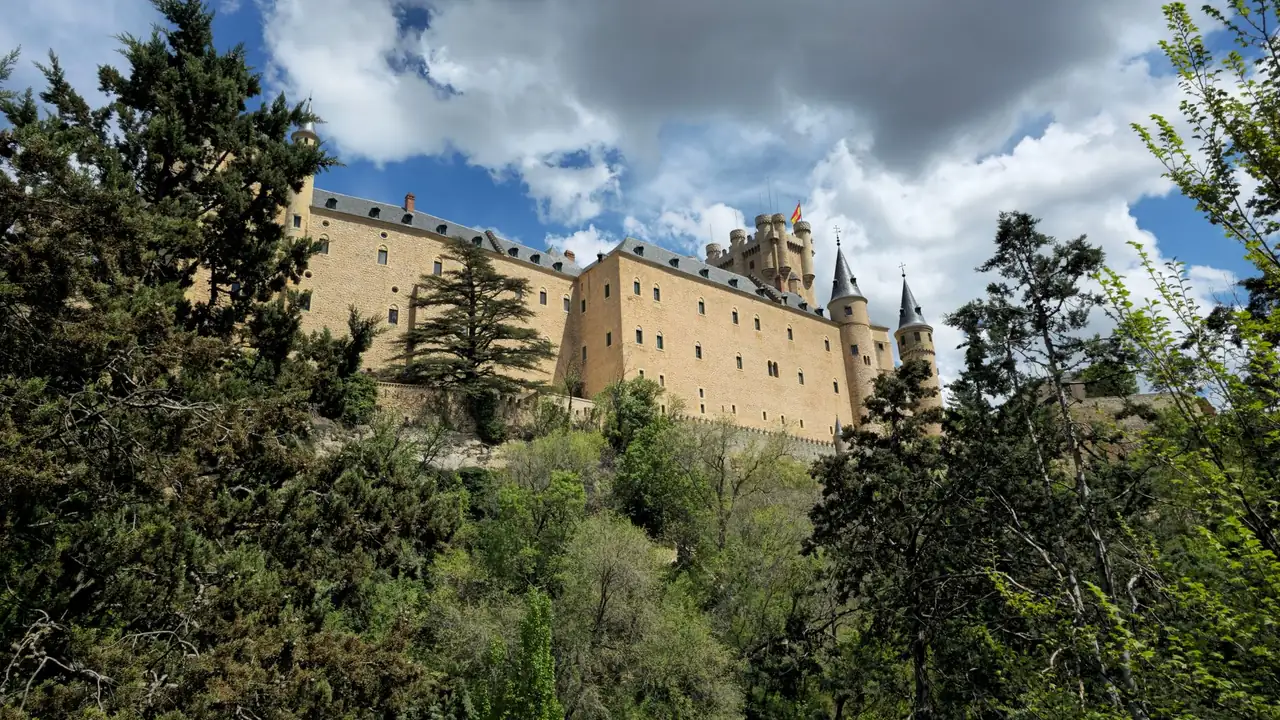
From there the main street climbs gently to the cathedral, then out to the Alcazar, the castle that reportedly helped inspire the Disney silhouette. Climb the tower if your legs allow, the view over the plain is superb.
And then there is lunch. Segovia is famous for cochinillo asado, roast suckling pig so tender that it is traditionally carved with the edge of a plate. A proper sit-down portion runs somewhere around 25 to 30 EUR at the well-known asadores, and it is rich, so go hungry and share a starter.
Getting there: train times and logistics
This is where people overthink things. Both cities have fast train links from Madrid and both are genuine day trips.
| Toledo | Segovia | |
|---|---|---|
| Departs from | Madrid Atocha | Madrid Chamartin |
| Fast train time | around 30 to 35 minutes | around 25 to 30 minutes |
| Station to old town | short bus or steep walk | bus needed, station is outside town |
| Best for | history lovers, wandering | monuments, easier walking, food |
The high-speed trains are quick but they sell out, so book ahead rather than turning up. Tickets are usually somewhere in the 12 to 25 EUR range each way depending on time and how early you buy. For a fuller rundown of options, timings and how each classic escape stacks up, see our guide to the best day trips from Madrid.
One detail worth knowing for Segovia: the high-speed station sits outside the centre, so you factor in a local bus at each end. I walk through the exact timings and how to avoid the common mistakes in the dedicated Segovia day trip guide, which is worth a read before you go.
Prefer to set your own pace between the two cities?Compare rental cars from Madrid, with free cancellation on many optionsWhich is better in the summer heat?
This is the question I wish someone had answered for me before a July trip. Both cities bake in summer, with afternoons that can push well past 35 degrees Celsius. But they cope differently.
Toledo, with its tight lanes and tall stone buildings, actually holds shade well, and you can duck from cool church to cool church. The problem is the relentless up and down. In real heat those climbs are punishing.
Segovia is more exposed around the aqueduct and the castle approach, so there is less shade, but the walking is gentler and the altitude, a little higher than Madrid, means the air can feel marginally fresher, especially in the evening. If you are travelling in July or August, I lean towards Segovia, starting early, doing the monuments before lunch, and sitting down to that long, cool cochinillo lunch when the sun is at its worst.
Whatever you choose, carry water, wear real walking shoes, and do not plan hard sightseeing between 3pm and 6pm.
Can you do both in one day?
Technically yes, practically no, at least not well. They are on opposite sides of Madrid and use different stations, so linking them means a lot of the day spent in transit for a rushed hour in each. Give each city its own day and you will remember them fondly instead of as a blur.
So, Toledo or Segovia?
If you only have one day and love getting lost in history, choose Toledo. If you want spectacular monuments, an easier walk and a memorable lunch, choose Segovia, and even more so in high summer. Neither is a wrong answer, and both beat a fourth day cramming yet another Madrid museum.
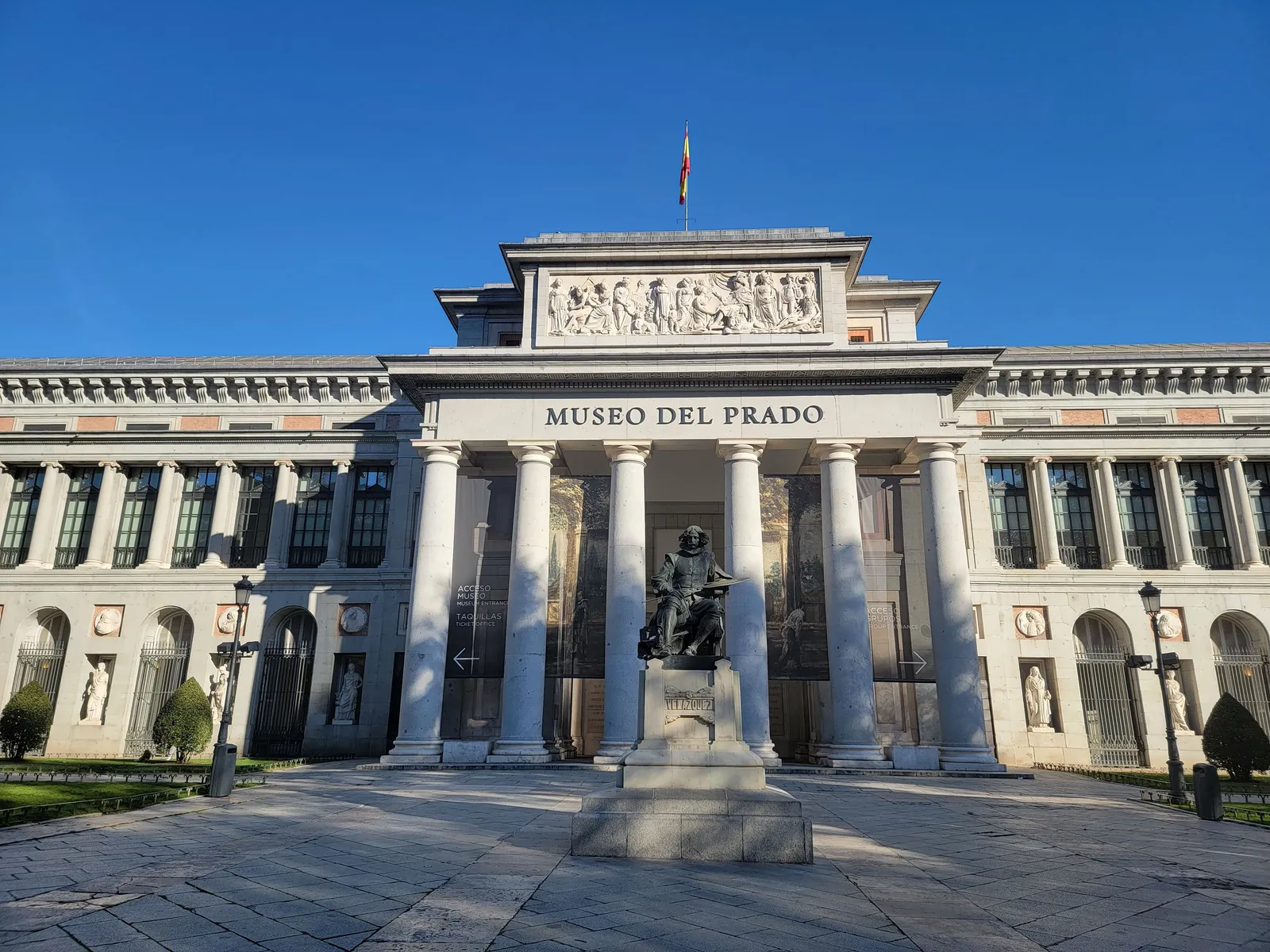
And if the answer turns out to be neither, because what you actually want is a rainy afternoon indoors with the best paintings in Spain, our guide to the Prado covers what to see and how to book it.
So which way are you leaning, the maze of Toledo or the aqueduct and the roast pig of Segovia? Tell me in the comments, especially if you have done both.