Segovia is the easiest great day out from Madrid. Half an hour on the fast train puts you in a small Castilian town with a complete Roman aqueduct running through the middle of it, a castle on a rock that looks like it was designed for a story, and a lunch that people travel from the capital for on its own. It is a full day, it needs almost no planning, and here is how to spend it.
The three things, and the one lunch
Segovia’s headline sights are close together and each is genuinely worth the journey.
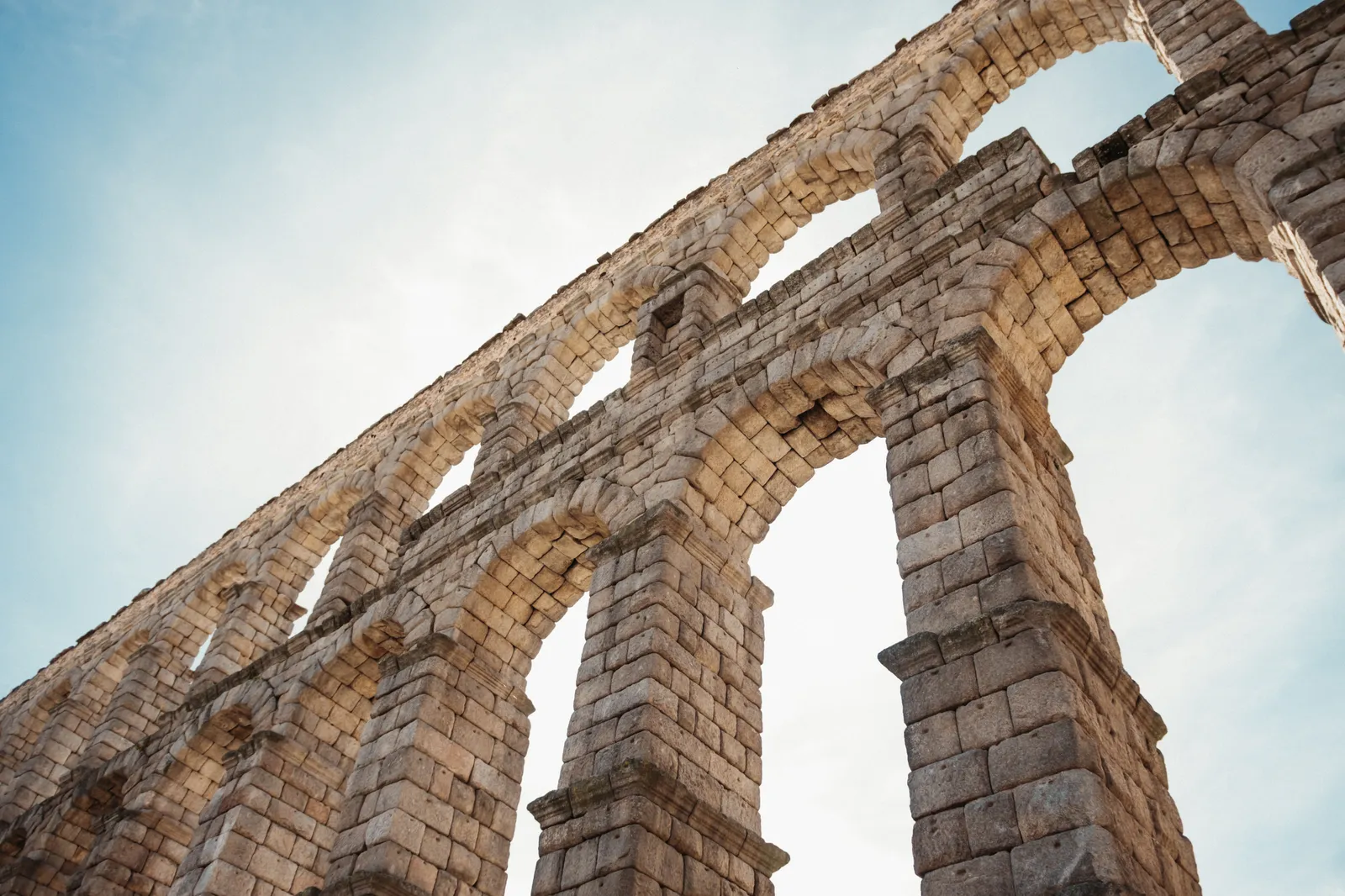
The aqueduct is the reason most people come. It is Roman, it is enormous, it is built without mortar, and it stands in the middle of a working town square rather than behind a fence in a field. Standing under it is one of the more startling experiences in Spain, because the scale does not come across in photographs.
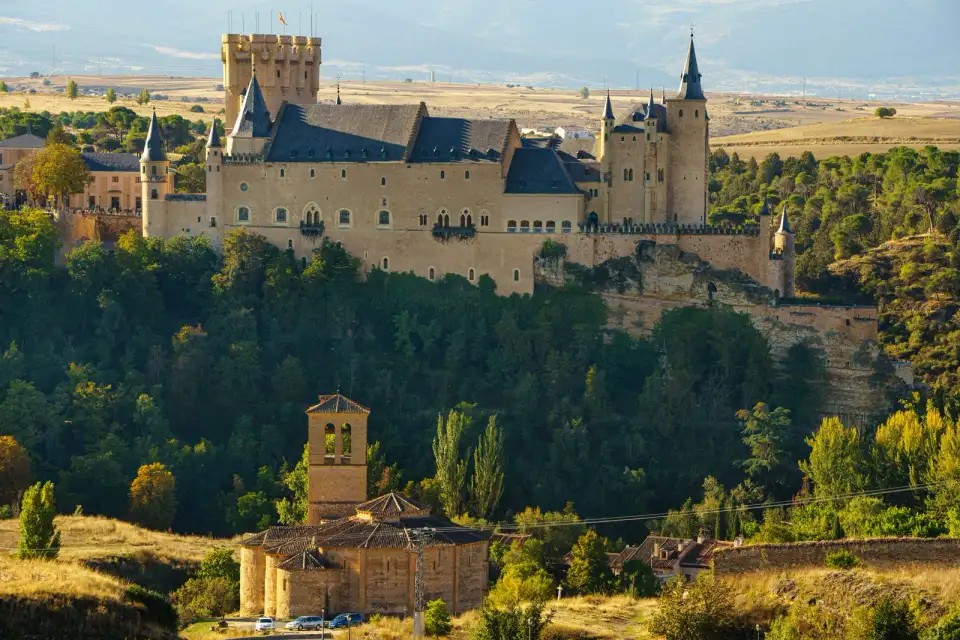
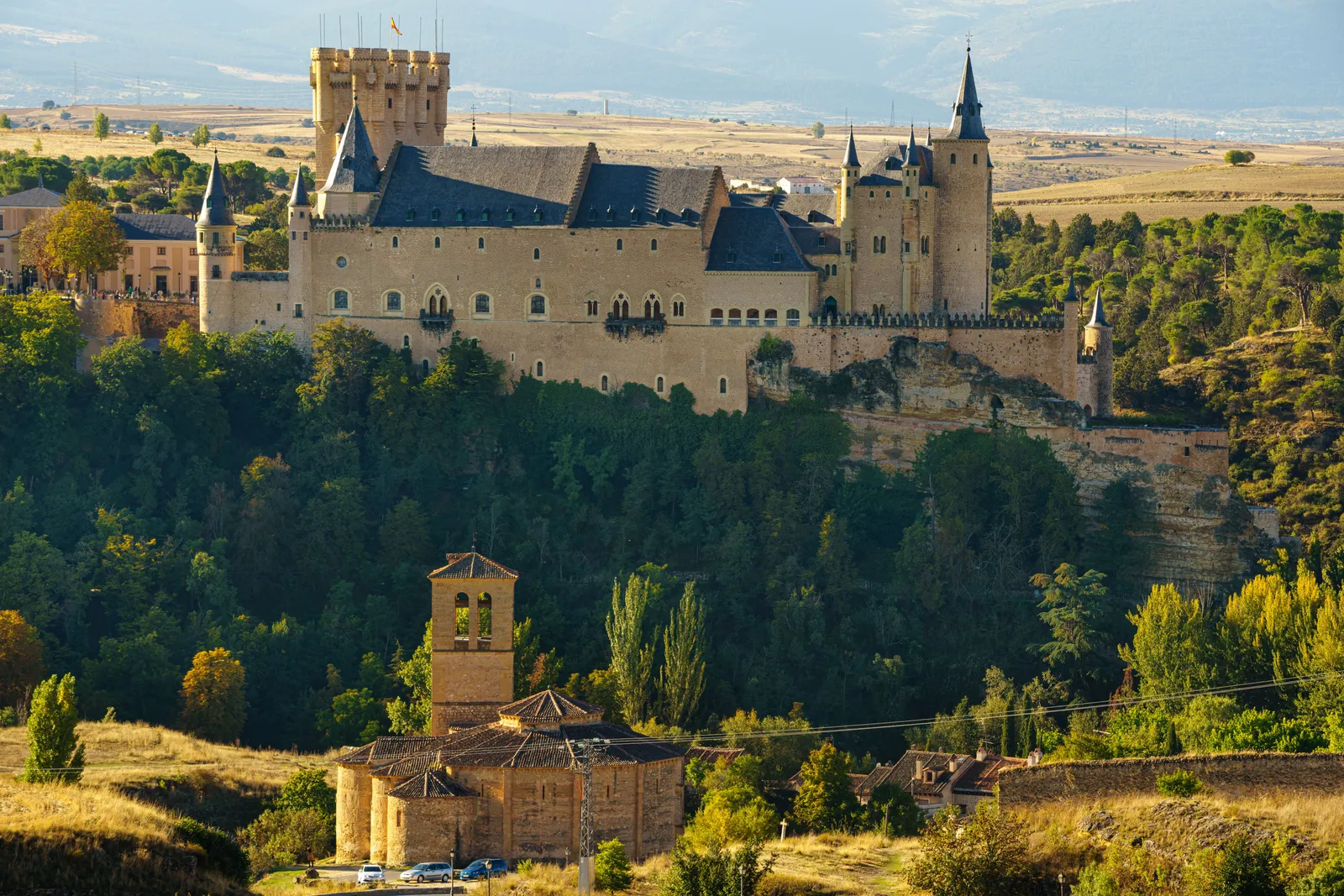
The Alcazar sits at the far end of the old town on a rock above the confluence of two rivers, a fortress-palace with turrets and slate spires. The interior is worth an hour and the view from the tower is worth the climb.
The cathedral occupies the main square between them, late Gothic, enormous and unusually elegant.
Lunch is the fourth thing and it is not an afterthought. Segovia is famous across Spain for roast suckling pig, served whole and carved at the table, with roast lamb a close second. It is a heavy, celebratory meal and it deserves the middle of your day rather than a gap.
The day, in order
The town is small and the route almost designs itself.
Arrive and start at the aqueduct, which is where the town begins for a visitor and where the bus from the fast-train station drops you.
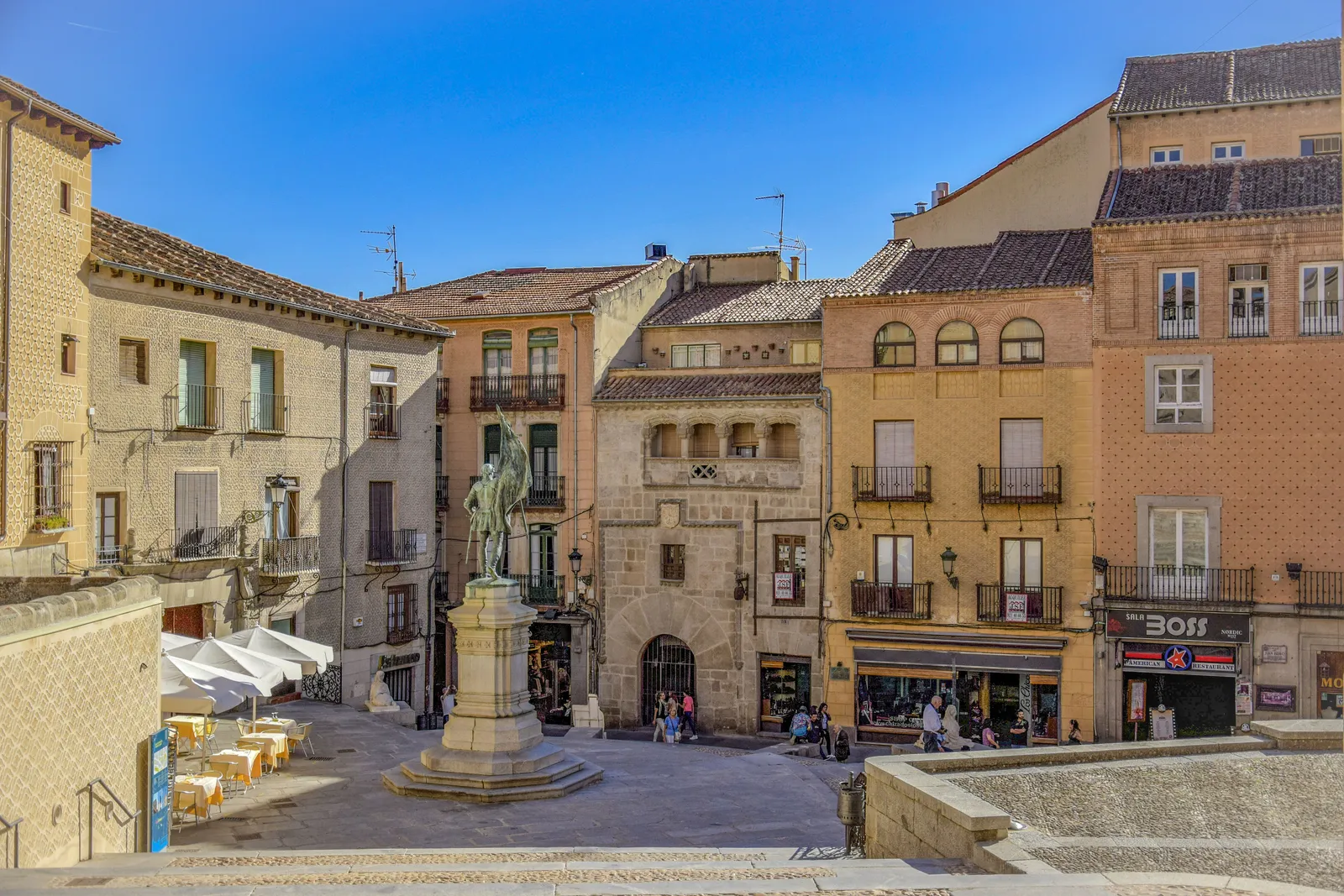
Walk up through the old town towards the main square and the cathedral, which is a gentle climb through narrow streets.
Continue to the Alcazar at the far end, which is the natural end of the walk in and the point where you are furthest from the station.
Lunch late, around two, in the Spanish rhythm rather than yours.
Afterwards, the viewpoints. The path that runs below the town walls, looking back up at the Alcazar on its rock, is where the best photographs are and where most day trippers never go.
Head back to the aqueduct in the late afternoon light, which is when it is at its most impressive and least crowded.
Getting there
Three options, and the choice is a genuine trade-off rather than an obvious one.
The fast train takes about half an hour and is the quickest by a wide margin. It arrives at a station some way outside the town, connected by a short bus ride or taxi, which adds time at the far end. Book ahead, because the cheap fares sell first and weekends are busy.
The regional train is slower and cheaper.
The coach takes longer than the fast train but drops you much closer to the centre, which narrows the real difference more than the timetable suggests.
For a day trip the fast train is usually right, with the caveat that the transfer at the other end is part of the journey rather than an extra.
Segovia against the alternatives
Madrid has three classic day trips and they suit different appetites.
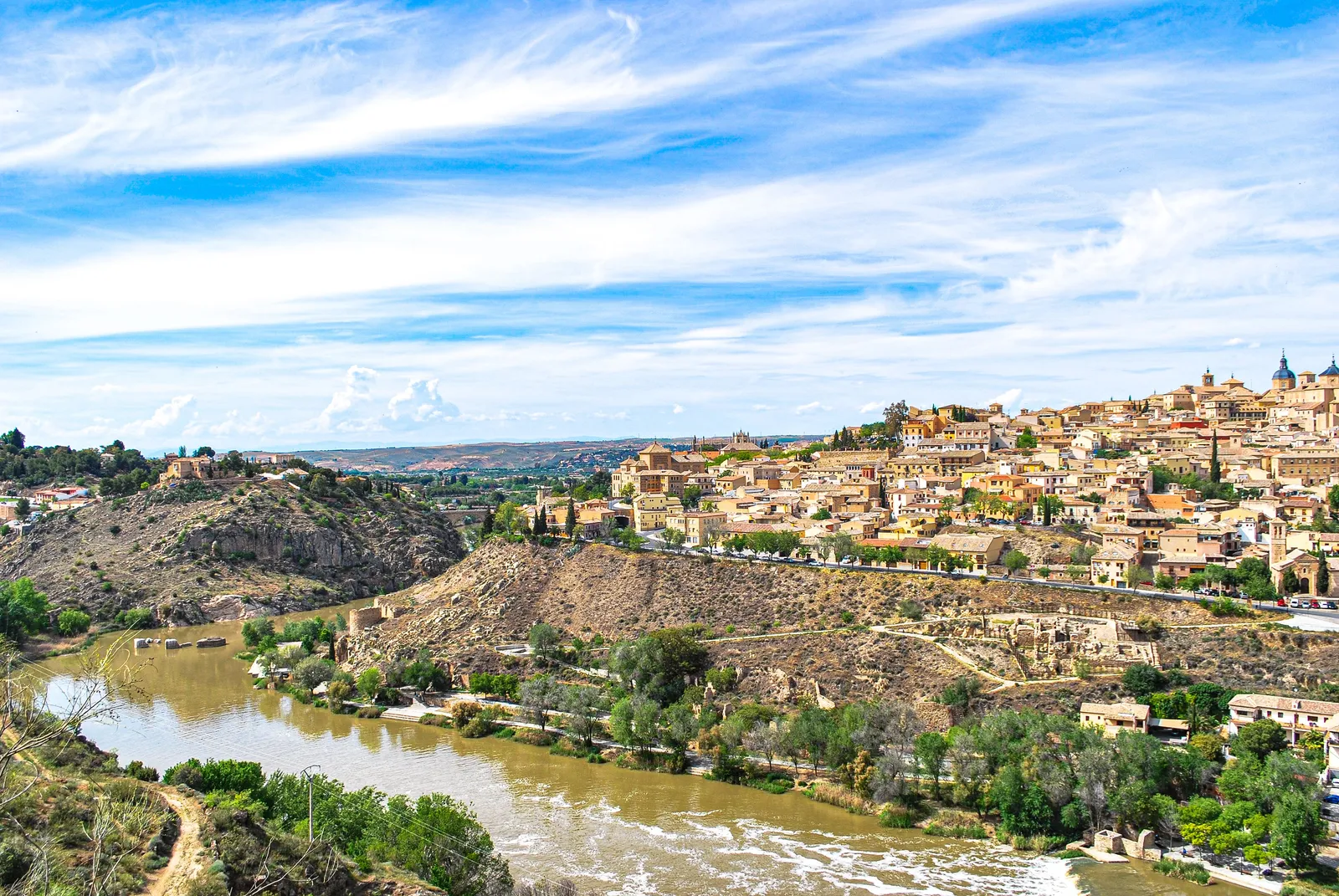
Toledo is the biggest: a denser medieval city on a dramatic bend in a river, with far more to see and a correspondingly fuller day. If you only take one day trip and you like walking a city, take this one.
Segovia is the lightest and the most relaxing: three great sights, a small walkable town, a famous lunch, and time left over.
El Escorial is the most specific: an enormous royal monastery in the hills, remarkable and austere, and a shorter day.
Our guide to day trips from Madrid compares all of them, including a few less obvious options, which is the decision to make before you book a train.
Practical notes
It is higher and colder than Madrid. Segovia sits above the capital in the hills, and a spring or autumn day that is mild in the city is noticeably cooler here, particularly in the wind on the walls.
The old town is steep and cobbled, gently rather than punishingly, but worth comfortable shoes.
Half a day is possible and not advisable. The town rewards being unhurried and punishes the visitor who arrives at eleven and leaves at three.
Sunday is the classic day for the roast and therefore the busiest, which is a fair trade if you have booked and a bad one if you have not.
Where this fits in a short Madrid trip is usually the fourth day, once the museums and the city itself are done; our four-day Madrid itinerary sets out that shape, and it works whichever of the three towns you choose.
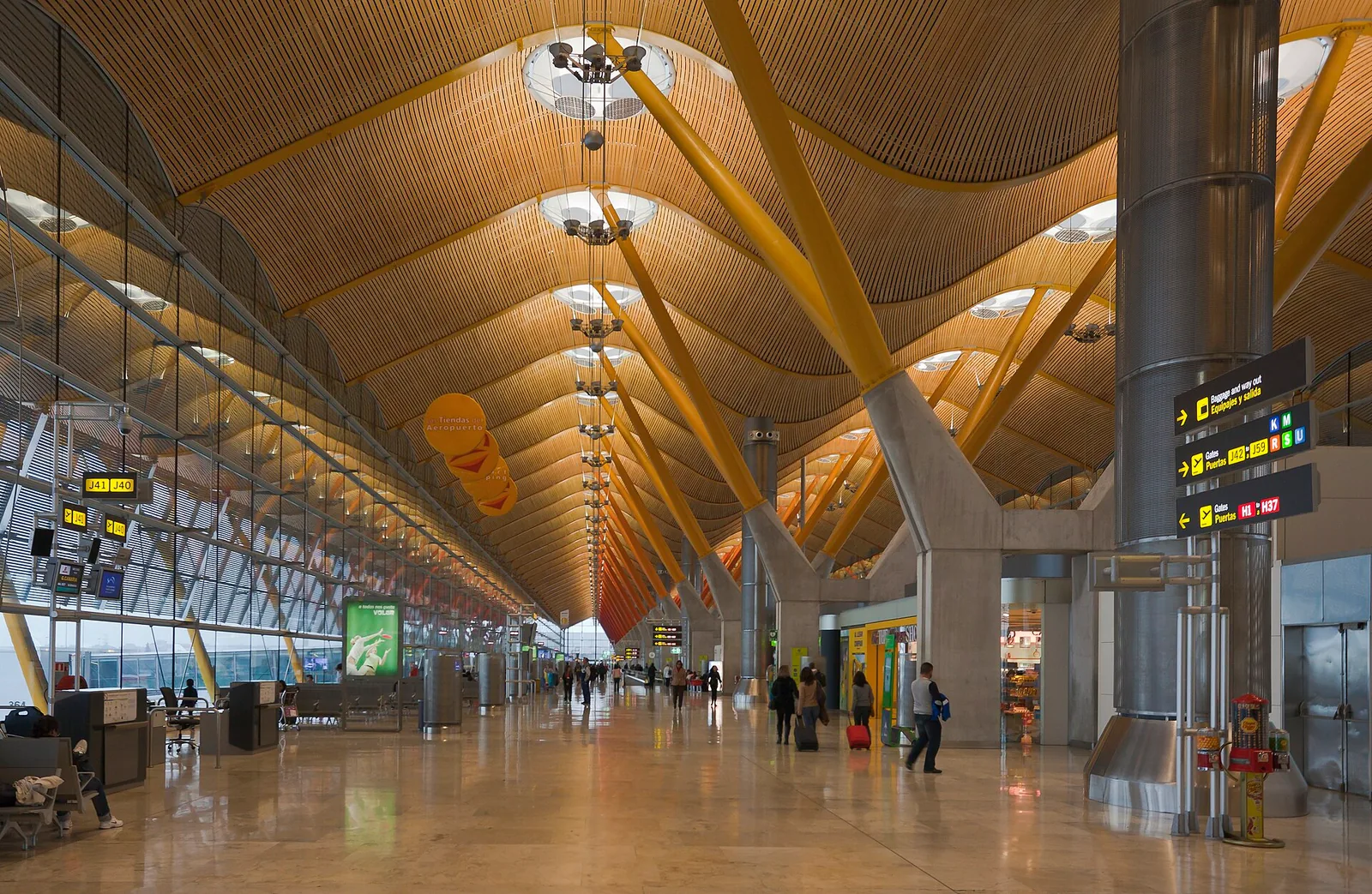
And on arrival day, the same fast-train station is where a lot of Madrid trips start; our guide to Madrid airport transfers covers getting in from Barajas, including which terminal changes the answer.
The short version
Take the fast train, start at the aqueduct, walk up through the old town to the cathedral and on to the Alcazar, and book a table for a late roast lunch, especially on a Sunday. Afterwards, walk the path below the walls for the view back up at the castle, which is the part most day trippers miss. Bring a layer, because it is colder up here than in Madrid, and give it a full day rather than half.