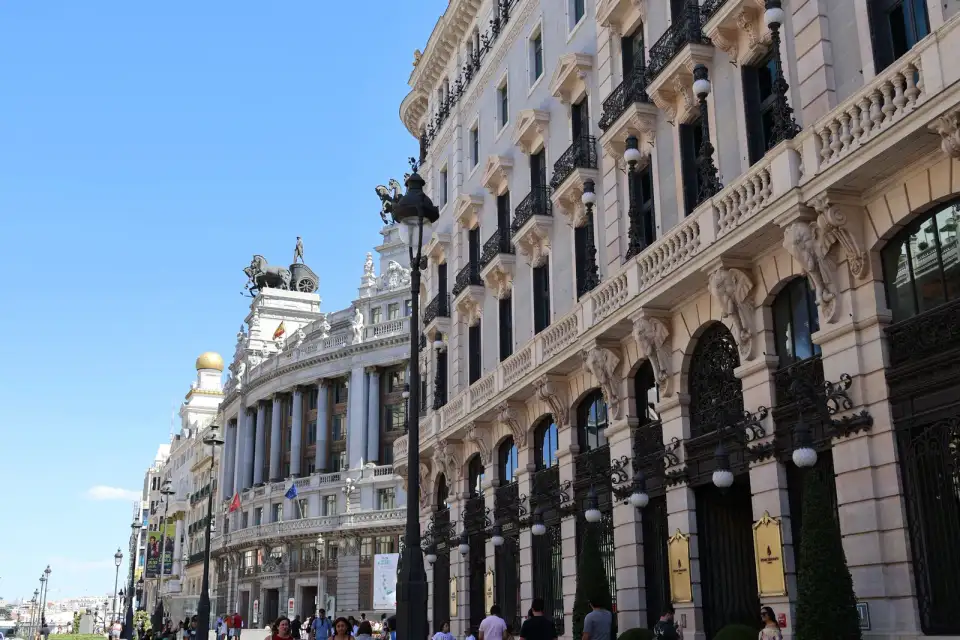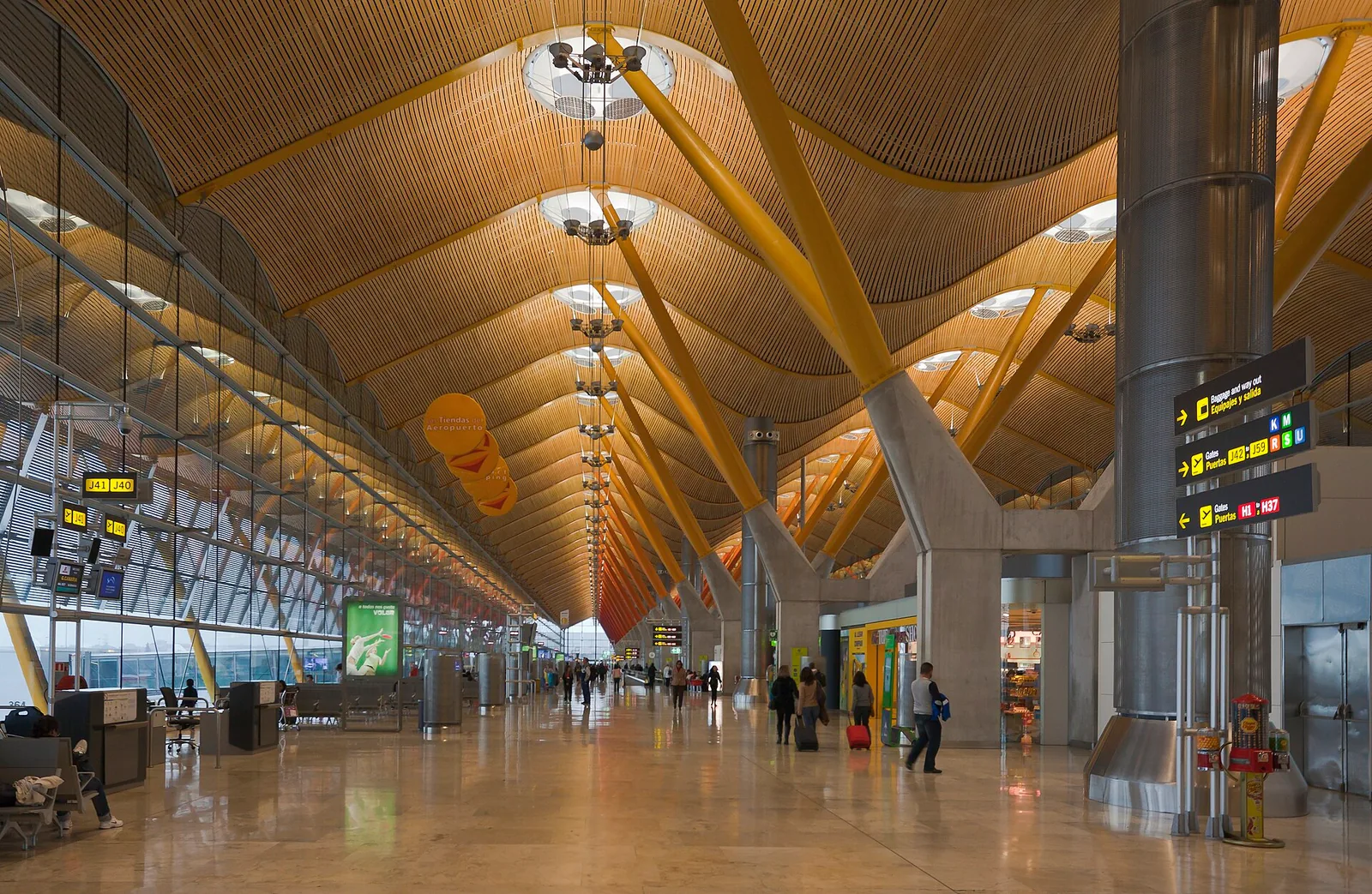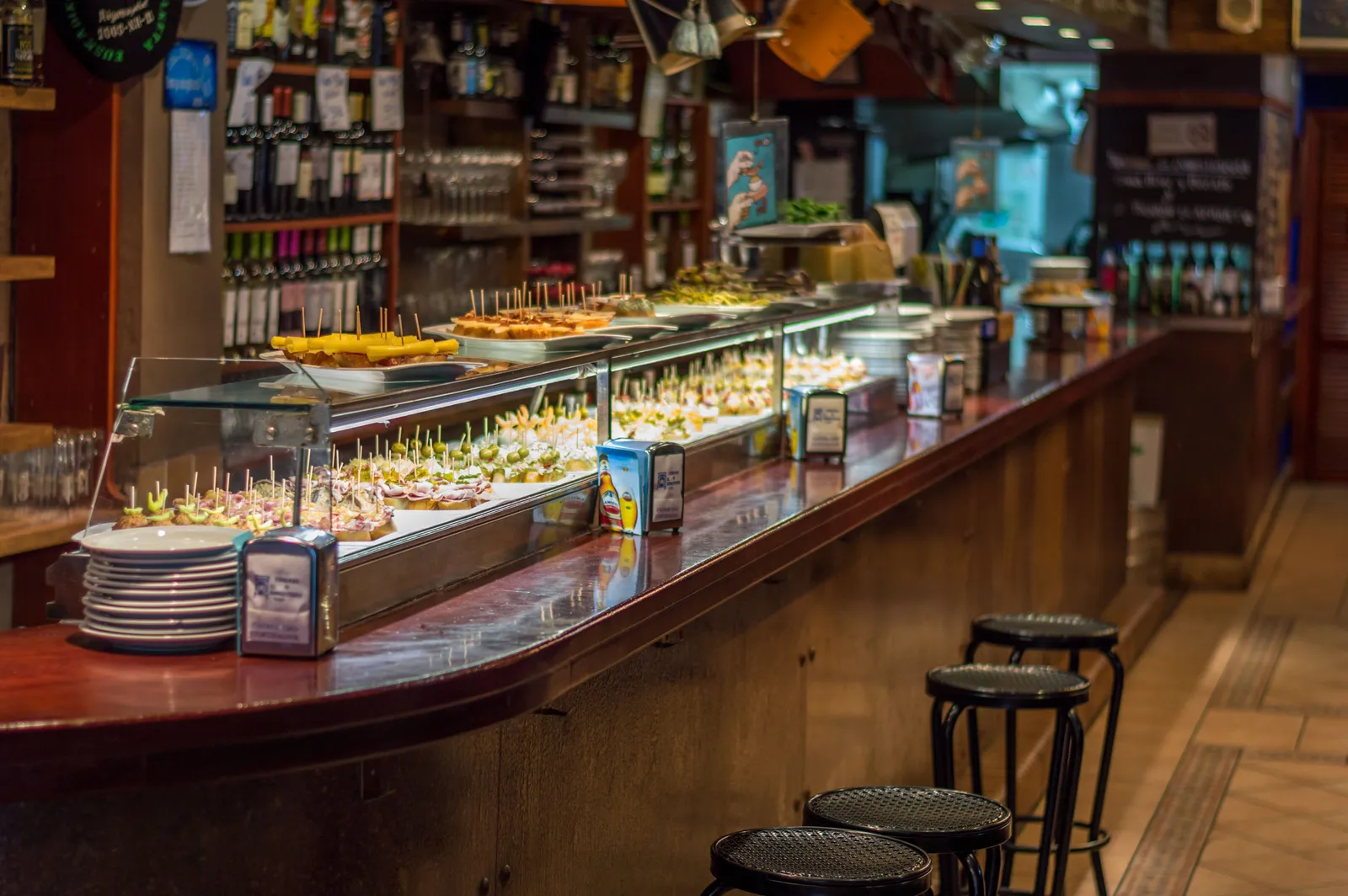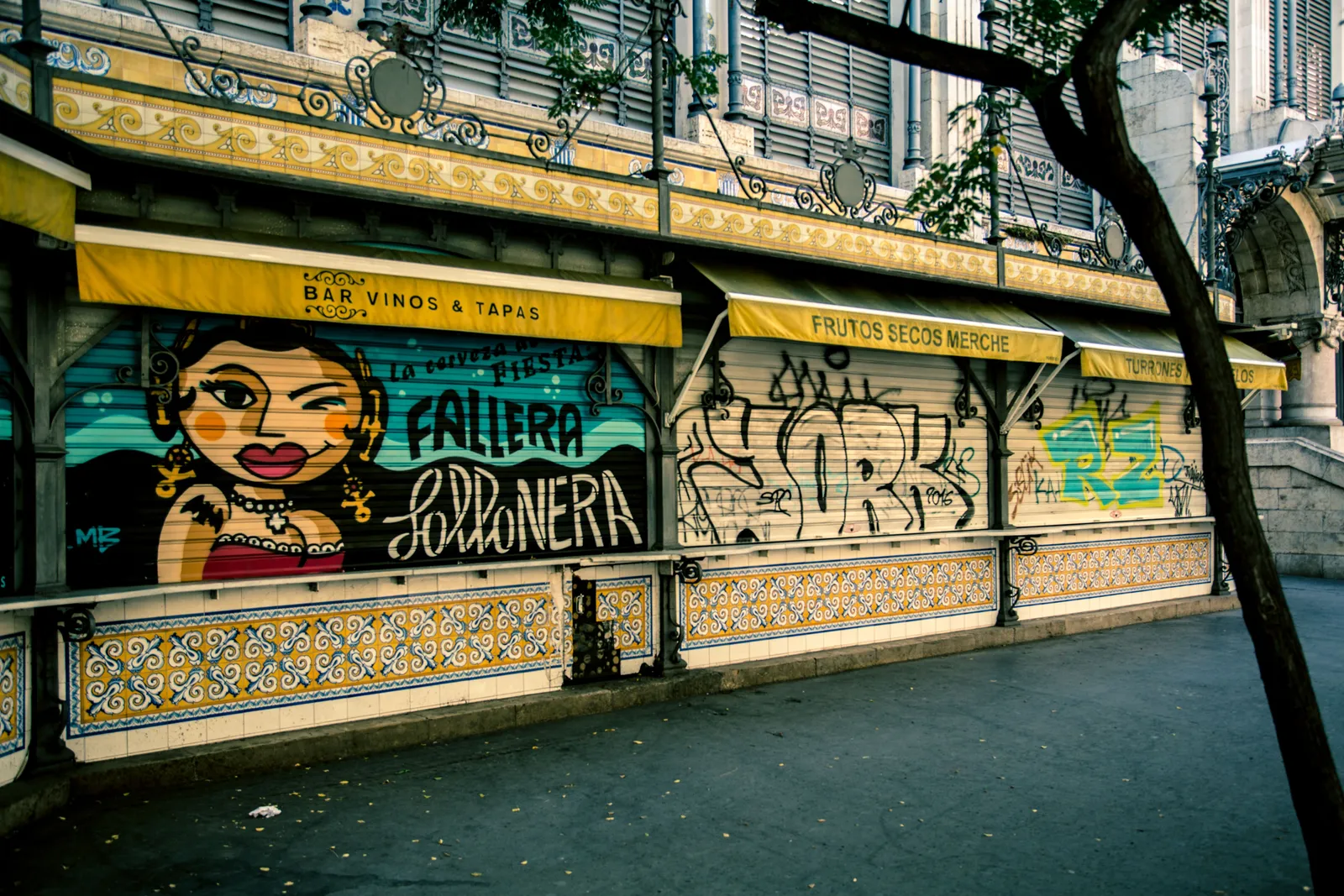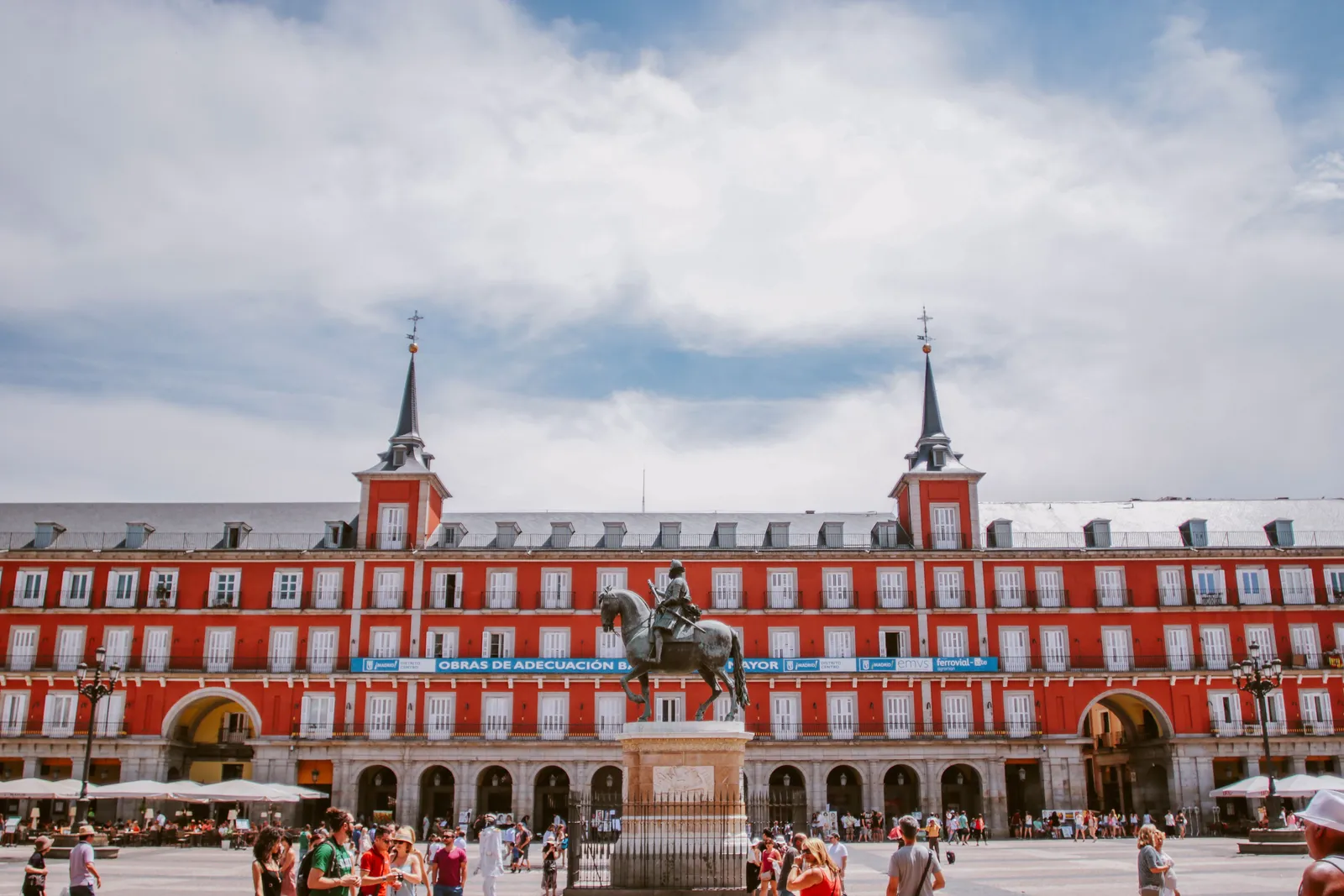
Madrid does not shout for your attention the way some capitals do. It has no single silhouette everyone knows, no one building on every postcard. What it has instead is a rhythm: grand plazas that open without warning, a park in the middle of everything, some of the best art in the world, and a food and nightlife culture that runs later and looser than almost anywhere in Europe. Get a few decisions right before you arrive and the city rewards you fast. This is the guide we wish we had on our first trip.
When to go
Spring and autumn are the sweet spot. April to June brings warm days, long evenings and the parks in full leaf before the summer heat sets in. September and October are just as kind, with mild afternoons and thinner crowds once the August exodus reverses.
July and August are hot, and Madrid sits high on a plateau where midsummer afternoons can be fierce. Many locals leave the city, and while the headline sights stay open, the pace slows right down. Winter is cold and clear, with short queues, lower hotel prices and a genuinely festive December. If you want the easiest weather, aim for May, June, September or early October. Prices move with the seasons, so check current rates when you plan.
Where to stay
Your neighborhood shapes the trip more than your hotel does. For a first visit, three areas cover almost everyone.
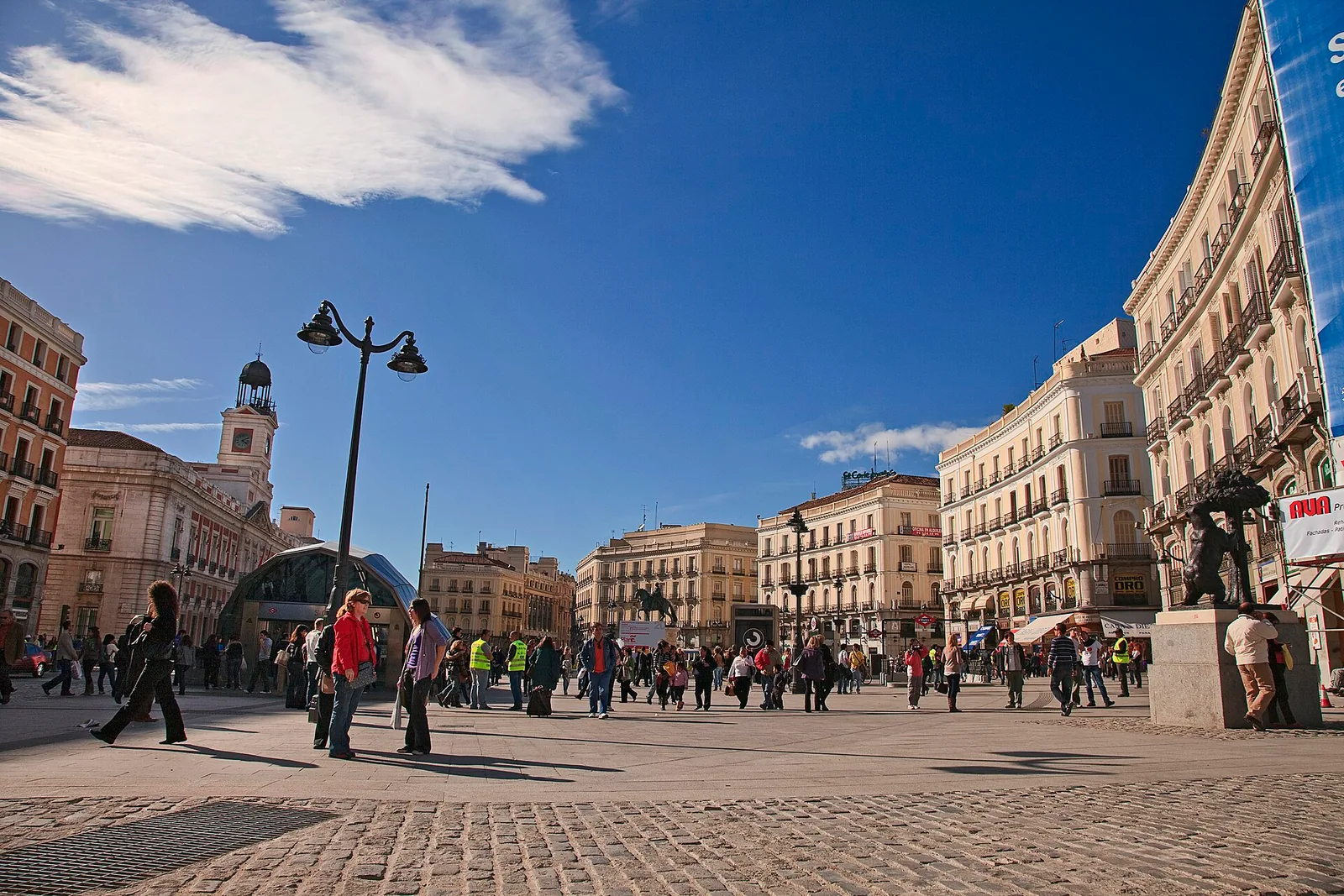
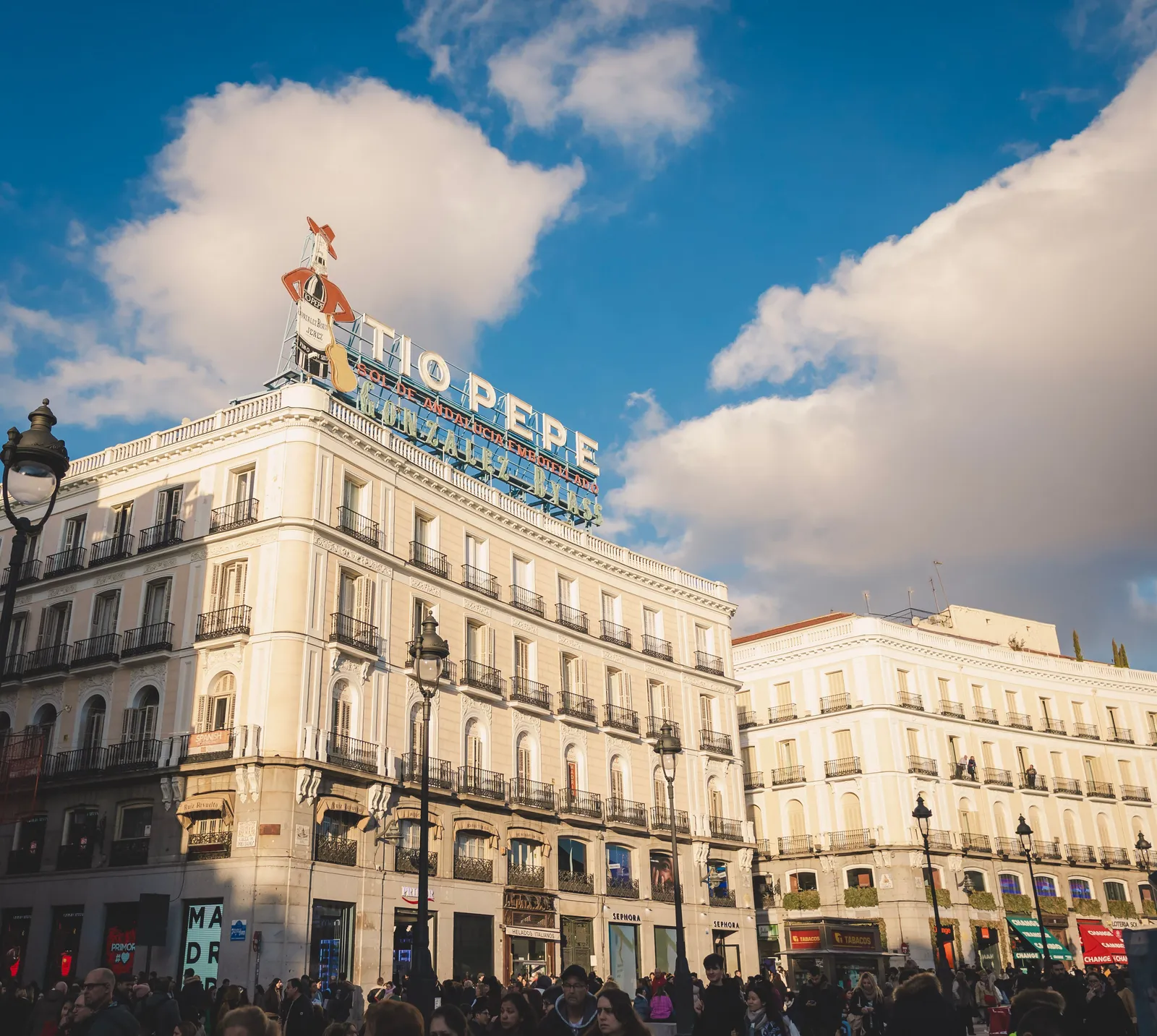
The area around Sol and the Plaza Mayor puts you in the historic heart, steps from the old Habsburg center and walking distance to almost everything, though the very center can be loud. Huertas and the Barrio de las Letras, the old literary quarter, sits between the center and the Prado and balances atmosphere with easy access to the big museums. For something calmer and more local, Chueca and Malasaña deliver leafy squares, independent shops and the best of the city’s cafe and bar life, a short walk north of the middle.
Wherever you land, book early. The best-value rooms in the center fill weeks ahead in the shoulder seasons, and a central base saves you real time. For a full breakdown, see our neighborhood guide.
Getting around
Madrid is a walking city at heart. The historic core is compact, and the best moments happen on foot, drifting between plazas or down a side street to a bar you did not plan to find. For everything else, the metro is fast, cheap, clean and simple to navigate.
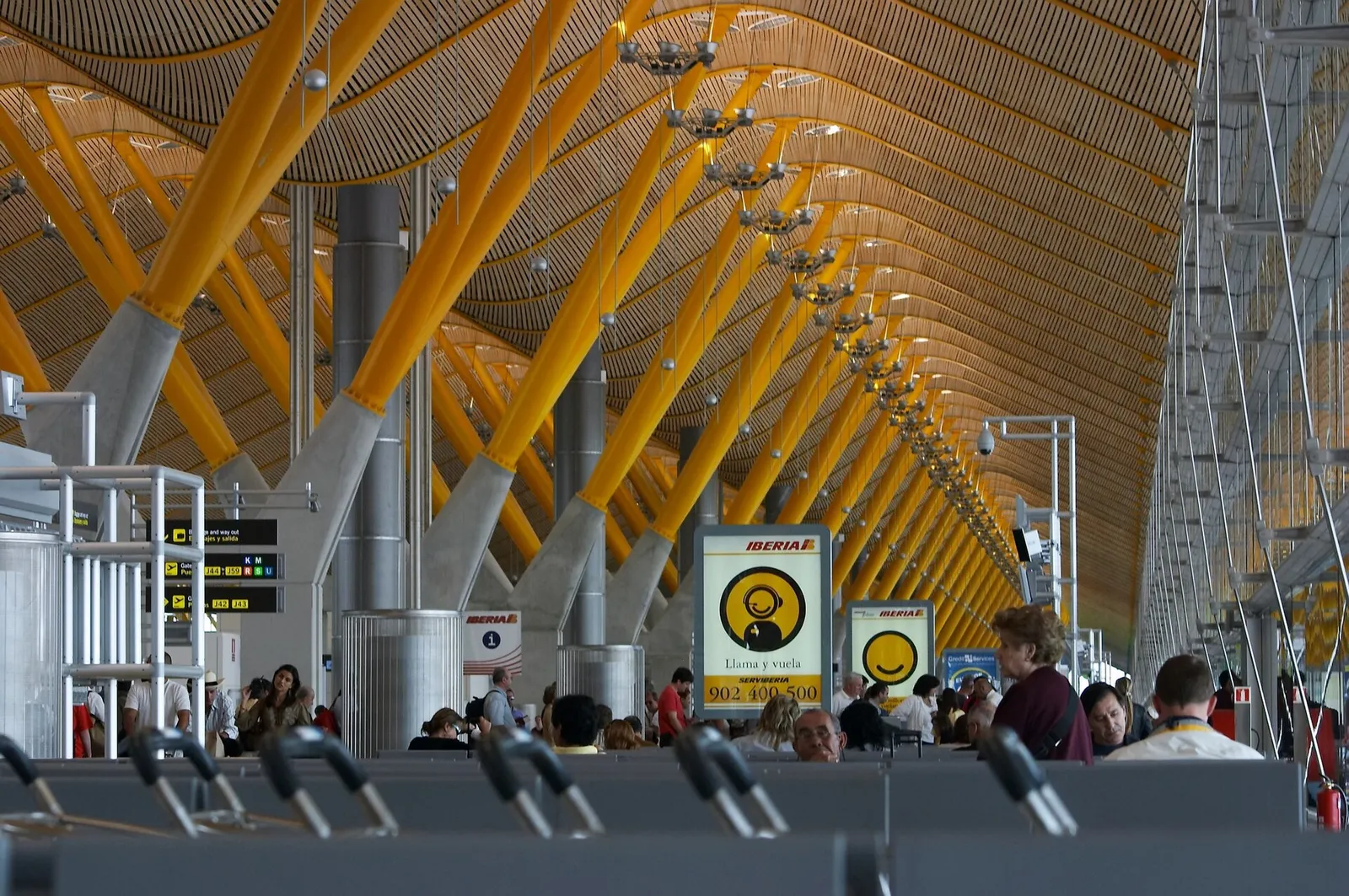
You will need a rechargeable Multi card to ride the metro and buses; you buy the card once, then load journeys or a tourist travel pass onto it. The metro also links the airport to the center in well under an hour, though there is a small airport supplement to budget for. Skip taxis unless you are in a group, carrying heavy luggage or moving late at night. You will rarely need a car in the city itself, and driving in the center is more trouble than it is worth.
The art you book first
Madrid’s calling card is the Golden Triangle of museums, and it lives up to the billing. The Prado holds one of the greatest collections of European painting anywhere, from Velázquez and Goya to the Flemish and Italian masters. A few minutes away, the Reina Sofía houses Picasso’s Guernica and the best of Spanish modern art, and the Thyssen-Bornemisza fills the gaps with everything from early Renaissance to Pop.
All three sell timed tickets, and the Prado in particular fills its best slots in high season. Each also opens its doors free at set times, but not the same times: the Prado and the Reina Sofía do it at the end of the day, while the Thyssen’s free window falls on Monday afternoons and covers the permanent collection only. The Reina Sofía also closes on Tuesdays. Times change, so confirm on each museum’s own site rather than assuming they line up. Decide which museums matter most and book ahead, and give yourself no more than two in a day.
Skip-the-line tickets and guided art toursTimed entry to the Prado and the Golden Triangle, booked aheadBeyond the museums
Madrid is far more than its galleries. Spend a morning in the old Habsburg quarter, where the arcaded Plaza Mayor, the medieval Plaza de la Villa and the sprawling Royal Palace sit within a few blocks. The palace is one of the largest in Europe and worth the timed ticket for the state rooms and the armory alone.
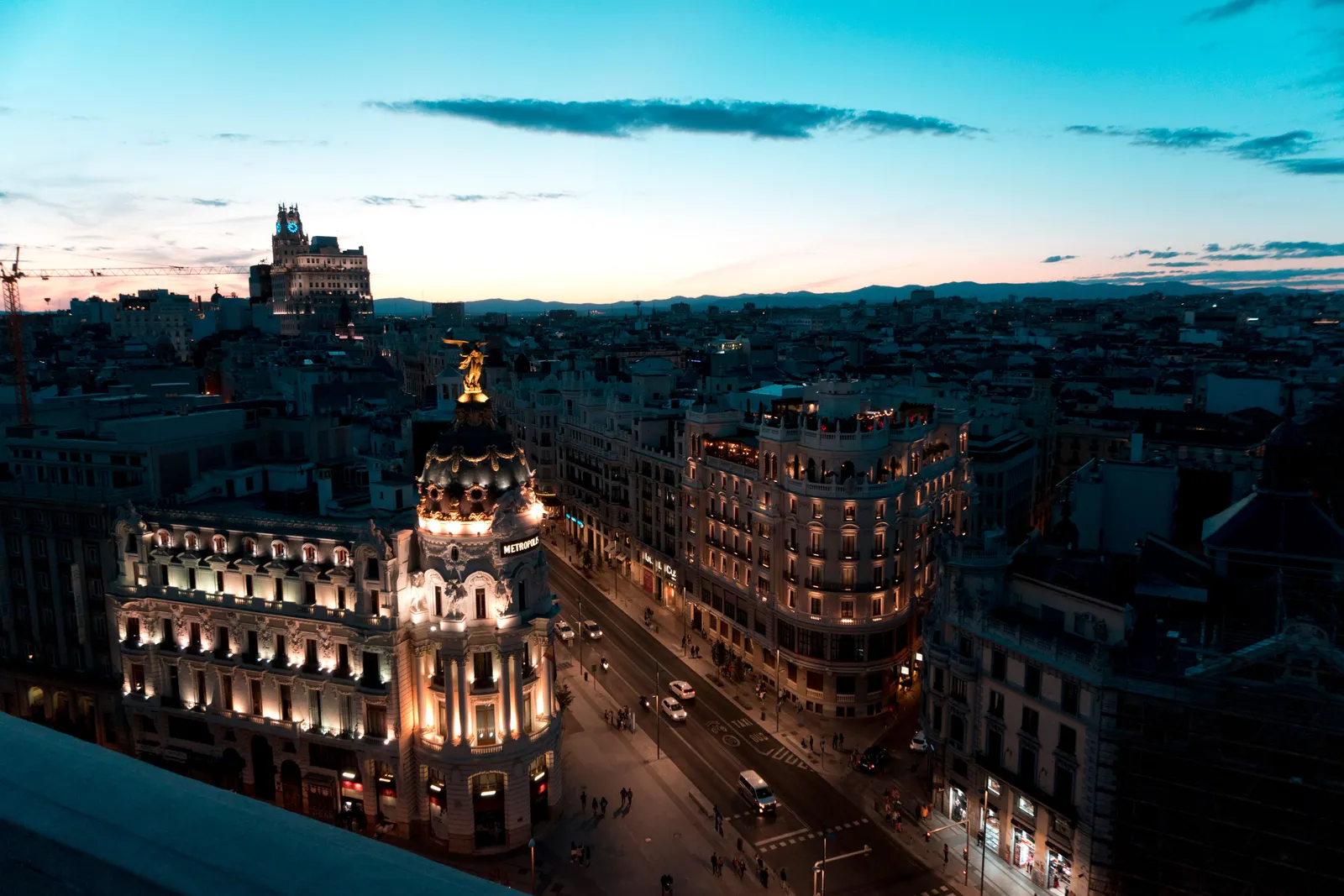
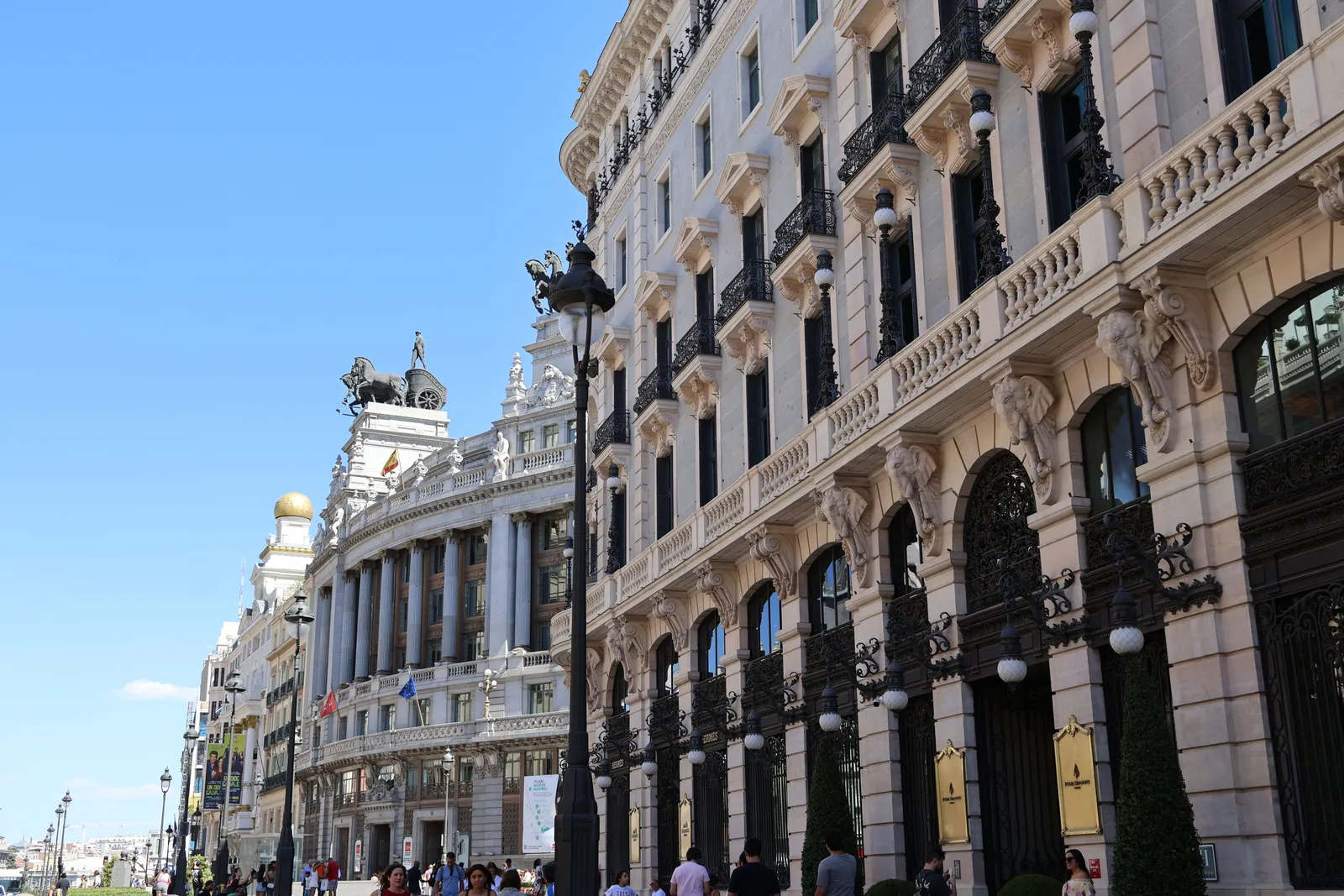
When your feet give out, Retiro Park is the city’s green lung, a short walk from the Prado, with its boating lake, rose garden and the glass Crystal Palace, which is shut for a long restoration and seen from the outside only. Climb to a rooftop terrace for sunset, wander the Gran Vía for its early-twentieth-century grandeur, and give an evening to a flamenco show, which in Madrid is serious, intimate and very much alive.
Food and tapas
Eat late and eat in stages. Locals rarely sit down to dinner before nine, and the joy of Madrid is the tapas crawl, a plate and a drink at one bar, then on to the next. The set-price menú del día at lunch is one of the best deals in Europe, a full three courses with a drink for a fixed price.
Order the local classics: a wedge of tortilla, jamón, croquetas, and in winter a bowl of cocido madrileño, the city’s great chickpea stew. Chase a plate of churros with thick chocolate at a historic cafe. Two neighborhoods reward a hungry evening above all: La Latina on a Sunday and the streets around Cava Baja.
Money, safety and the practical bits
Madrid is a mid-priced European capital and one of the safer big cities for serious crime. The currency is the euro, and cards, including contactless, work almost everywhere, so you barely need cash. Tipping is modest: rounding up or leaving a euro or two is plenty.
The one real risk is pickpocketing in the crowds, on the busy metro lines, around Sol and at packed viewpoints. Keep your bag in front of you, never leave a phone on a cafe table, and split your cards between pockets. Do that and you will almost certainly be fine.
On entry: Spain is in the Schengen area, and what you need depends on the passport you hold, not where you live. Americans, Britons, Canadians, Australians, New Zealanders and around 60 other nationalities visit visa-free for up to 90 days in any rolling 180 day period, counted across all Schengen countries together. South African passport holders, among others, must apply for a Schengen visa in advance, so start that early. Travellers on passports from outside the EU, the EEA and Switzerland now go through the EU’s biometric Entry/Exit System at the border, which adds a few minutes on your first crossing; EU, EEA and Swiss citizens have freedom of movement and are outside that system. Your passport needs at least three months of validity beyond your departure and must have been issued within the last ten years. Confirm the current rules for your own nationality before you book.
Day trips worth the early train
If you have four days or more, give one to leaving the city. Spain’s fast trains make it easy. Toledo, the old imperial capital on its hill, is the classic, packed with a soaring cathedral, a fortress and centuries of history. Segovia brings its Roman aqueduct and a fairytale castle, and El Escorial offers the vast royal monastery in the mountains. Toledo and Segovia are both about half an hour on the fast trains; El Escorial sits on the slower commuter line and takes around an hour.
Arriving, and the first two hours
The trip starts badly or well depending on one decision made before you fly: how you get from the airport into the city.
There are three sensible routes and they suit different arrivals. The metro is the cheapest and reaches the centre in well under an hour, with an airport supplement on top of the normal fare, and it is the right choice with light luggage. The express bus runs around the clock, including through the night when the metro does not, which makes it the answer for awkward-hour arrivals. A taxi to the central zone runs on a published flat fare, which removes the usual anxiety about meters and routes, and is the obvious choice with a family, heavy cases or a very late landing.
The variable that decides it is not price, it is luggage and stairs. Madrid’s older buildings and some metro interchanges involve more steps than you would like after a long flight, so a route that ends at your door is worth paying for on arrival day even if you use the metro for the rest of the week. Each option differs in timing and in where it leaves you, which is worth checking against your actual address rather than against the city centre.
What three or four days looks like
Madrid is compact enough that a good plan is about pacing rather than distance.
| Day | Morning | Afternoon and evening |
|---|---|---|
| One | The Habsburg centre and the Royal Palace | Tapas crawl in La Latina |
| Two | The Prado, with a focus rather than a full sweep | Retiro Park, then a late dinner |
| Three | A second museum, or the Bernabeu | A neighbourhood walk and a rooftop at sunset |
| Four | An early train to Toledo or Segovia | Back for the last evening in the city |
The principle behind it: one major indoor thing per day, and never two great museums back to back. The other half of the day belongs to walking, eating and sitting, which is what the city is actually for.
What a Madrid trip costs
Madrid is one of the better-value capitals in Western Europe, and the reasons are specific rather than vague.
Eating well is cheap if you eat locally: the fixed-price weekday lunch is one of the best deals in Europe, and a tapas crawl of a few plates and drinks costs less than a single sit-down main in many capitals. Transport is cheap, with a metro fare that varies only slightly by distance inside the central zone and a compact core you will mostly walk. Museums are moderate, and free at certain hours if you are willing to queue.
The bigger lines are accommodation, which swings hard with the season, and anything with a fixed date: a football match, a major exhibition, a flamenco show. Prices are in euros and move with season and events, so compare current rates for your exact dates rather than trusting any number written months earlier.
Booking the room, and what to check
Where you stay matters more than which hotel, but a few details decide whether the room itself works.
Noise is the big one. Madrid is out late, and a room on a narrow street full of bars is a room above a party from Thursday to Sunday. Ask for an interior room facing the courtyard, which most older buildings have, and read recent reviews for noise specifically rather than the overall score.
Lifts and air conditioning are the other two. Plenty of beautiful apartments sit on the fourth floor of a building with no lift, and a Madrid summer without air conditioning is a genuinely bad night. Both are usually mentioned in the listing if you look for them.
Our neighborhood guide covers which barrio suits which kind of trip, and the type of place, hotel, apartment or family-run hostal, matters far less than the street it sits on.
The mistakes worth skipping
Almost every first-trip regret in Madrid comes from the same short list.
Eating at the wrong hour in the wrong place, usually a photo menu on a famous square. Walk two streets away and the price halves while the quality doubles. Booking three museums in a day, which reliably produces a blur and a headache. Underestimating the summer afternoon, when the plateau heat makes outdoor sightseeing genuinely unpleasant between about two and six. Ignoring the closing days, since the museums each have their own and they do not match. And carrying everything in a back pocket in the crowds around Sol and on the busy metro lines, which is exactly where the city’s one real everyday risk lives.
The short version
Go in spring or autumn, stay central, book the Prado and the Royal Palace before you arrive, walk more than you think you will, eat late in stages, and watch your pockets in the crowds. Do that, and a first trip to Madrid stops feeling like a checklist and starts feeling like the beginning of a habit.
Two decisions do most of the work and both are made before you arrive. What you are willing to spend a day sets almost everything else, because Madrid is one of the cheapest good capitals in Western Europe and a first trip can be run at very different levels without feeling thin; our guide to Madrid on a budget sets out what things actually cost in euros. And the first hour, which is easy once you know which option suits your terminal and your luggage; our guide to Madrid airport transfers covers all four.