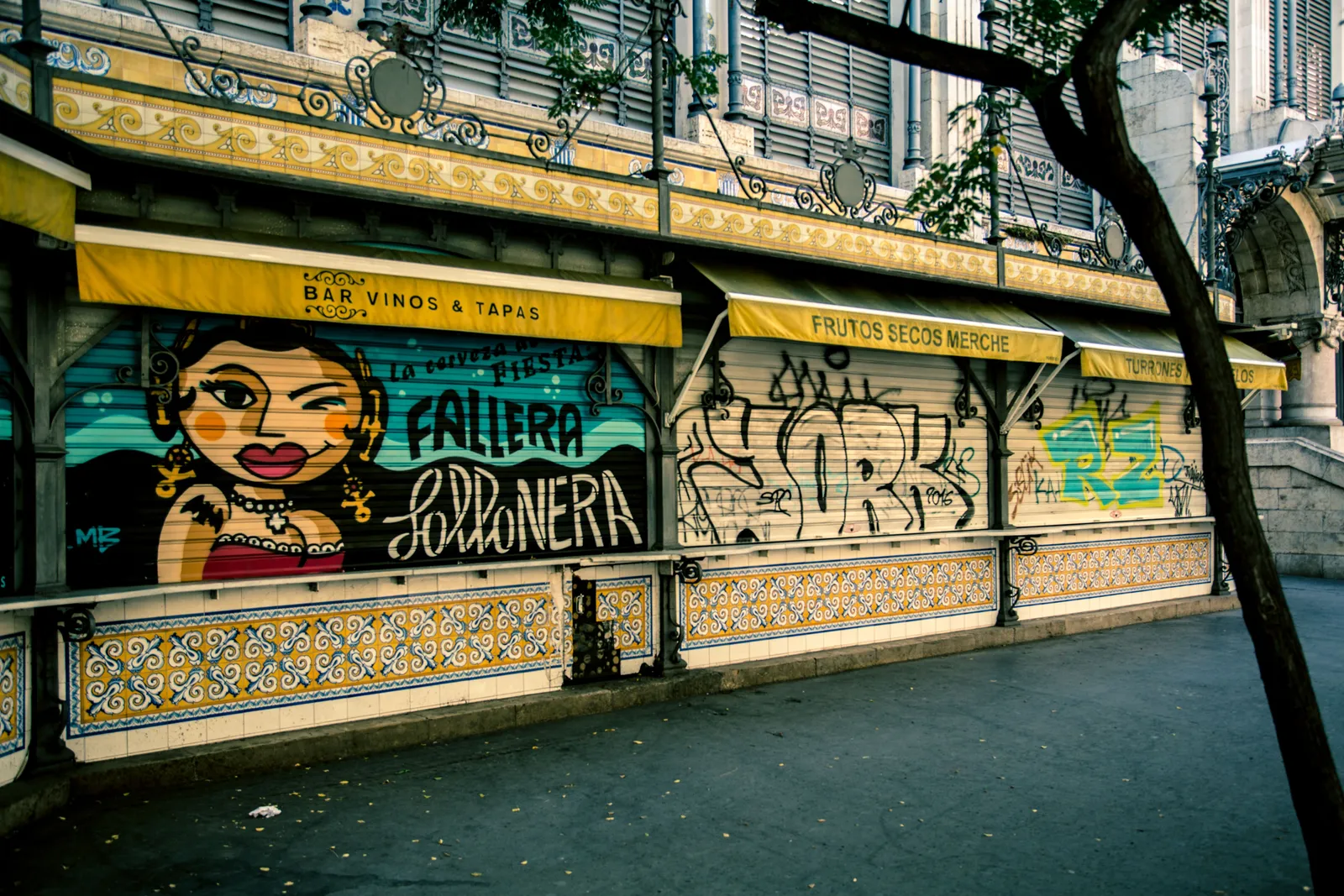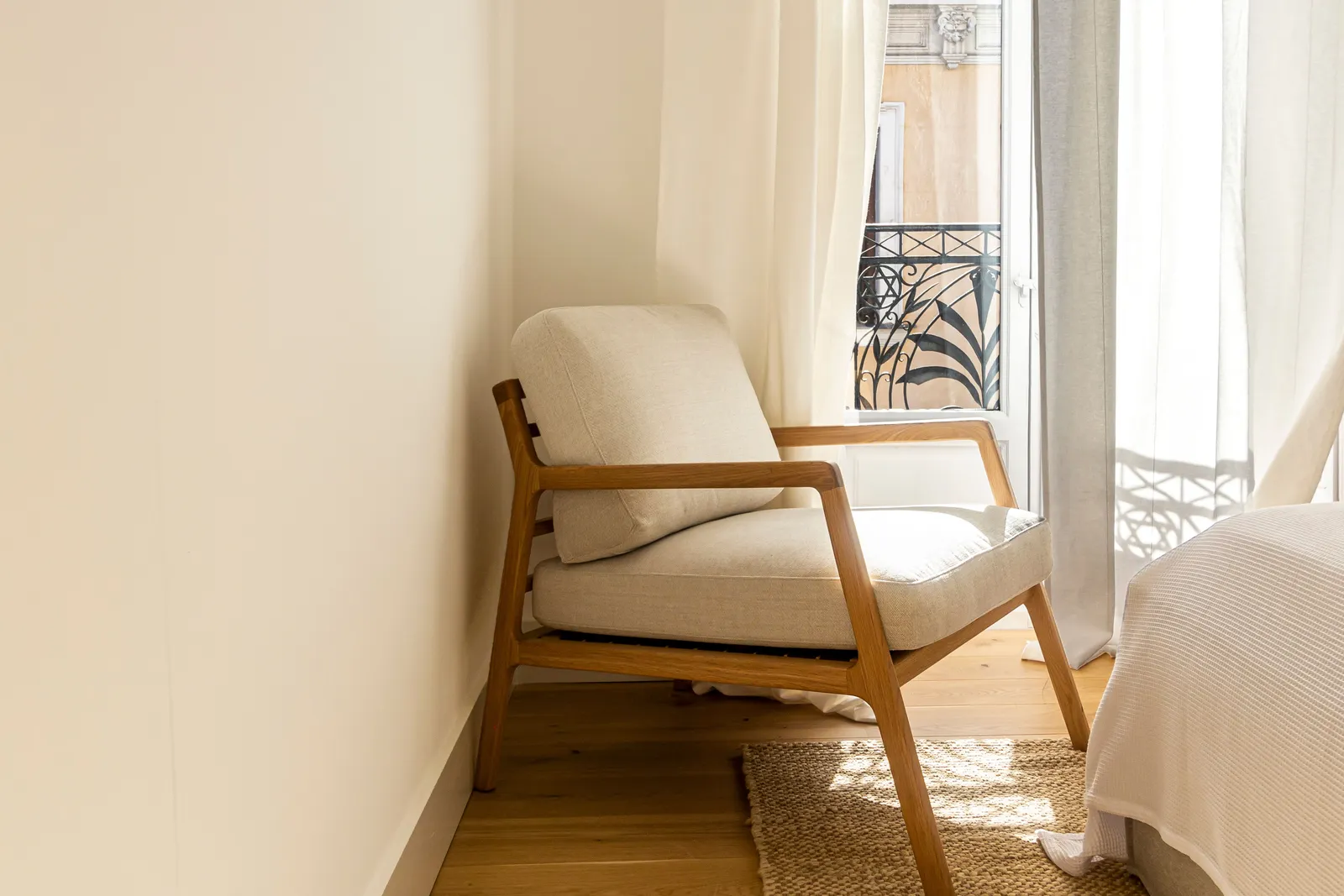
Madrid is smaller on foot than it looks on a map, and that single fact should drive your booking. The museums, the palace, the old squares and the best tapas streets all sit inside a walkable centre, so the district you pick is less about transport than about what you want outside the door at eleven at night. Here is what each area is actually like, and the one thing to check in the listing whichever you choose.
The central districts
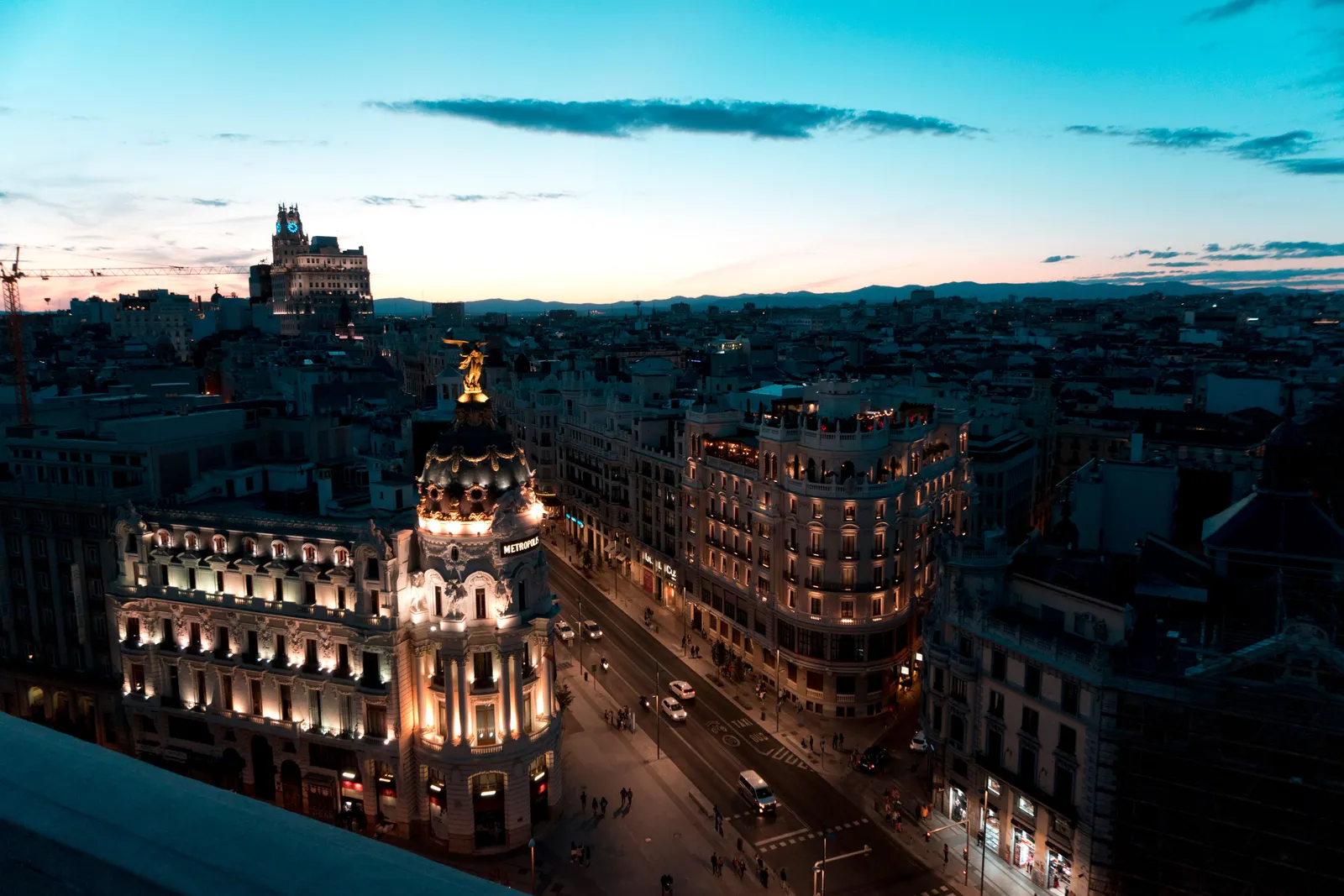
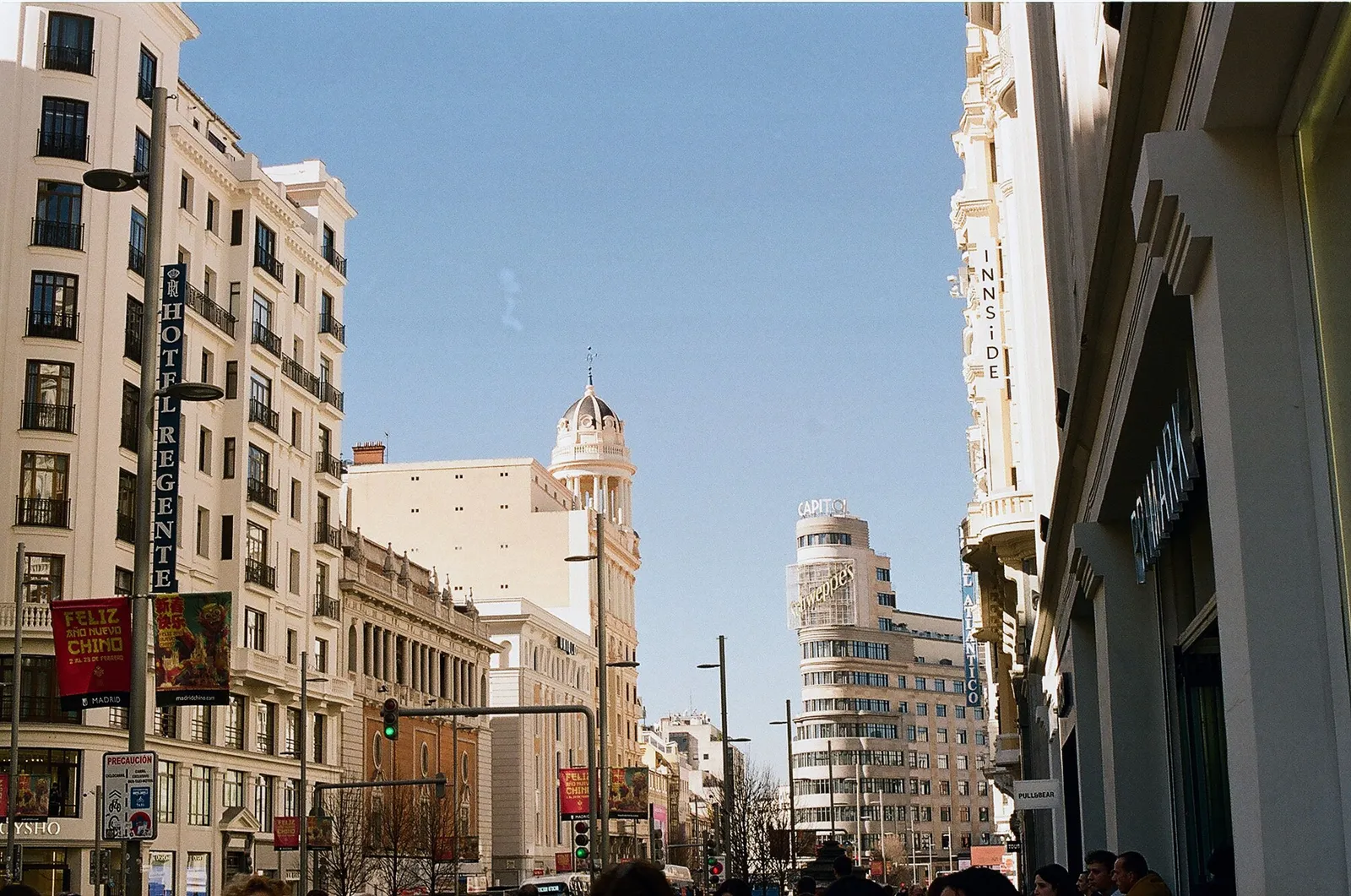
Sol and Gran Via are the dead centre: everything within walking distance, every metro line, hotels at every price, and the most noise in the city. Convenient in a way nothing else quite matches, and loud.
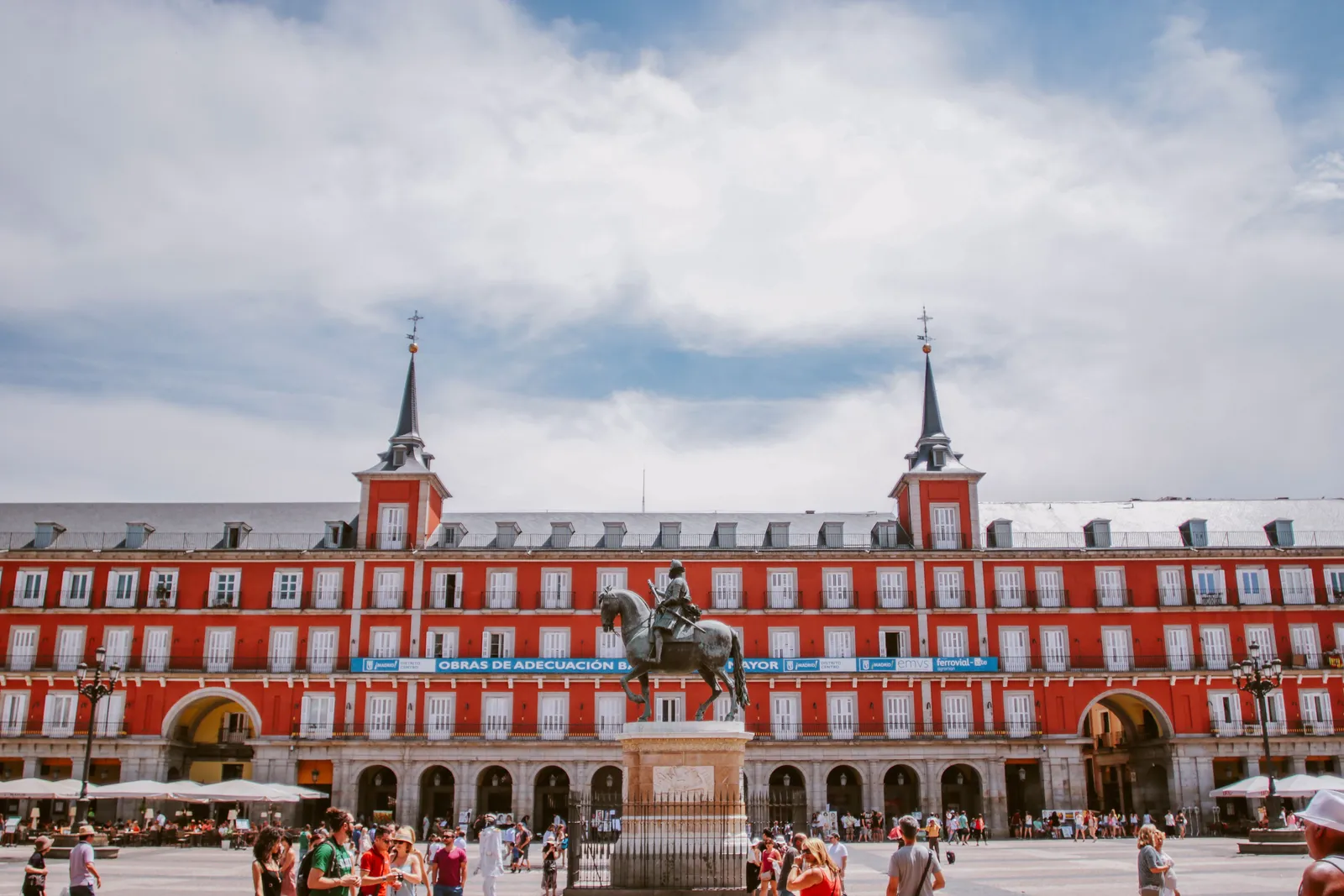
Plaza Mayor and Austrias put you in old Madrid, all stone squares and narrow streets, a short walk from both the palace and the tapas. Calmer than Sol and just as central.
La Latina is the tapas district, at its best on a Sunday when the flea market fills the streets and the bars overflow. Lively, historic and the reason a lot of people fall for Madrid.
Huertas and the Barrio de las Letras sit between Sol and the Prado, which is the museum-lover’s position, with a busy bar scene of its own.
Malasana is the young, creative quarter: independent shops, good coffee, better bars, and a night that starts late.
Chueca is the city’s most famously welcoming district, with excellent food, a strong nightlife and a friendly, mixed crowd.
Salamanca, across the Castellana, is the elegant one: wide streets, smart shops, quiet nights and a short metro ride to everything else.
Which one suits your trip
First visit, three or four days? Anywhere between Sol and the Prado. The walking is the point.
Here for the food? La Latina or Huertas, with Malasana and Chueca a short walk away for the nights.
Travelling with children, or wanting quiet? Salamanca or the streets north of Gran Via, both calmer and both a manageable metro ride in.
Nightlife the priority? Malasana or Chueca, and accept that you will hear it.
Longer stay or a return visit? Salamanca, Chamberi or the streets around Retiro, where you stop being a visitor and start having a local bakery.
Our guide to Madrid’s neighbourhoods goes deeper into the character of each, including the ones that are better to spend an evening in than to sleep in.
The one thing to check in every listing
Madrid is a loud city late at night, and its buildings are old, tall and built around courtyards.
That architecture is also the solution. Spanish flats and older hotels distinguish between rooms facing the street, exterior, and rooms facing the internal courtyard, interior. The courtyard rooms are darker and considerably quieter, and in a central district that trade is usually worth making.
Look for the words interior, patio or courtyard in the description, or read recent reviews for the word noise. In Sol, Malasana, Chueca and La Latina this is the difference between a good stay and a sleepless one, and it costs nothing to check.
Types of place to stay
Madrid has a wider range than the hotel search suggests.
Hotels run the full span, and the mid-range city hotel is reliable and unremarkable.
Hostales, which are not hostels, are a Spanish institution: small, family-run guest houses occupying a floor or two of an ordinary building, often central, clean and inexpensive. They are the best-value accommodation in the city and the least visible to visitors searching only the big sites.
Apartments suit longer stays and families, with the caveat that the city has tightened rules on short lets and the legal supply is smaller than it was.
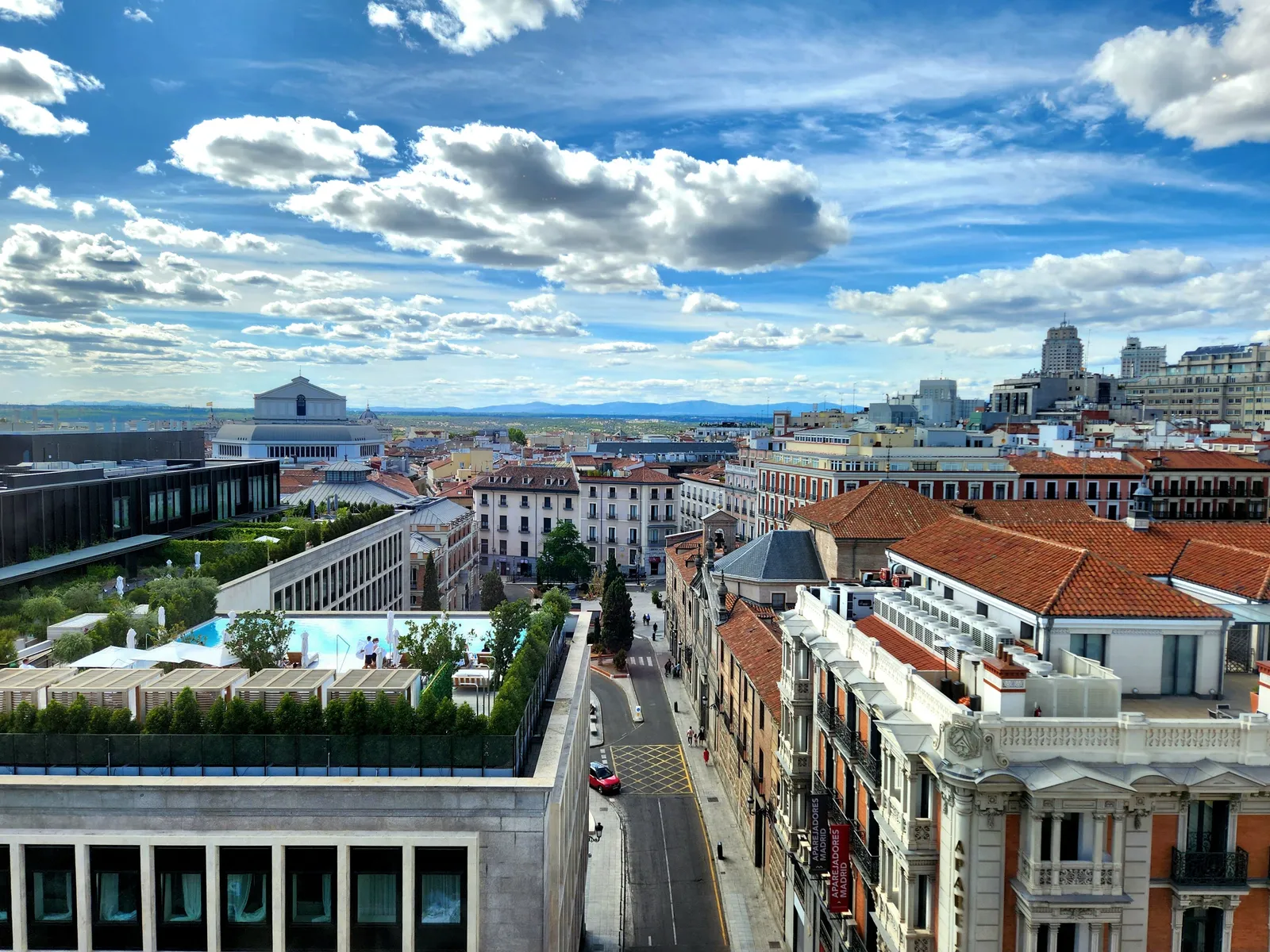
Rooftop hotels are a genuine Madrid speciality, since the city’s skyline and its evening light are worth paying for, and a terrace bar is the correct way to end a day here.
Timing and booking
Spring and autumn are peak: the weather is perfect, the city is busy and the good central rooms go early.
Summer, and August above all, is genuinely hot and genuinely empty, as Madrid leaves for the coast. Prices soften, some places close, and the middle of the day is not for walking.
Winter is cold, bright and quiet, and it is when the museums are at their most pleasant and the rooms at their cheapest.
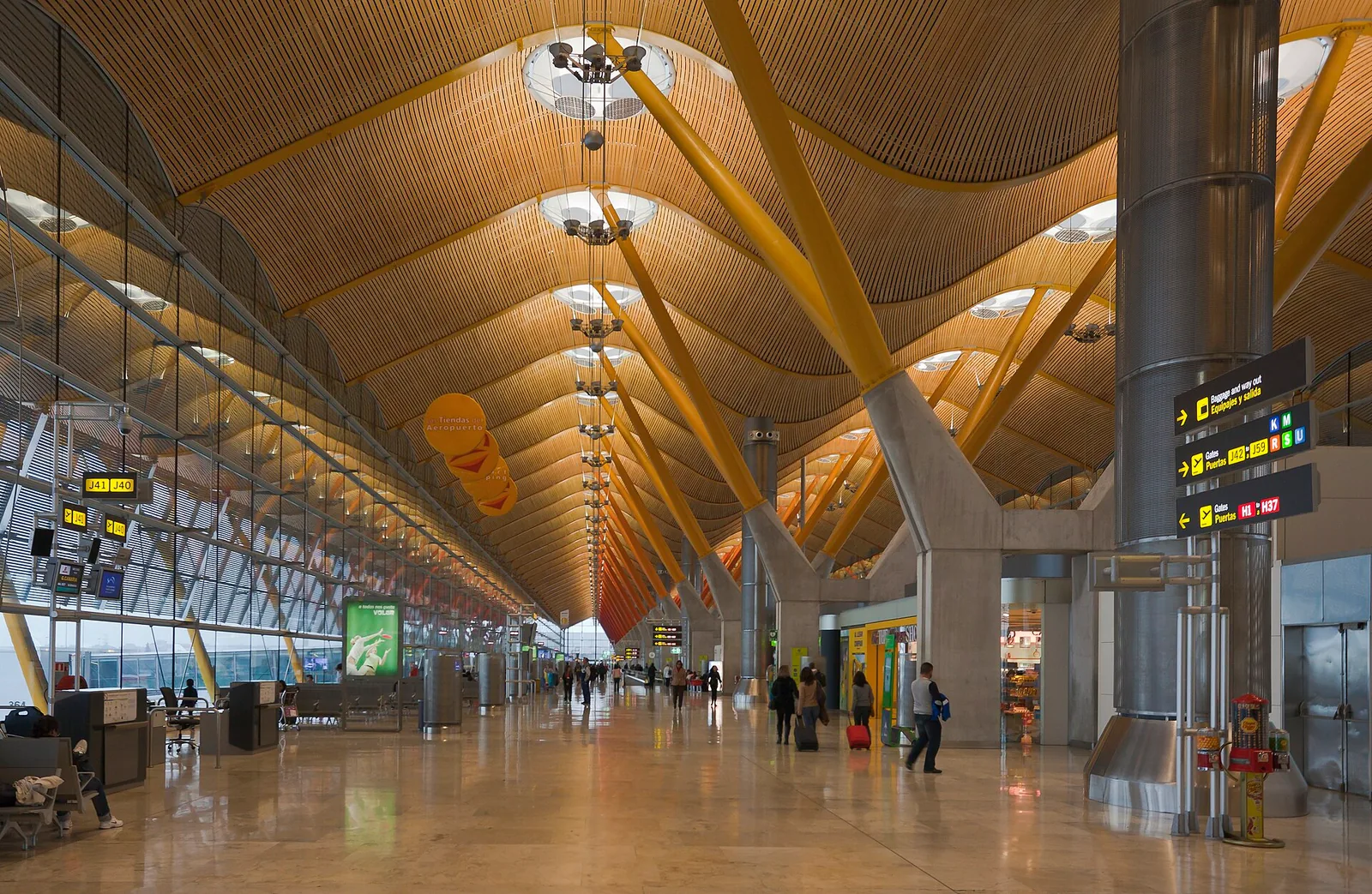
Whenever you come, sort the airport transfer in the same sitting as the room, since the right option depends on which district you chose and what time you land; our guide to Madrid airport transfers covers all four.
And if you want to see how the districts string together across a few days rather than as a list, our four-day Madrid itinerary walks the city in an order that works.
The short version
Stay central, because Madrid’s centre is small enough to walk and that is the whole advantage of this city. Sol and Gran Via for maximum convenience and maximum noise, Plaza Mayor and La Latina for old Madrid and the tapas, Huertas for the museums, Malasana and Chueca for the nights, Salamanca for calm. Whichever you pick, check whether the room faces the street or the courtyard, and book early for spring and autumn.